Estonian Design Once Again Represented at Habitare in Helsinki

Estonian Design Once Again Represented at Habitare in Helsinki

25.09.2026

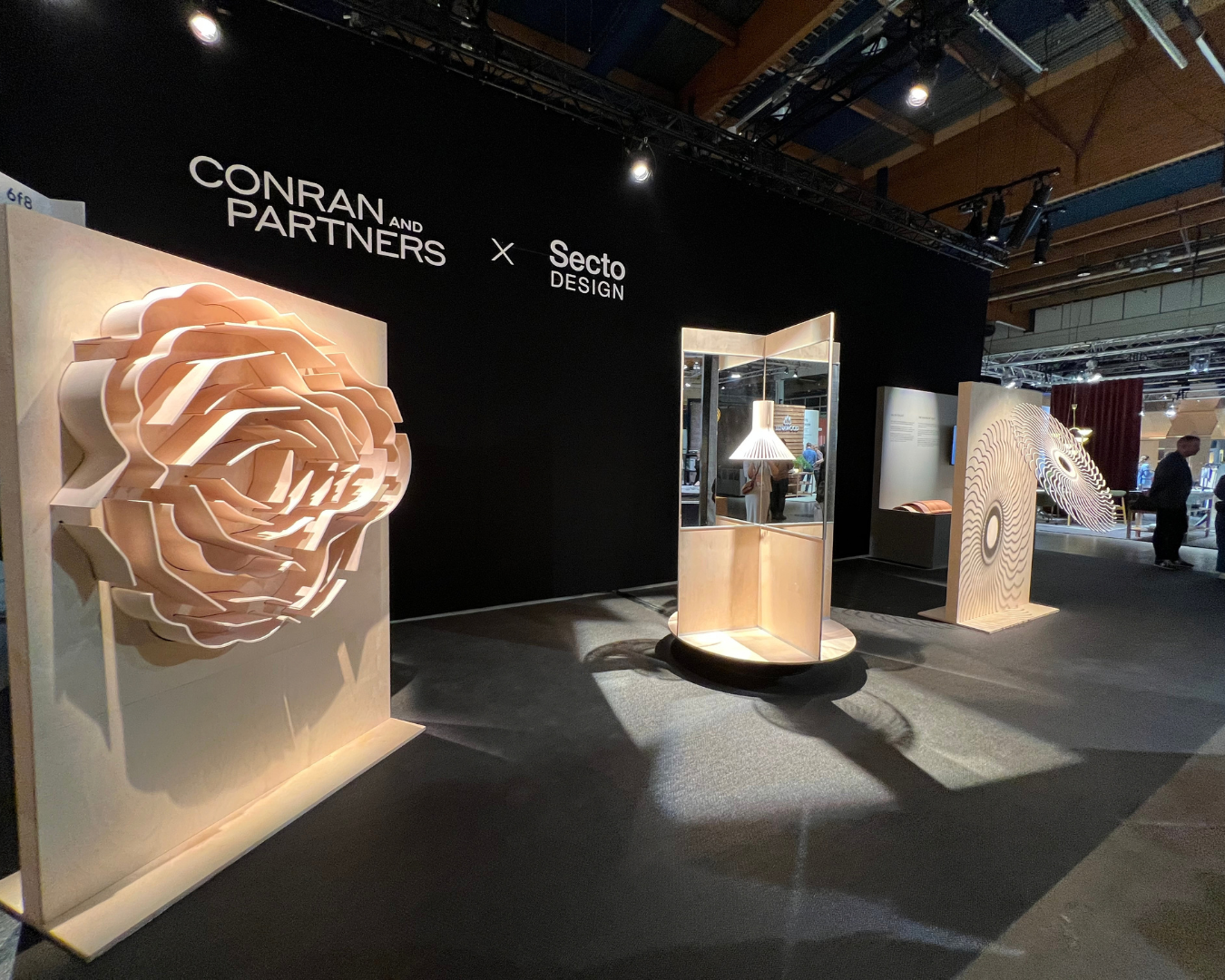
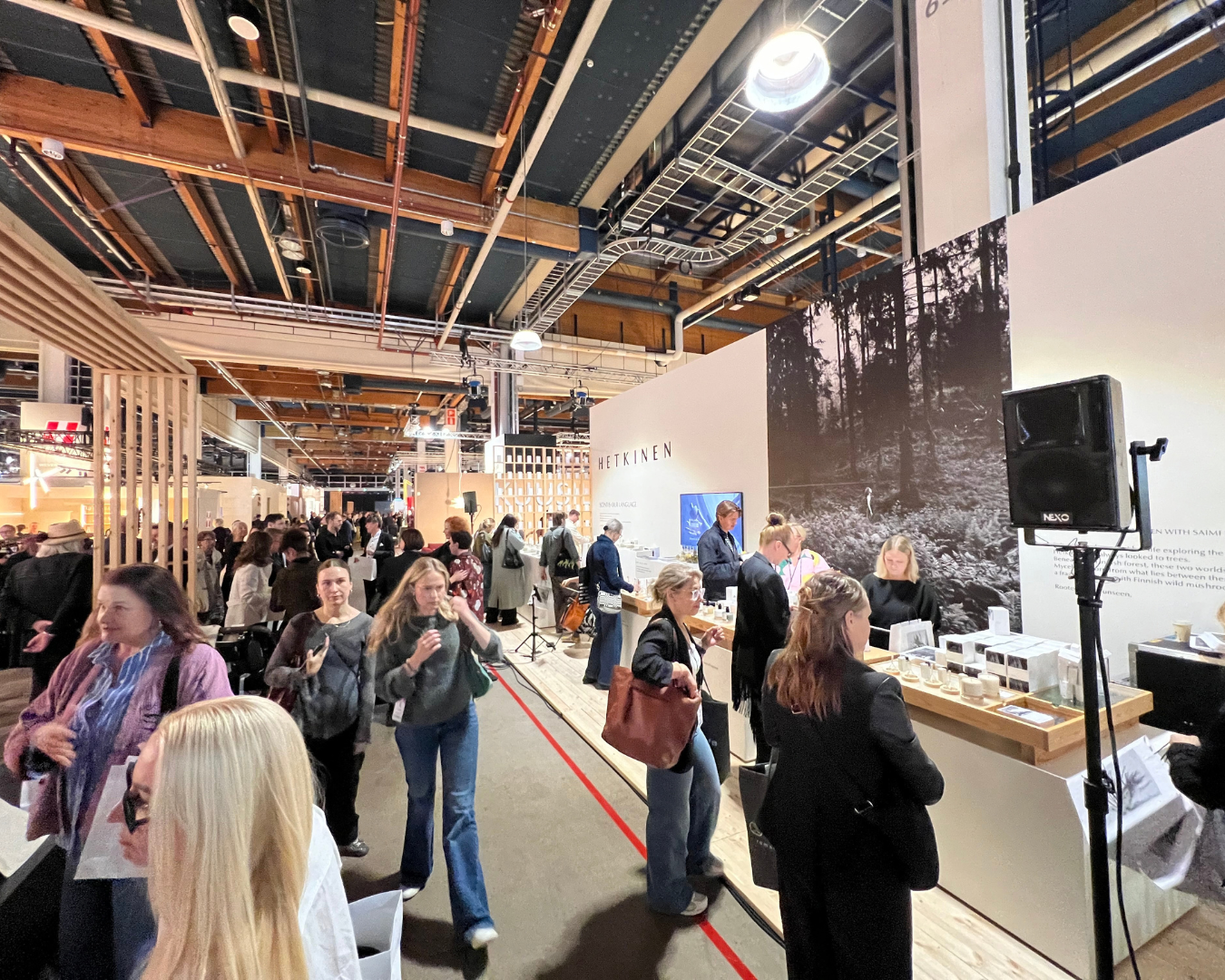
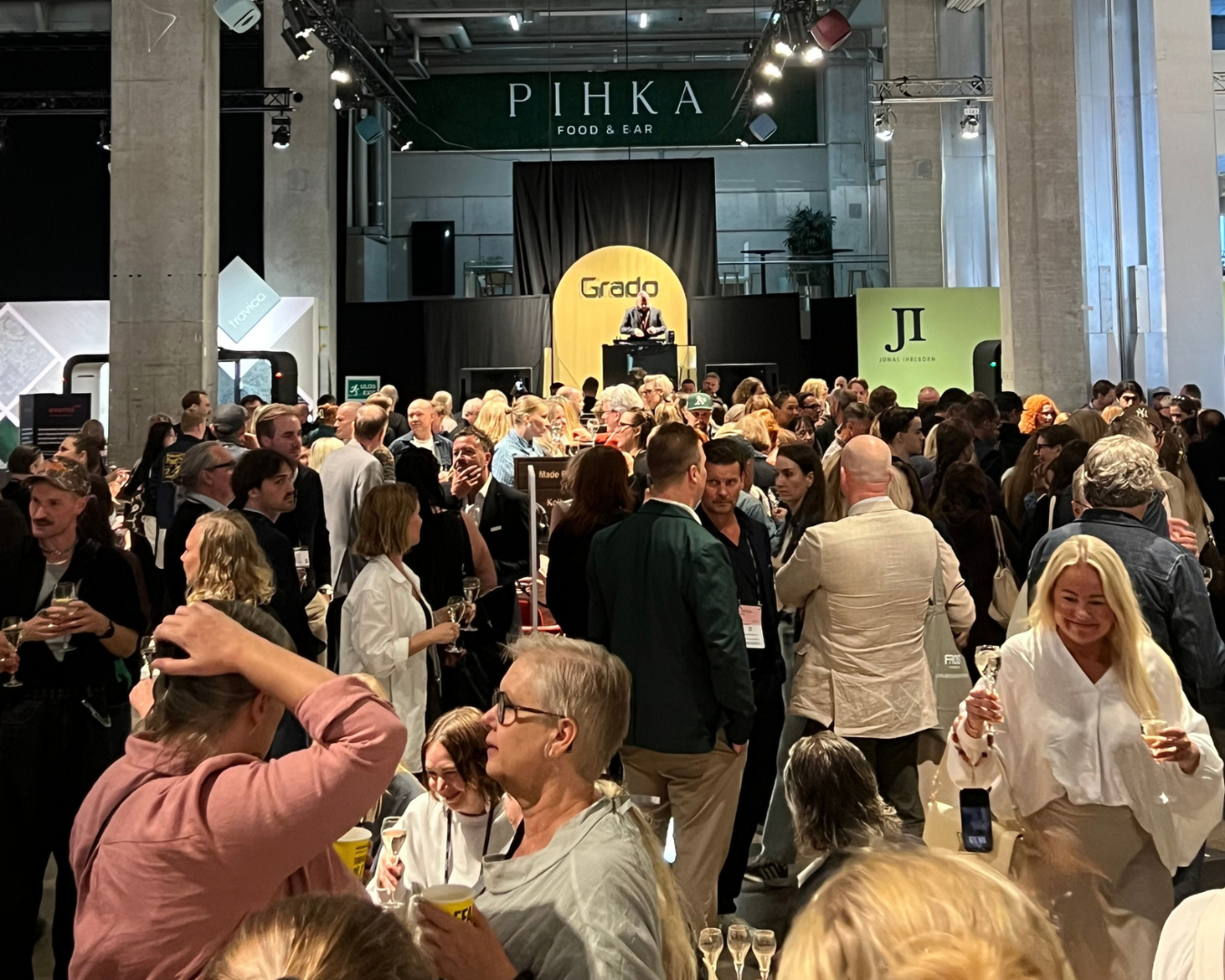
In the first week of September, we presented Estonian design together with the Tallinn Business Incubator at Habitare, the leading Nordic furniture, design and interior design fair, held from 2–6 September at the Helsinki Exhibition and Convention Centre.

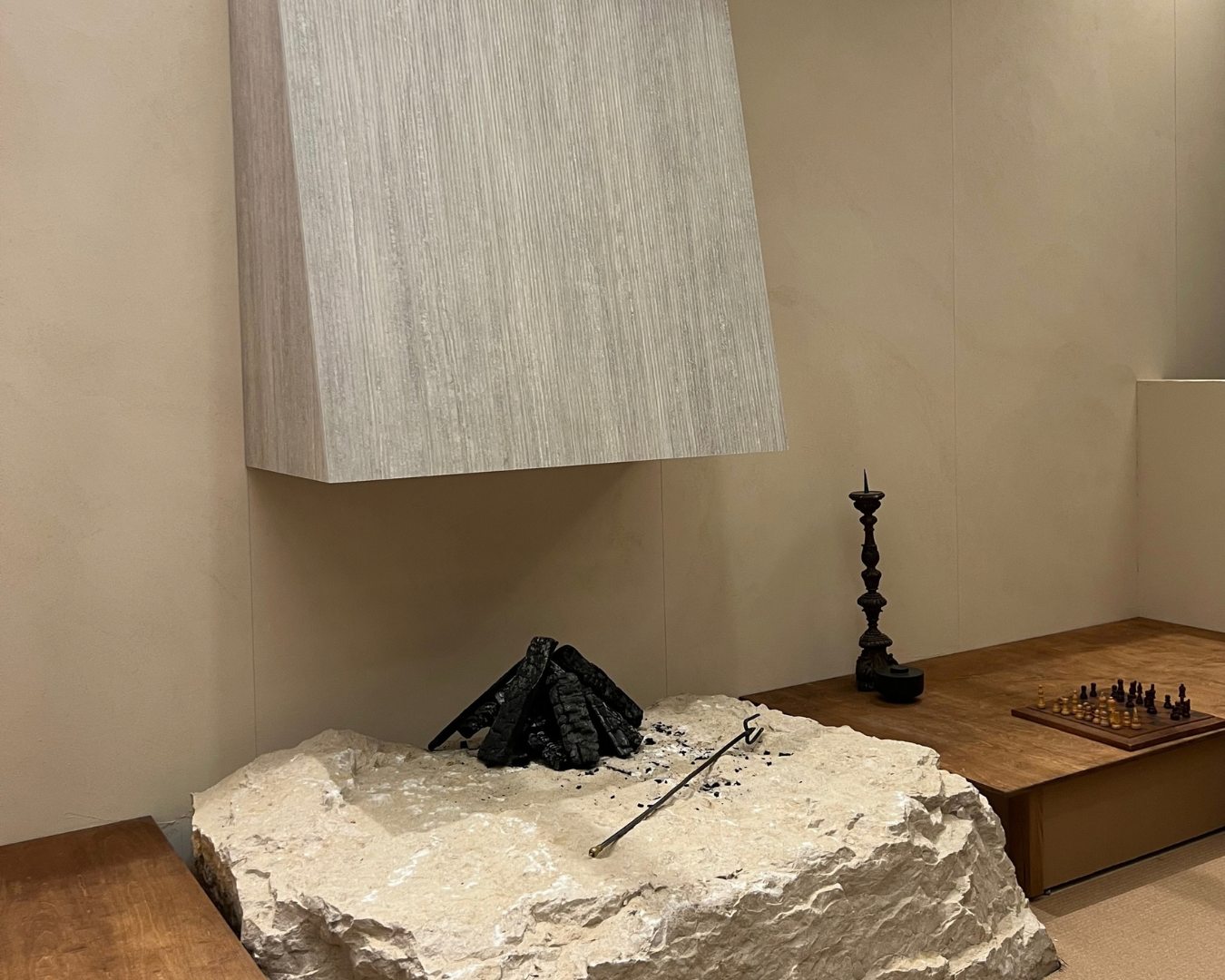
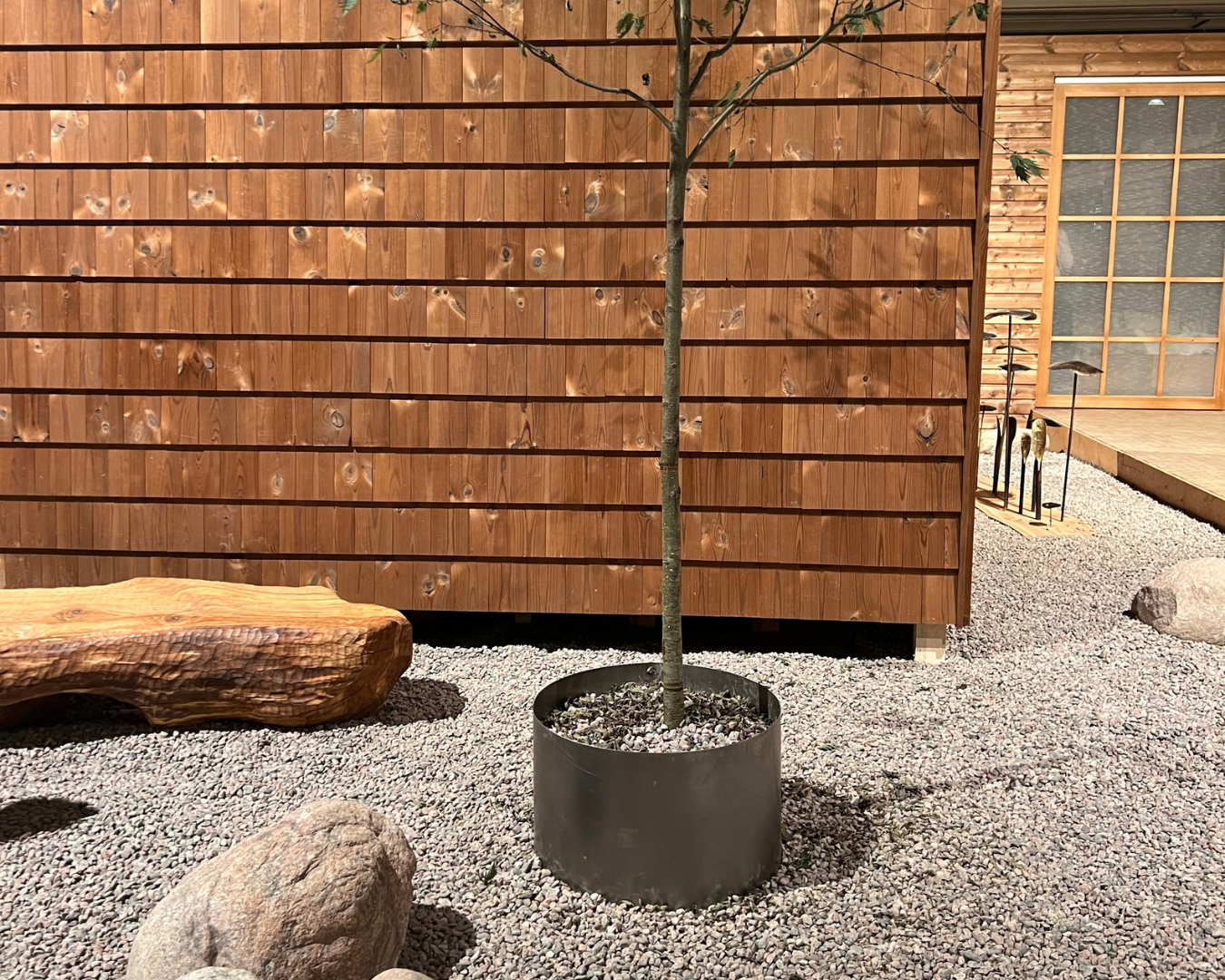
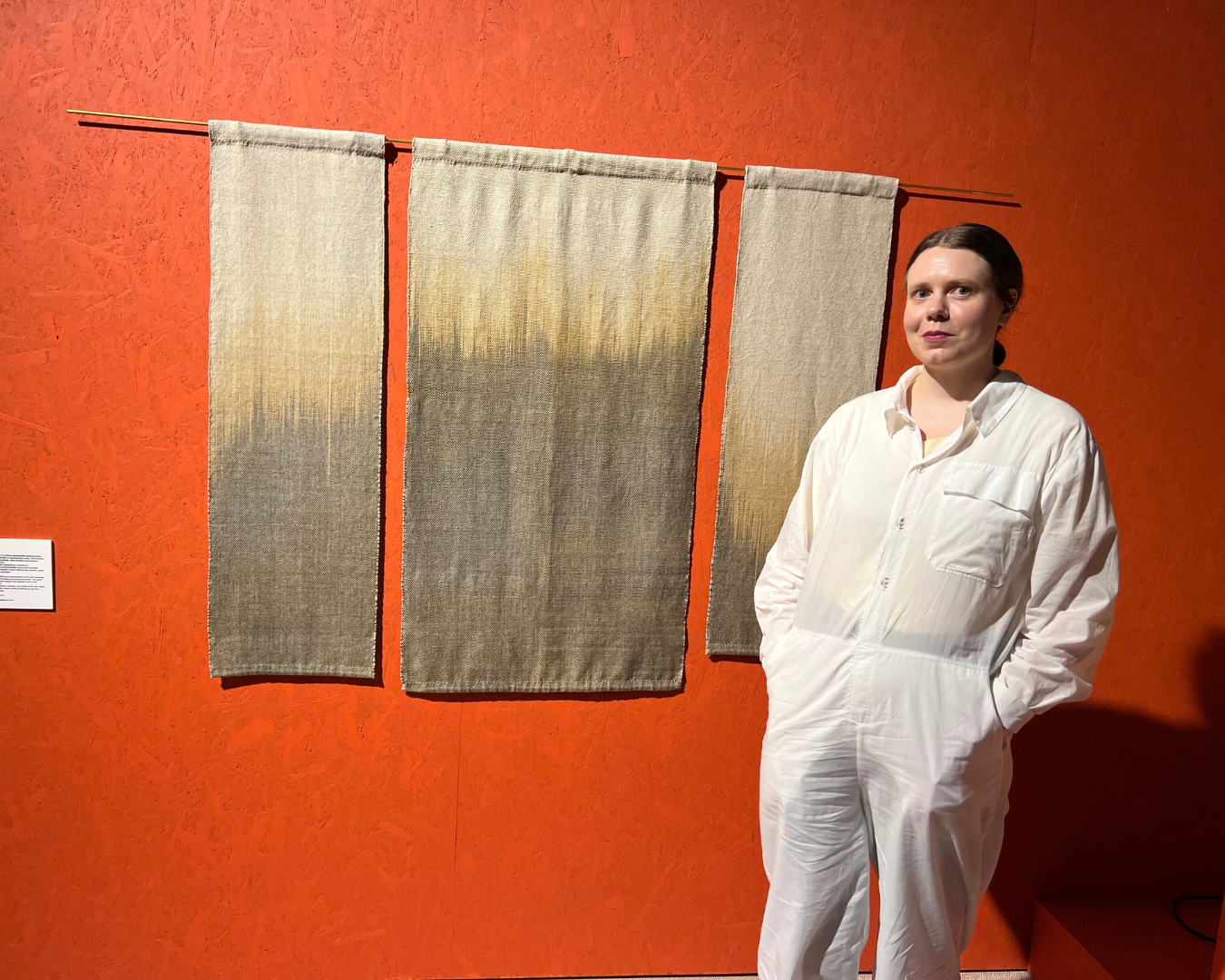
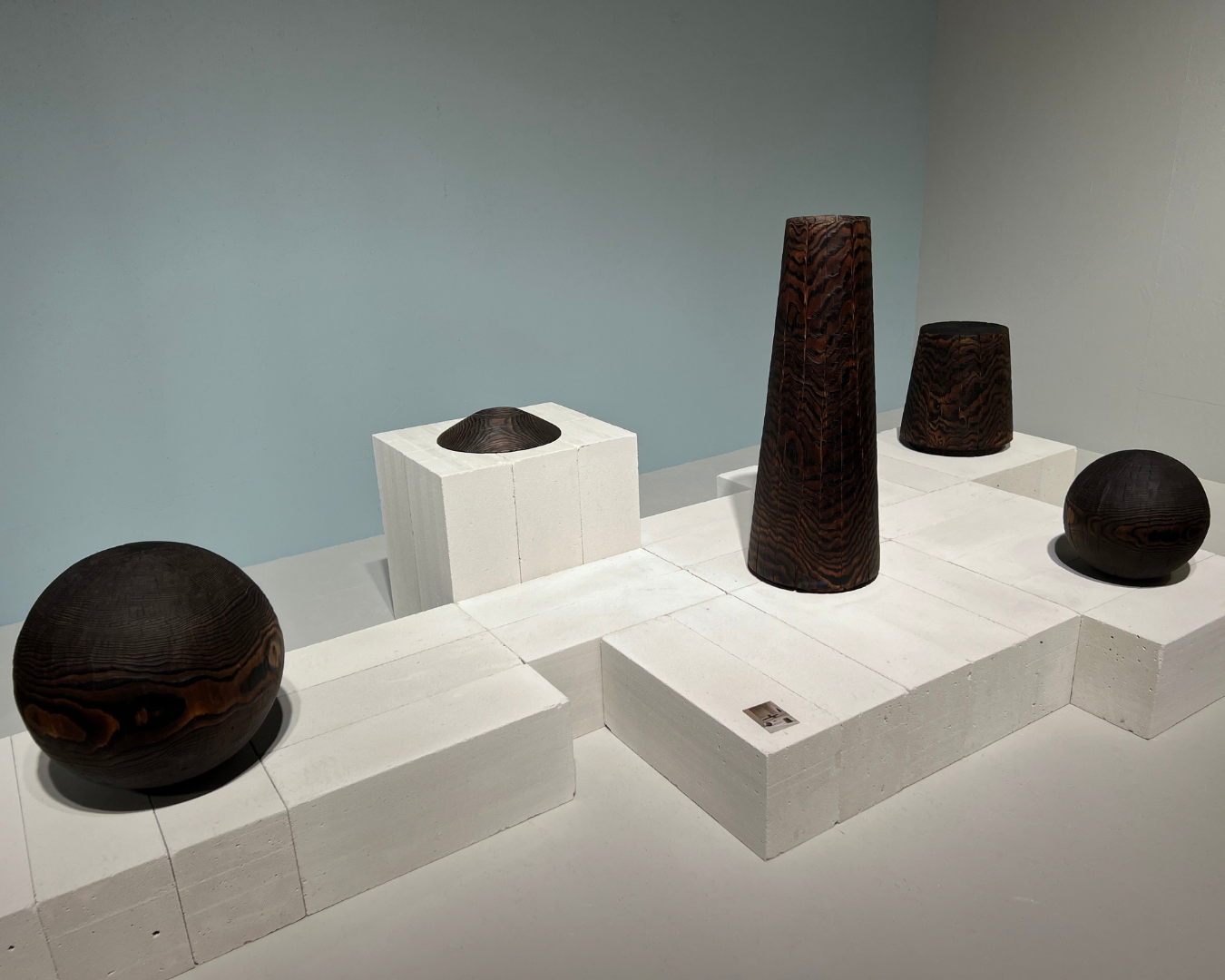
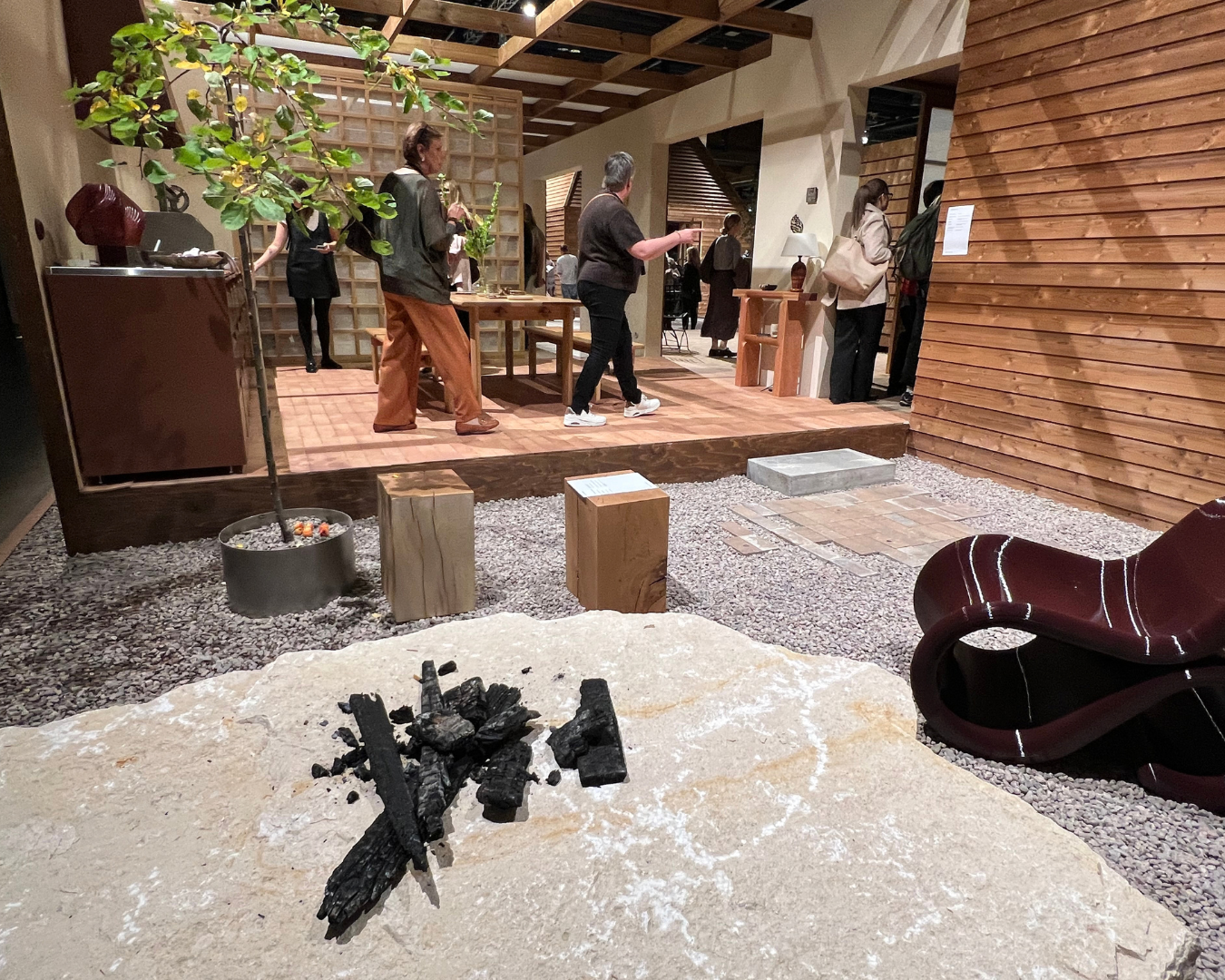
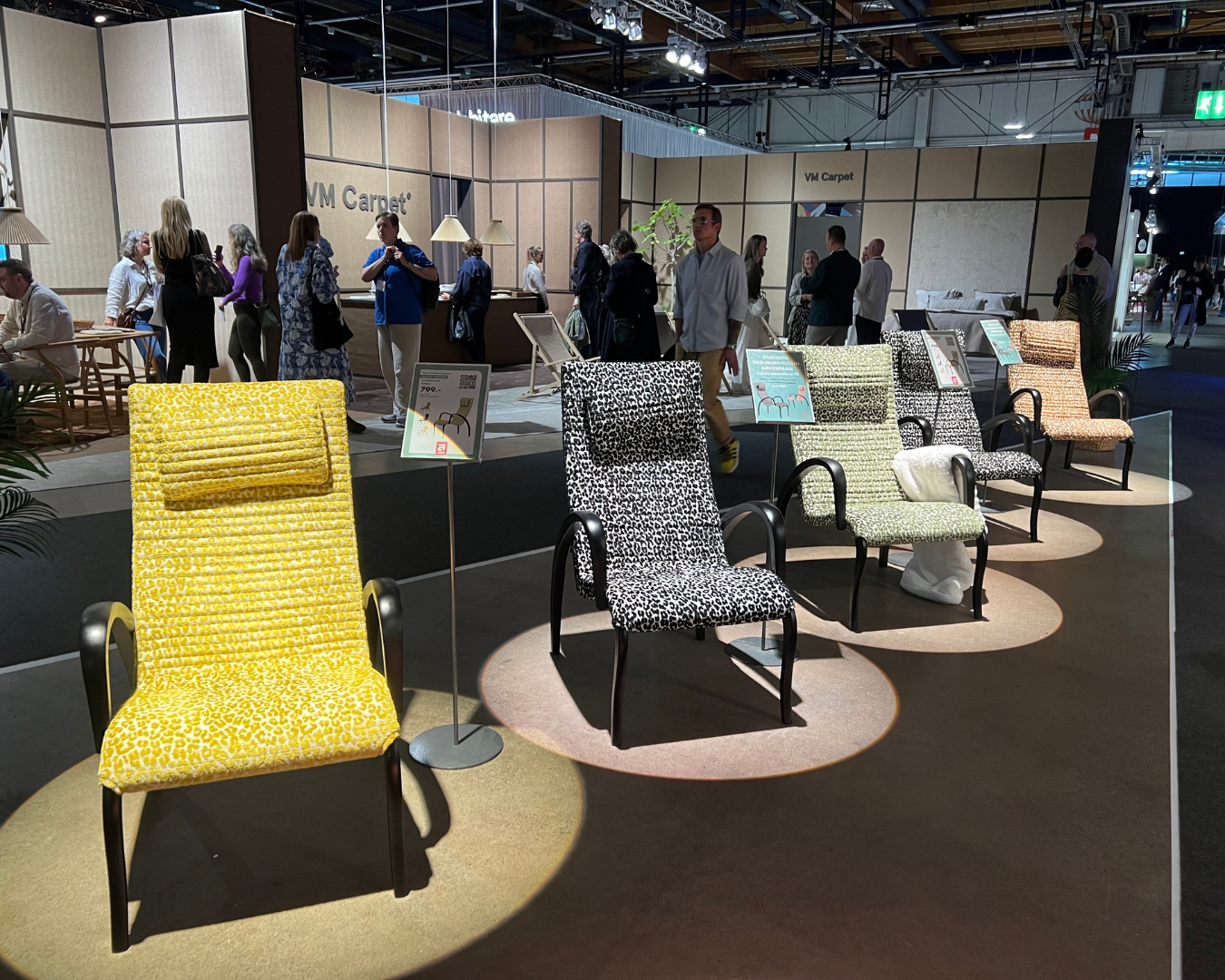
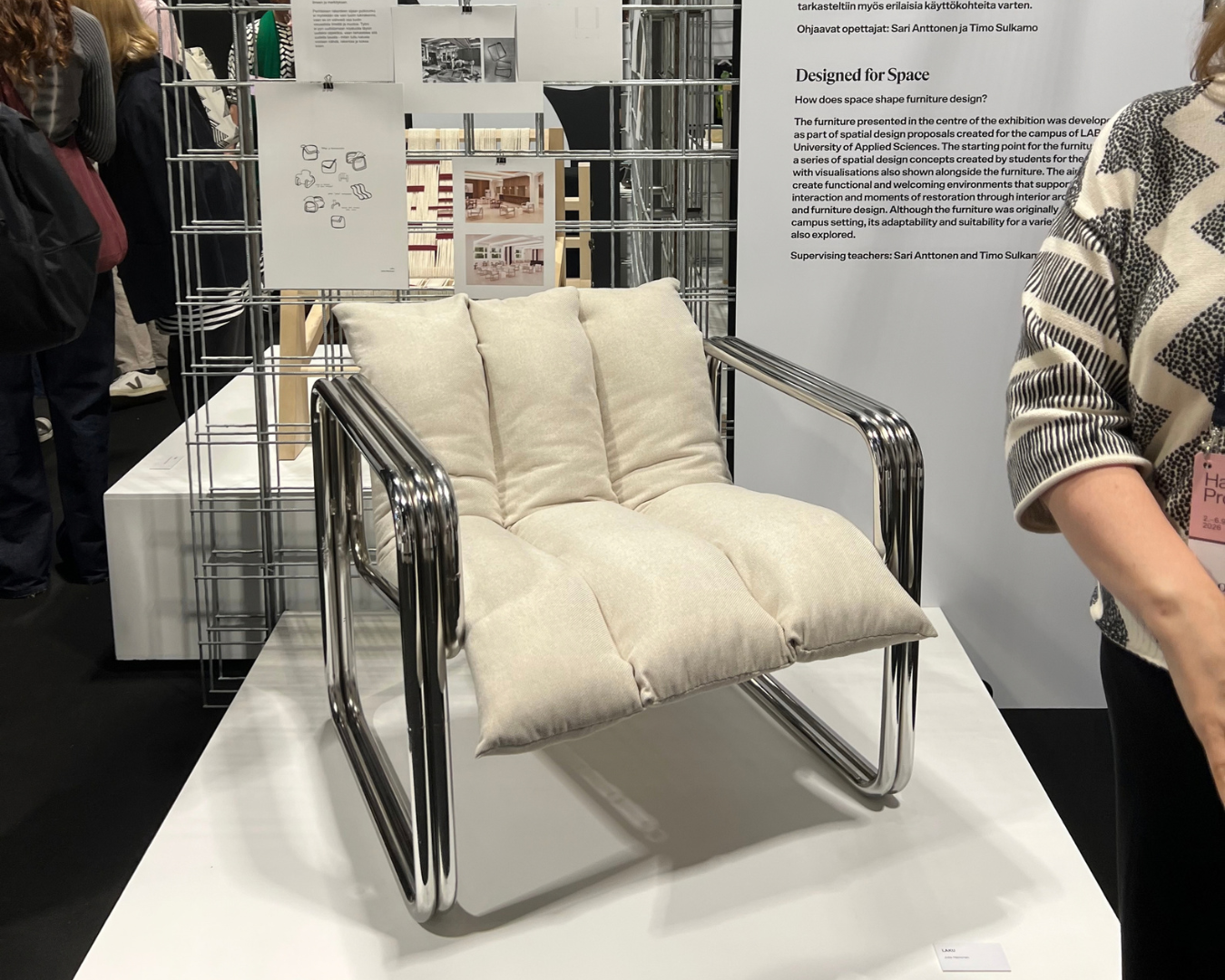
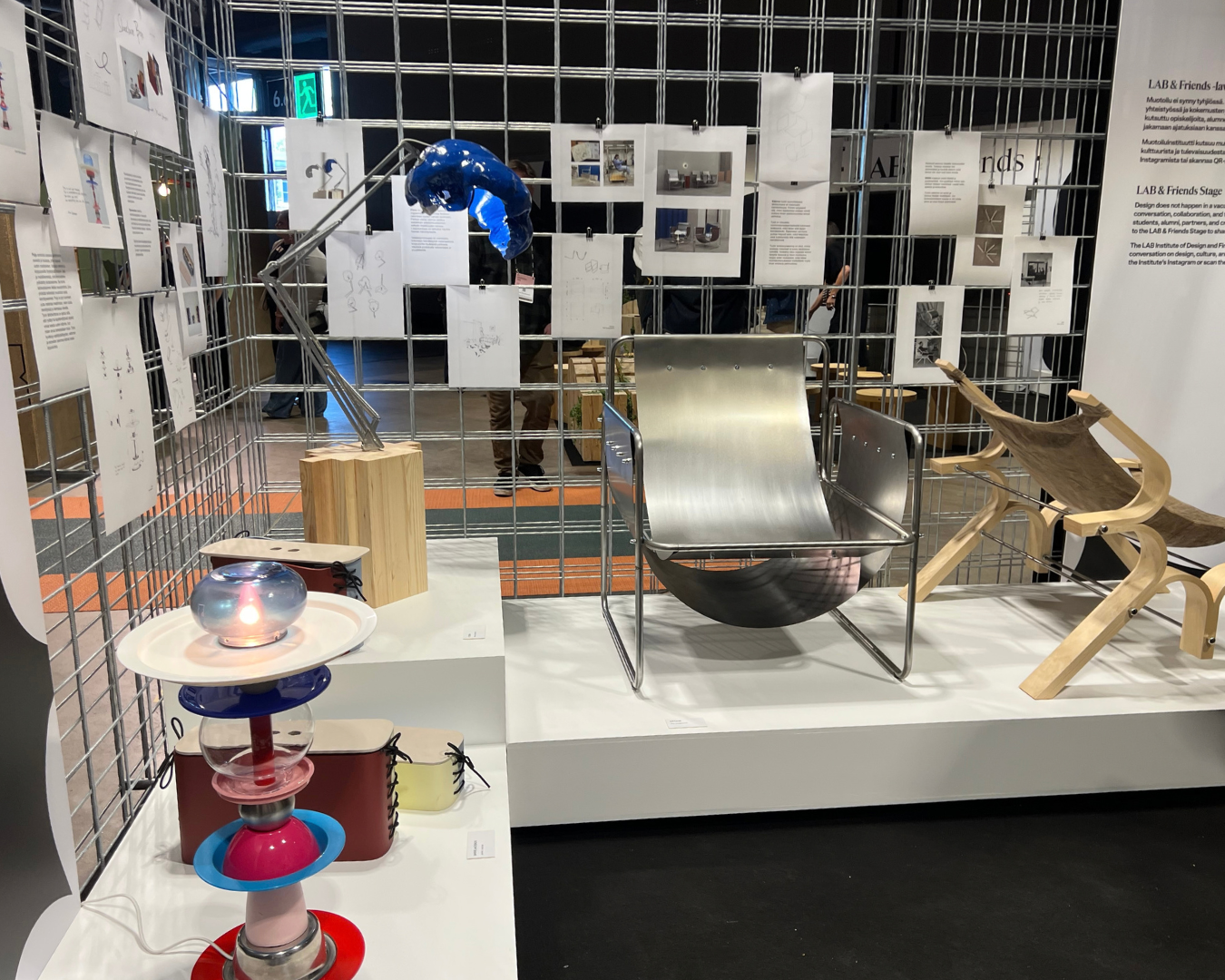
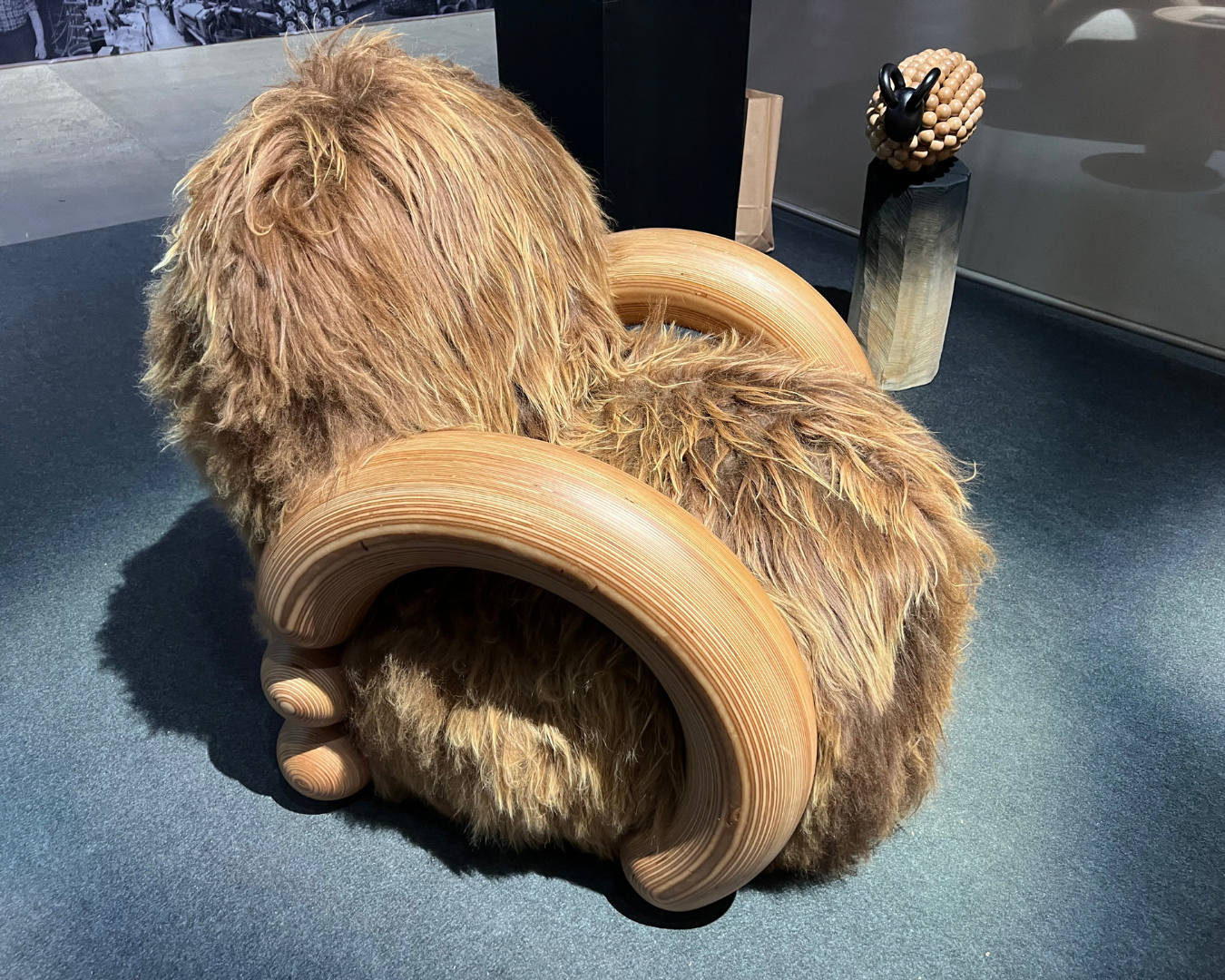
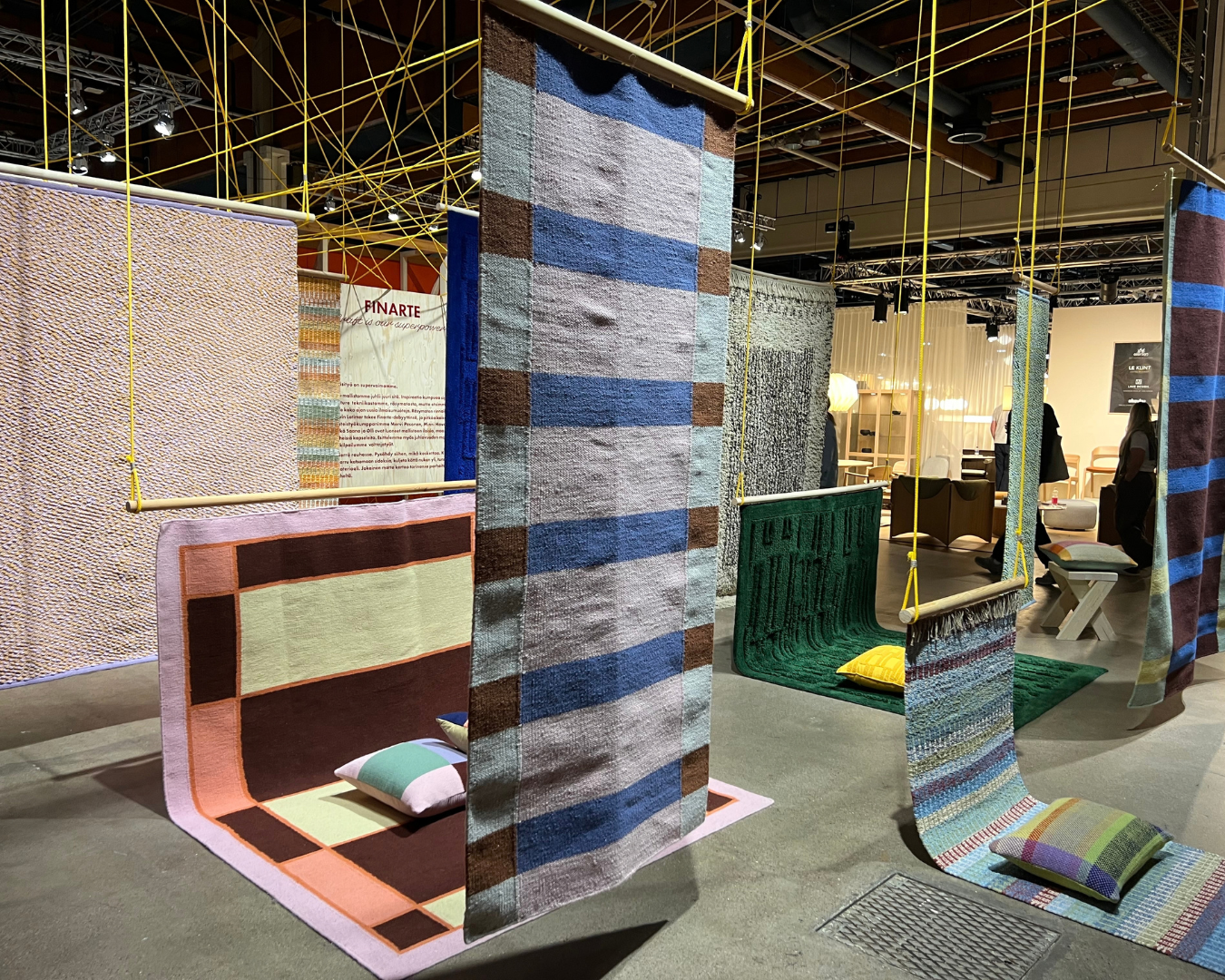
This year’s Habitare theme, “Plot Twists”, aptly reflected the changes visible across the world of Nordic interior design. Alongside strict minimalism, there was more warmth, individuality and bolder use of colour, as well as dark wood, natural materials, craftsmanship, and unexpected combinations of old and new. Timeless, durable and high-quality objects are becoming increasingly important — pieces that can be used in the home for years and that have their own story and character.

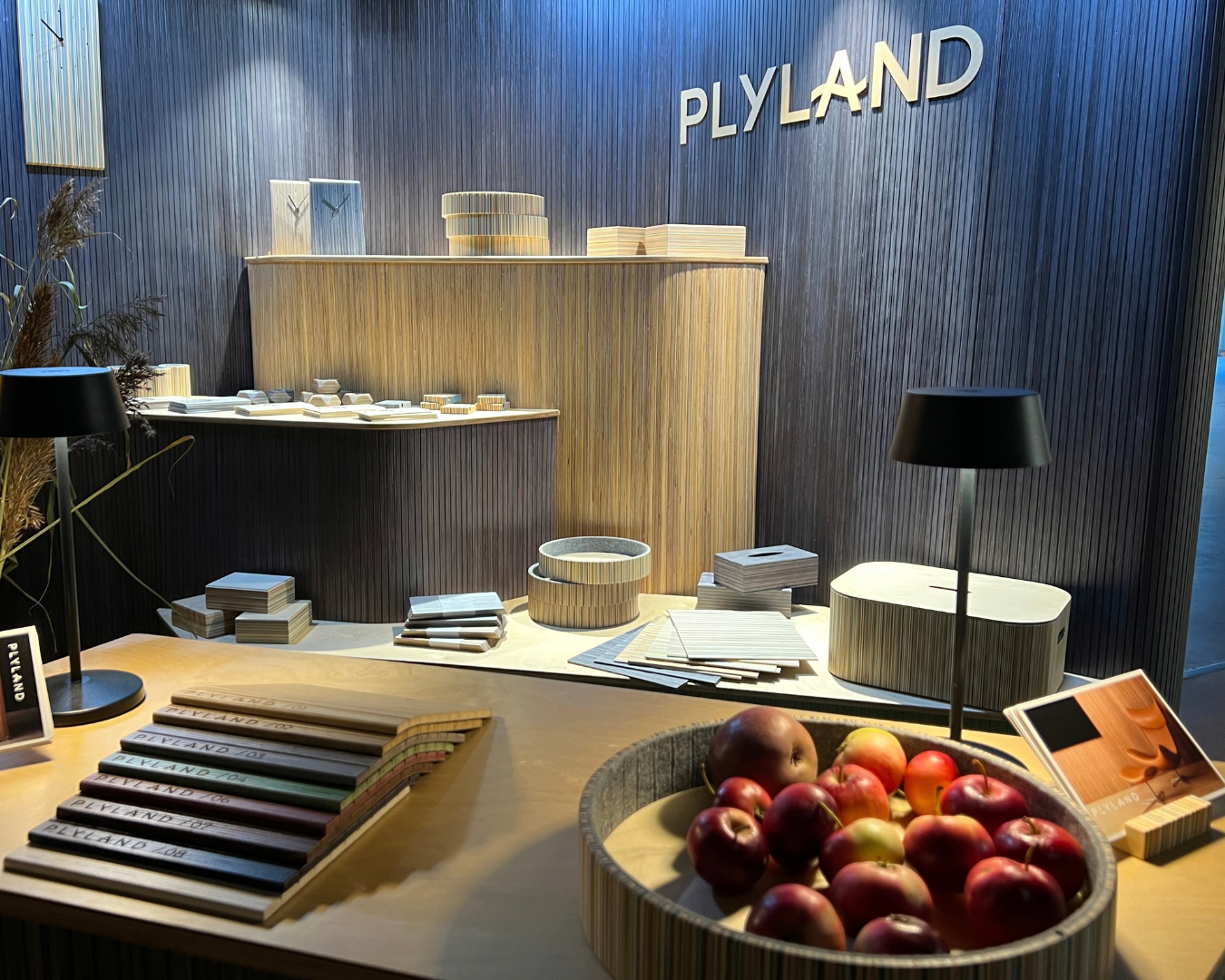
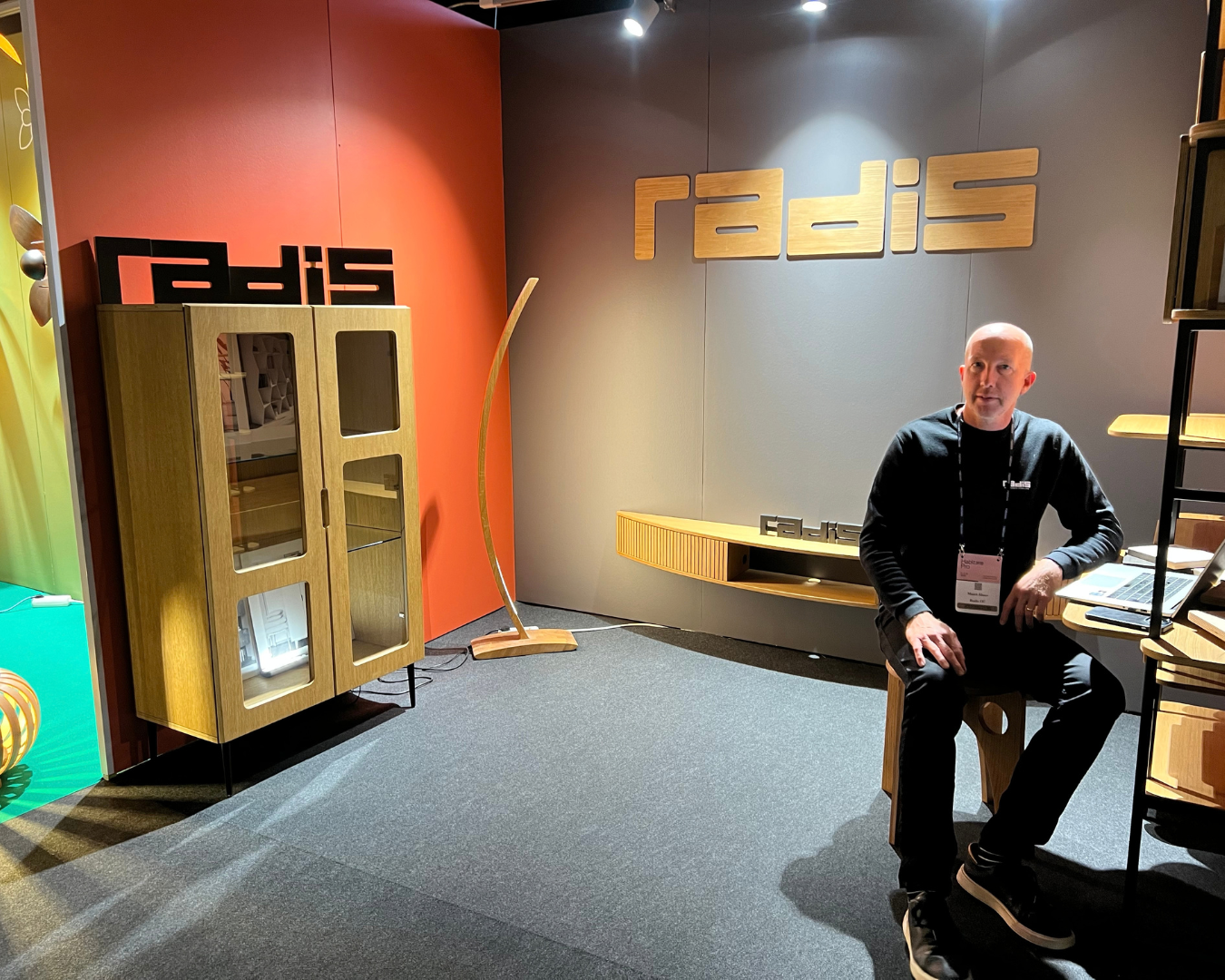
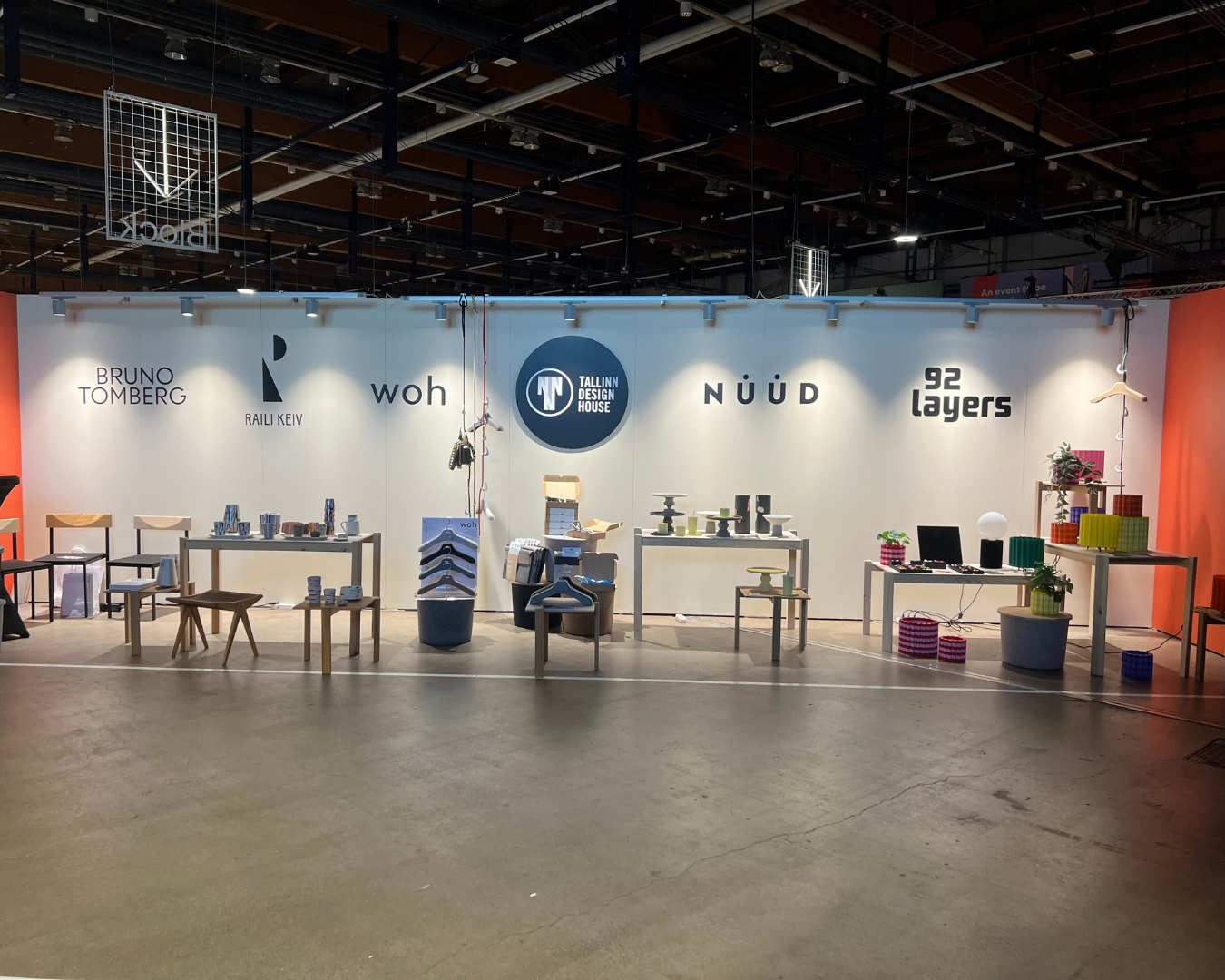
Estonian design was represented at Habitare through both individual brand stands and a joint exhibition by Tallinn Design House. Individual stands featured Radis, uBent and PLYLAND. The Tallinn Design House exhibition presented the work of 92 Layers, Studio Raili Keiv, WOH and NüüD Ceramics.

Radis is a family-owned company based in Tallinn that creates timeless furniture designed to last for generations. Its products, made from sustainably sourced birch plywood, combine thoughtful design, high-quality craftsmanship and everyday functionality.

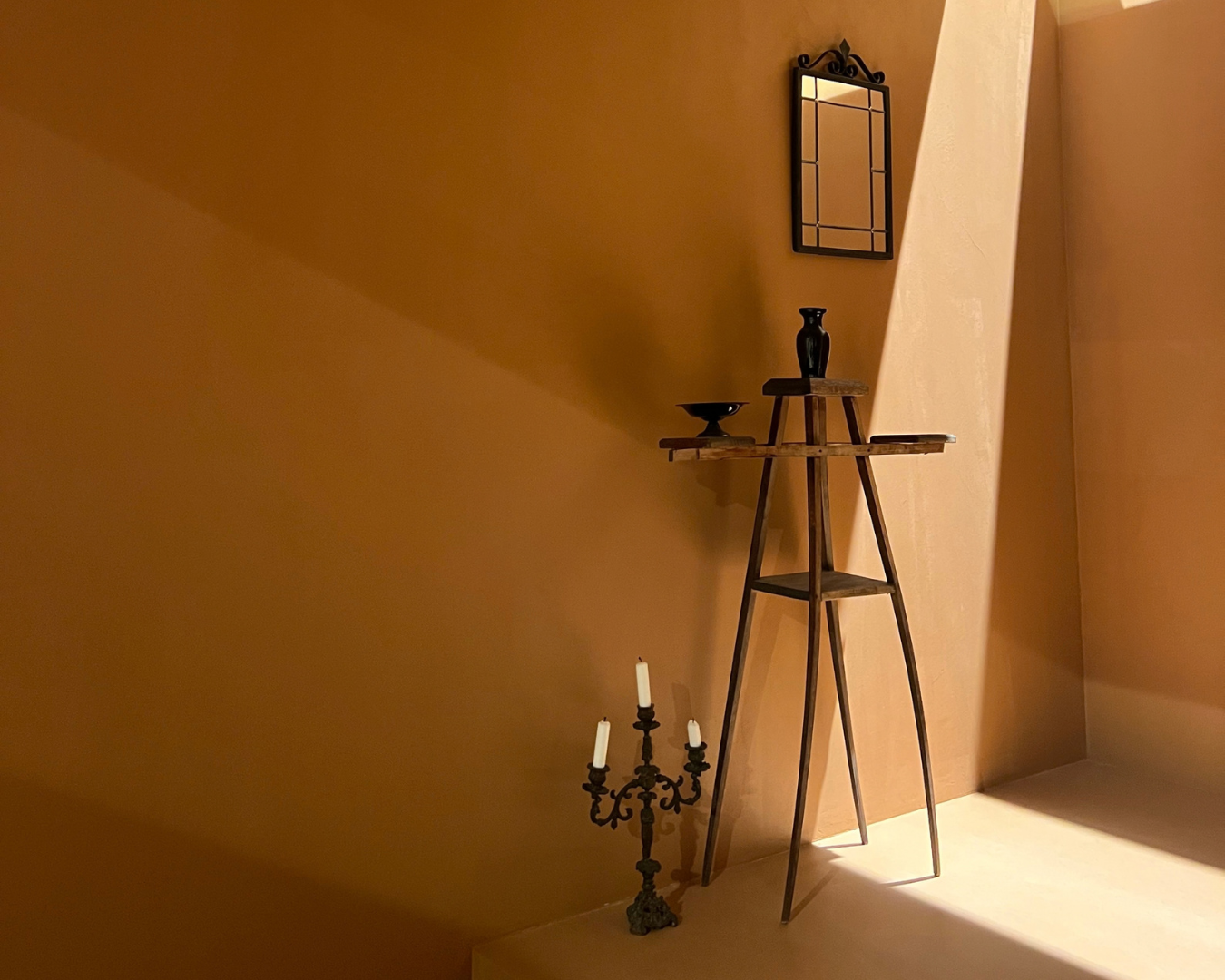
uBent combines the traditional technique of steam-bending wood with contemporary design. Inspired by the natural forms of Estonian forests, its handcrafted pieces bring flowing shapes, strong lines and warmth to interiors.

PLYLAND transforms Nordic birch plywood into colourful and playful designs. The brand’s interior accessories and lifestyle products combine practicality, craftsmanship and longevity.


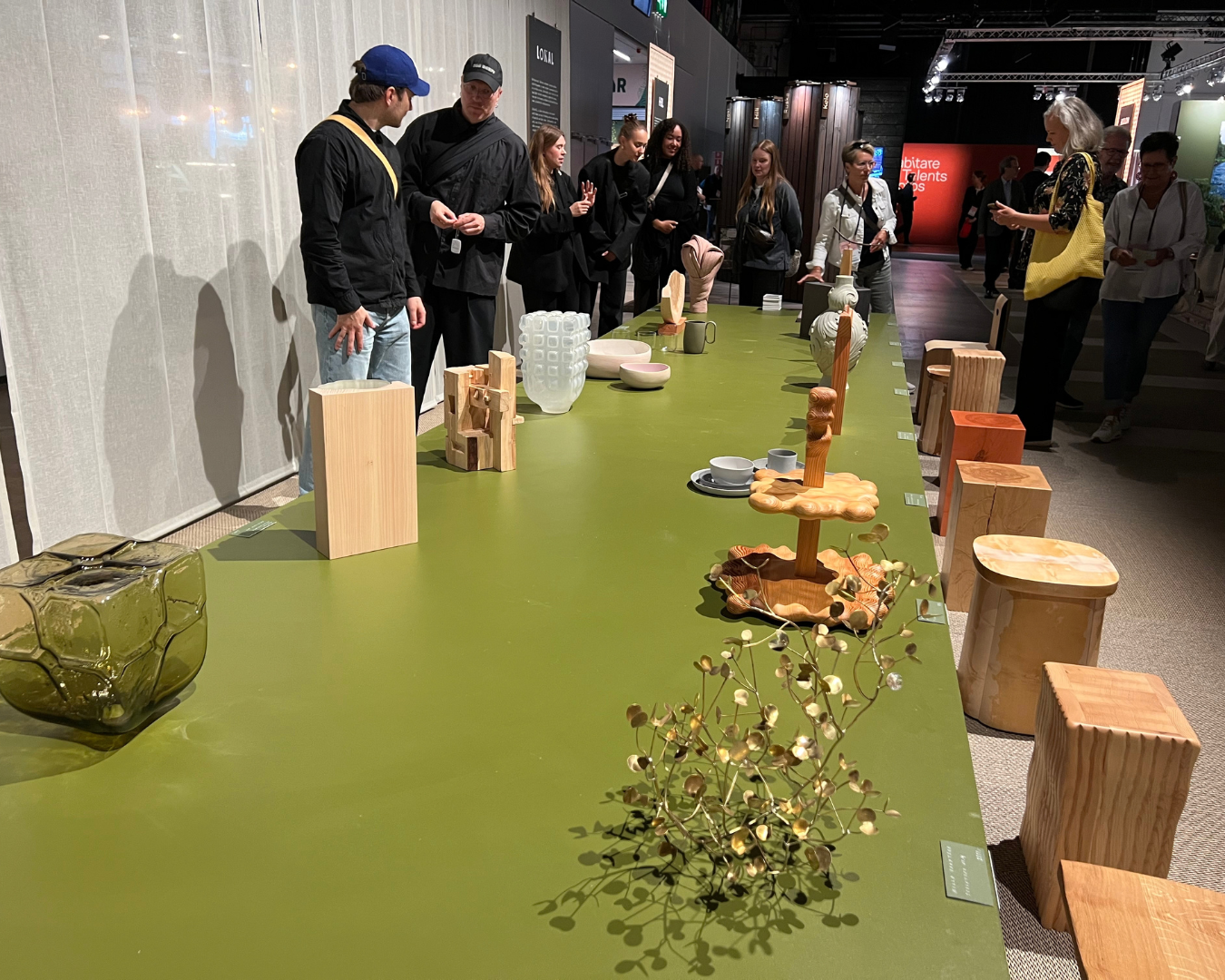
The joint Tallinn Design House area featured a selection of the best in Estonian interior design. 92 Layers brought its distinctive mood lights and interior accessories to the fair, combining bold colours inspired by the 1960s and 1970s, soft forms and contemporary design.

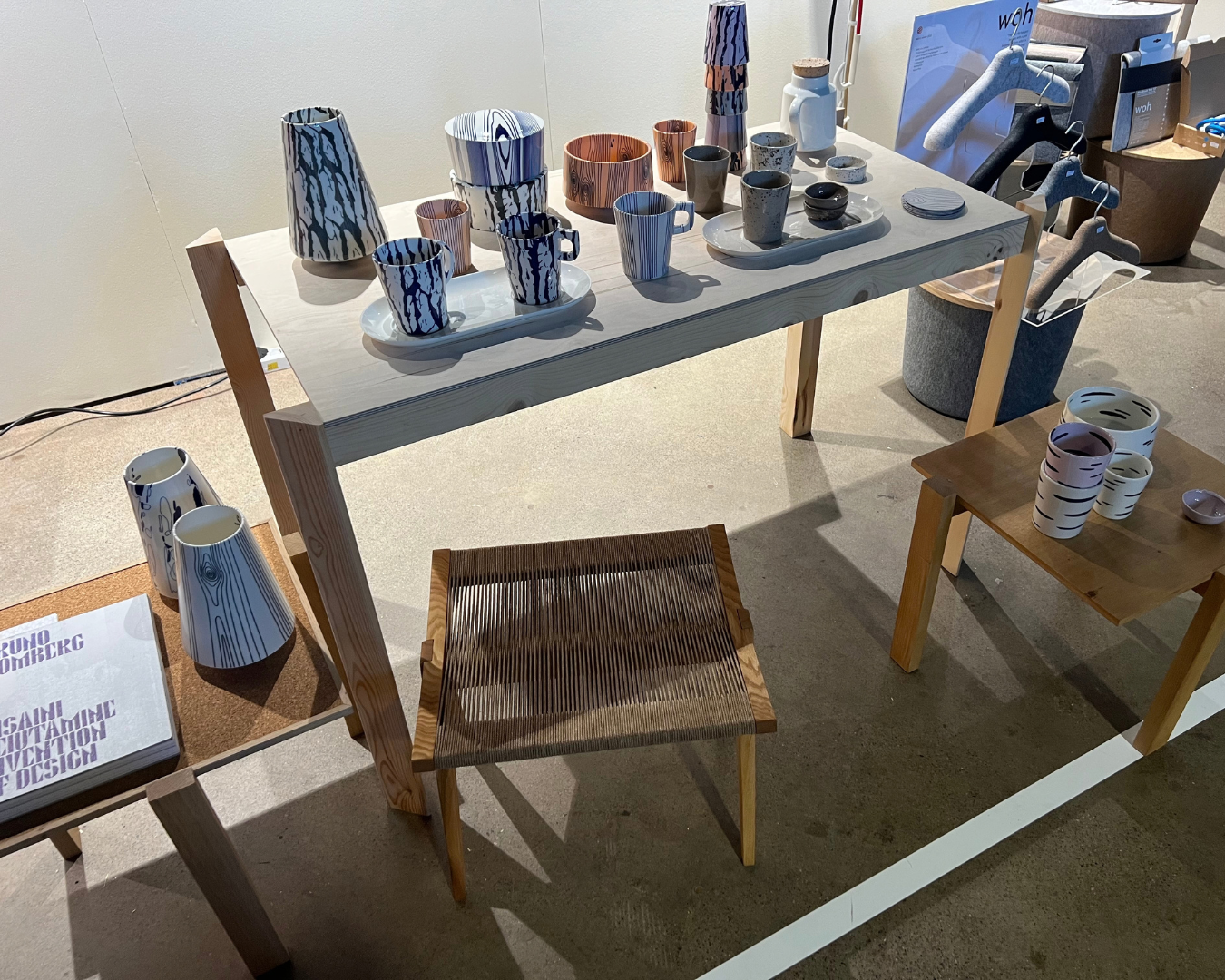
Studio Raili Keiv presented porcelain and ceramic design created at the intersection of functional minimalism and experimentation. The studio’s pieces, designed and made in Estonia, combine ease of use with considered aesthetics. Its latest collection is dedicated to coffee and everyday coffee rituals.

WOH introduced home accessories that combine Nordic design with conscious production. The brand’s well-known WOH Hanger Set is made from recycled PET fibres and helps extend the life of garments while also serving as a practical and minimalist interior element.

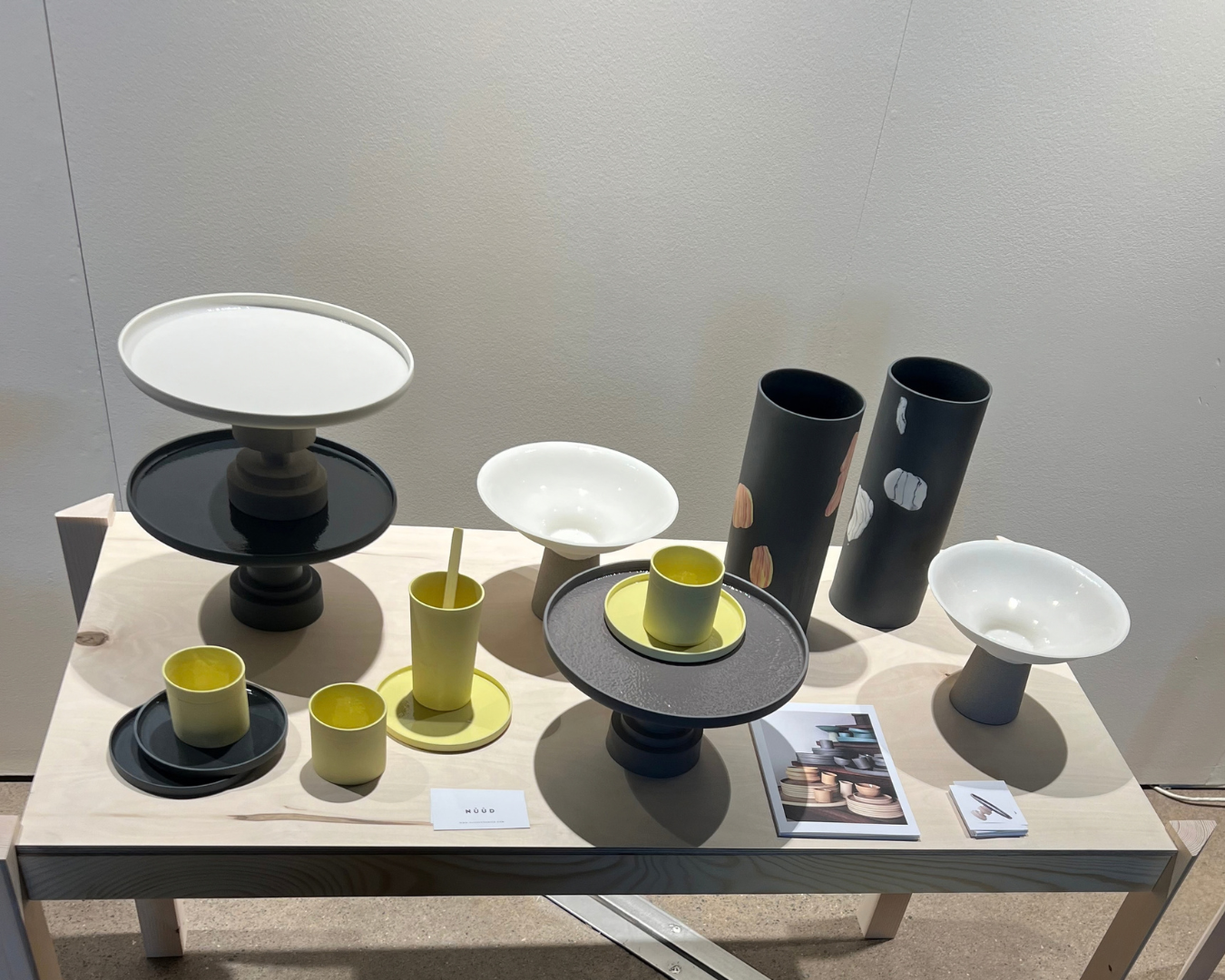
NüüD Ceramics is an Estonian ceramics studio creating handmade tableware and interior objects from colourful porcelain. Designer Mariana Laane’s work brings together form, space and material, combining porcelain with concrete and other ceramic materials.

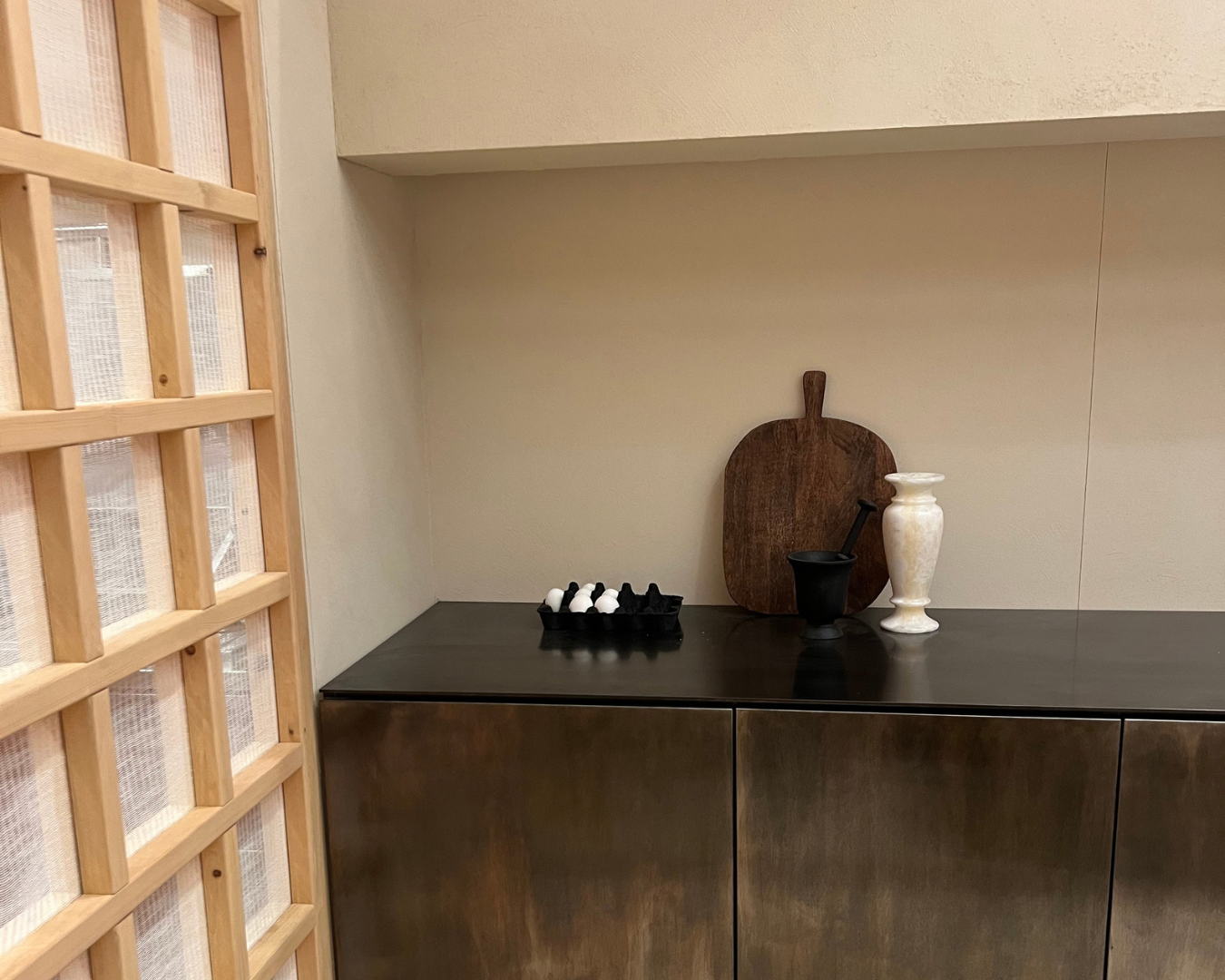
The designers’ products at the Tallinn Design House joint exhibition were displayed on furniture designed by Bruno Tomberg. The clear visual language and functional approach of one of Estonia’s most influential designers provided a distinguished framework for the exhibition, naturally bringing Estonia’s design heritage together with contemporary design. The furniture, made in Estonia, gave the joint area a cohesive appearance and demonstrated how Tomberg’s timelessly contemporary work continues to resonate in today’s interiors.
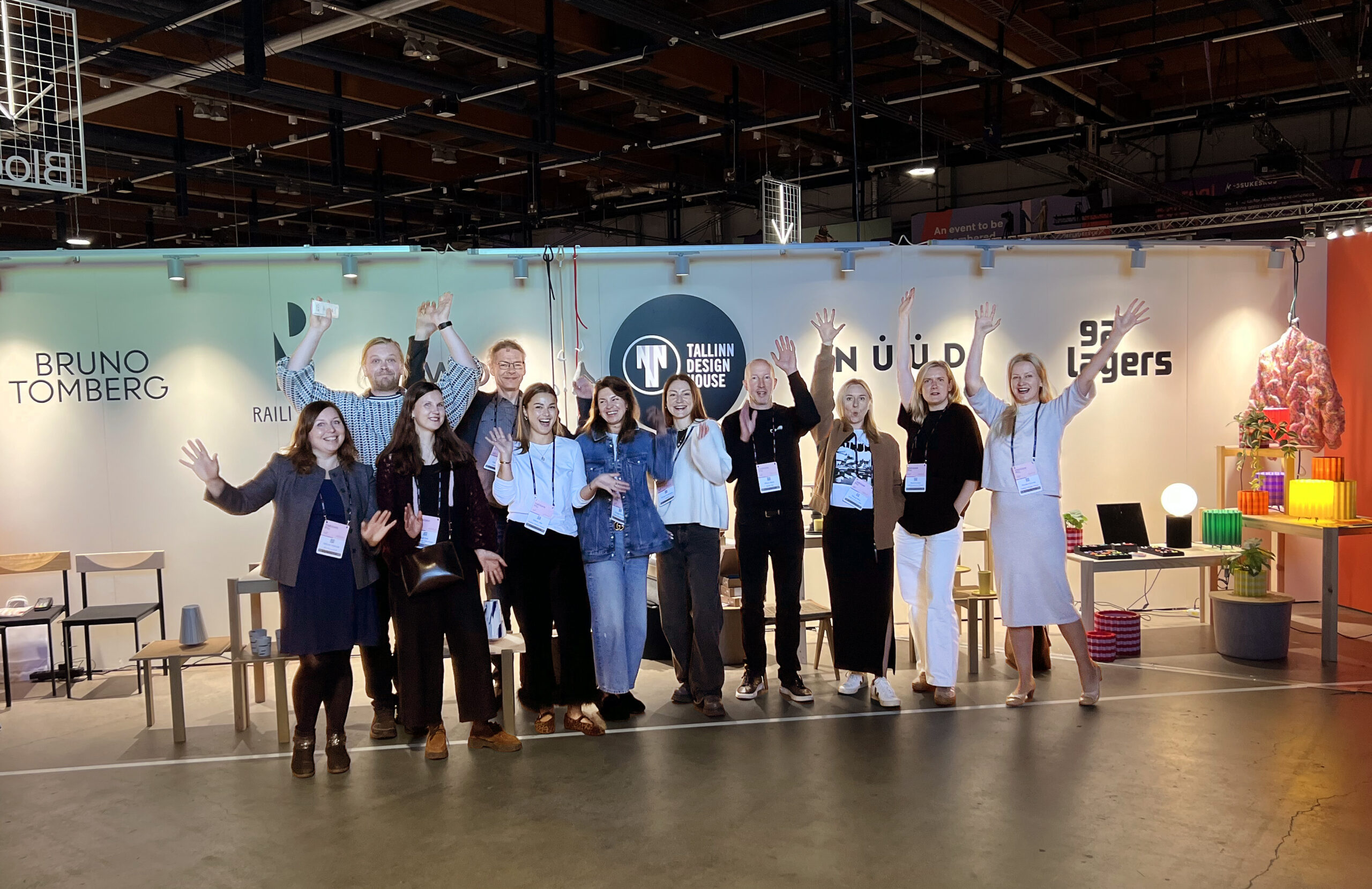
 

In addition to Estonian design, visitors to the Tallinn Design House stand had the opportunity to discover Estonian beverage culture. Punch Club, Honest Nektar, Nudist, Ervita and Lumiorav products were available for tasting, including non-alcoholic cocktails and cider, sparkling honey drink, blueberry juice and magnesium water.

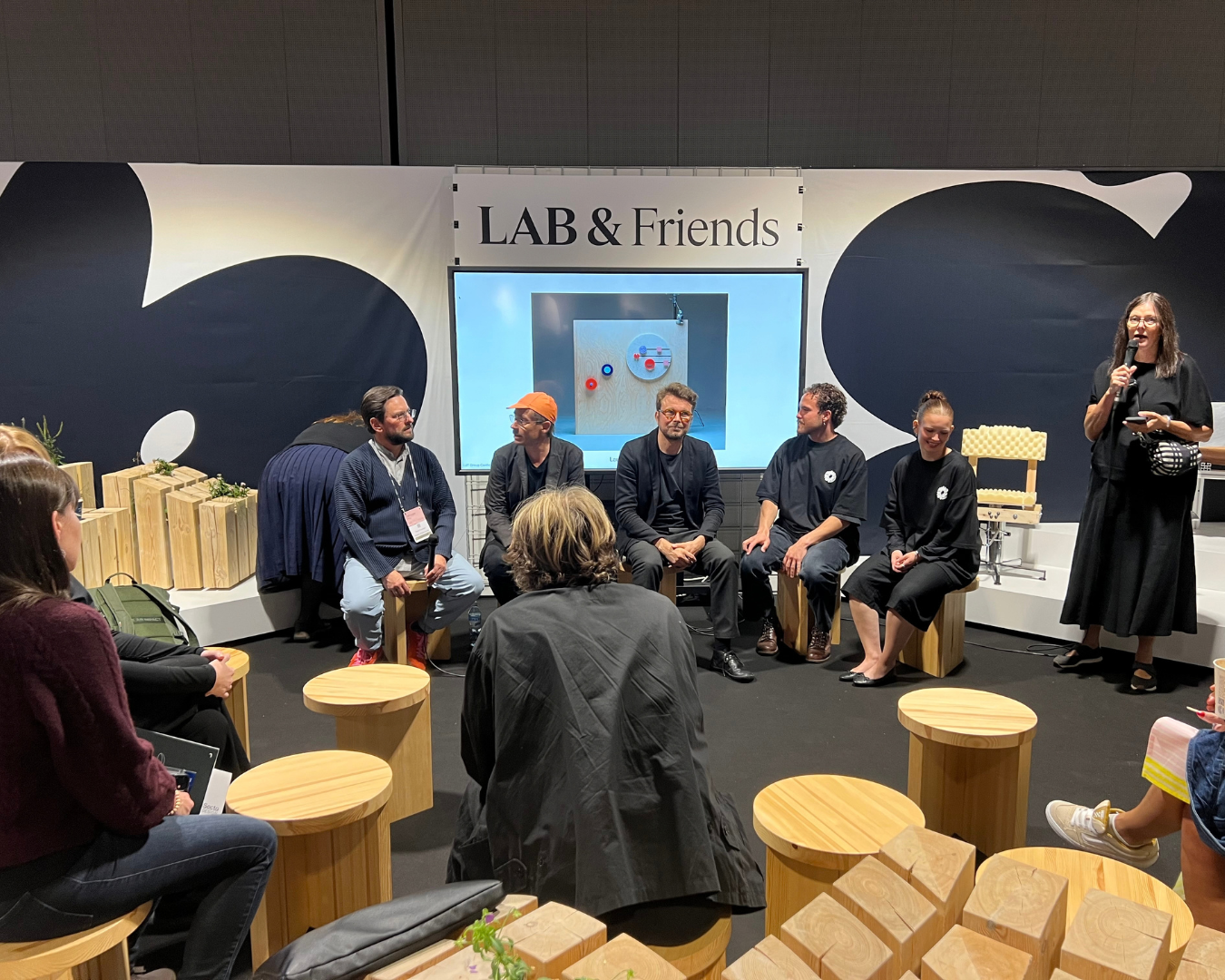
Over the course of five days, Estonian designers and brands had the opportunity to introduce their work to the Finnish audience, exchange ideas with other industry professionals, and explore Habitare’s diverse programme and exhibitions. This year’s fair provided a valuable opportunity to observe the trends currently resonating in Nordic design — with individuality, natural materials, craftsmanship and timeless objects that are built to last and carry their own story increasingly valued.

“Habitare is a great place for Estonian design to test itself on the international stage. It was a pleasure to see that our design attracted attention and sparked interest among both local design enthusiasts and industry professionals,” said Monika Pärnsalu, Project Manager at the Tallinn Business Incubator.

Margot Vaaderpass, founder of WOH, was also very pleased with the brand’s participation and commented: “This time, the WOH products that attracted the most interest from Habitare visitors were the Rope Coat Rack with its rope suspension and the clothes hangers. Interestingly, I found a potential WOH reseller not among the visitors, but among the exhibitors themselves. Environmentally conscious solutions remain firmly in focus, and several works stood out for their thoughtful and resource-efficient use of materials. The conversations with local designers and design enthusiasts were particularly valuable, providing a great opportunity to exchange ideas and gain a better understanding of what is happening in the Finnish design scene.”

This year’s Estonian design exhibition at Habitare once again demonstrated that the work of Estonian designers is of interest to the Finnish audience and resonates through its diversity, quality and distinctive character. Habitare provided a valuable opportunity to establish new contacts, receive feedback and introduce Estonian design more broadly to the Nordic market. We hope to continue representing Estonian design at Habitare in the future and to further develop these contacts and opportunities for cooperation.