HANNES RÜÜTEL – a Modern Signature & a Nostalgic Soul

HANNES RÜÜTEL – a Modern Signature & a Nostalgic Soul

24.09.2026

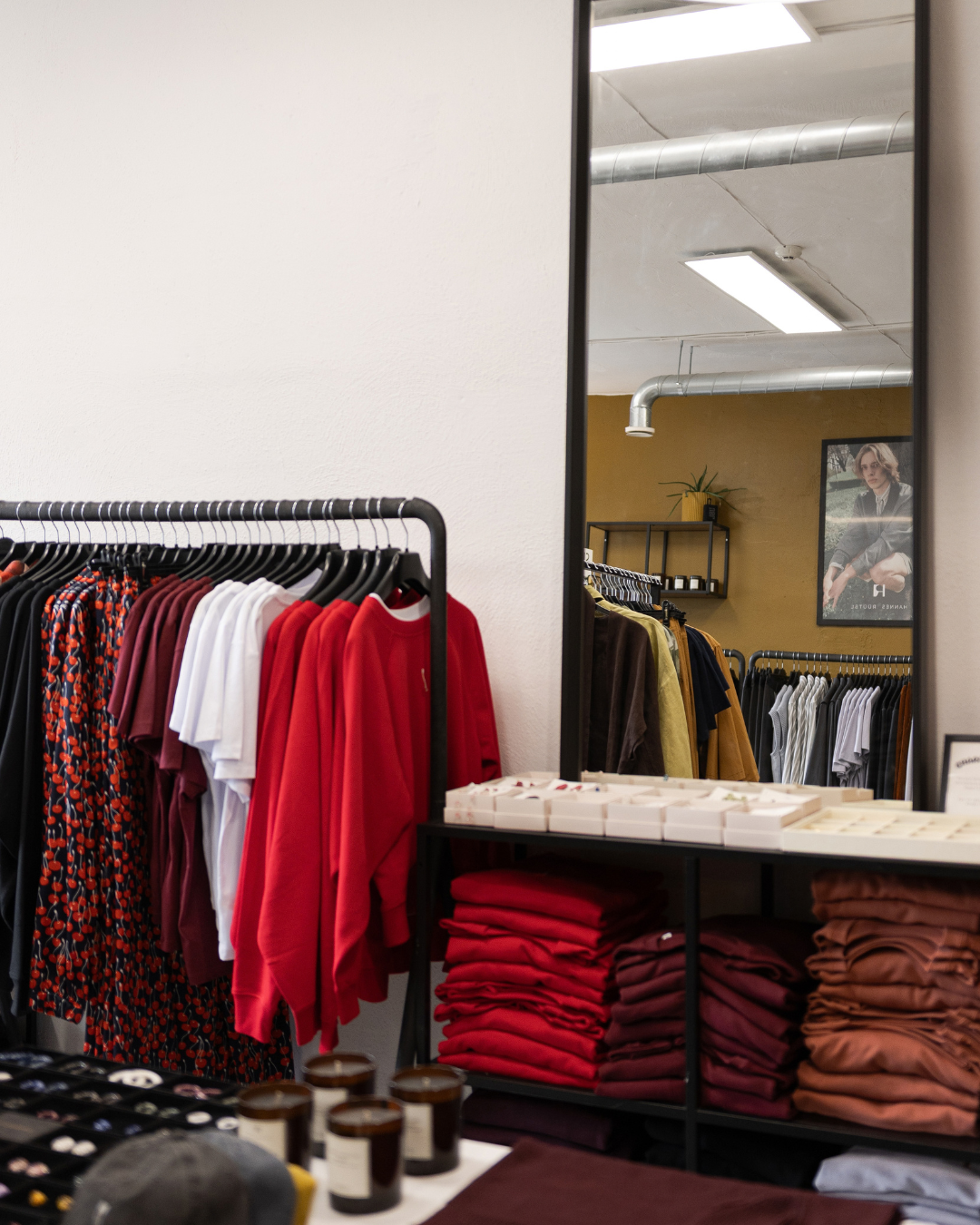
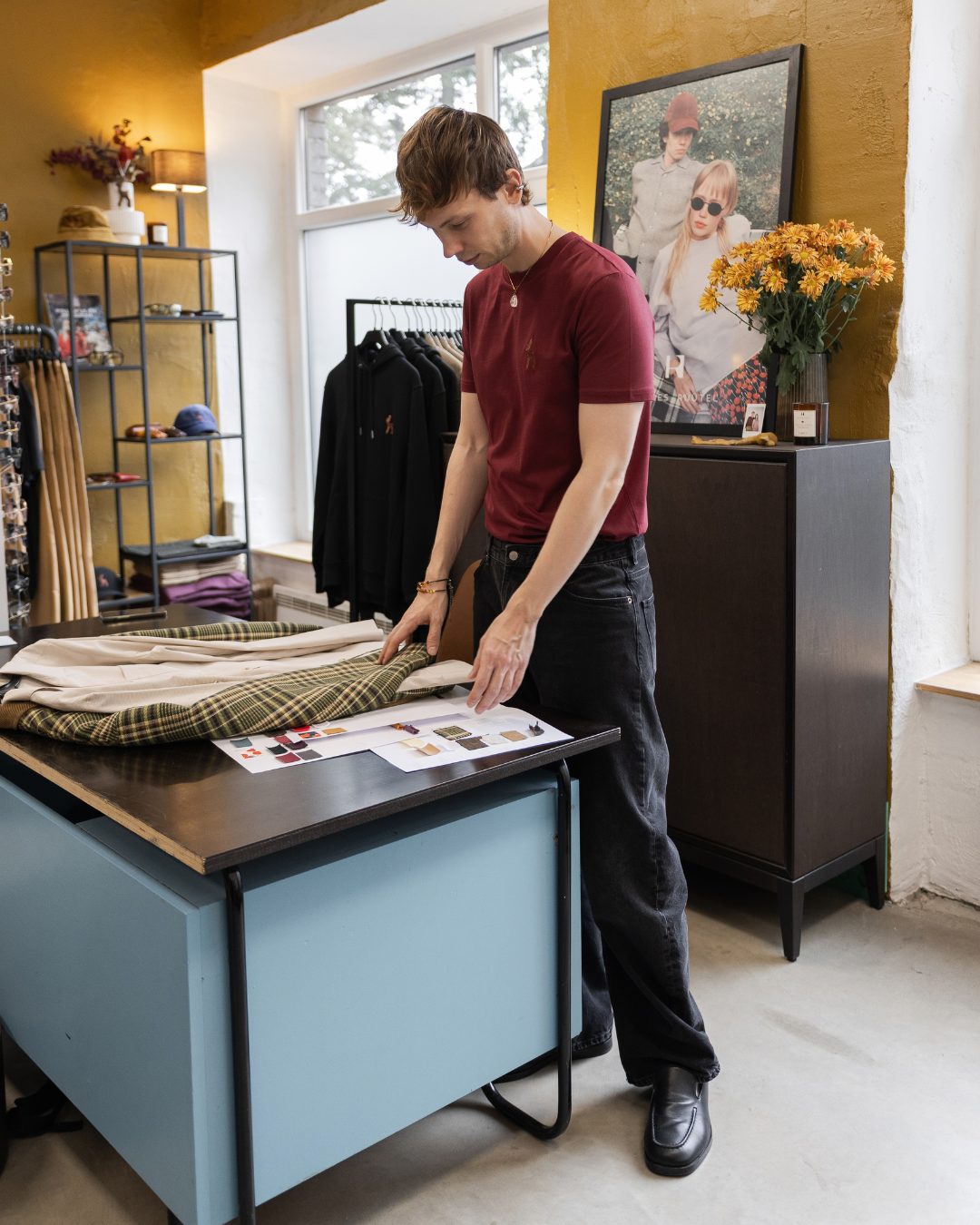
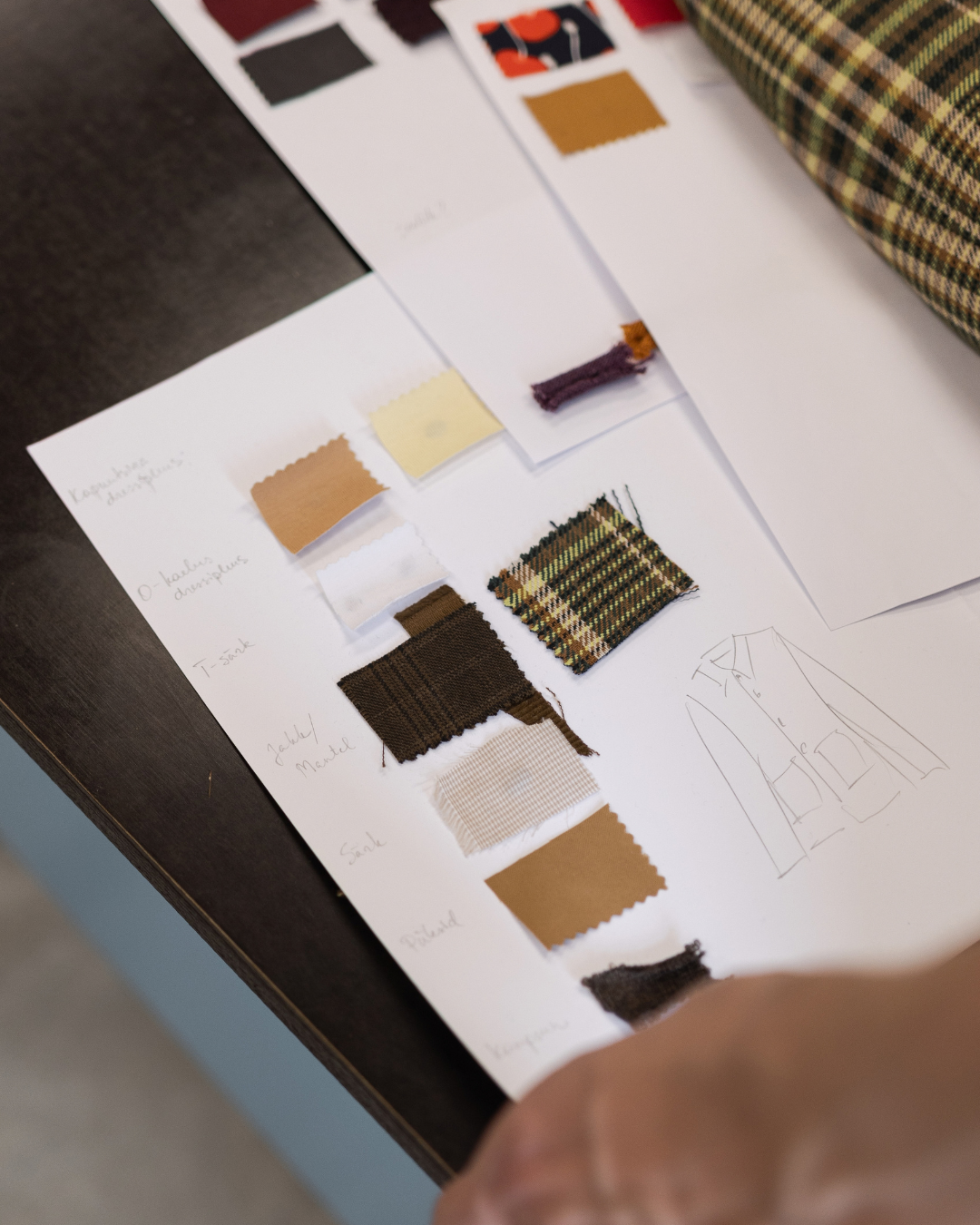
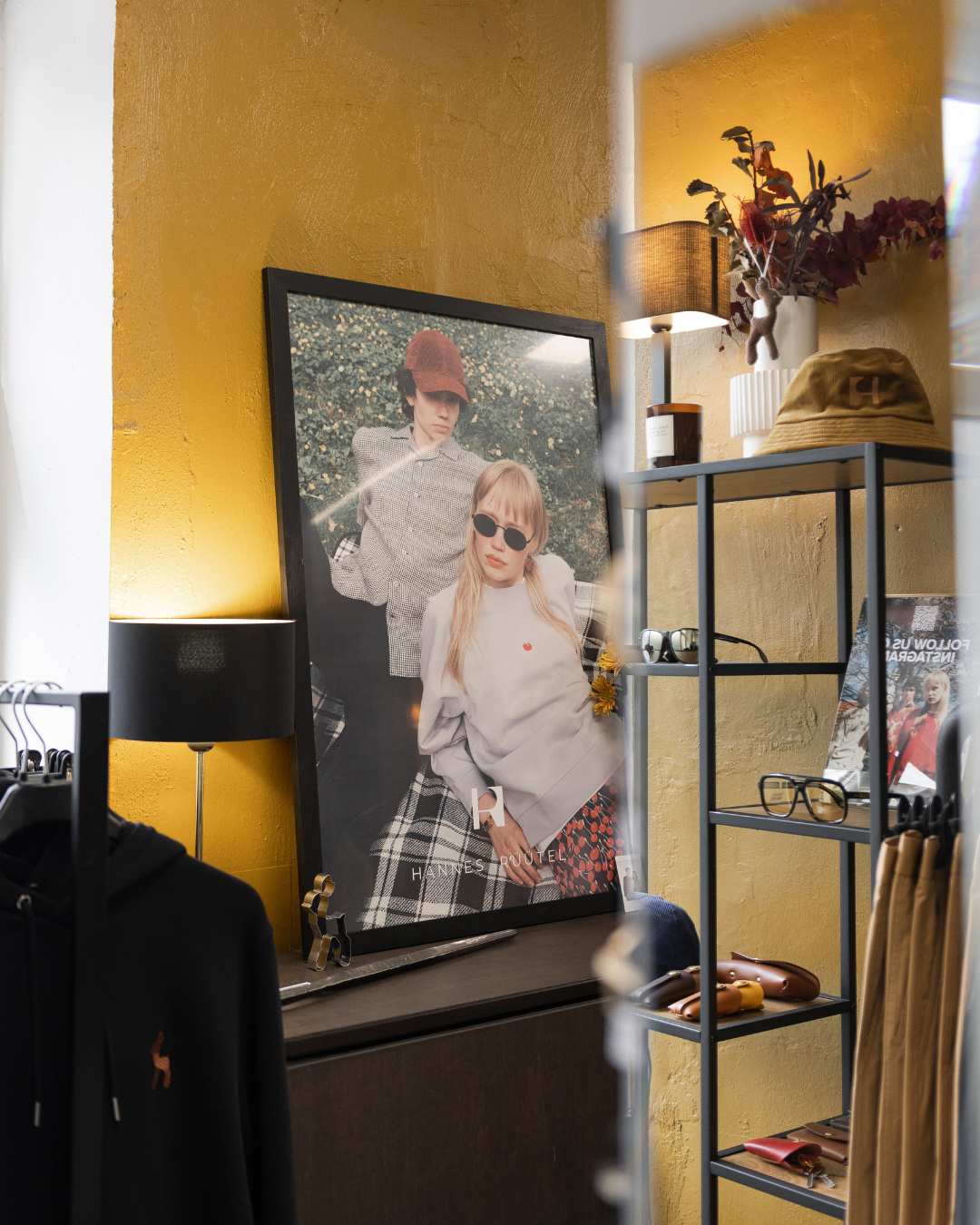
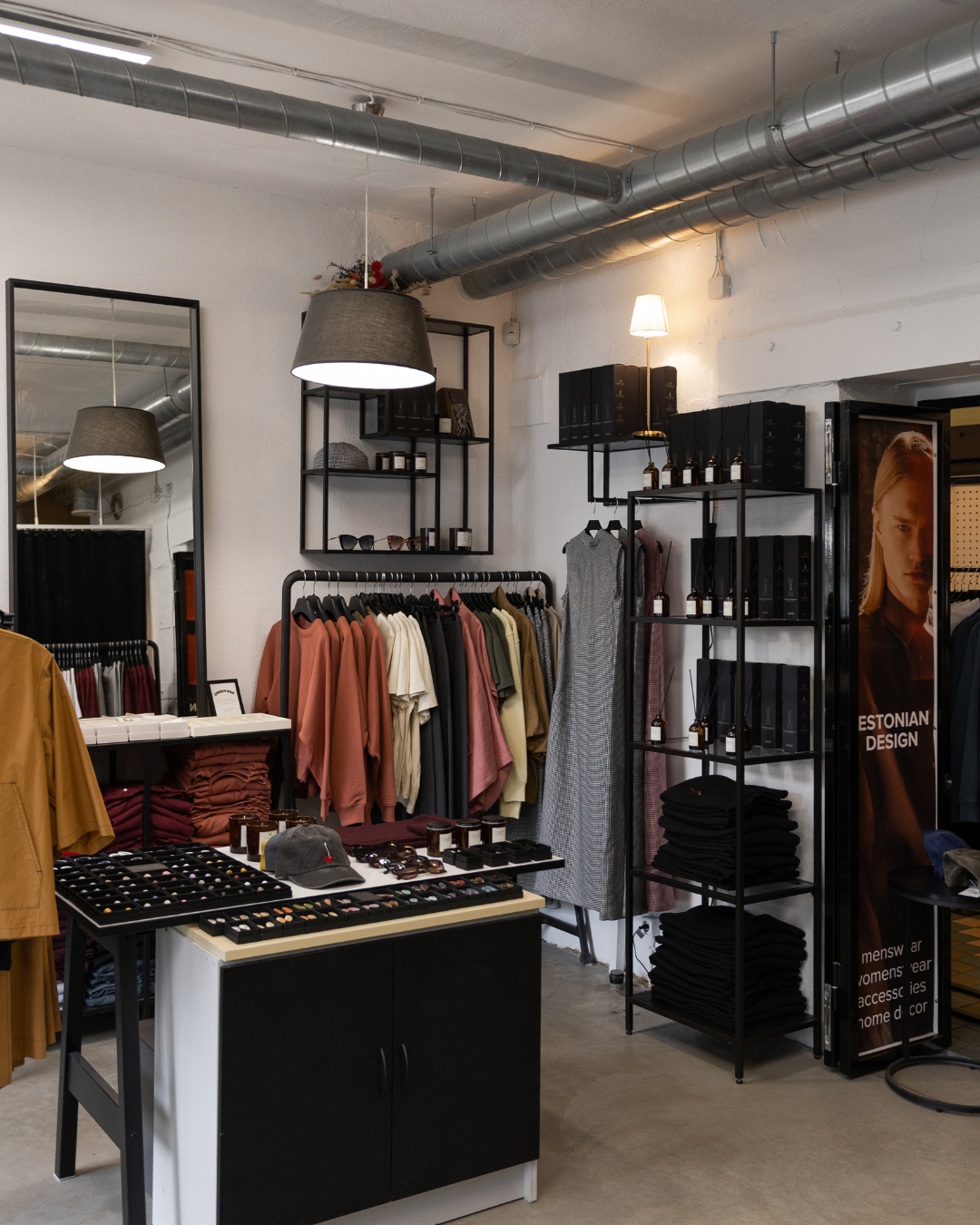
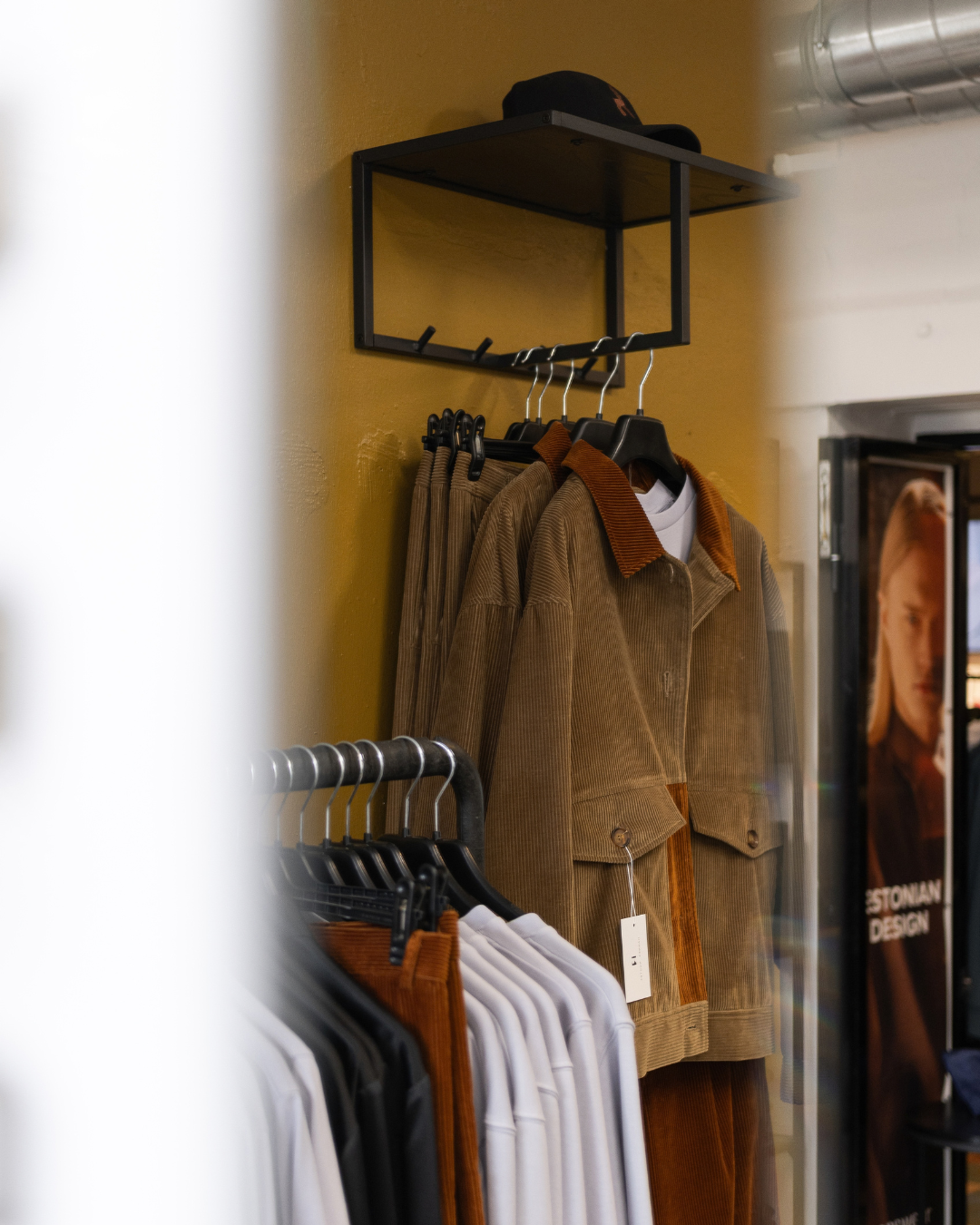
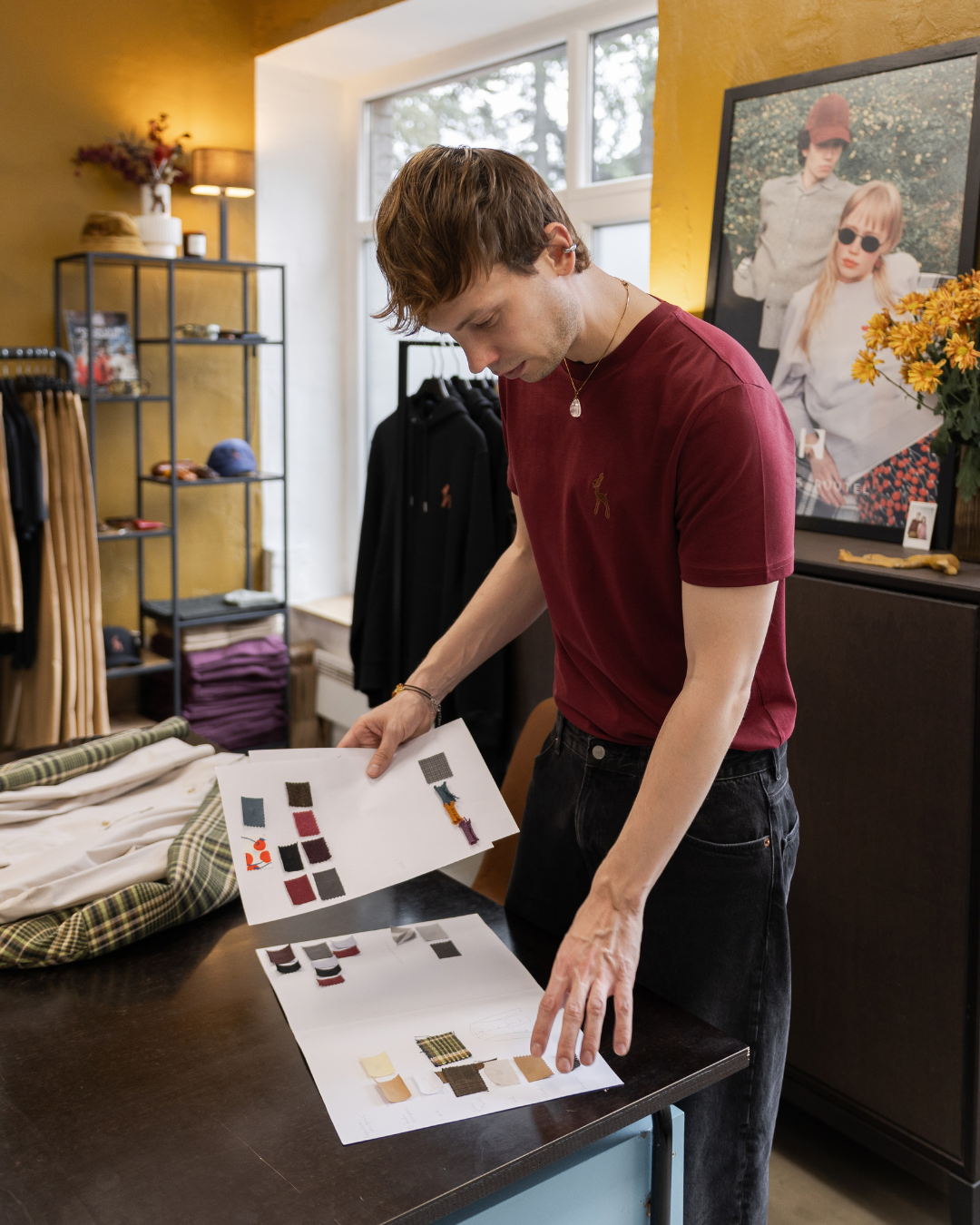
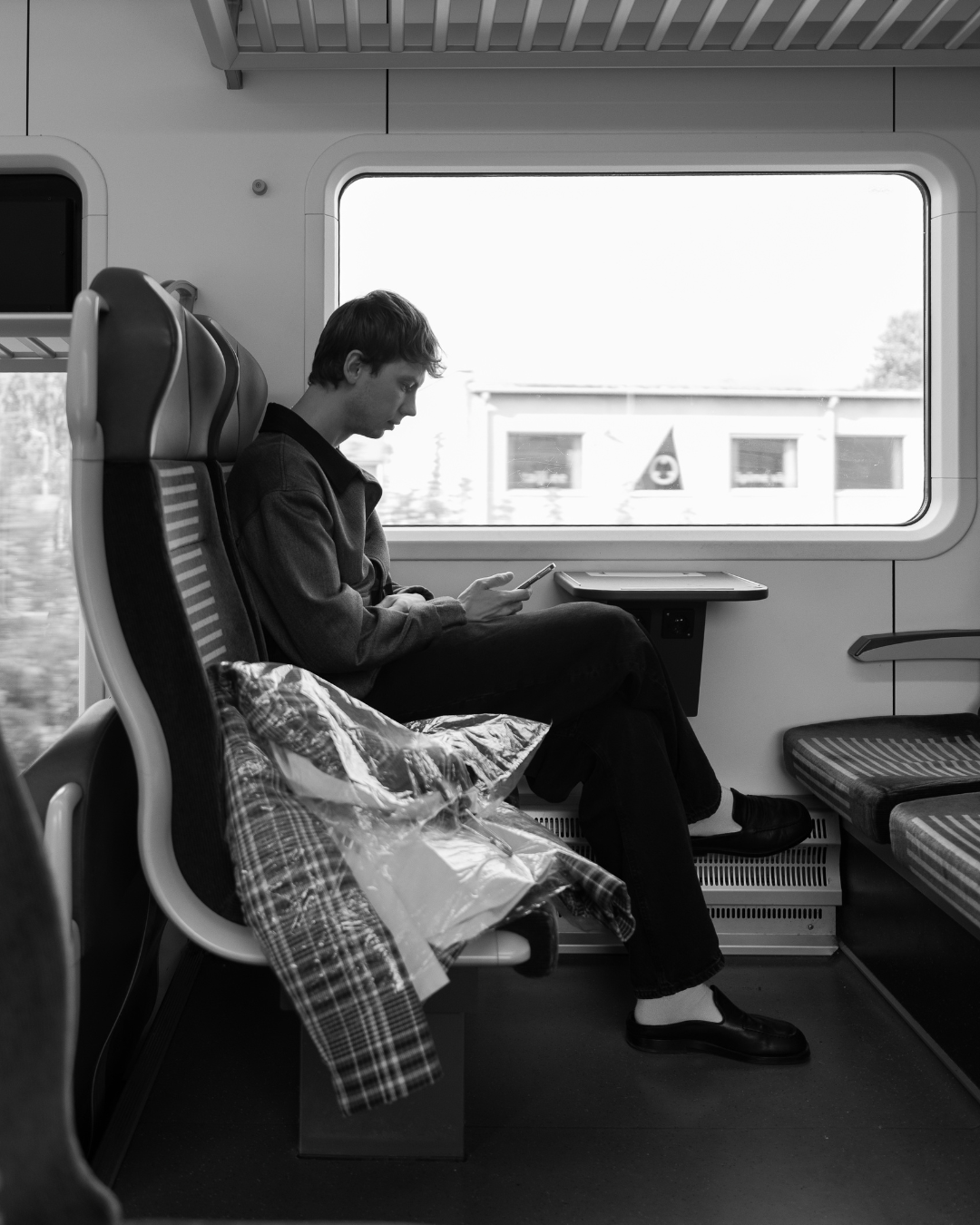
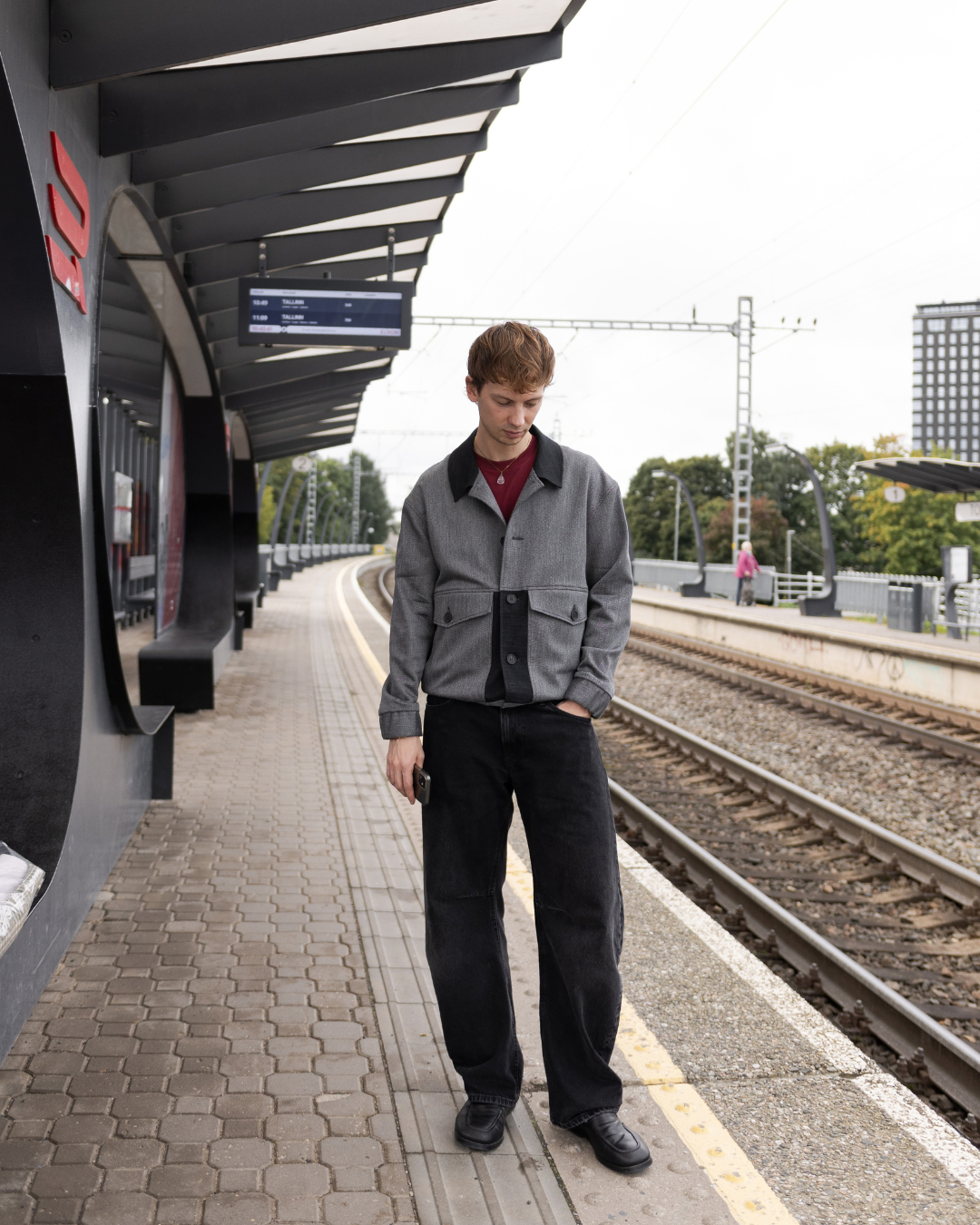
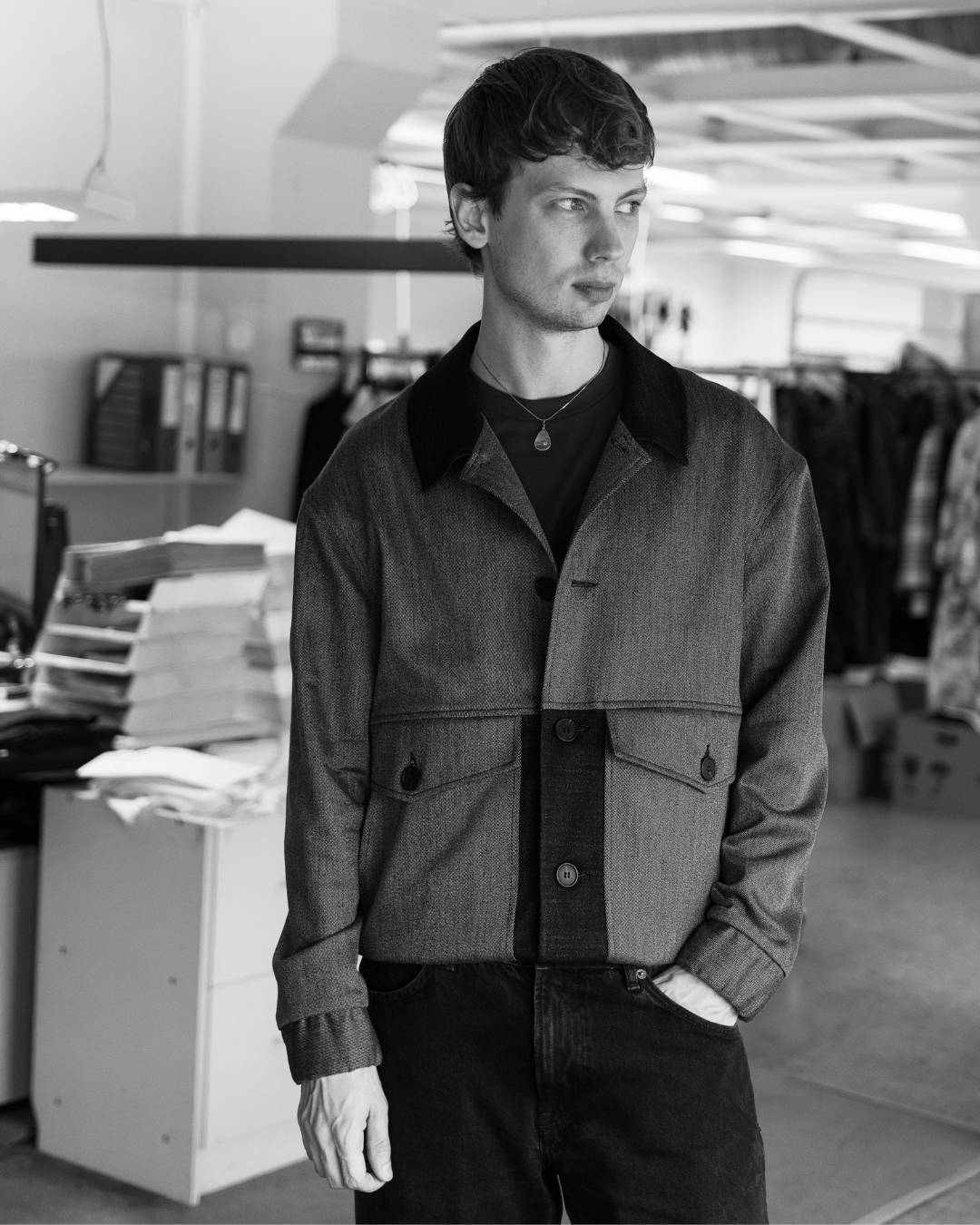
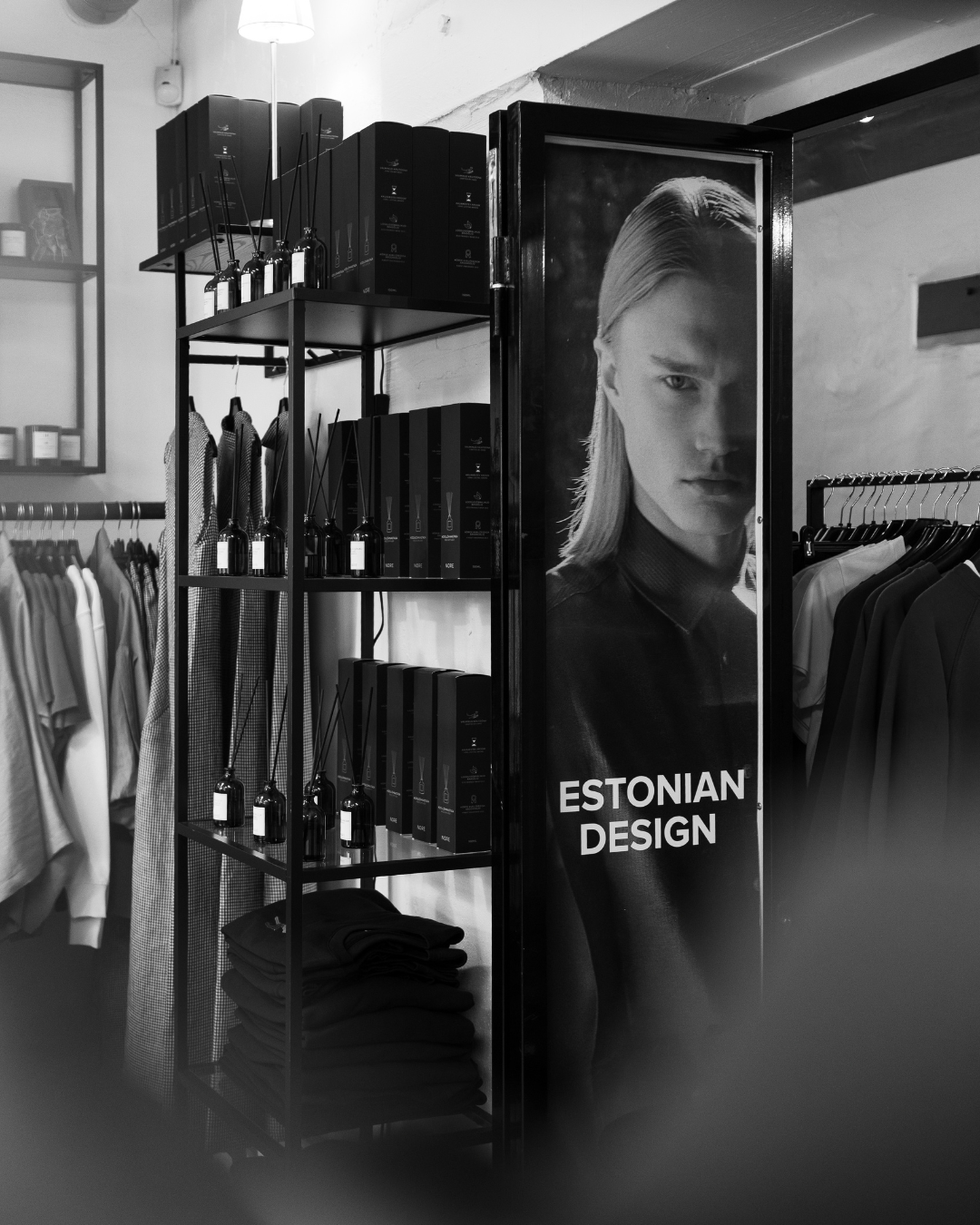
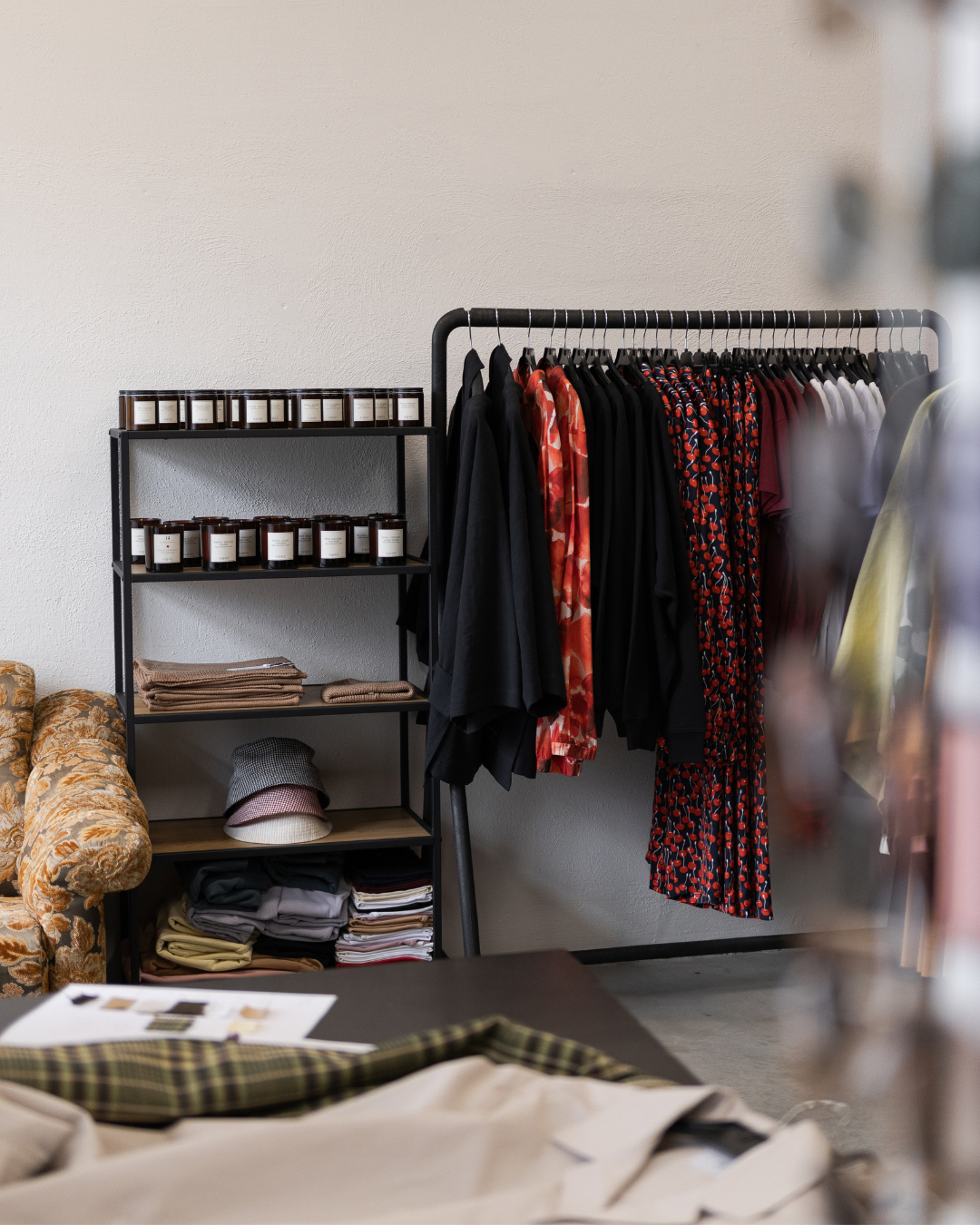
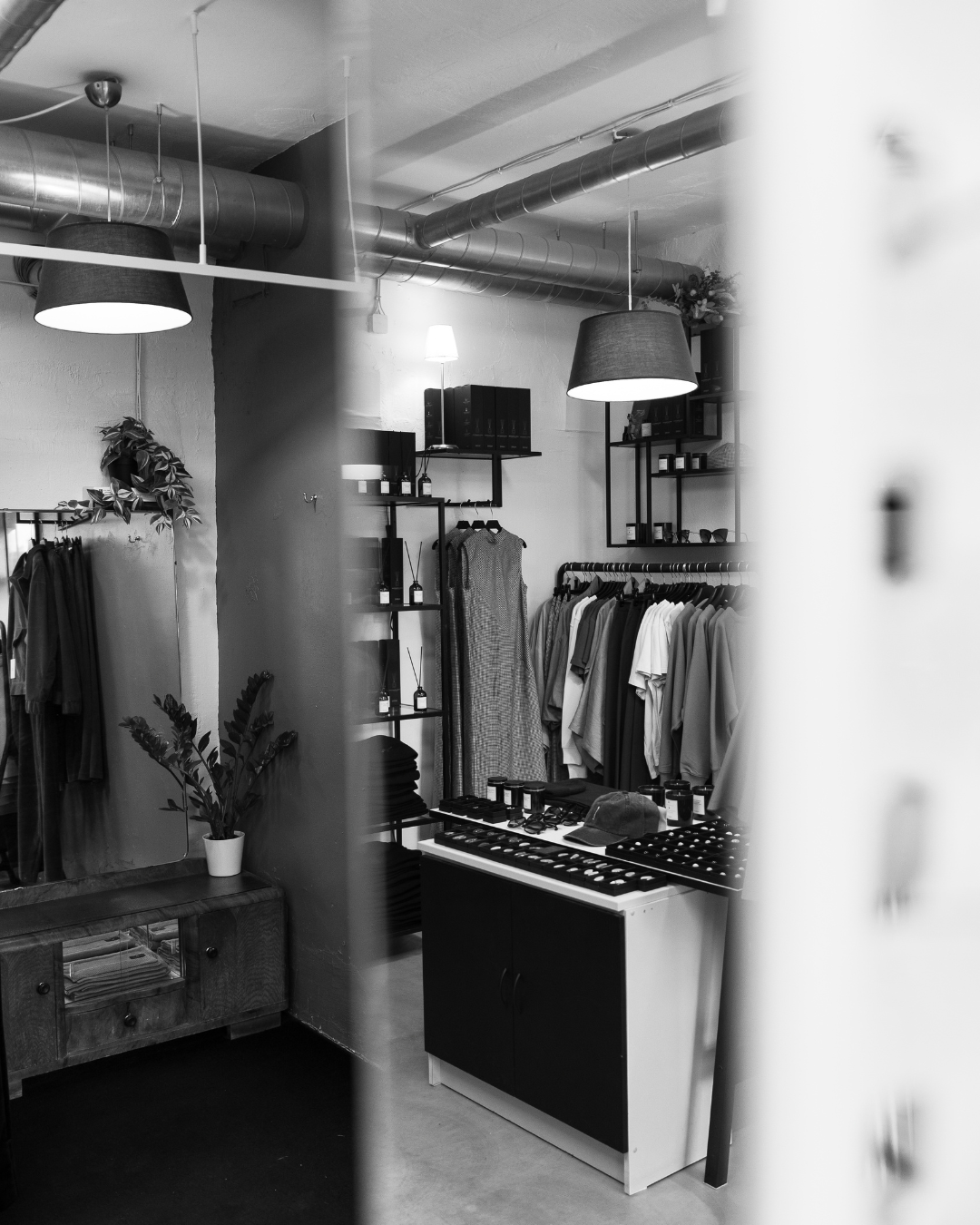
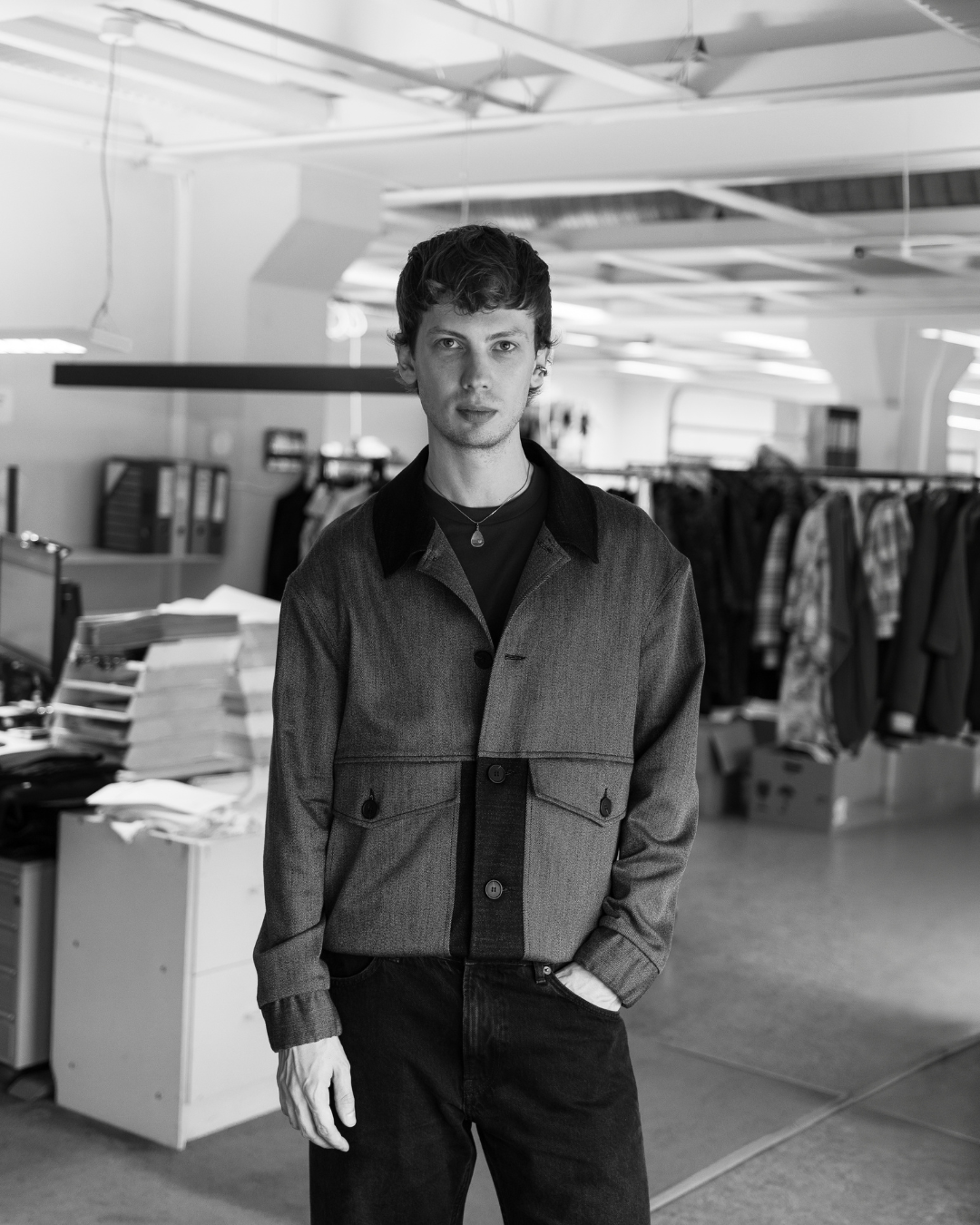
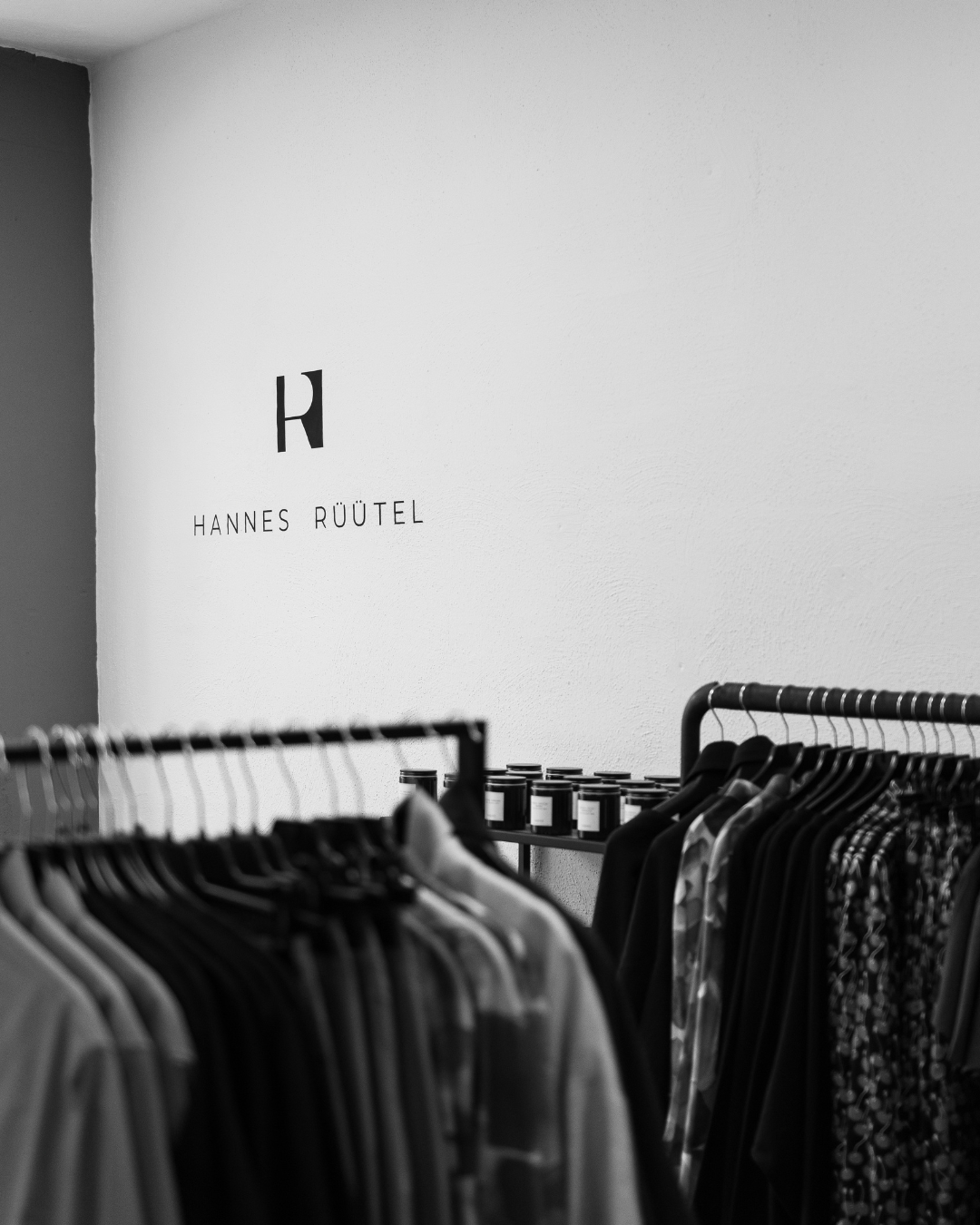
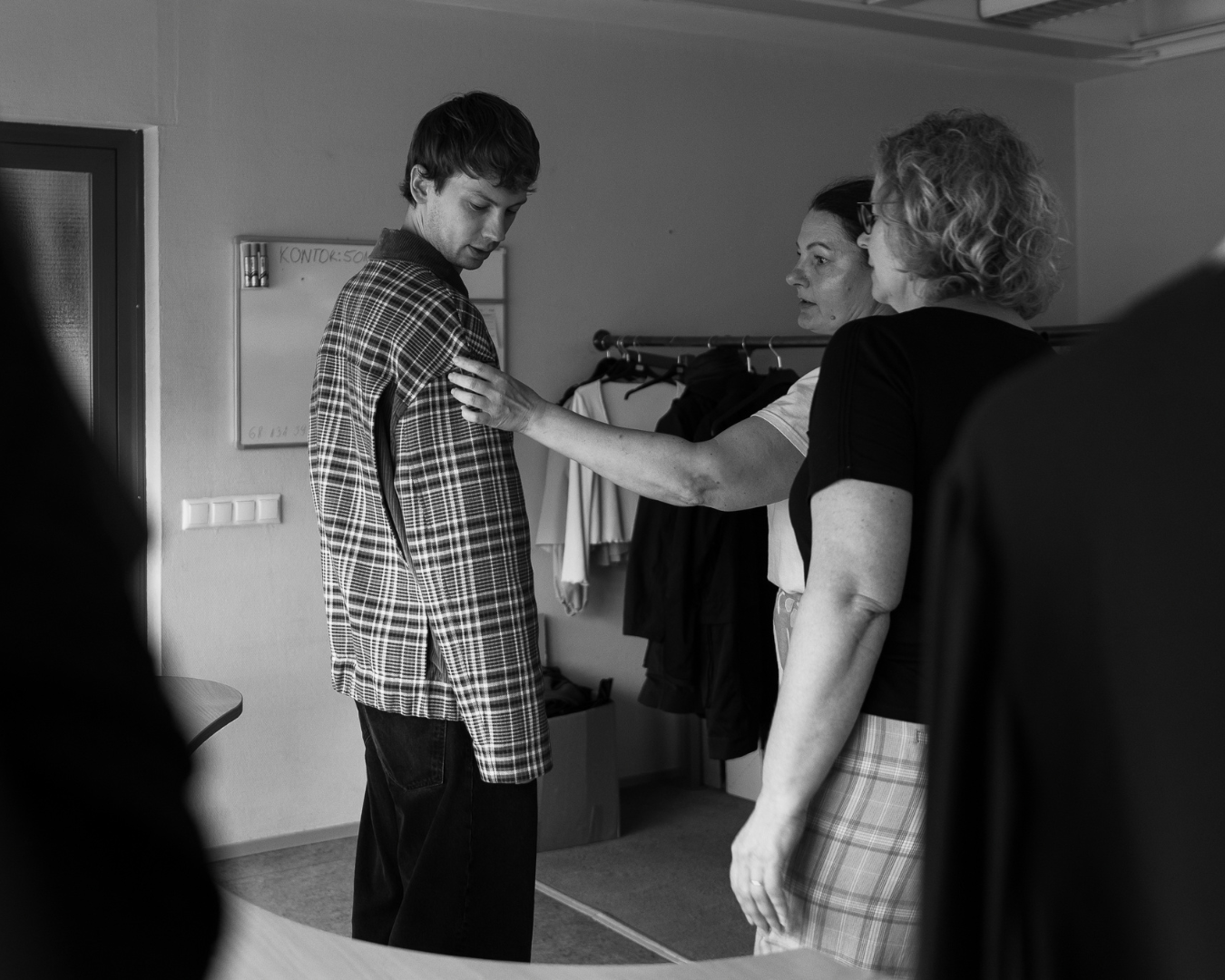
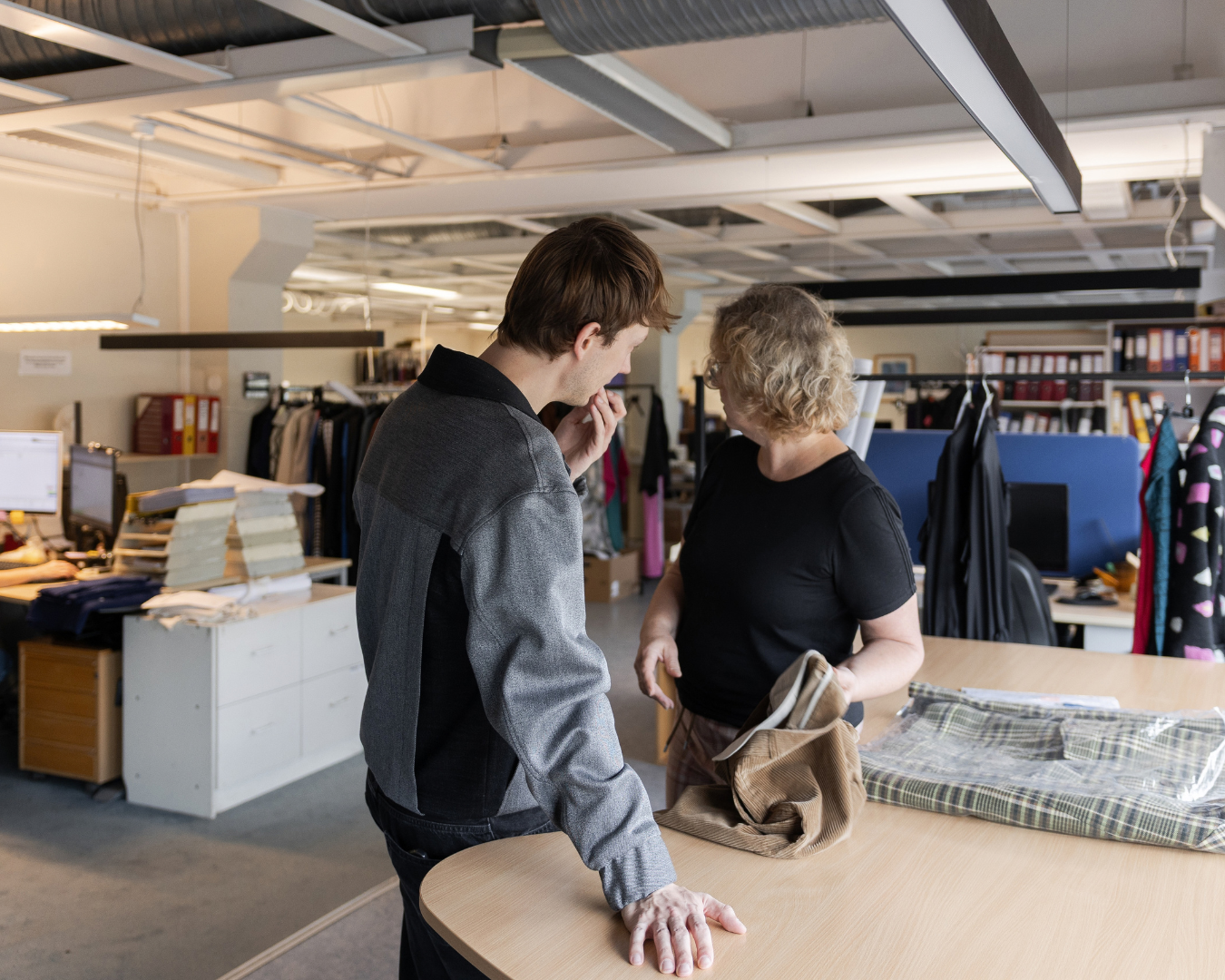
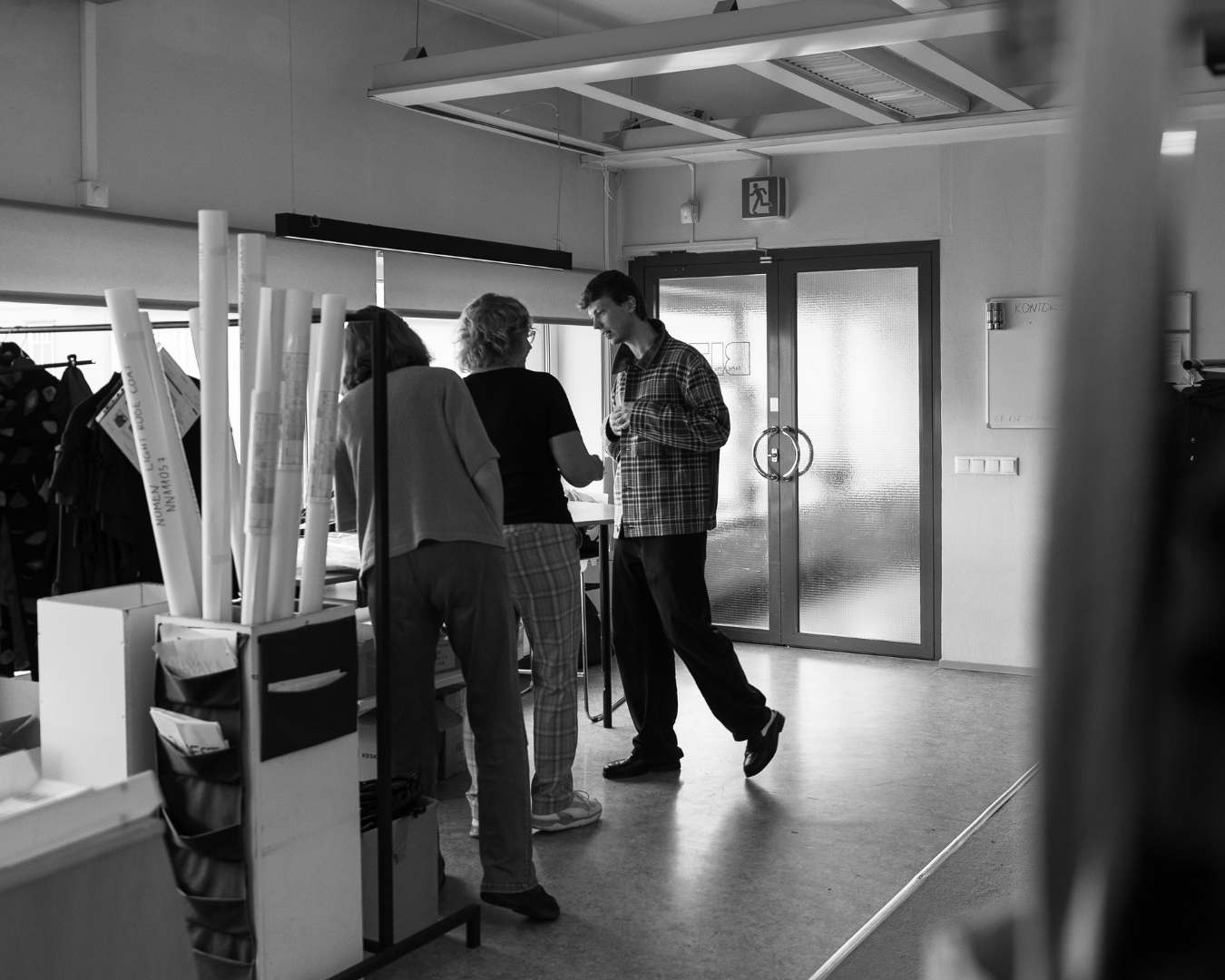
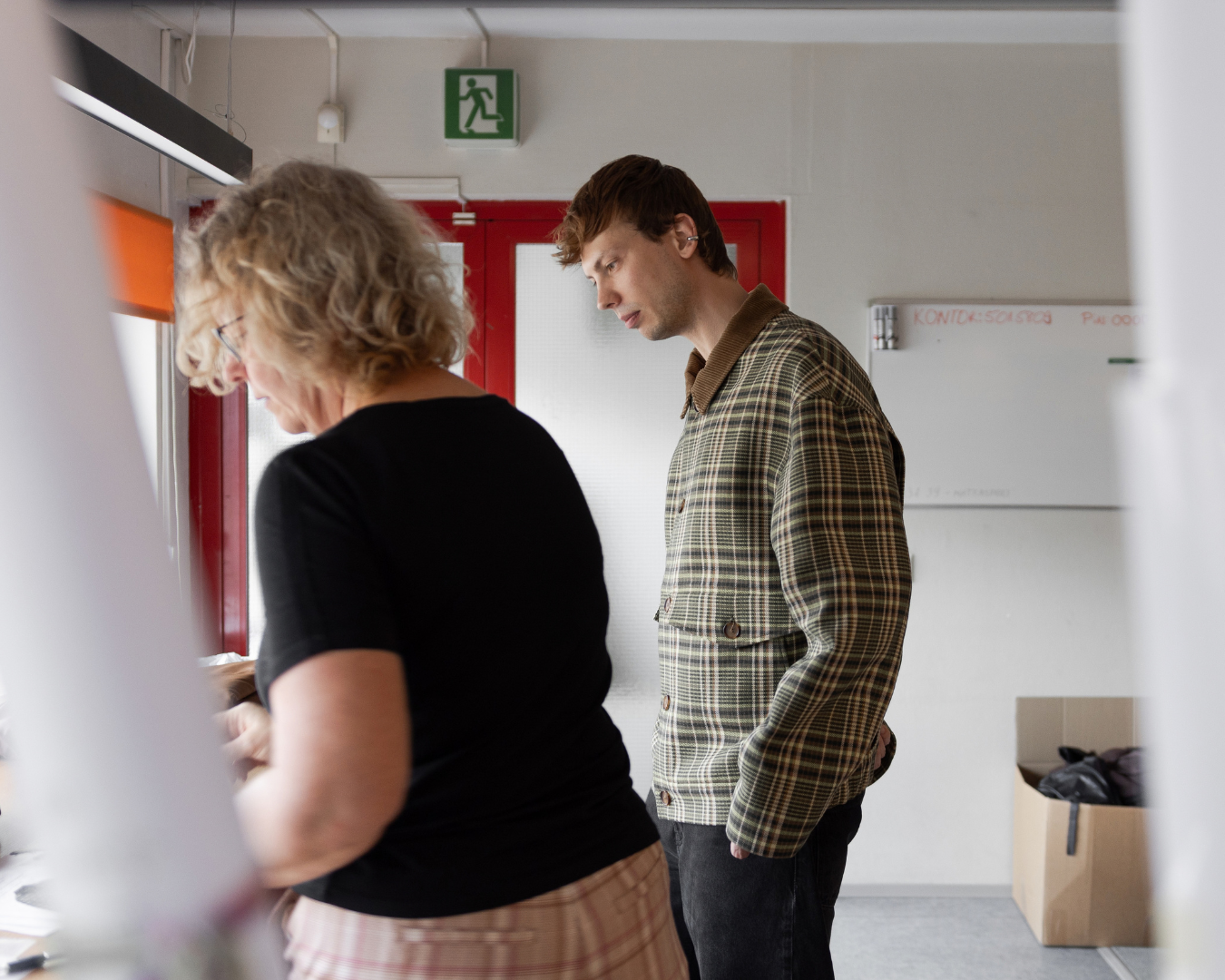
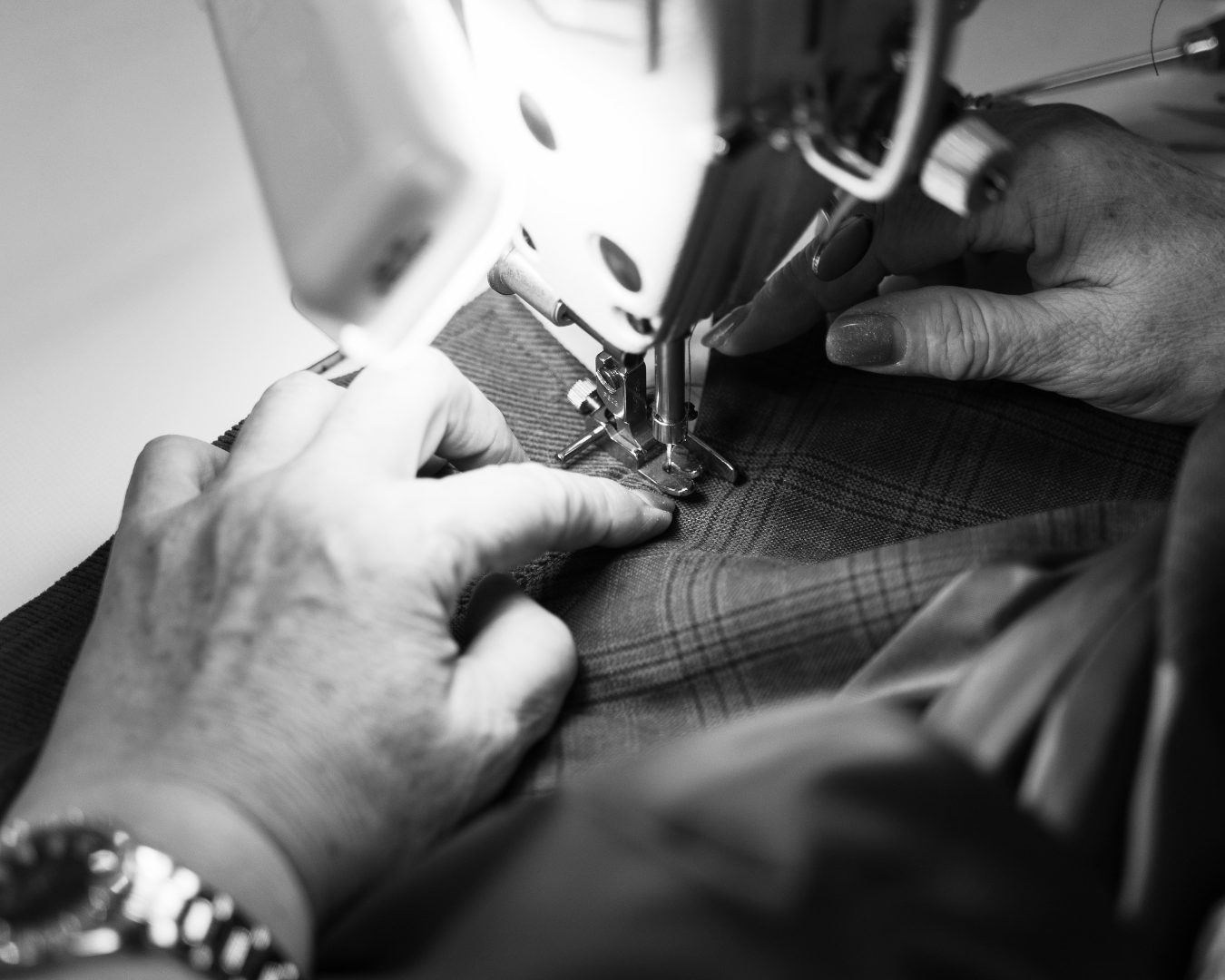
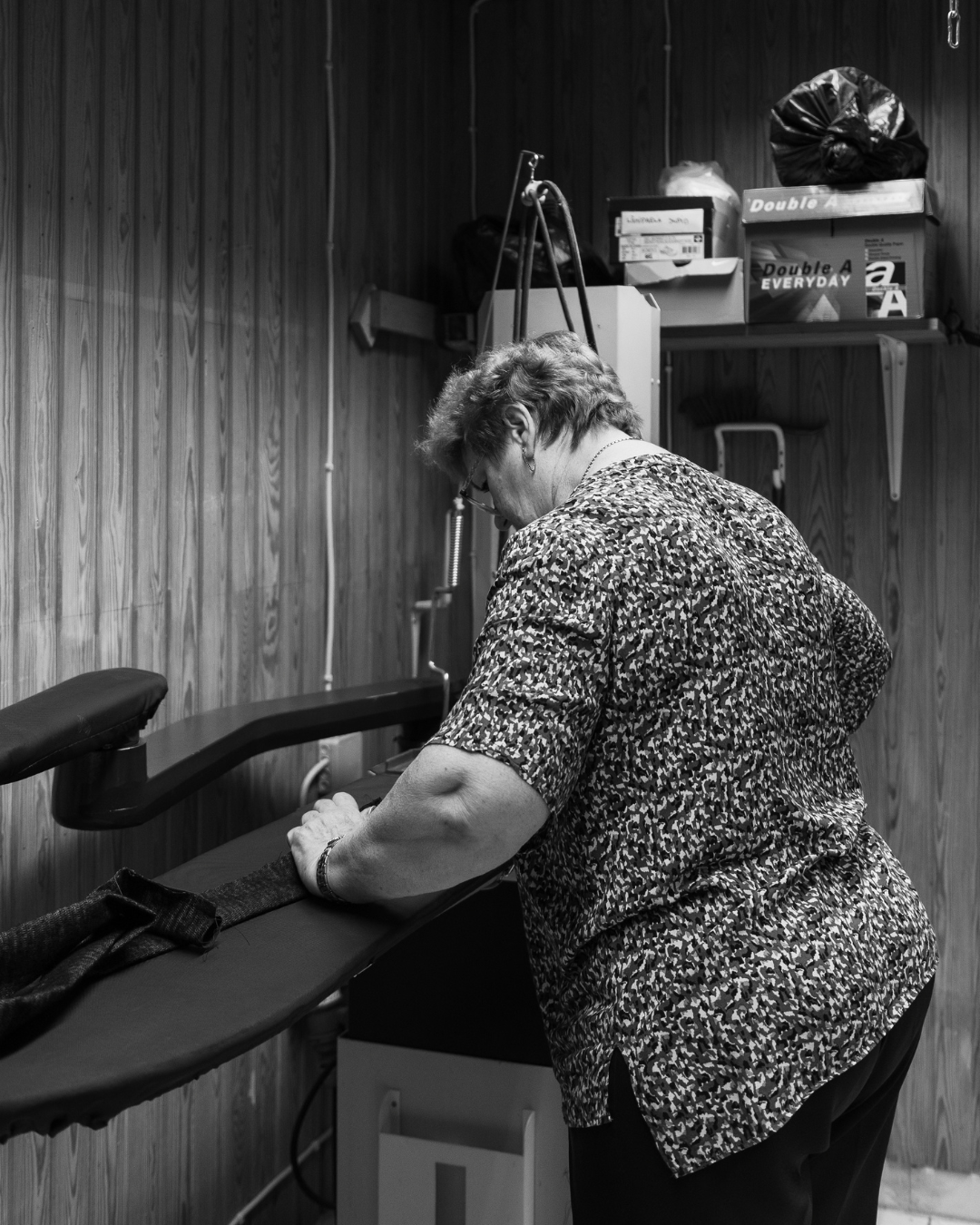
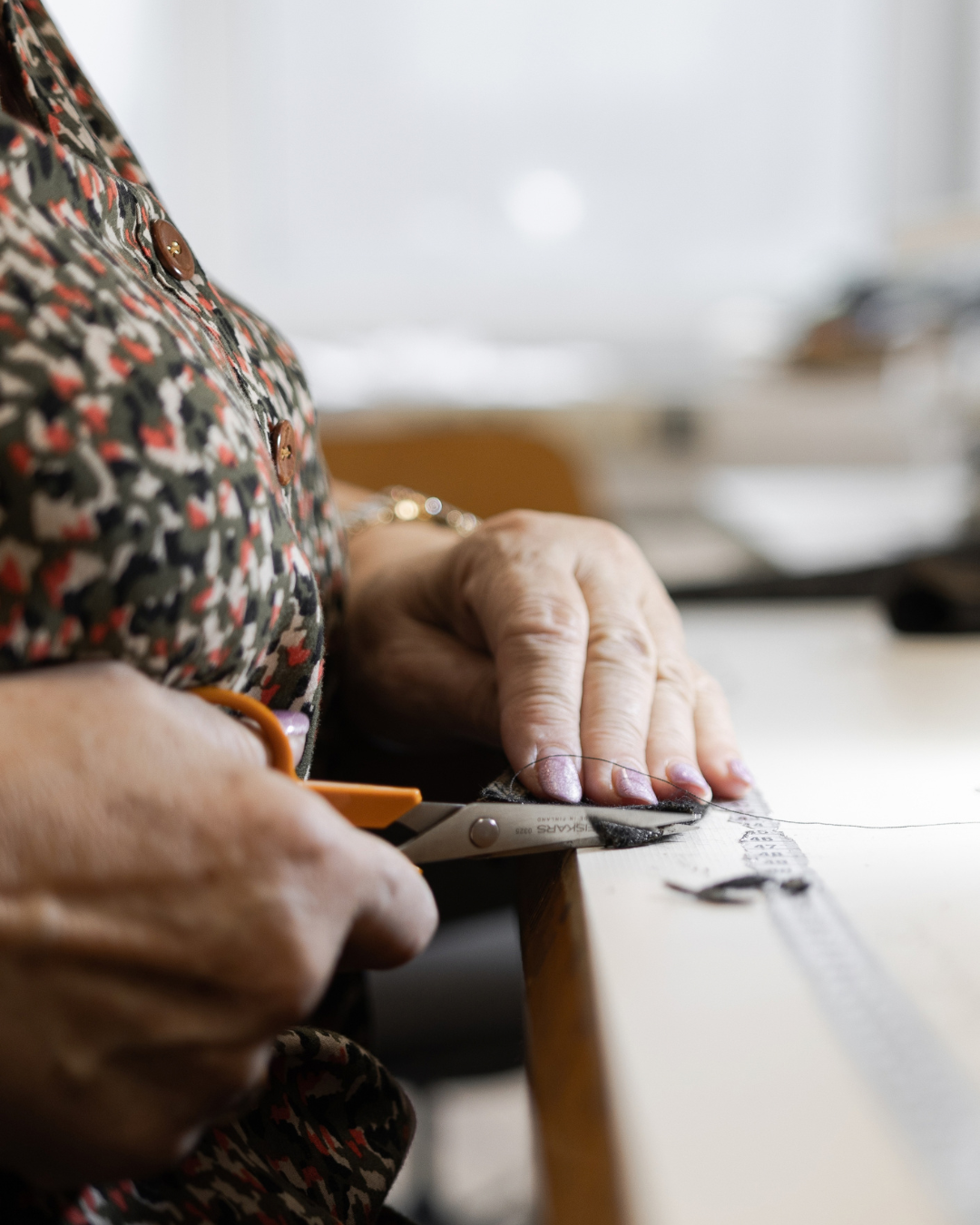
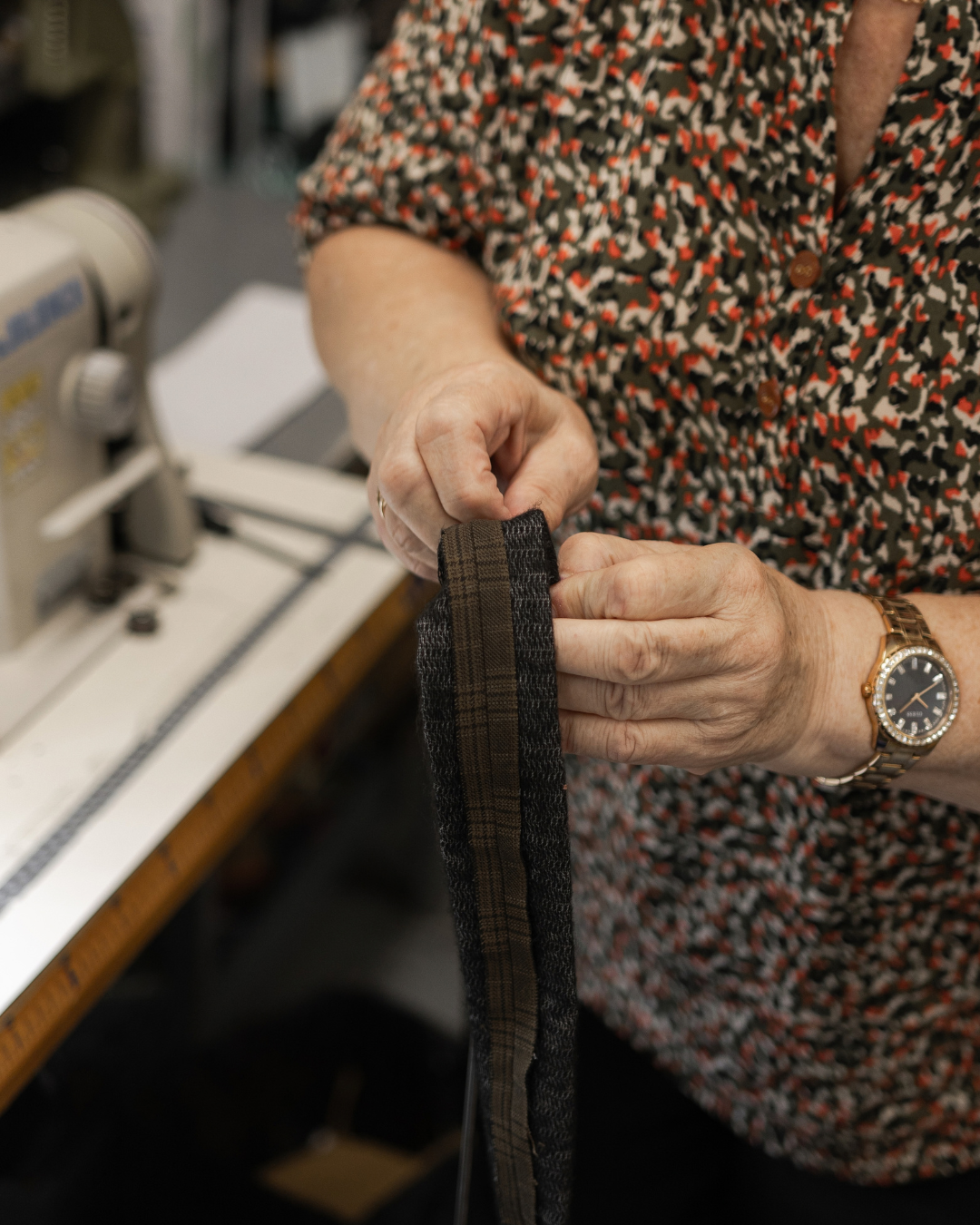
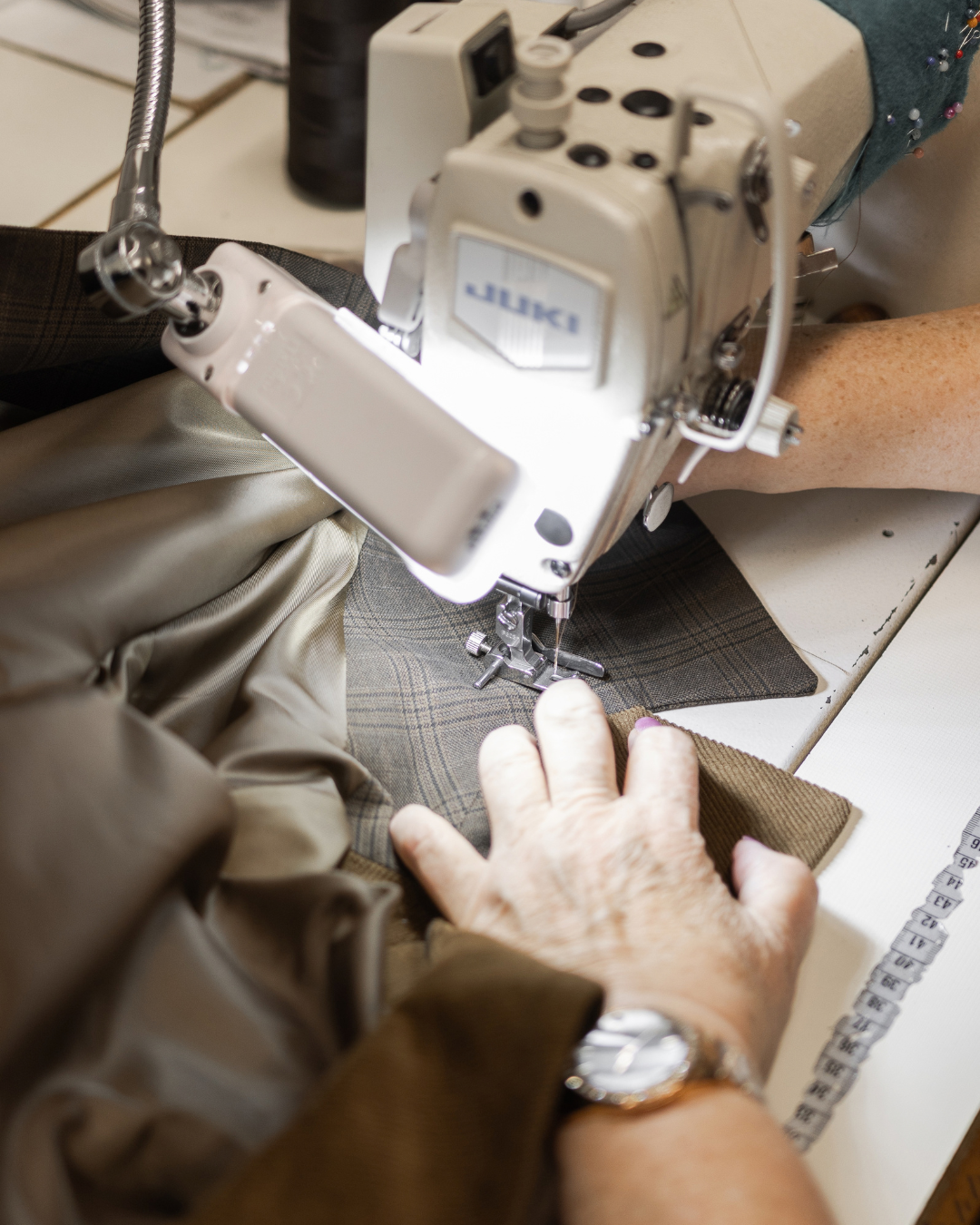
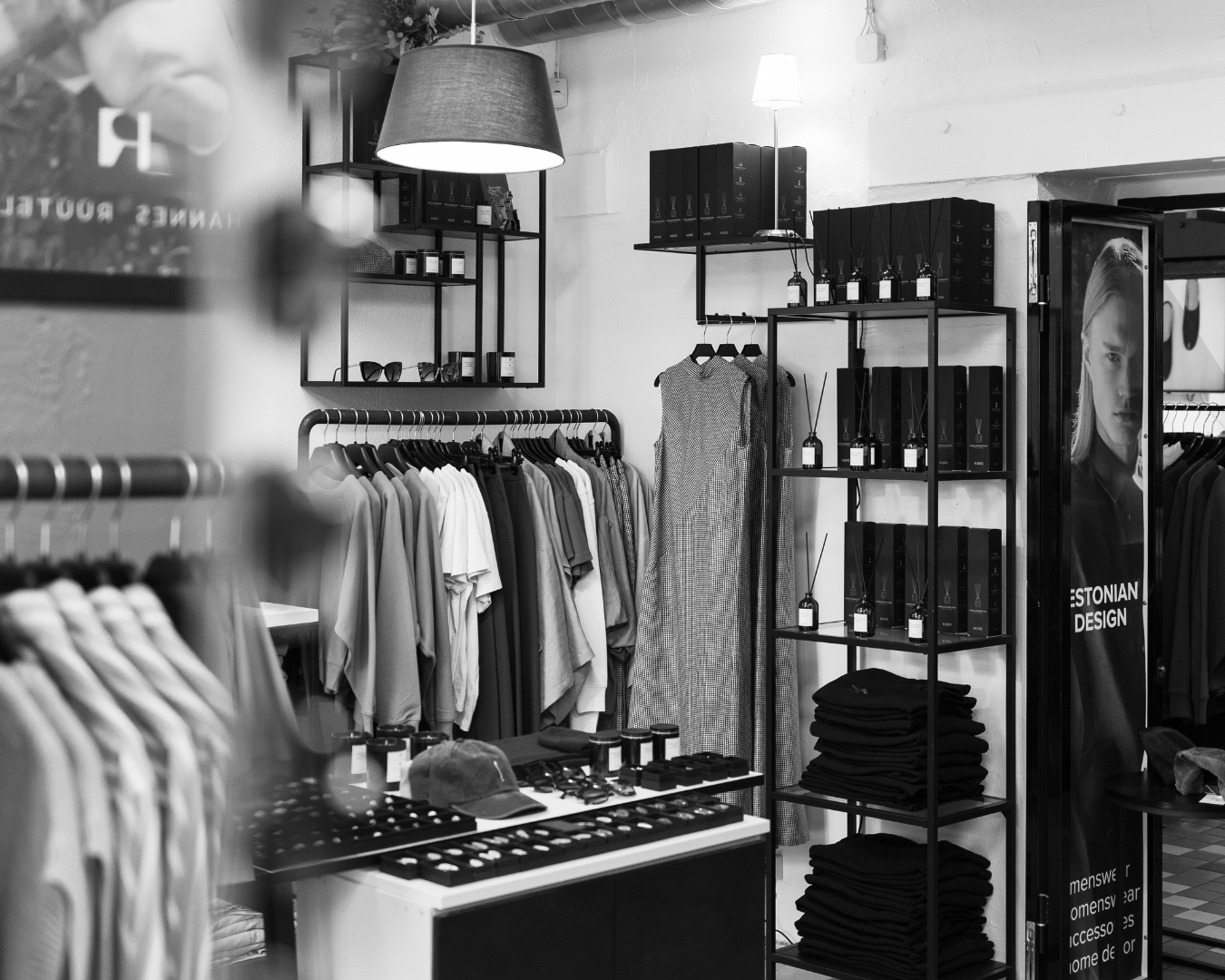
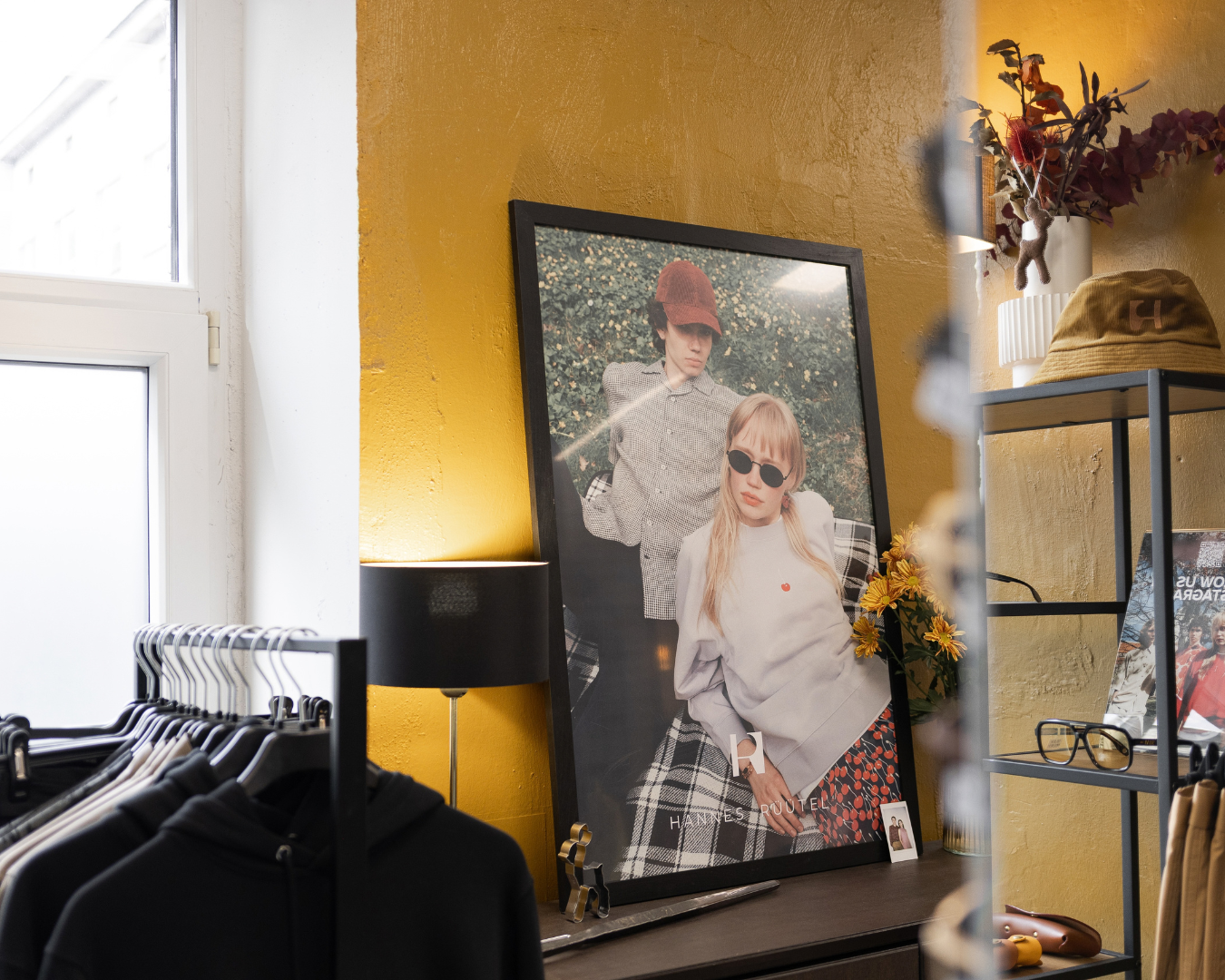
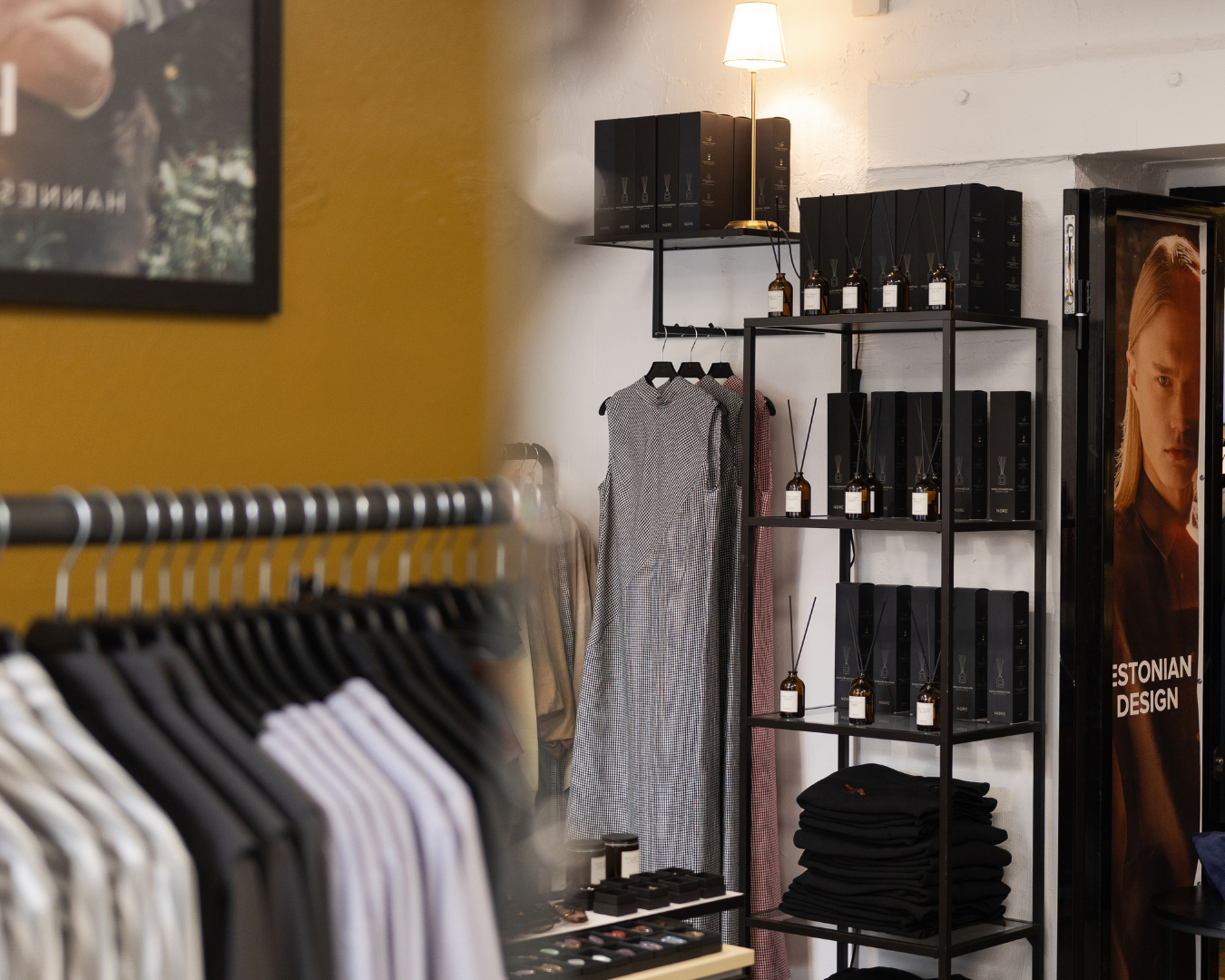
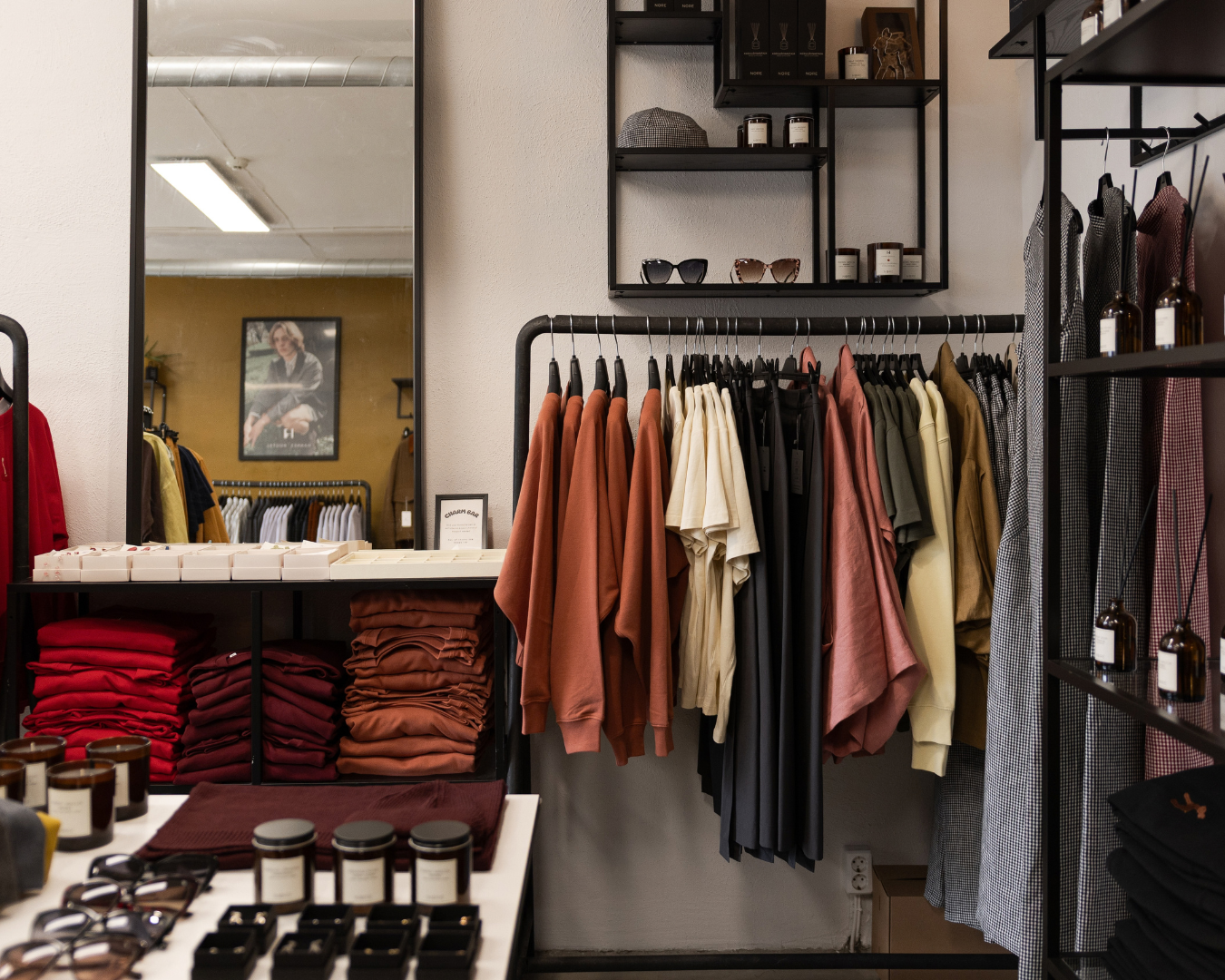
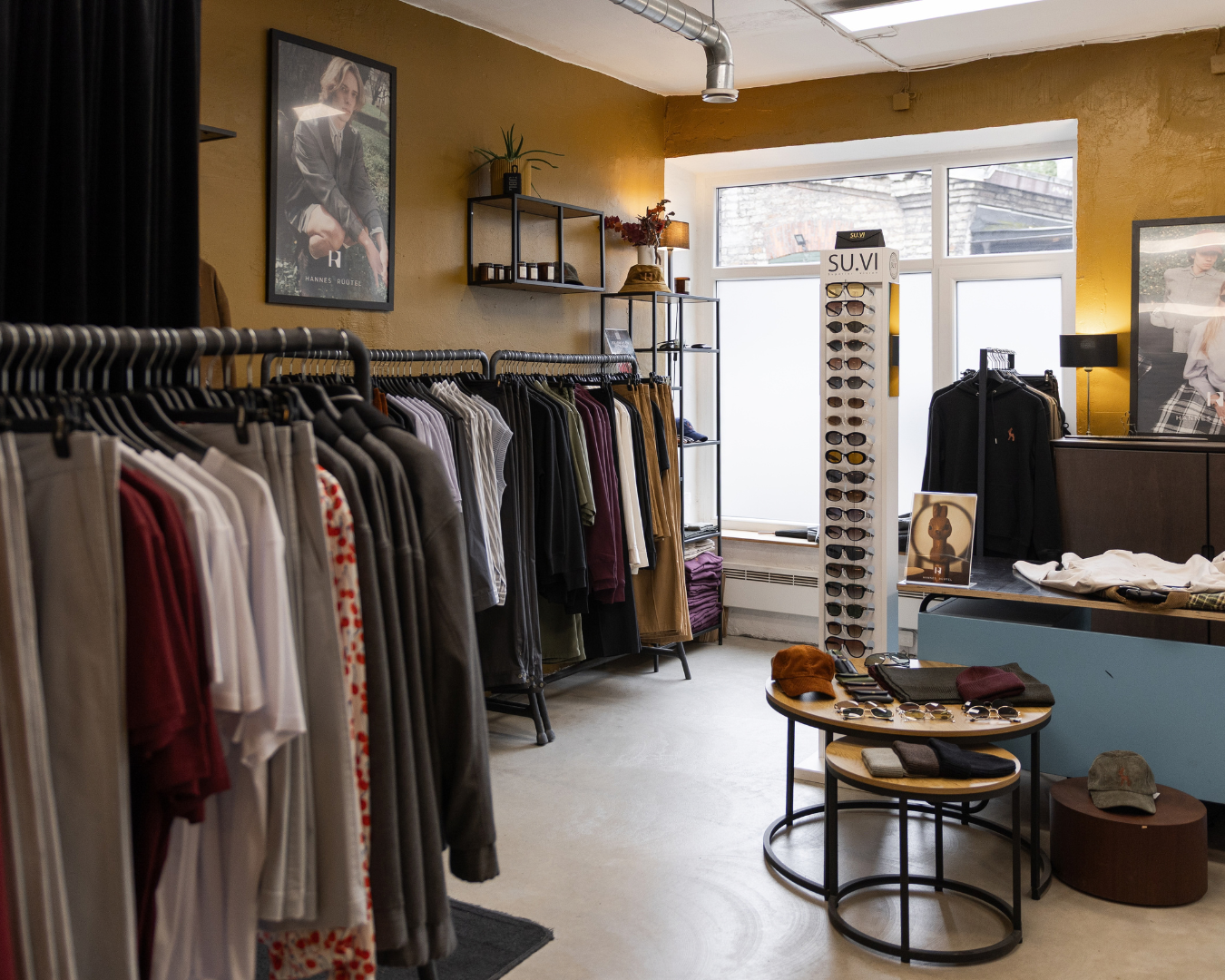
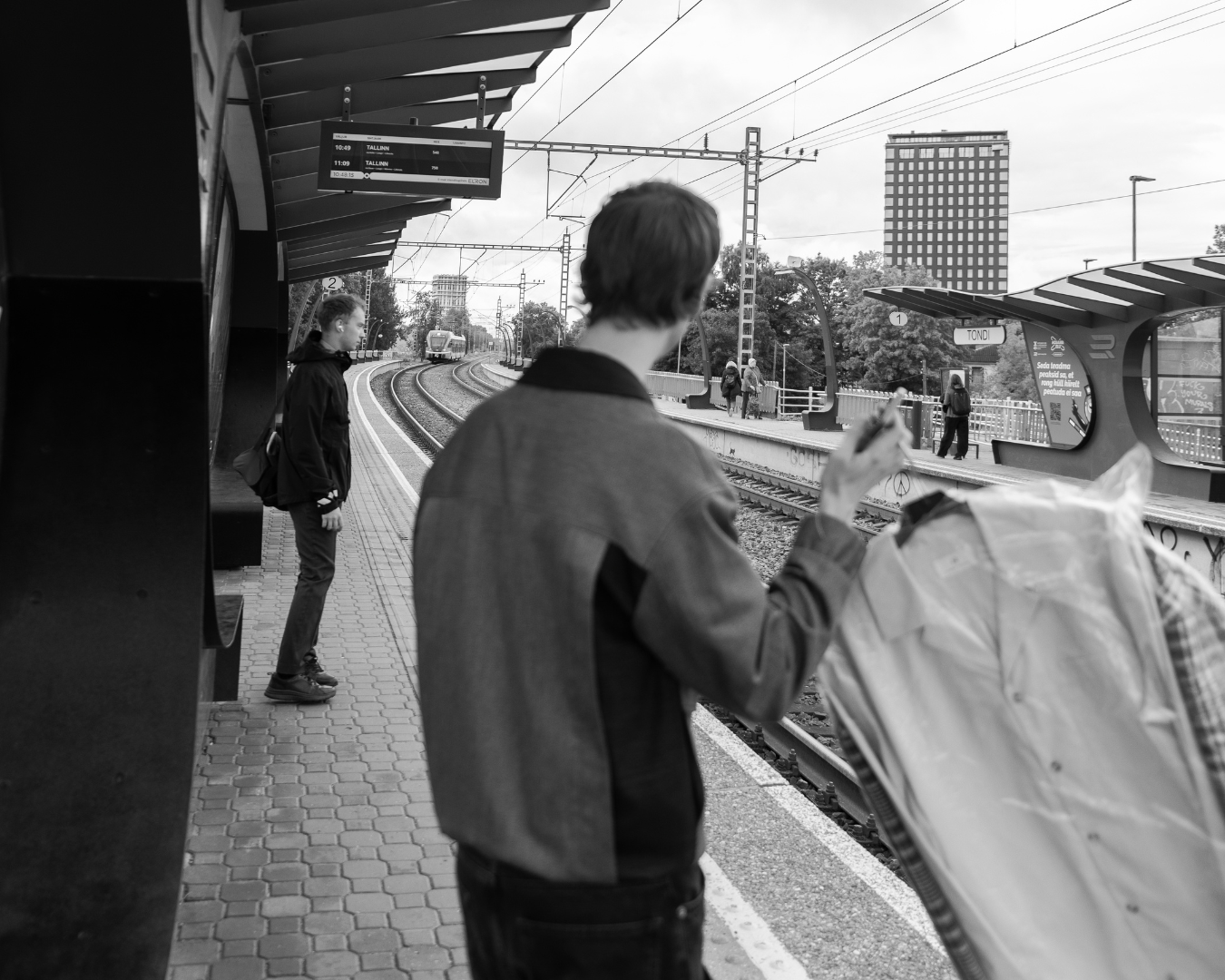
This edition of the Artist Series first took us to Tondi, where we got a closer look behind the scenes of designer Hannes Rüütel’s creative process. We saw how a product comes to life and how much work actually goes into making it. From there, we took the train to Balti Jaam and walked to Telliskivi Creative City, home to his studio shop – exactly as Hannes does on a regular day.

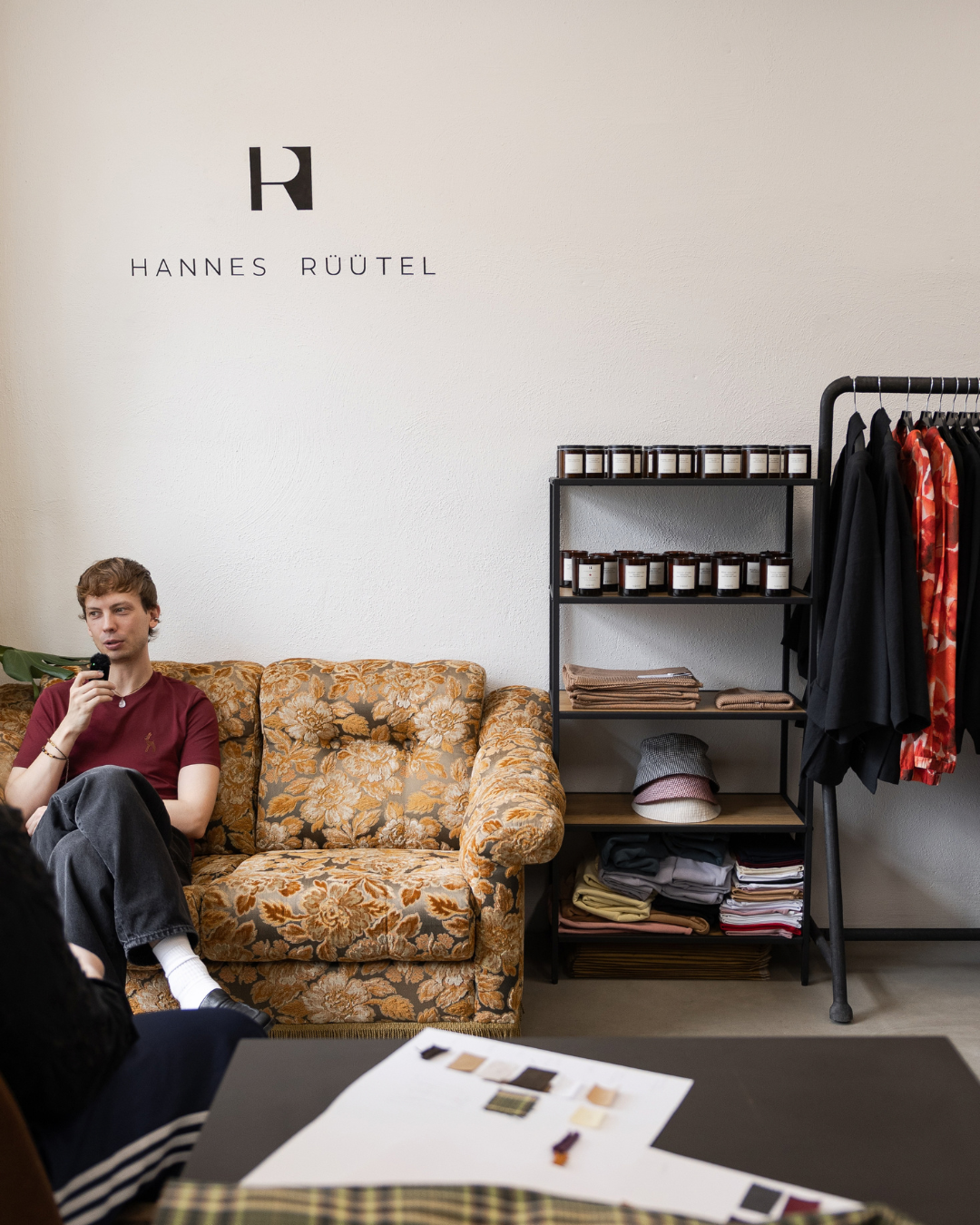
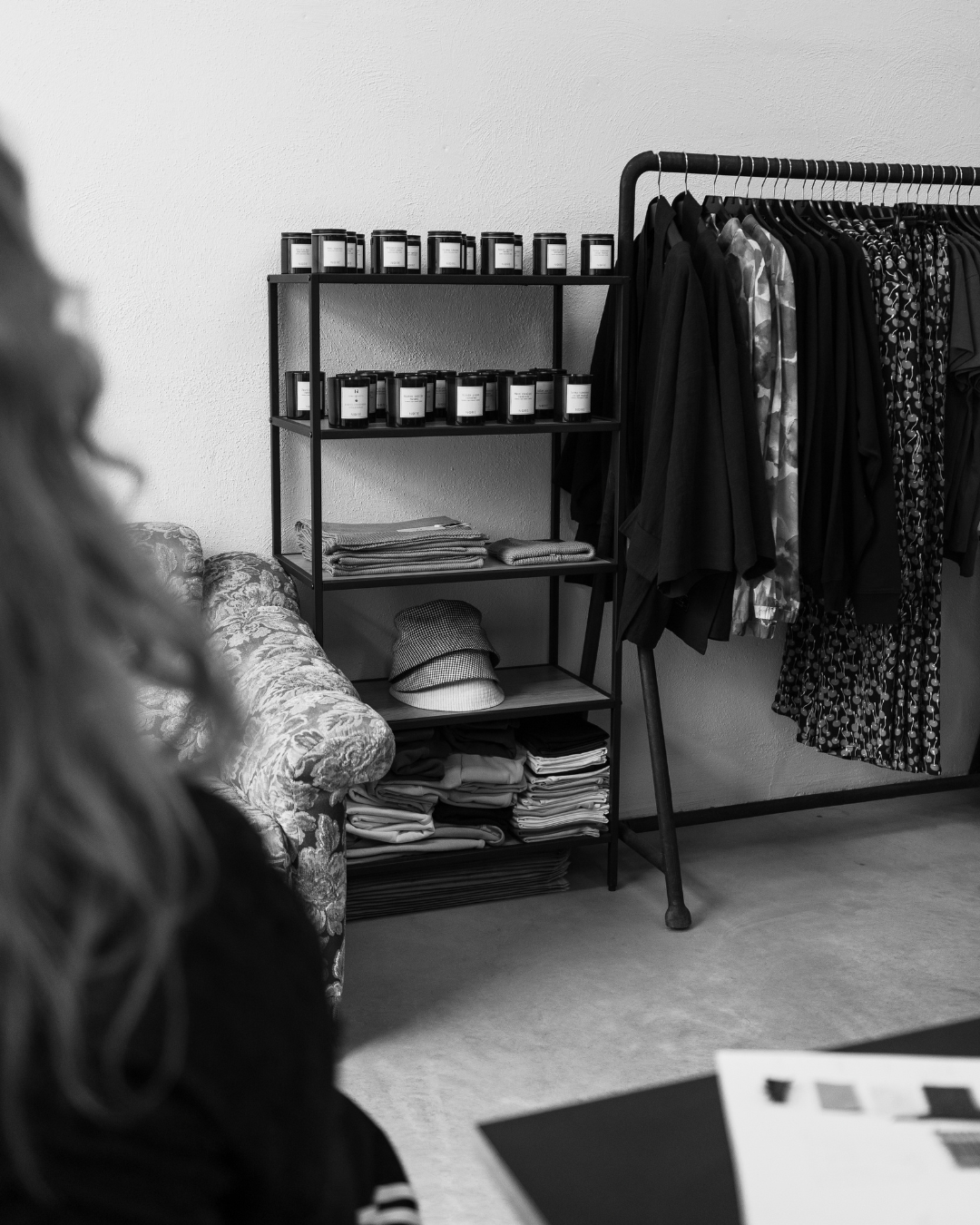
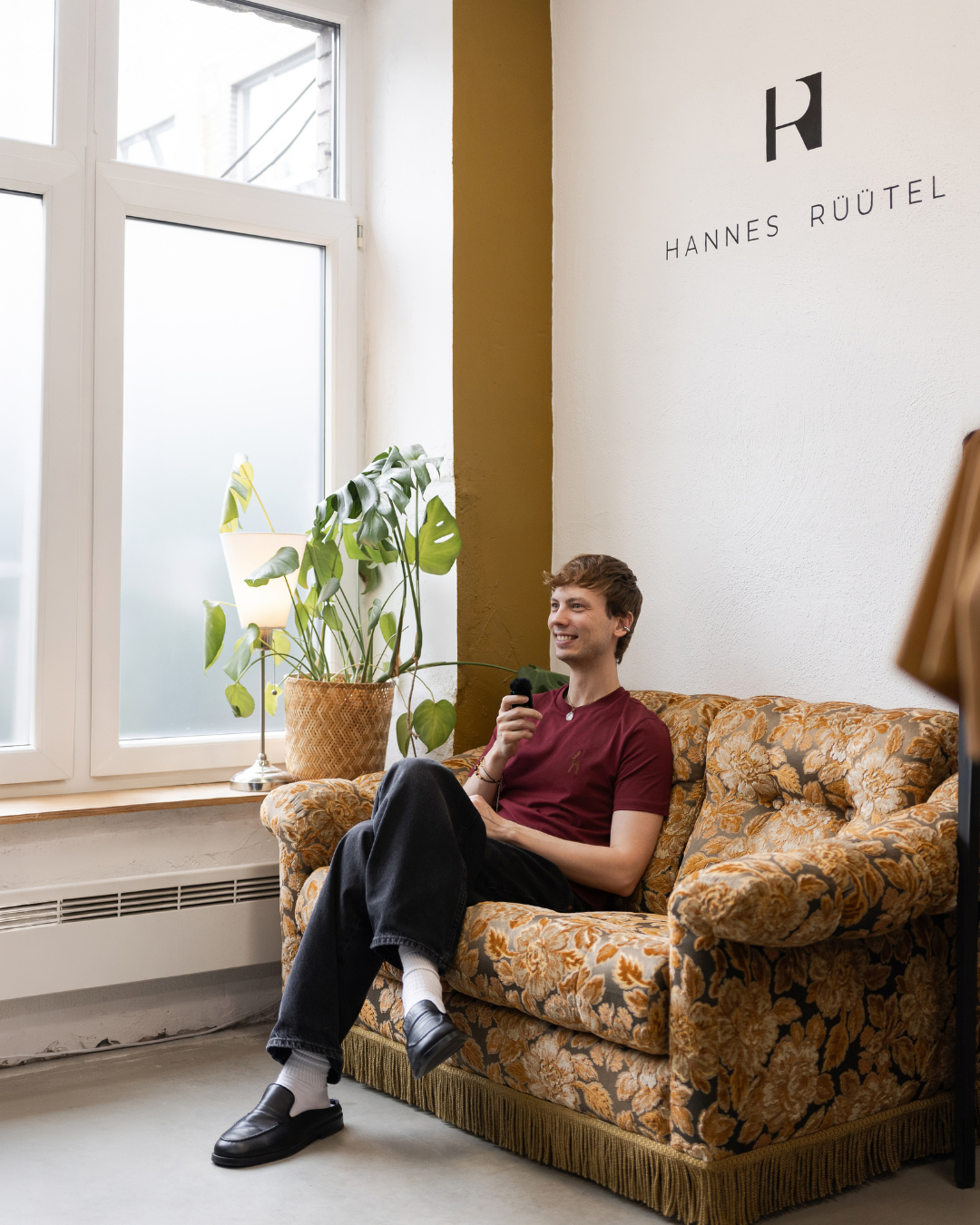
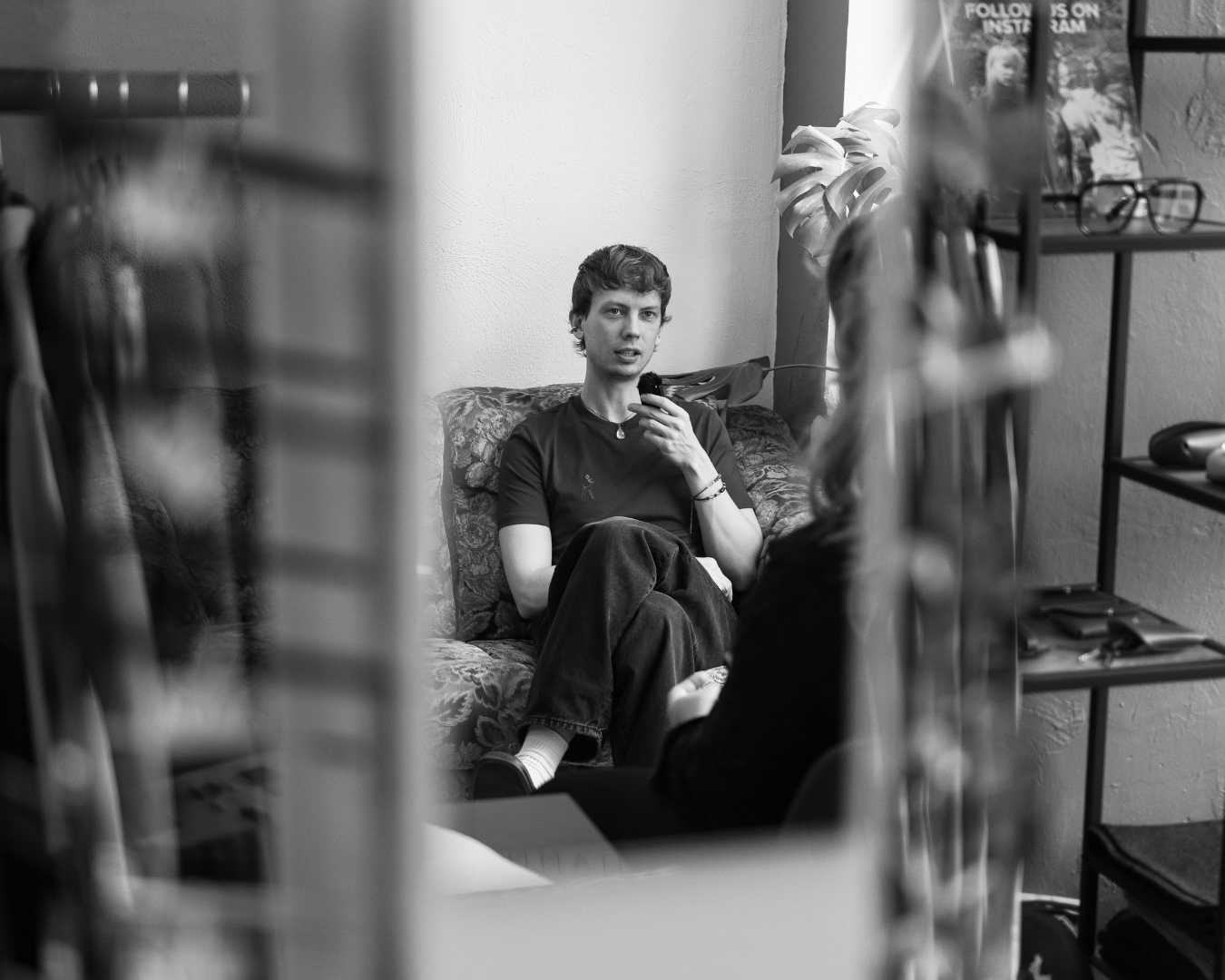
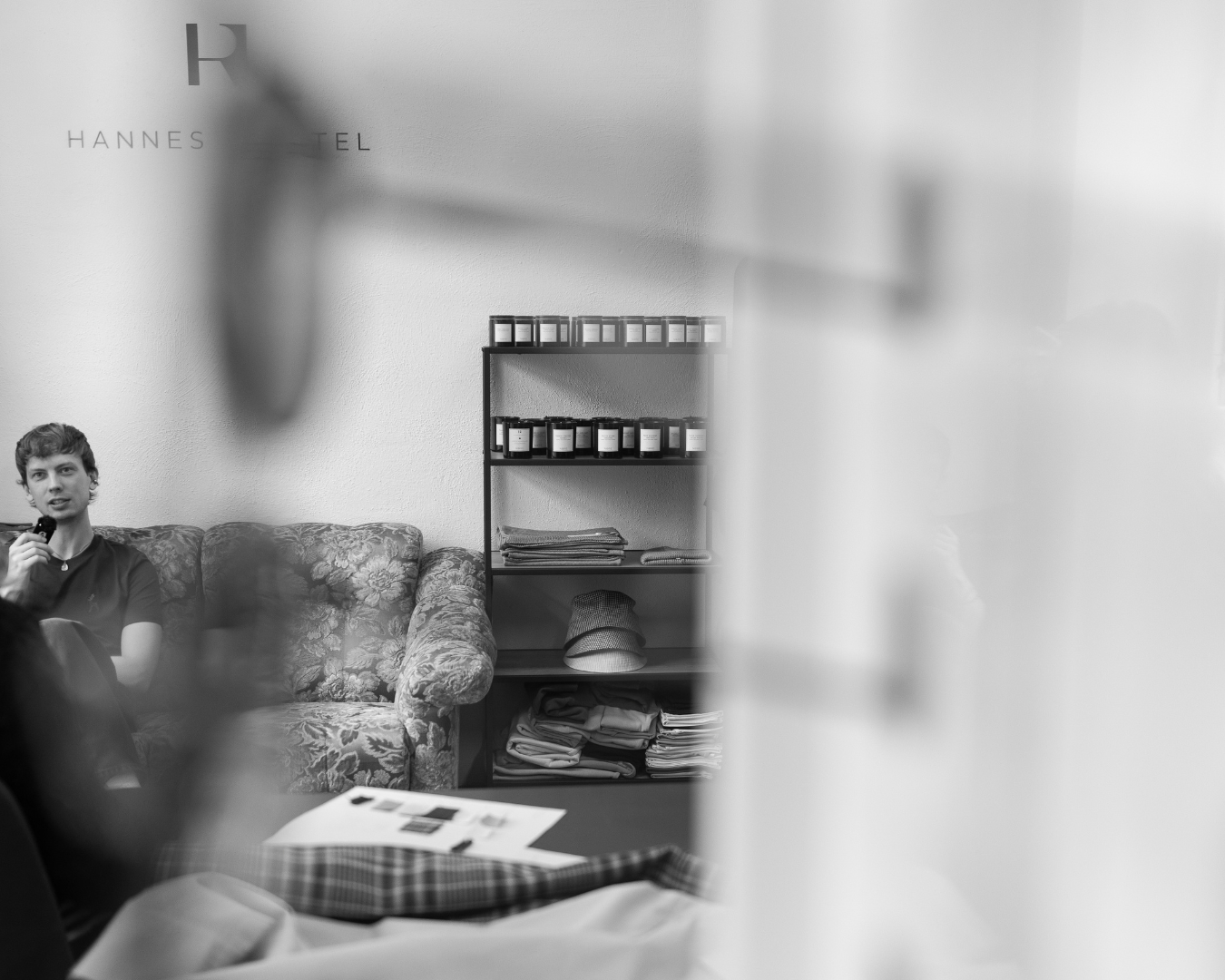
At exactly 11 a.m., just as Hannes had opened the shop, the first customers walked in. Hannes helped them choose sizes and cuts, talked to them about his brand, and only once things had quietened down did we take a seat in Hannes’s favourite spot – a velvet sofa – and begin the interview.

This is what Hannes’s workdays often look like. Opening the shop does not simply mean unlocking the door. It means being present and interacting with people. That direct contact is particularly important to him. “Being in the shop means I get direct, genuinely valuable feedback from customers that I can take into account when creating my new collections.” The customer is not simply someone who buys a finished product – they are part of the design process.

First came the certainty that he had to create his own brand

Even while studying at the Estonian Academy of Arts (EKA), Hannes already knew that he wanted to create his own brand after graduating. Before studying fashion design, he had studied business at Tallinn University of Technology as well as public administration and business management at Tallinn University. At some point, he realised that neither path was quite right for him. “It was my friends who tapped me on the shoulder and said, ‘Hey, but why don’t you try doing what you actually want to do?’”

That is how Hannes found his way to the Estonian Academy of Arts, and after graduating, he did not want to give himself the chance to drift away from fashion design. He decided to start with his first collection immediately – before a break or some other direction had the opportunity to get in the way.

When describing Hannes’s work, we quickly arrive at the subject of nostalgia. For him, nostalgia is not simply about a retro aesthetic or repeating familiar images from the past. “For me, nostalgia is perhaps more of a state of mind. The ability to enjoy the moment and carry those moments with you into the future.”

Hannes does not believe that anything necessarily needs to be erased from the past. Good and bad moments are part of being human and can remain with us even as time moves forward. One very specific collection of memories found its way into his work through his EKA graduation project. Hannes took his grandparents’ country home in Viljandimaa, by Lake Võrtsjärv, as the starting point for the collection and began exploring what memories his siblings associated with the place.

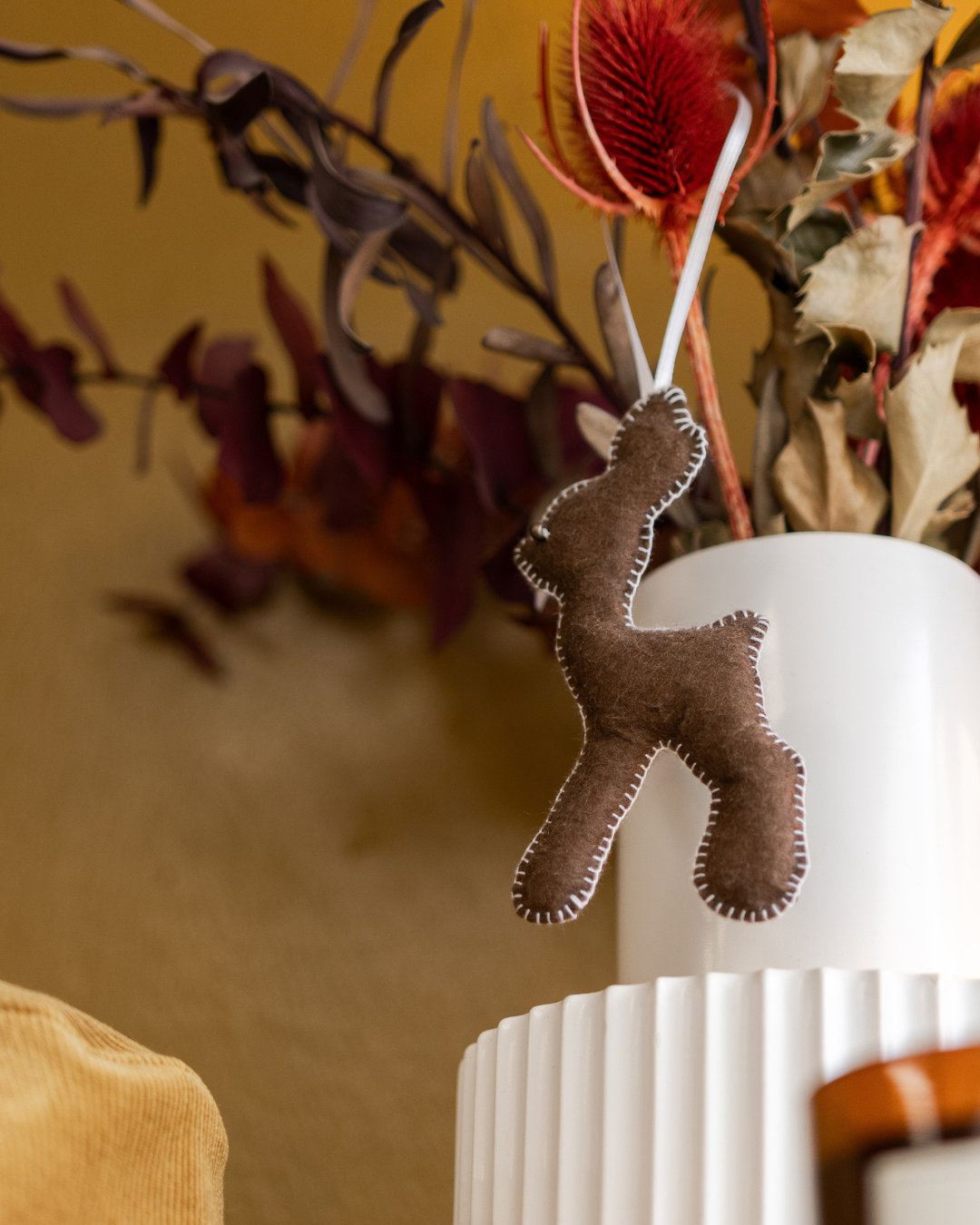
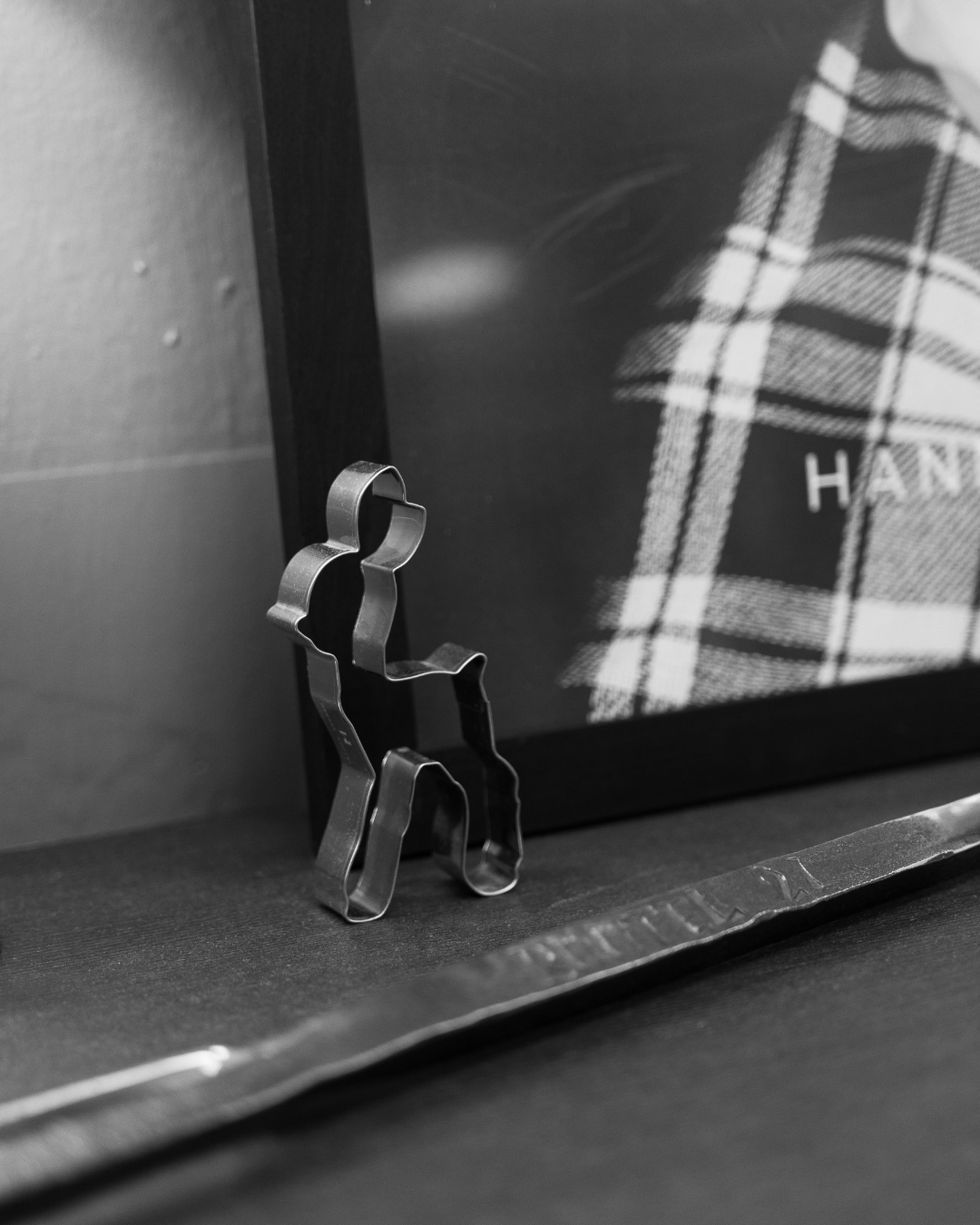
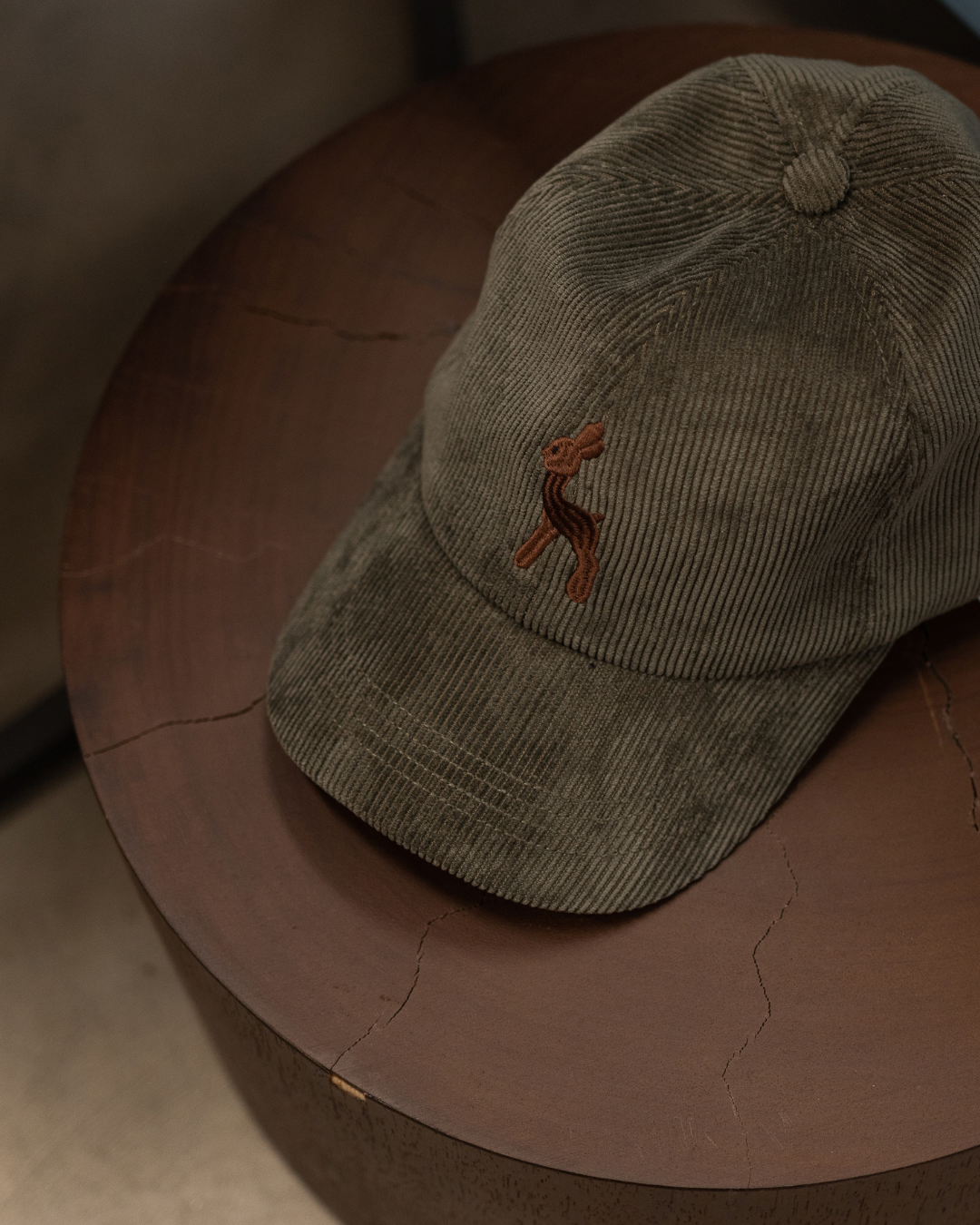
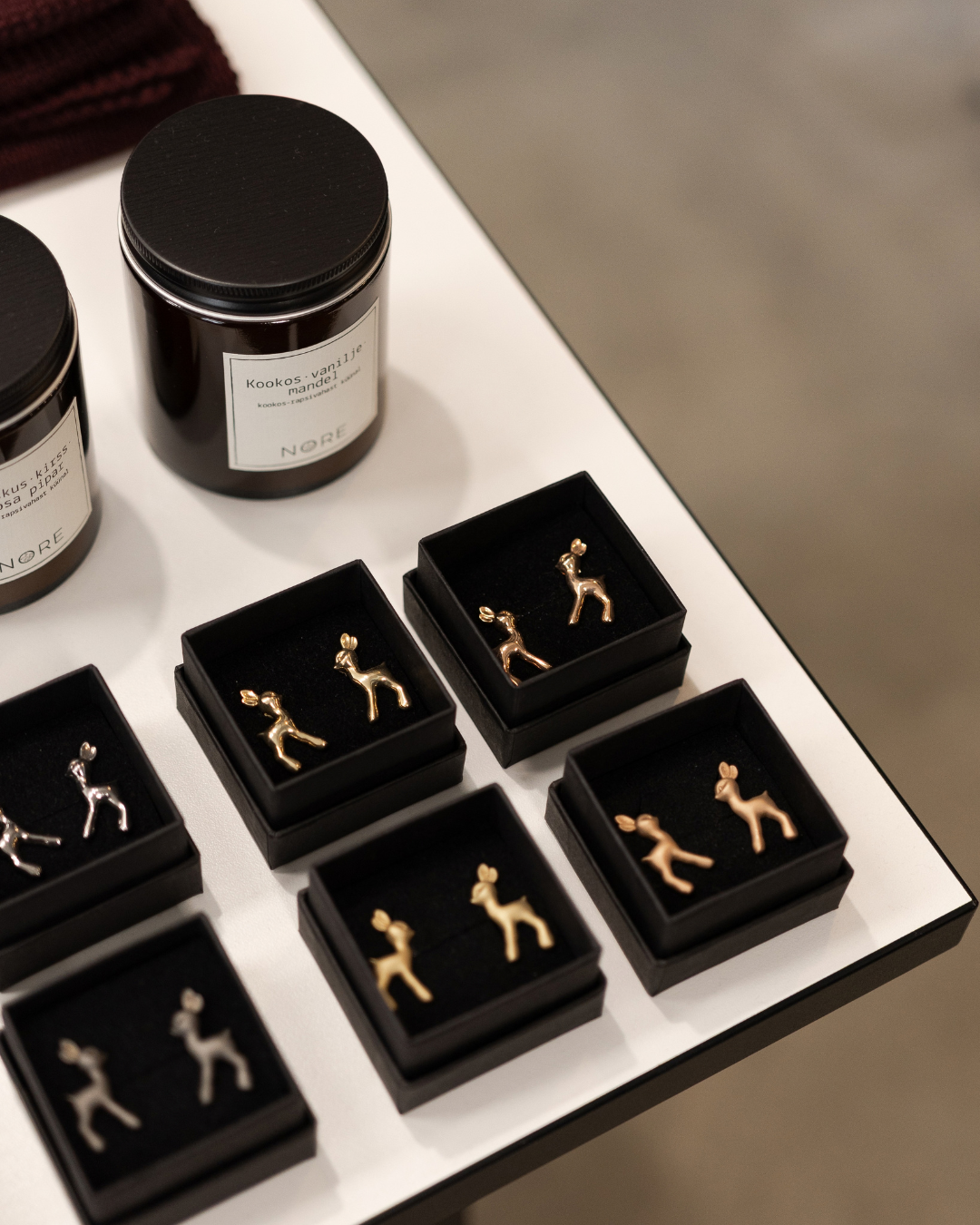
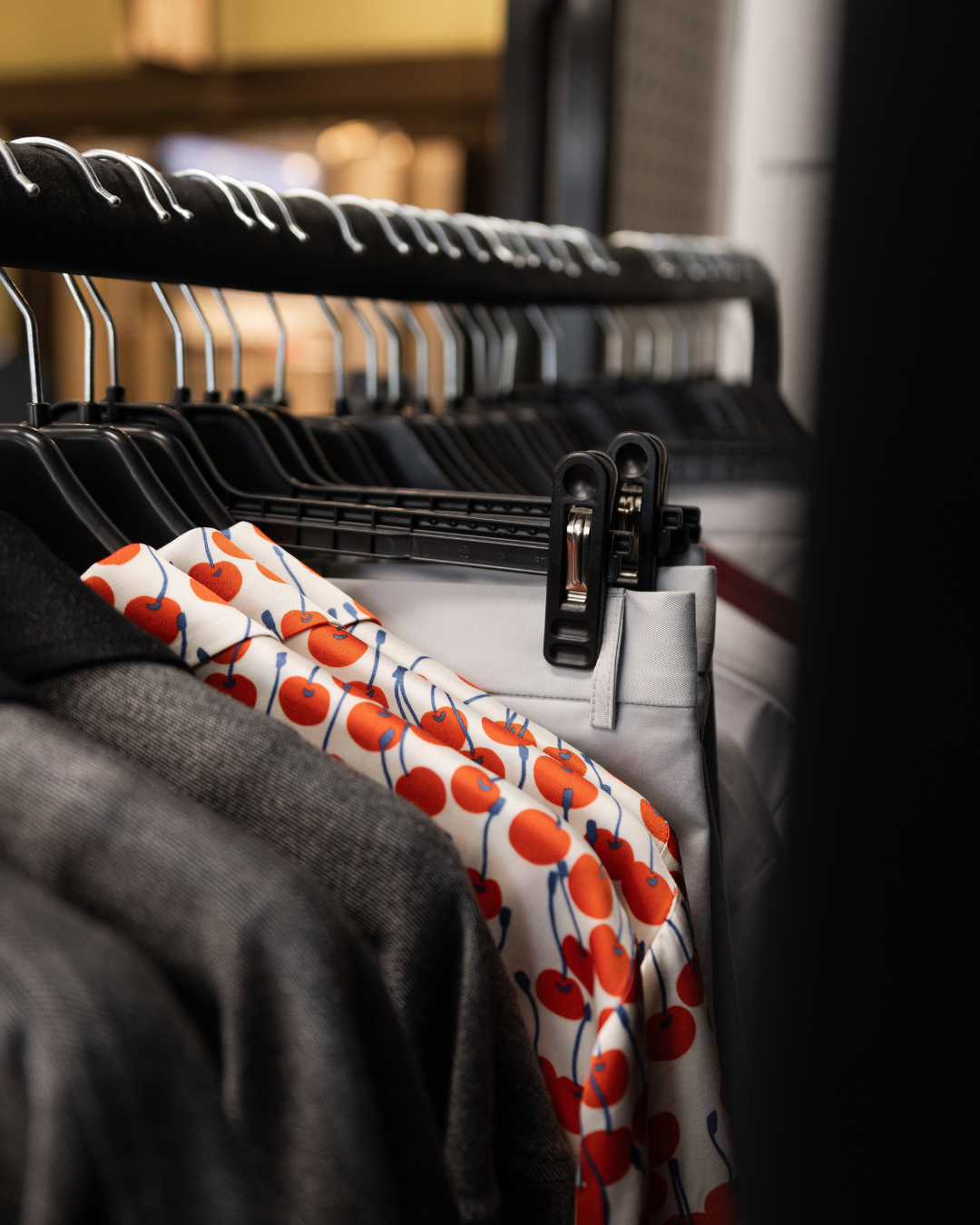
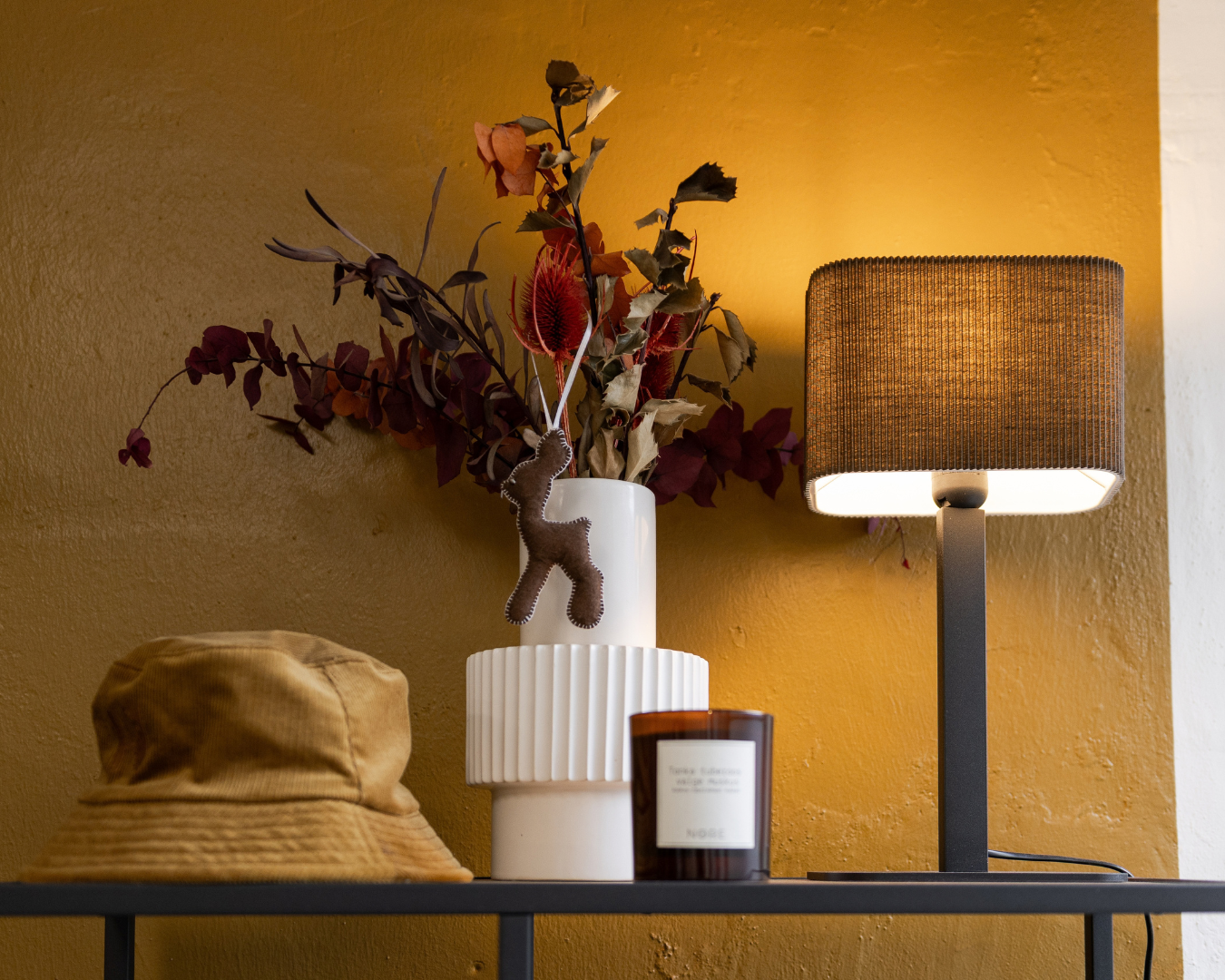
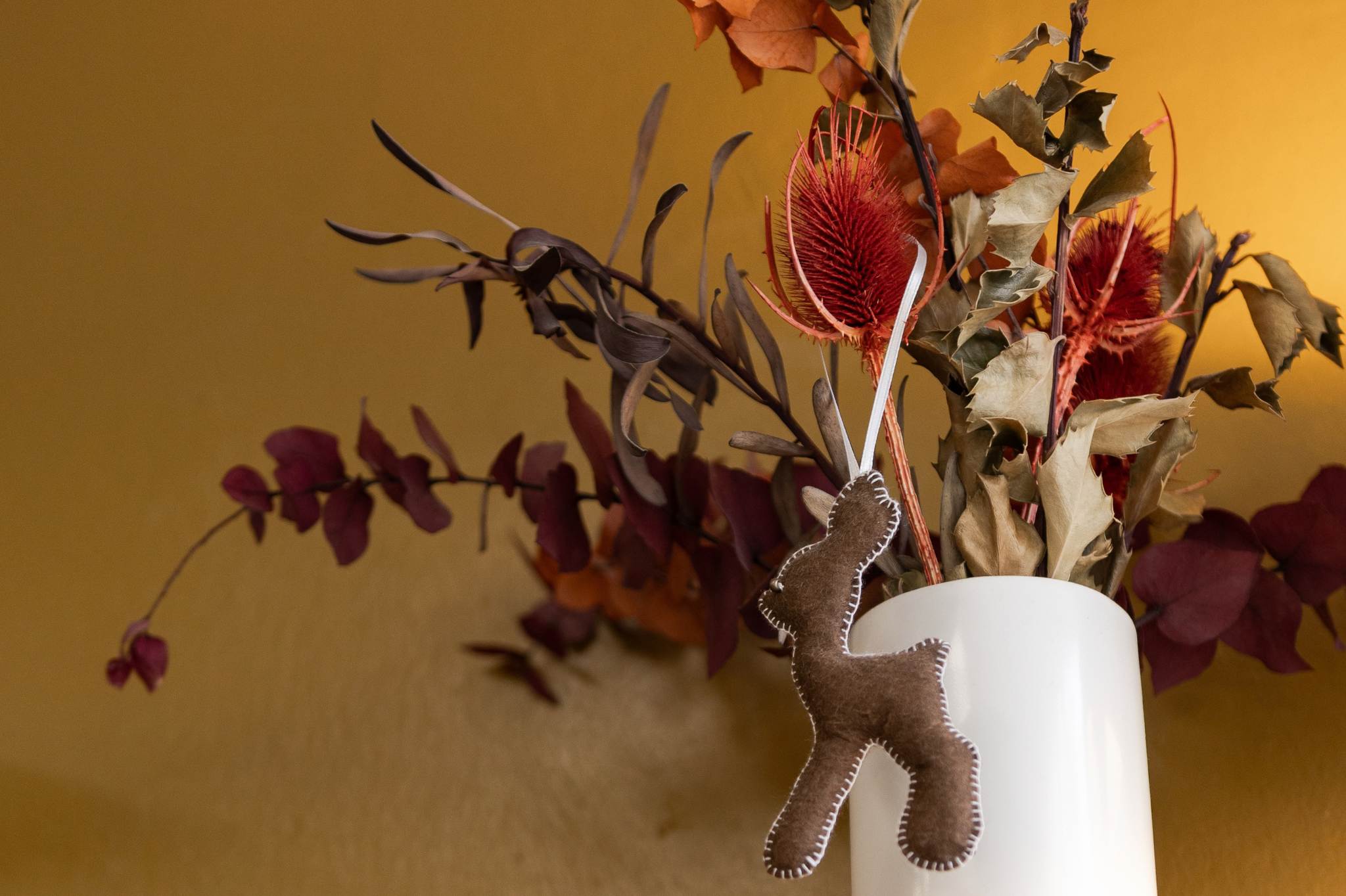
“I asked each of them, ‘Tell me your story – what do you remember?’” The collection came to include inflatable boats, fishing with his grandfather, the spring floods, flowers and other details associated with childhood. But one of them became especially prominent – a Soviet-era goat-shaped toy. It became the central symbol of Hannes’s brand. “At first I thought that maybe it was too childish and that men might not respond to it very well. But actually, it’s the opposite.”

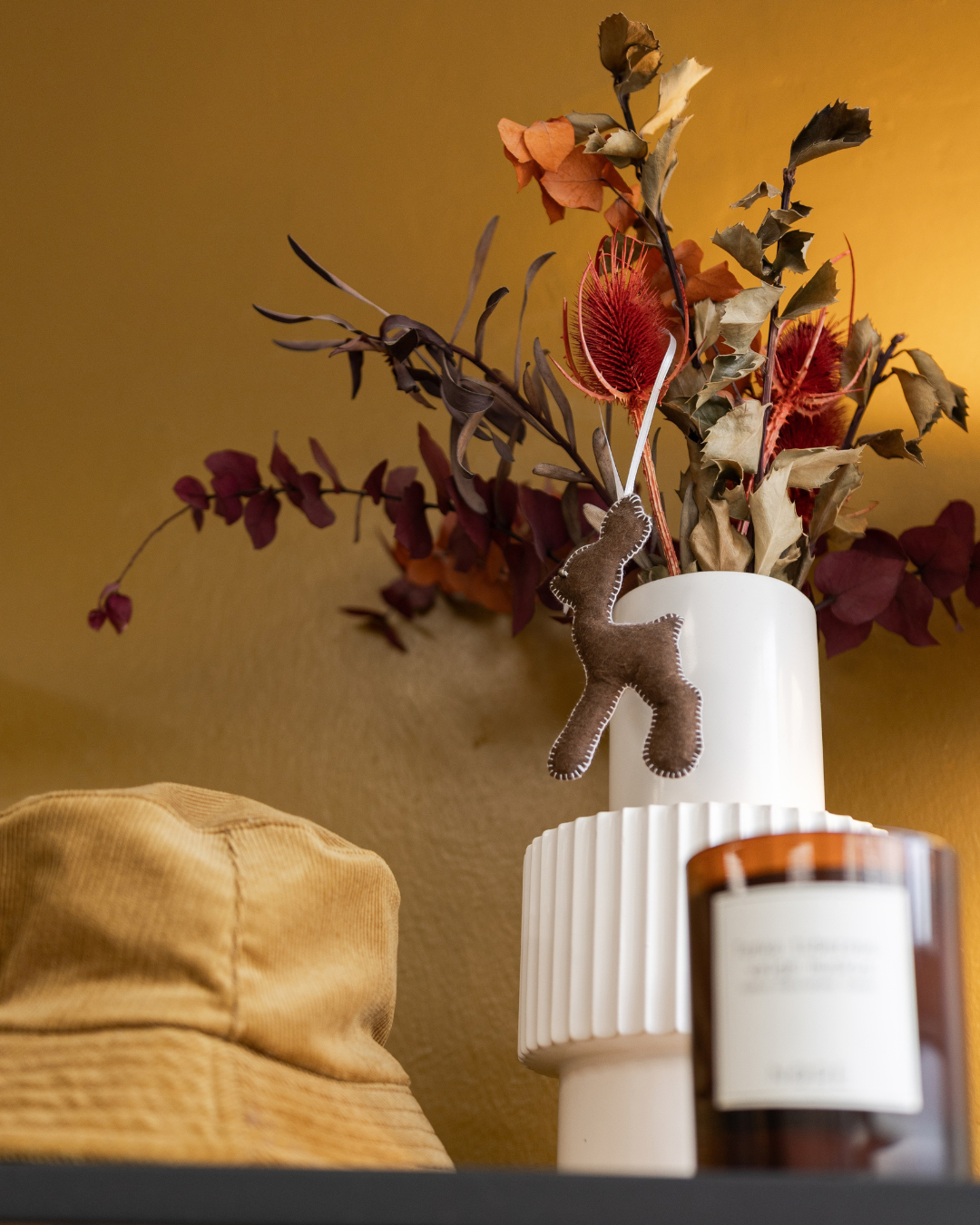
The little goat has remained a recognisable element in Hannes’s work, although people sometimes give it entirely different names of their own – some see a rabbit, others a llama or even a camel. “Everyone sees their own element in it.”
Fashion for men that can actually be worn

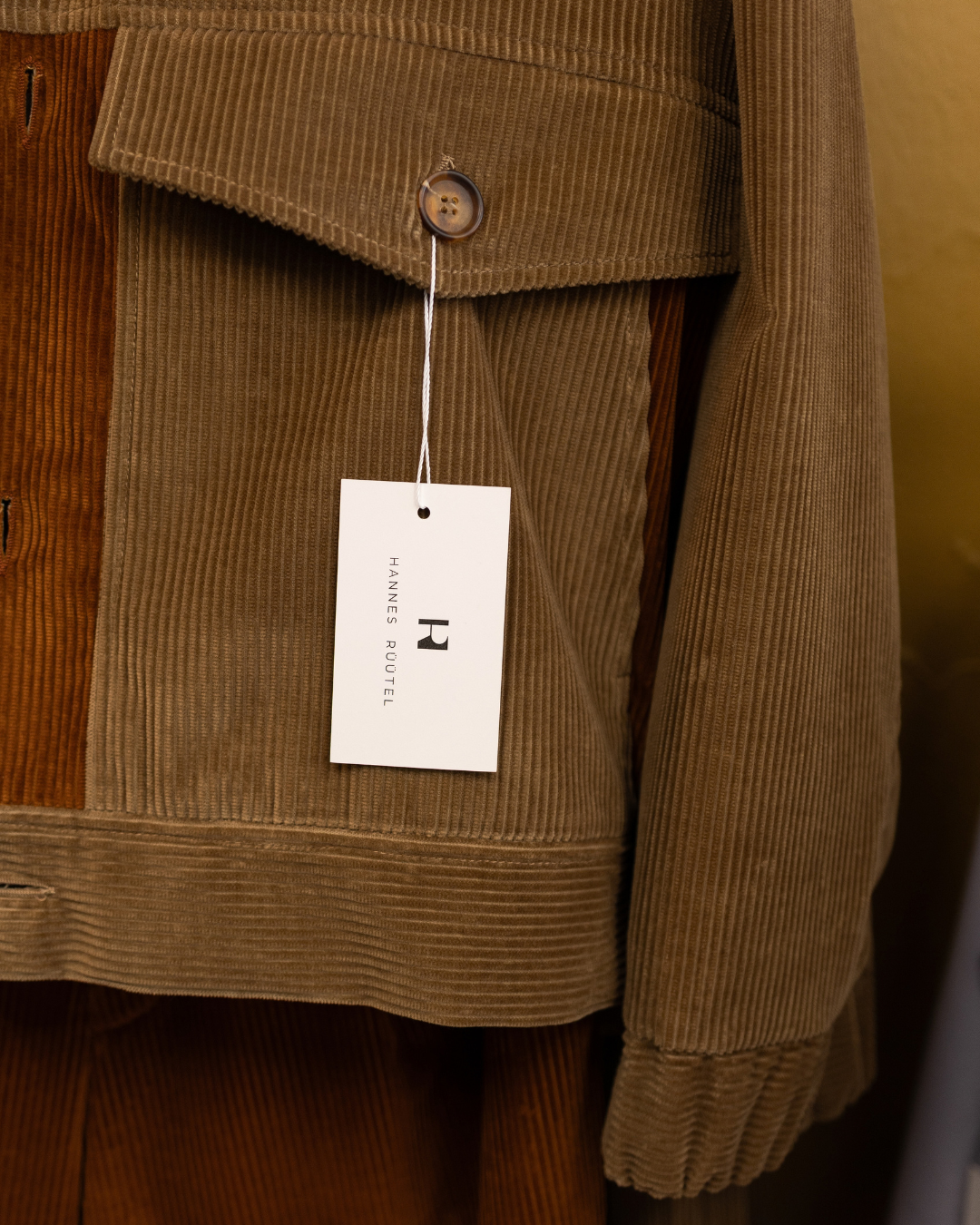
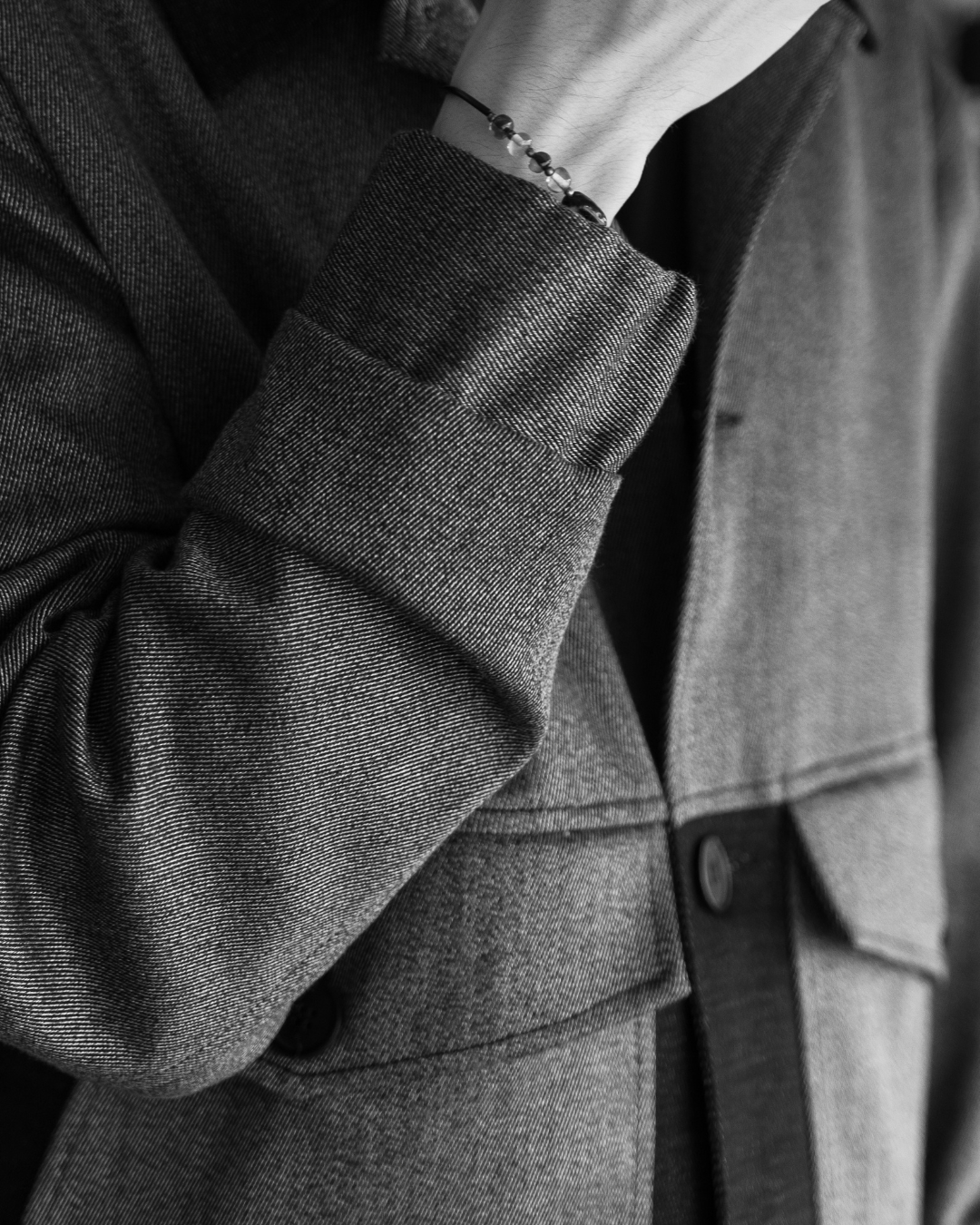
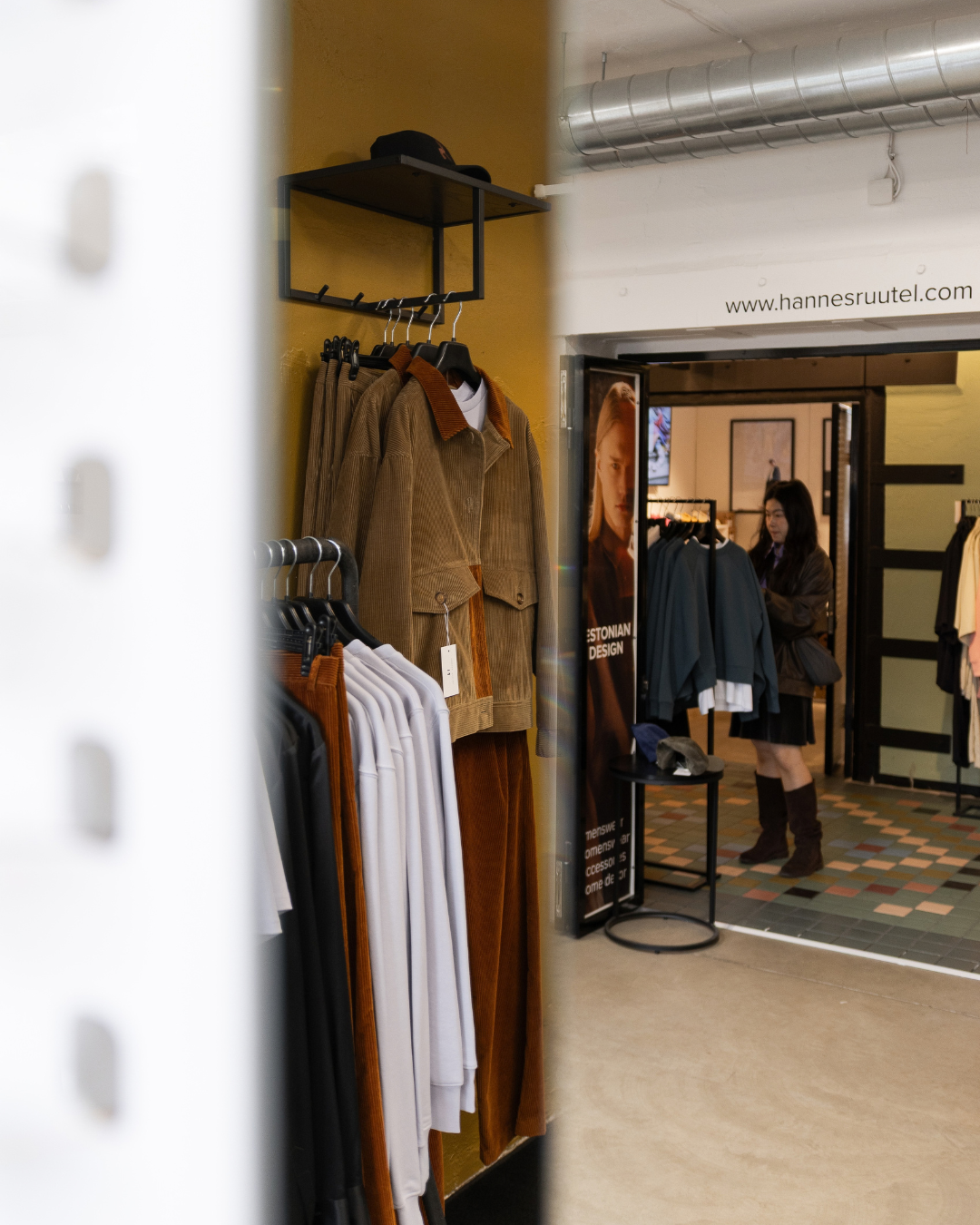
From the very beginning, Hannes’s work has focused largely on menswear. For him, this has been a very natural starting point – primarily because, as a male designer, he can try, feel and evaluate the pieces on his own body and determine whether they actually work. “I think everything through from my own perspective – whether I like it, whether it feels good on me, whether it’s functional enough when I’m wearing it.”
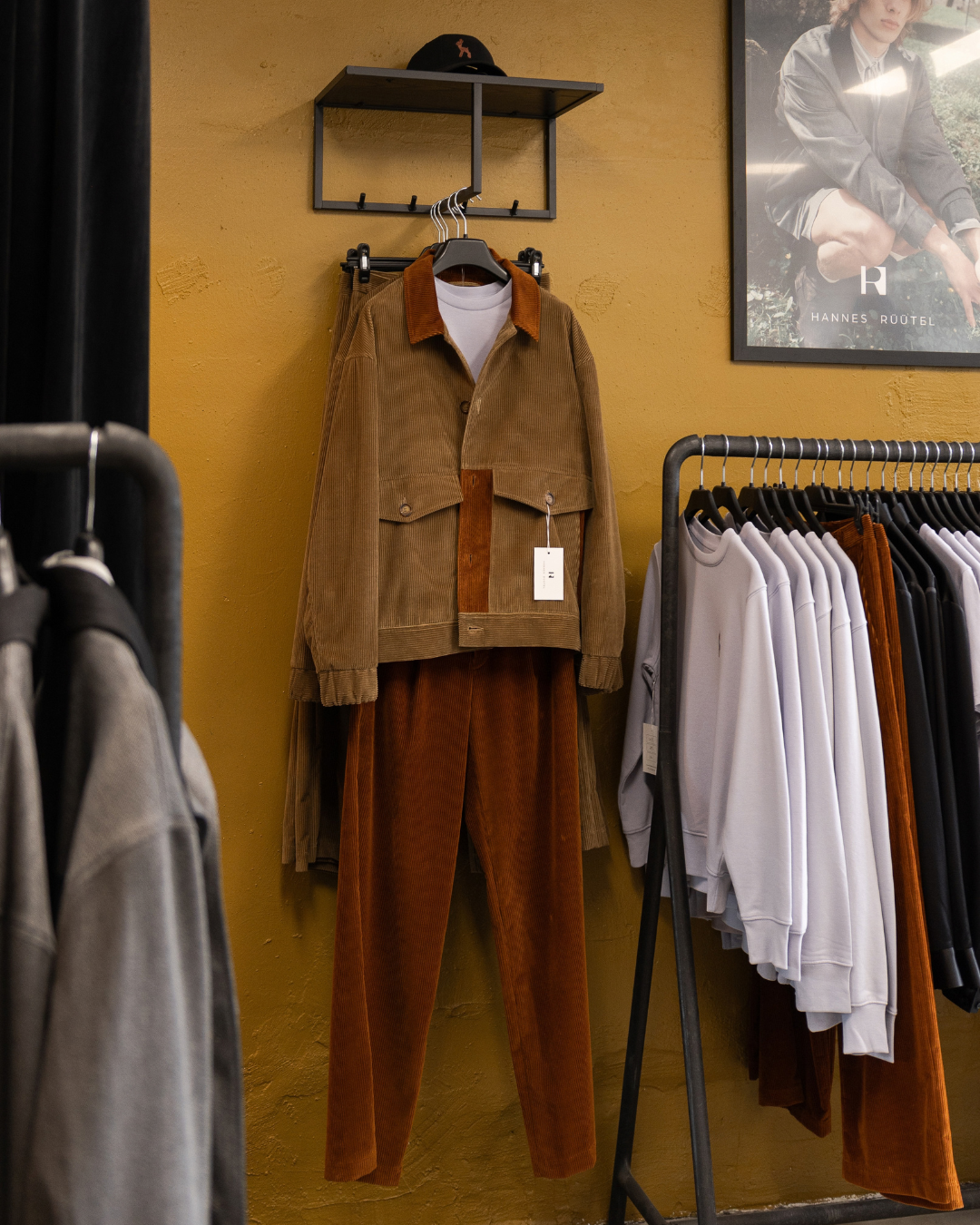
When it comes to menswear, freedom of movement is particularly important to him. He has noticed how the preferences of his own customers have changed over time – people who previously looked only for skinny trousers have started trying straighter and wider cuts. “Style doesn’t have to be restrictive in any way. On the contrary, you should feel as free as possible while still looking chic and good.”

There is no fixed formula for how a collection comes together. Sometimes it all starts with an emotion or a story he wants to convey. Other times, inspiration comes from a fabric, a pattern or a specific detail. “Sometimes you’re simply a little stuck with yourself and, so to speak, you squeeze the right thing out.” If the right feeling does not come, the ideas are put away in a drawer to wait, because for Hannes, forcing the process is not necessarily part of good design.
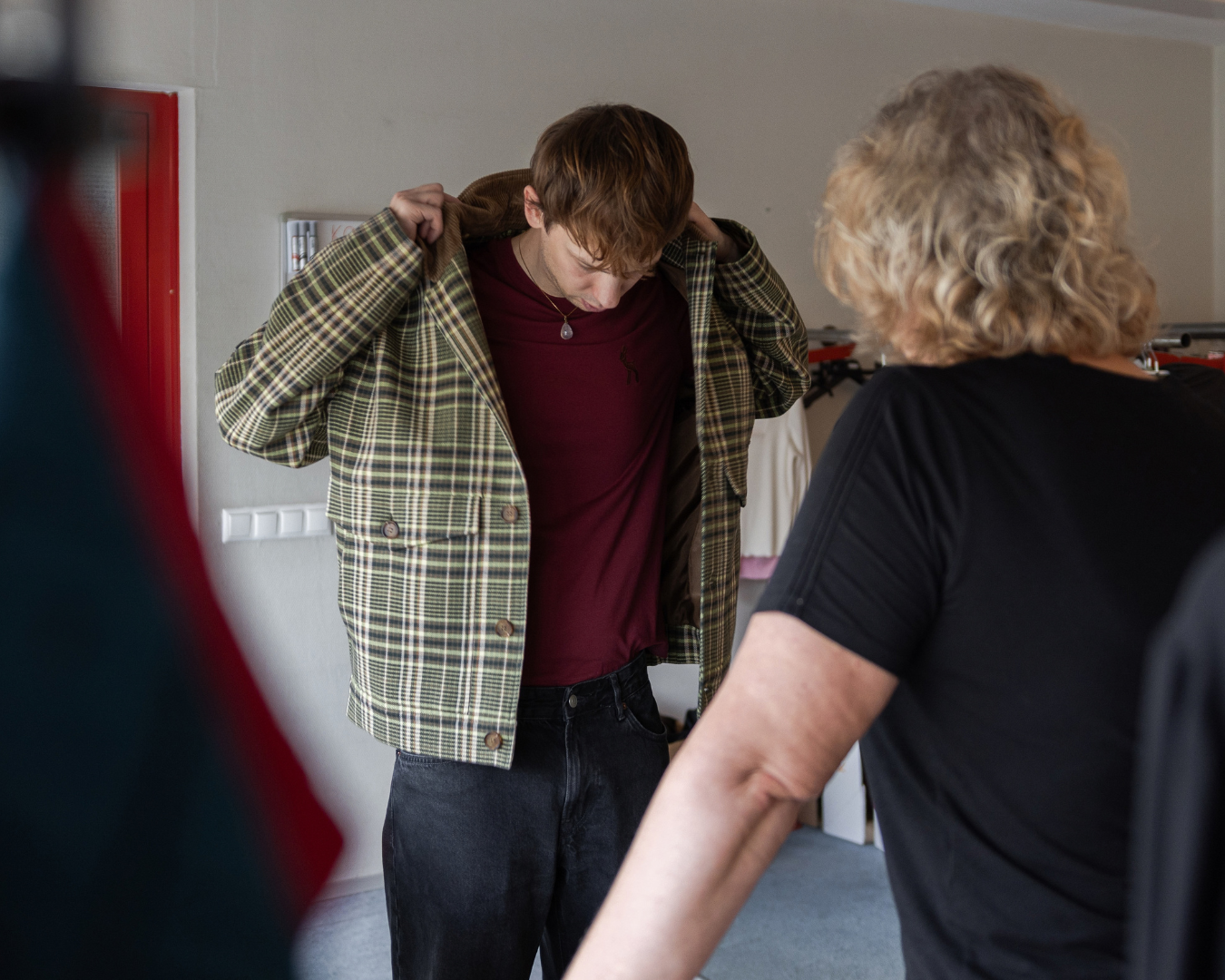
He takes an equally decisive approach to finished pieces. Once a sample is ready, he does not endlessly rethink decisions that have already been made. “Once I’ve made certain decisions, generally they stay that way.” There is always an opportunity to do something differently, but that opportunity belongs to the next season and the next collection.
Small-scale production, by choice

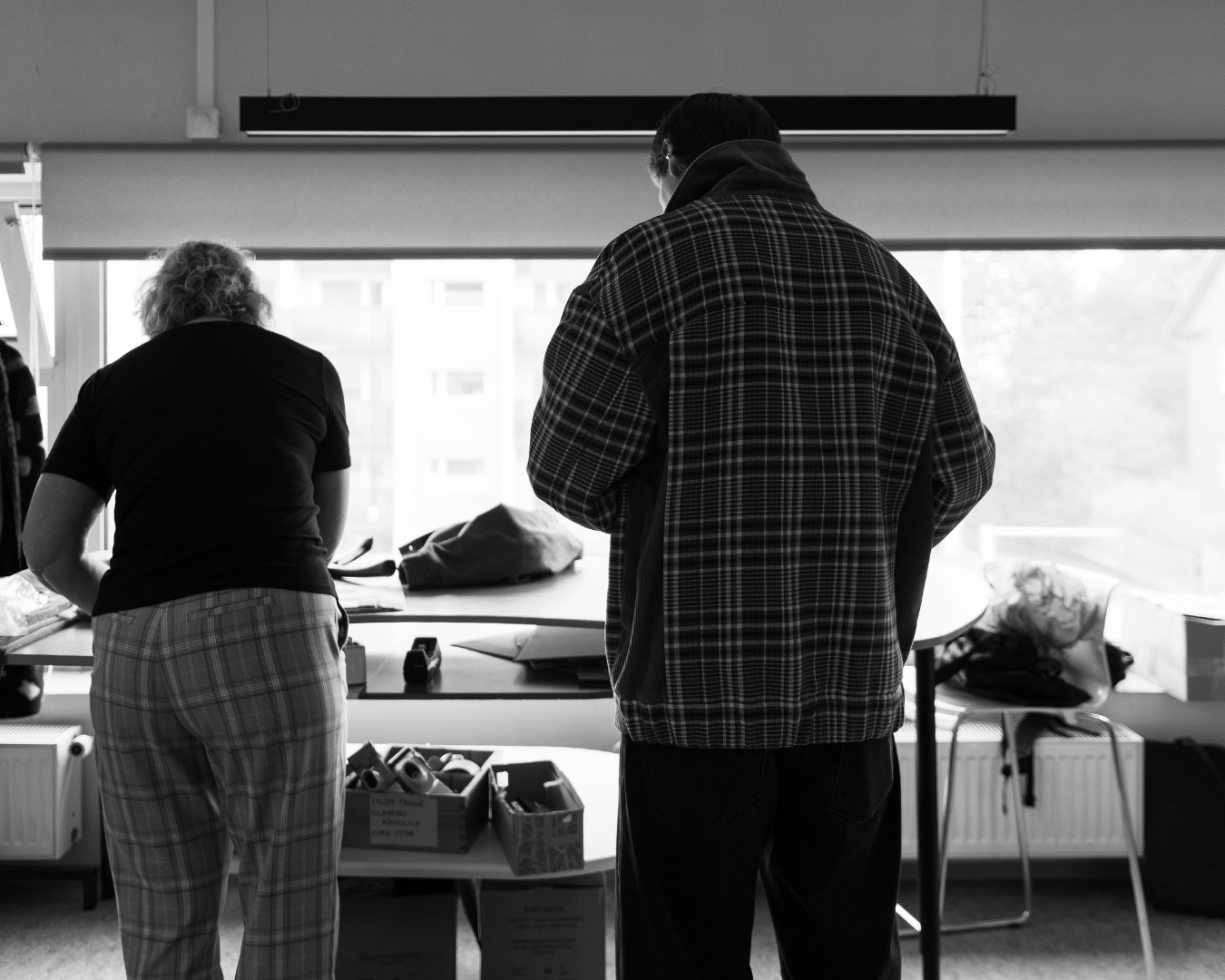
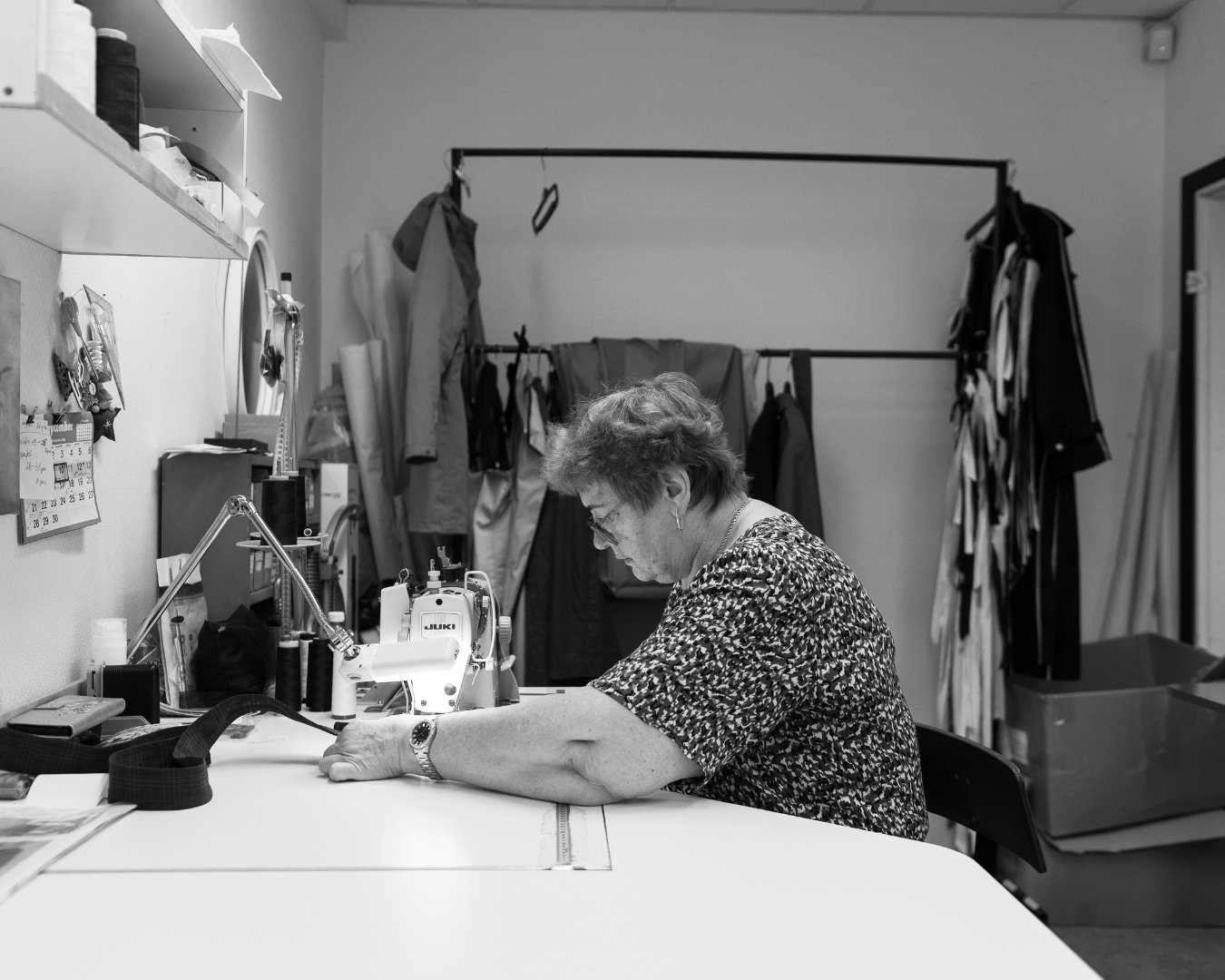
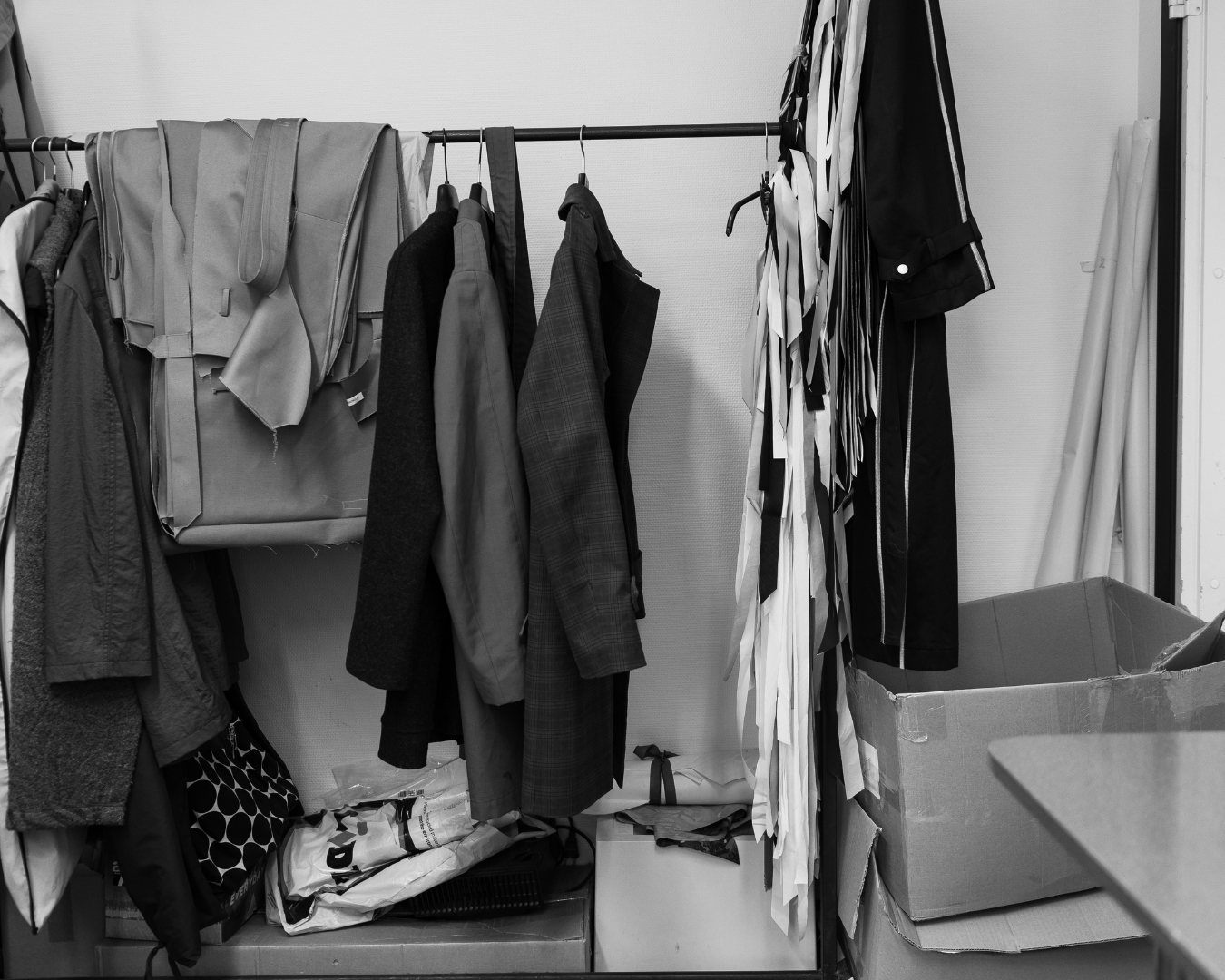
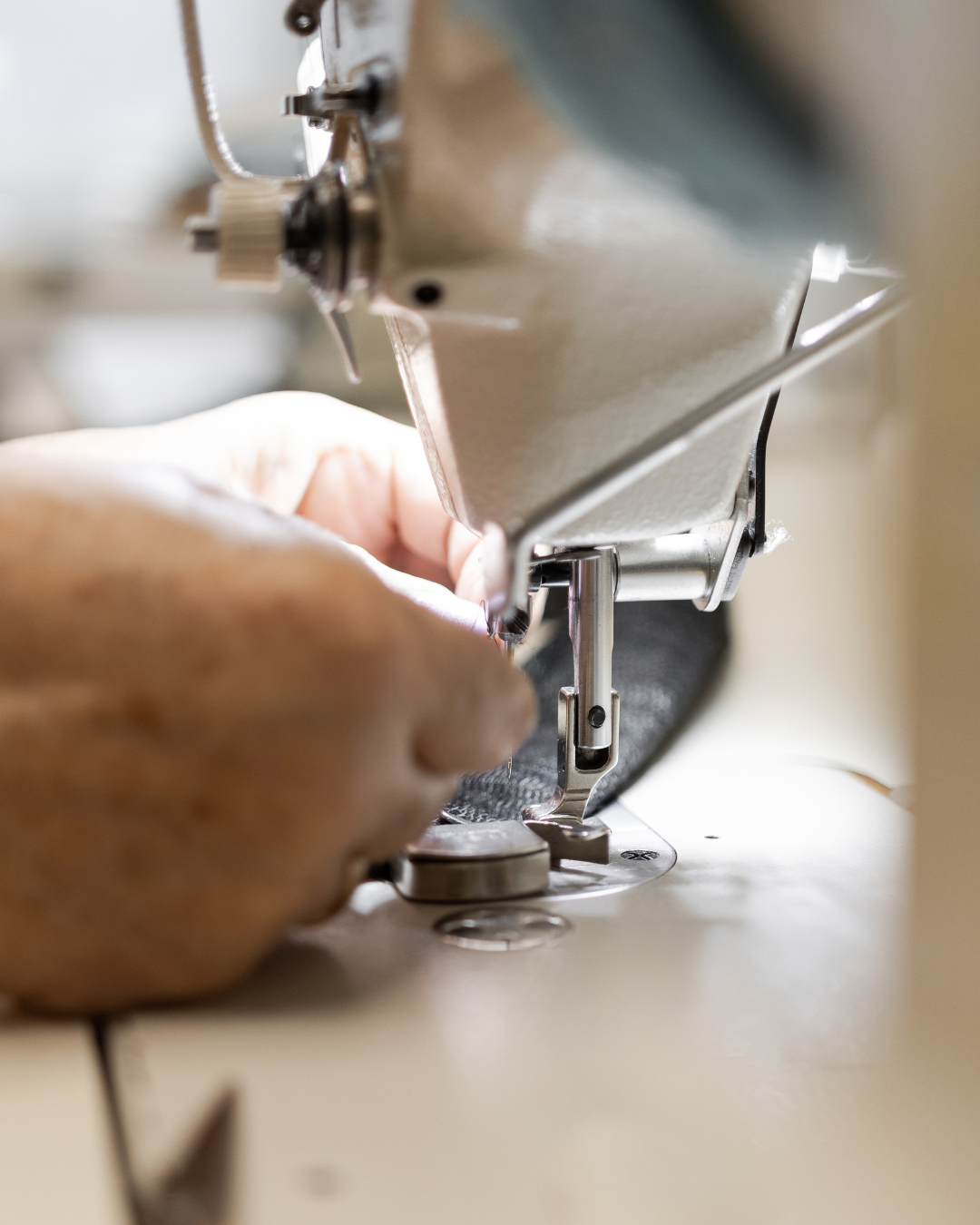
Producing in small quantities is largely a necessity for a small Estonian brand. At the same time, Hannes does not necessarily want to move away from it. “I don’t actually want to make the brand or the quantities that large either. Precisely to preserve the exclusivity of the designs.” The same principle is reflected in his working rhythm. During periods of production and sample-making, he visits Baltic Intertex, where a large part of his designs are produced. The rest of the work happens in the Telliskivi studio shop, on train journeys, while communicating with customers and packing orders for retailers. This is how a small brand often requires you to deal with a wide variety of tasks within a single day.
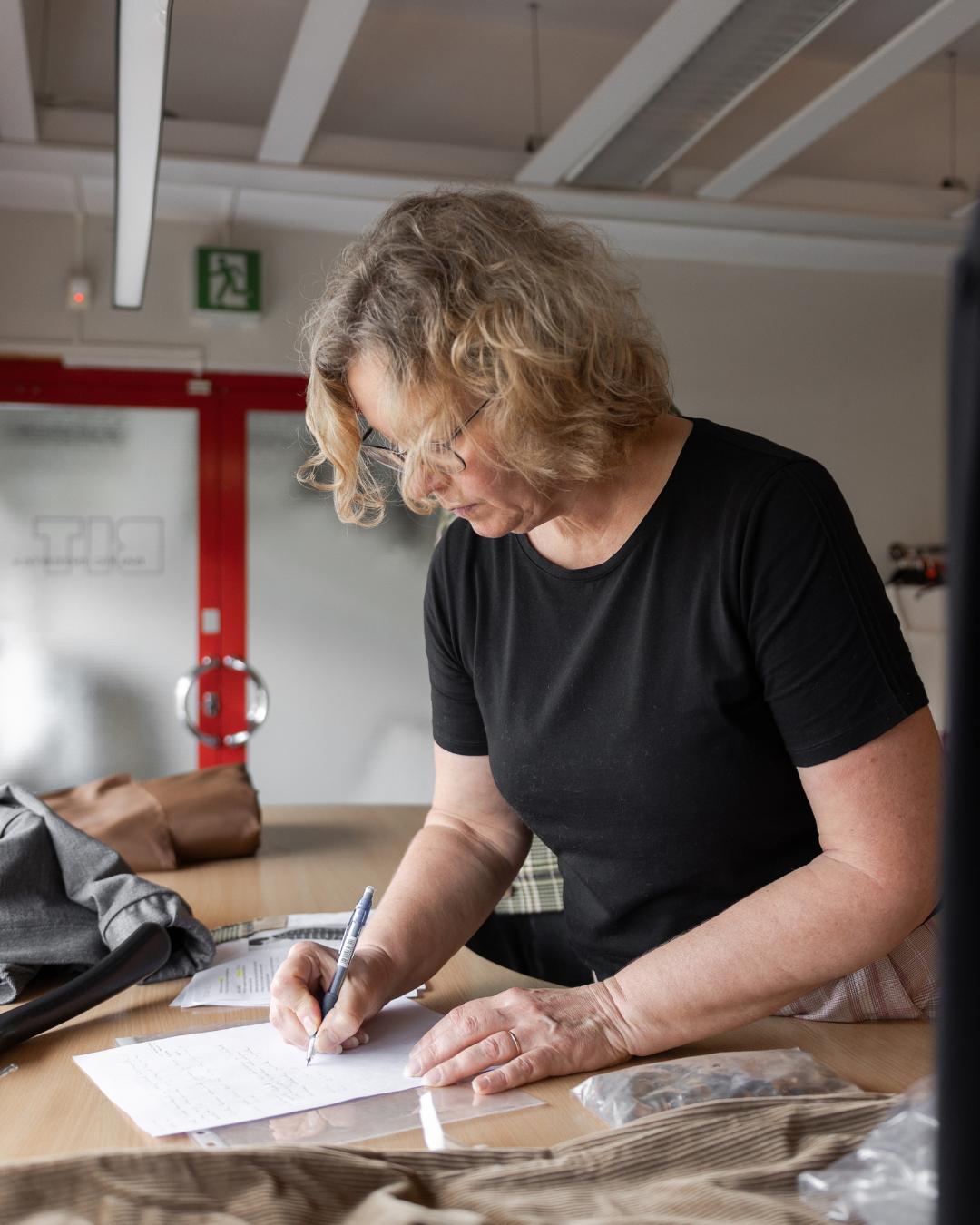
At the same time, smaller-scale production has given Hannes the opportunity to maintain greater control over what he does.

Finding his way back to his own signature

By now, Hannes has a fairly clear sense of his own signature. Reaching that point, however, was not entirely straightforward. With one earlier collection, he consciously tried to move towards what customers were buying more of and what they might expect from him. His earlier collections had featured earthy, pastel and brown tones, while the third collection moved instead towards grey, blue and black. “The customers actually liked it. It sold well and was genuinely successful.” At the same time, Hannes felt that something was not quite right inside. “I got my answer, but I felt this anxiety and confusion inside me that this wasn’t quite the right path.”

So he returned to his roots. And that experience confirmed for him that staying true to his own signature can be more important than constantly adapting to every moment. “It gave me confidence that what I’m pursuing at the moment, and what is coming from within me, is the right direction.”

For Hannes, the community that has formed around the brand is extremely important. “The biggest win is that I feel like loyal people have gathered around me who genuinely follow and care about what I do. Or when I see someone on the street wearing a design of mine from a couple of years ago and they’re still wearing it – that inner joy is actually the biggest win for me.”

One of the biggest challenges, however, has been the small size of the Estonian market. “Simply the fact that there are so few of us and the customer base is so small.” At the same time, Hannes’s solution is not to grow at all costs. Quite the opposite – he speaks about the need to make decisions calmly and strategically. “You don’t need everything immediately. Things need to be moved forward step by step and intelligently, because that’s how things remain stable and well cared for.”

The next step may take him beyond Estonia

In the future, Hannes wants to further develop his online shop and offer customers the same pleasant experience there as they have in the physical studio shop. “My little secret wish is that one day I’d like to open another shop in one of the neighbouring countries.” This wish does not mean abandoning the world he has built so far. Rather, it means taking it further. Because even if the brand grows, it is important to Hannes to preserve what it all began with – a personal signature, deliberately small-scale production, nostalgic stories and the feeling that the clothes are made for real people.

One of the challenges for the next stage is finding people for his team who can understand this world in the same way. “At some point, I’d like my vision to be able to get into someone else’s head as well.” This does not mean imposing his signature on others, but finding a shared understanding. Because ultimately, there is no single absolute “right” solution. There are different perspectives, interpretations and possibilities.

For Hannes, the most important thing is that throughout all of this, the essence of the brand remains intact. To carry forward from the past those moments that have meaning, to let new ideas emerge at their own pace, and to build a world around them that leaves room for functionality, playfulness and nostalgia alike.


Interviewed: Margaret Aidla

Photos: Karmen Alamets