NÜÜD CERAMICS: The Art of Patience – A Life with Porcelain

NÜÜD CERAMICS: The Art of Patience – A Life with Porcelain

16.11.2026

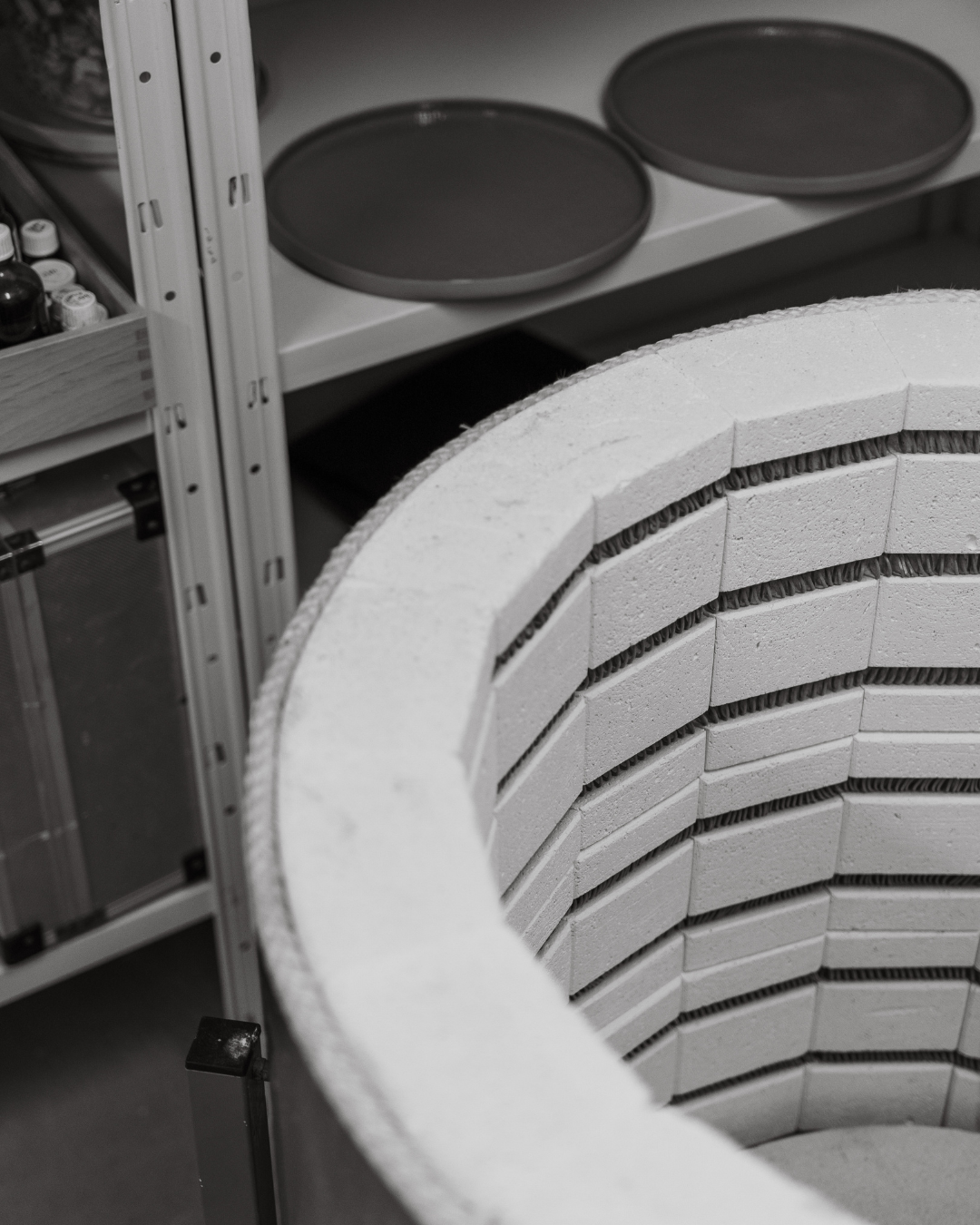
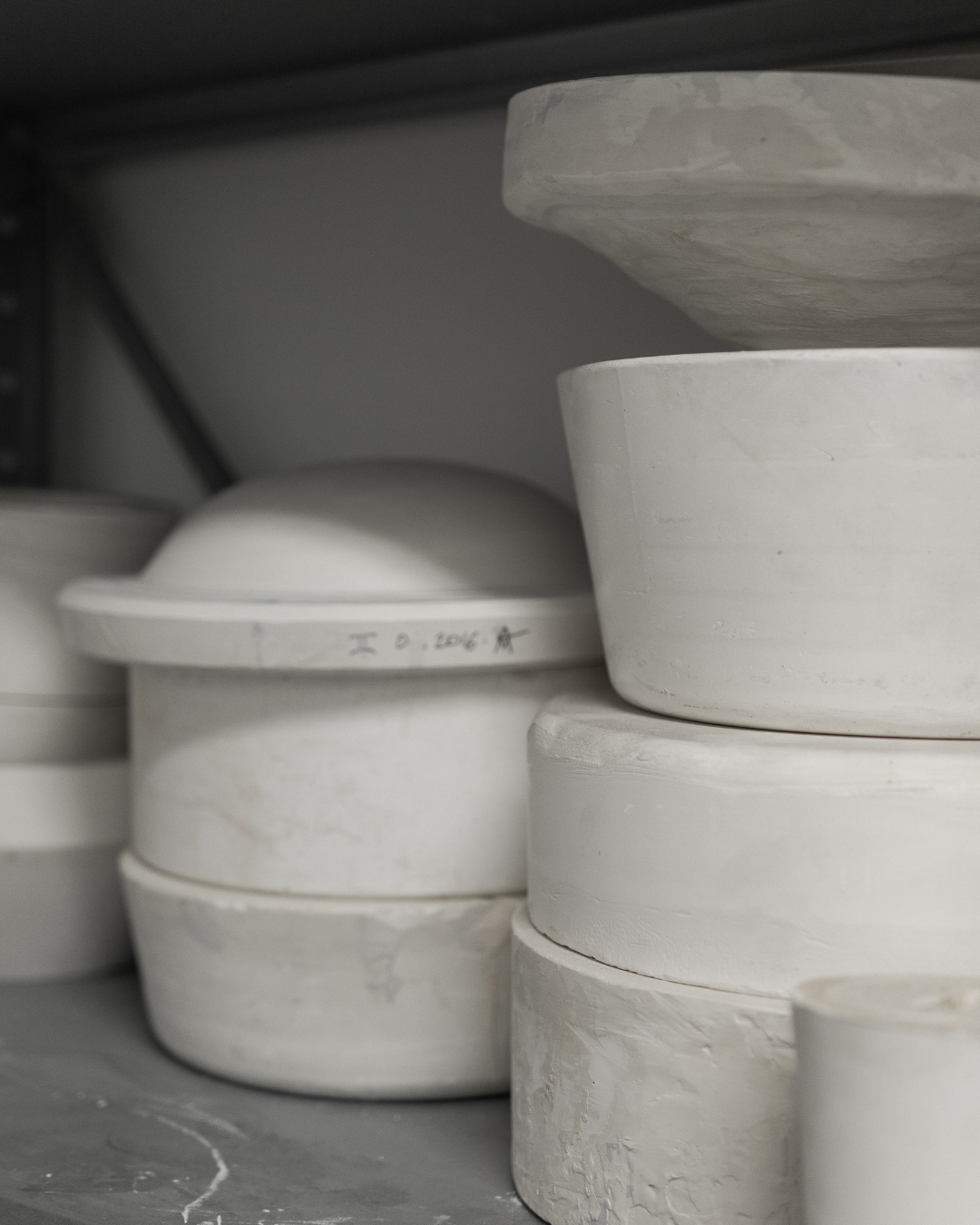
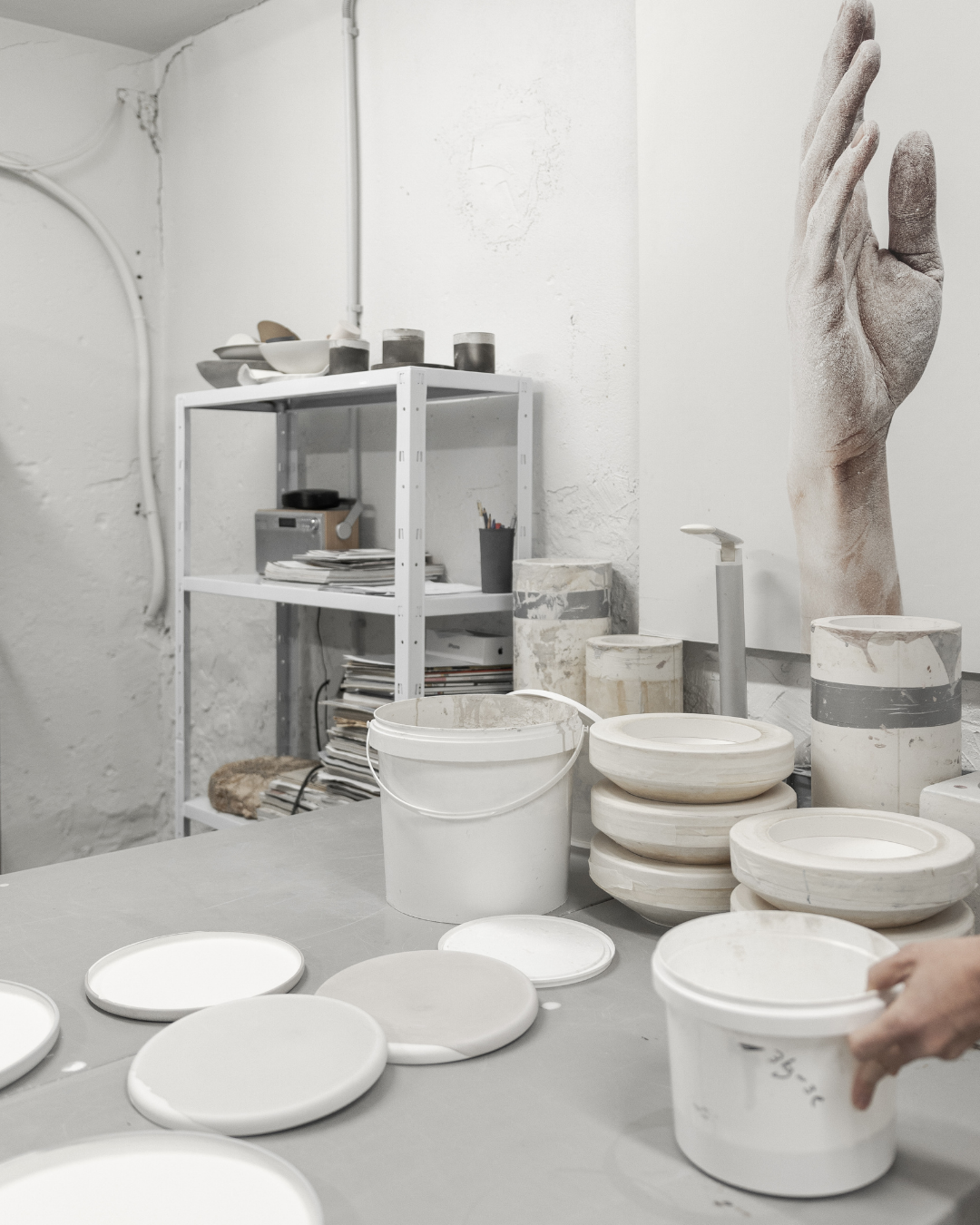
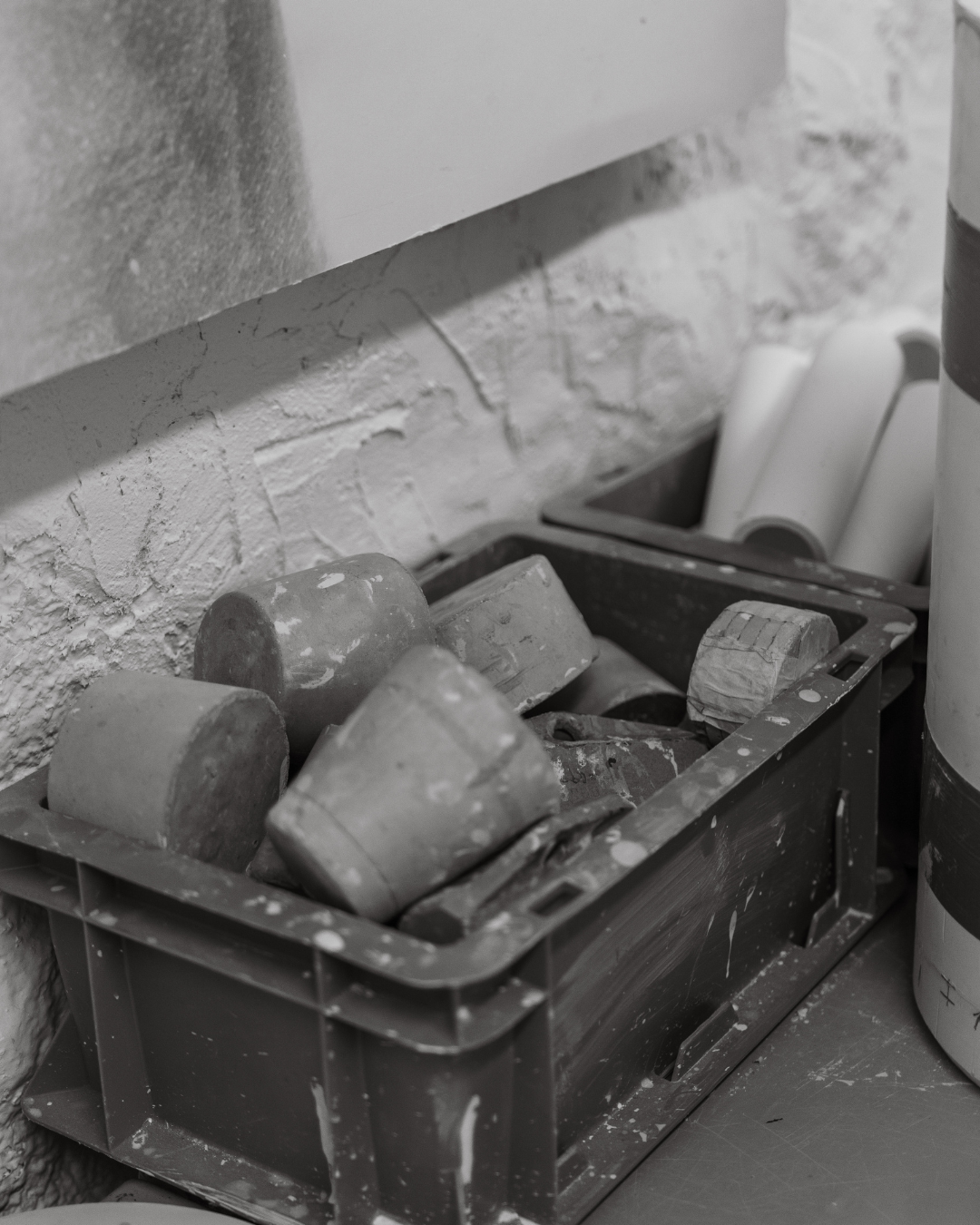
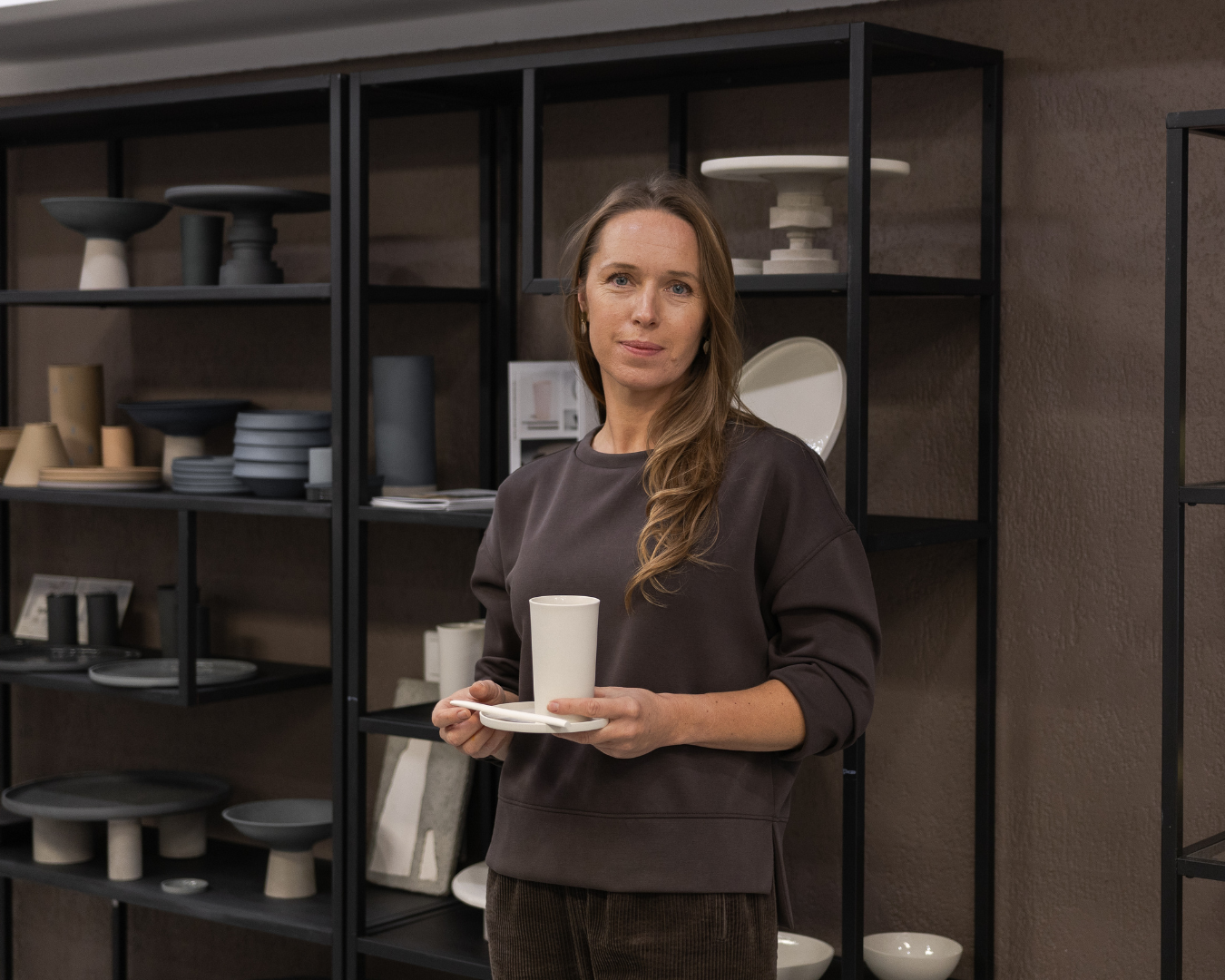
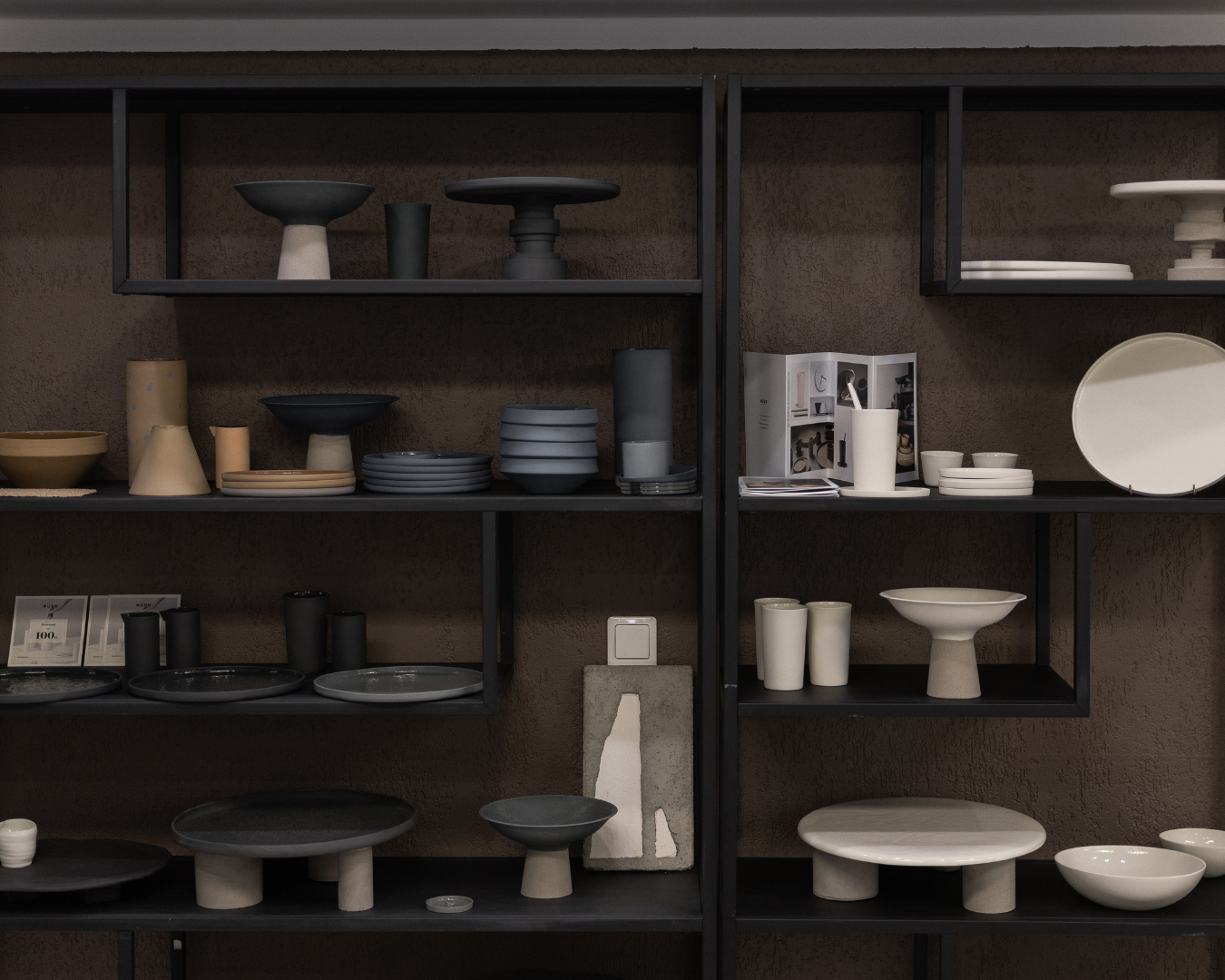
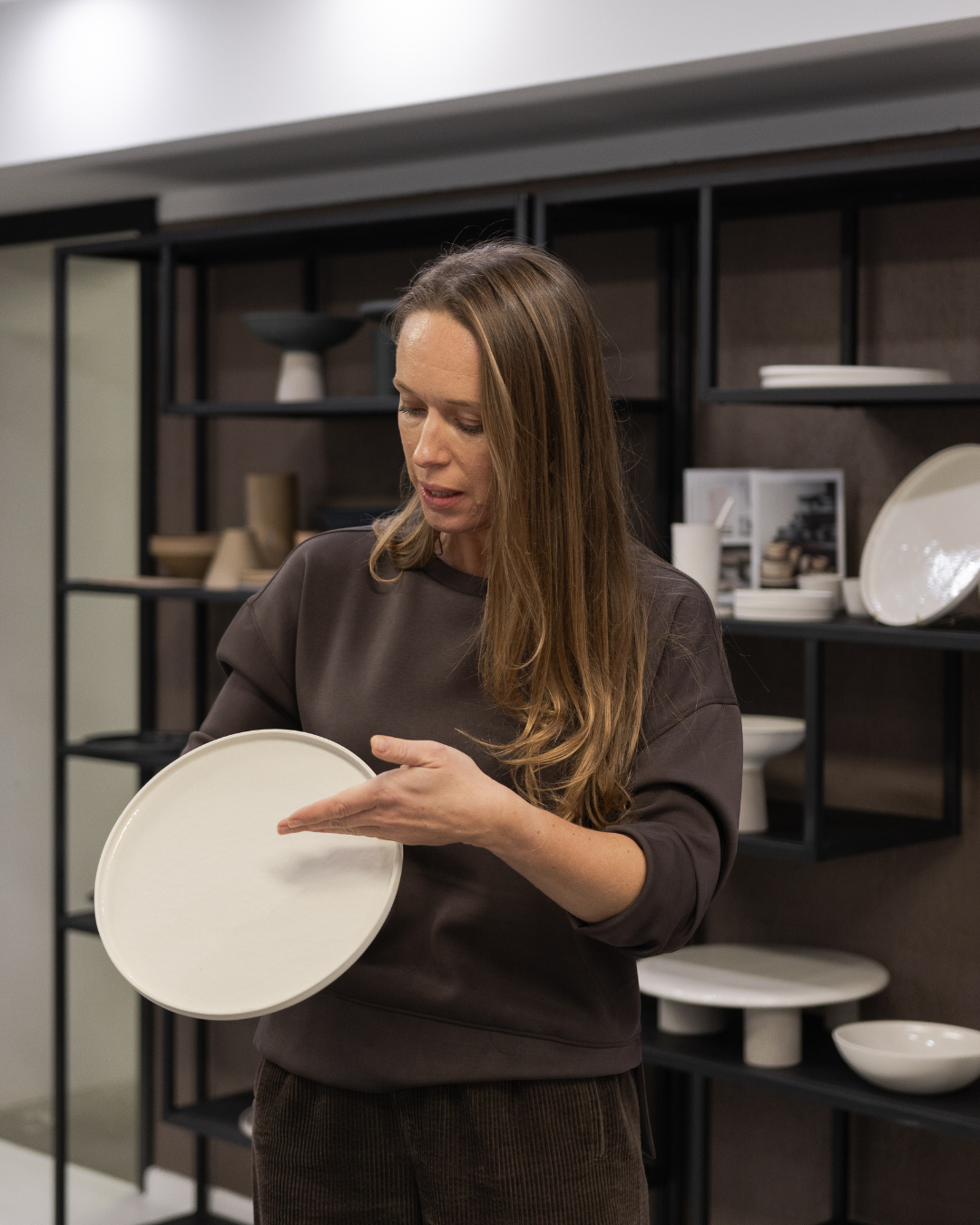
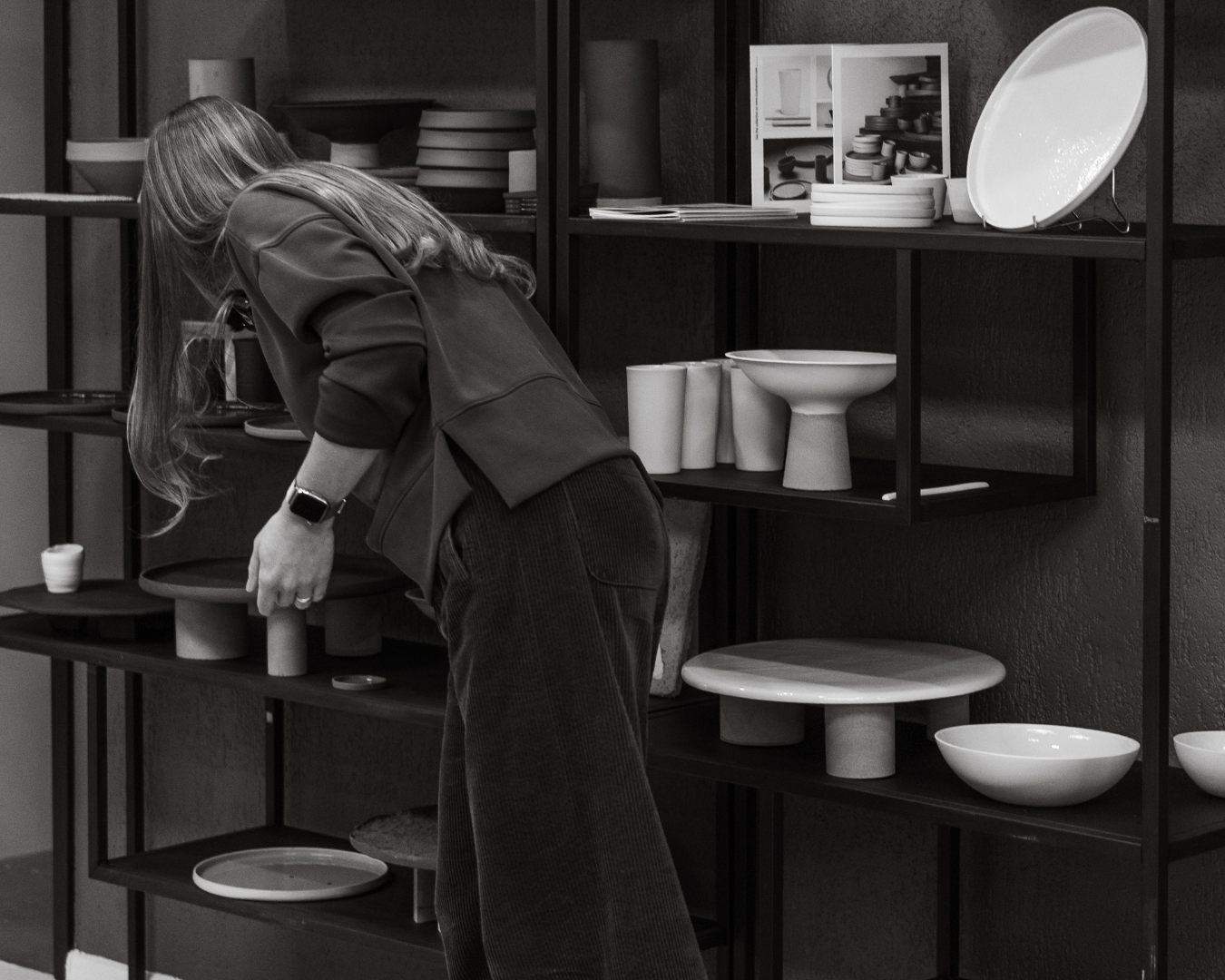
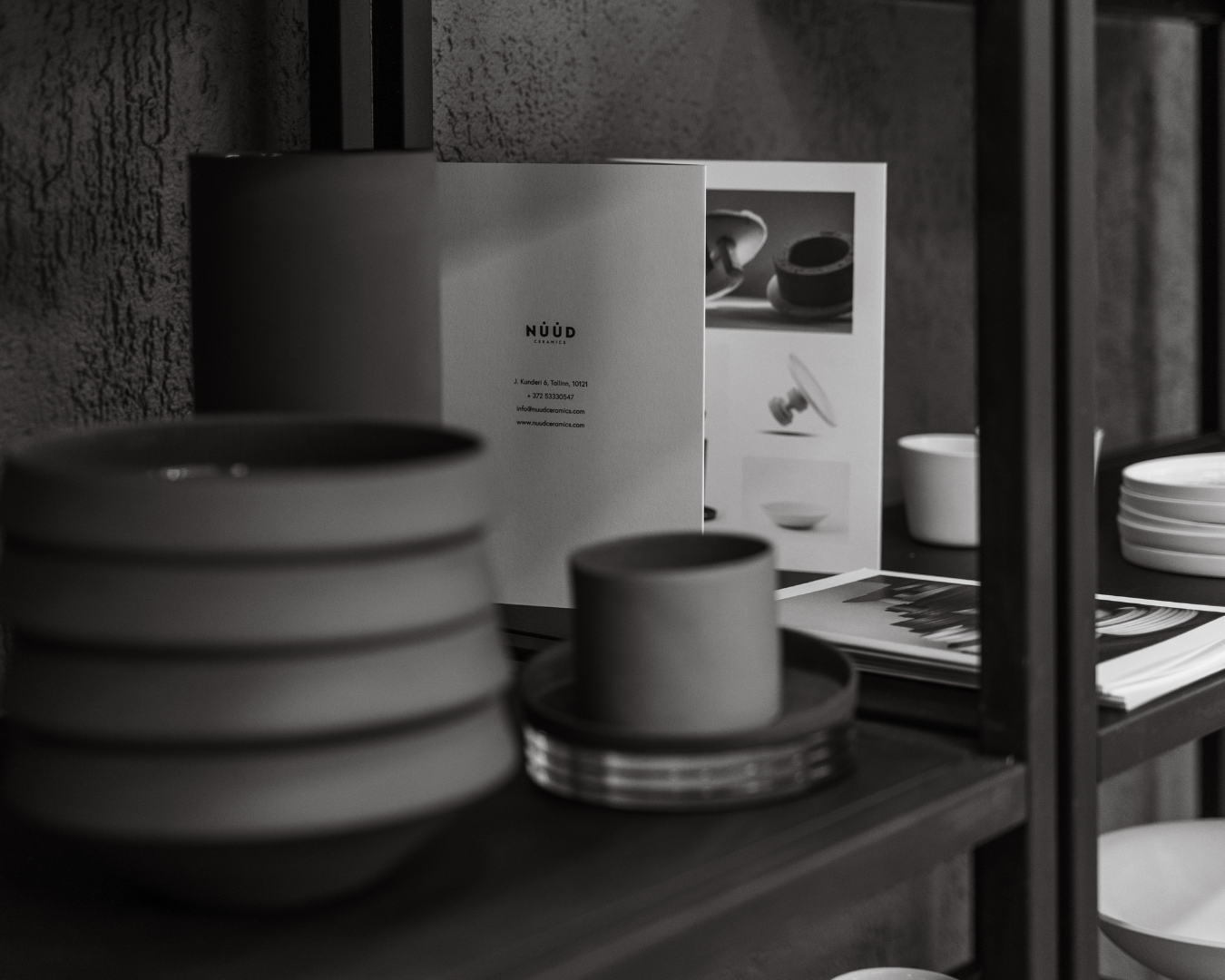
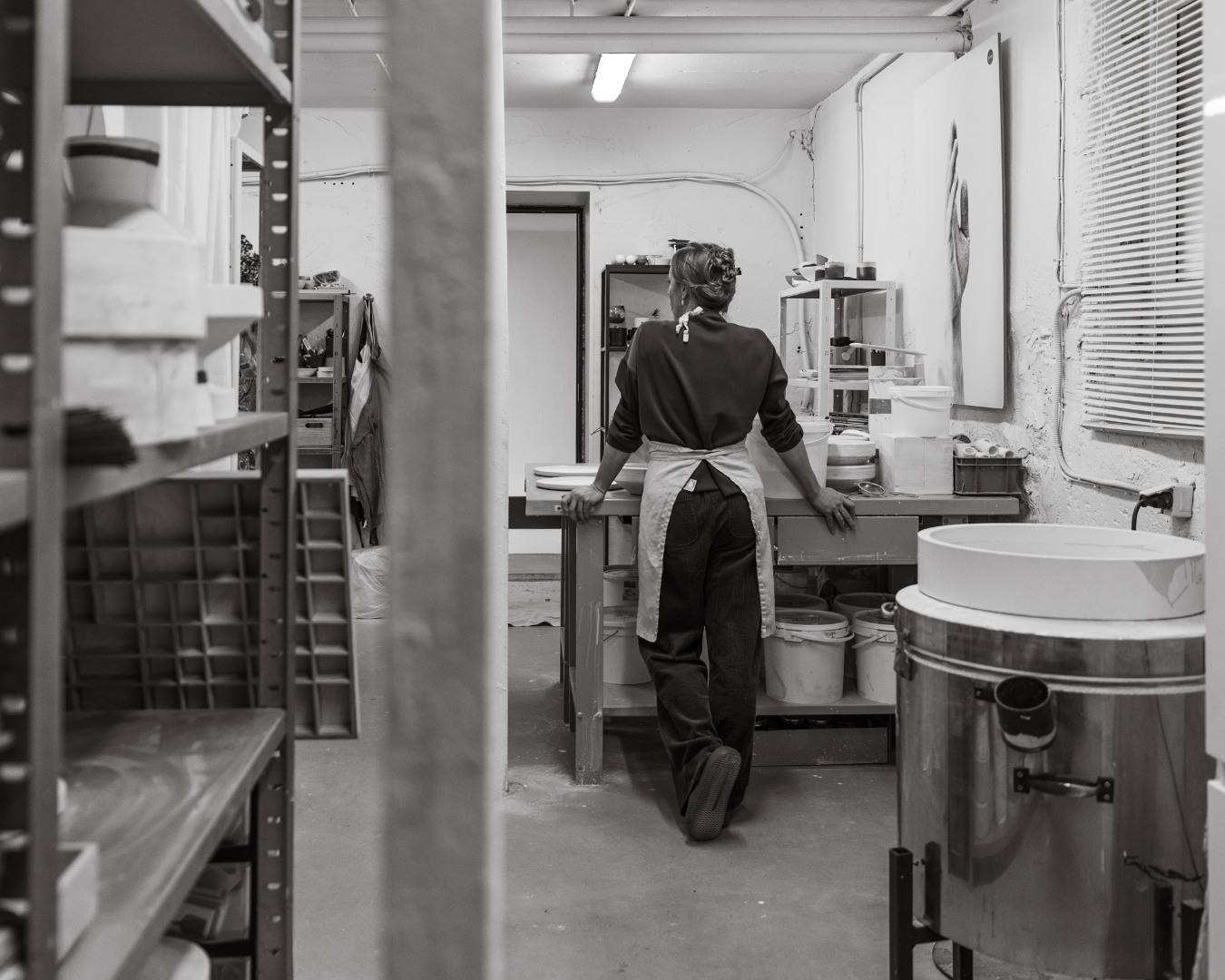
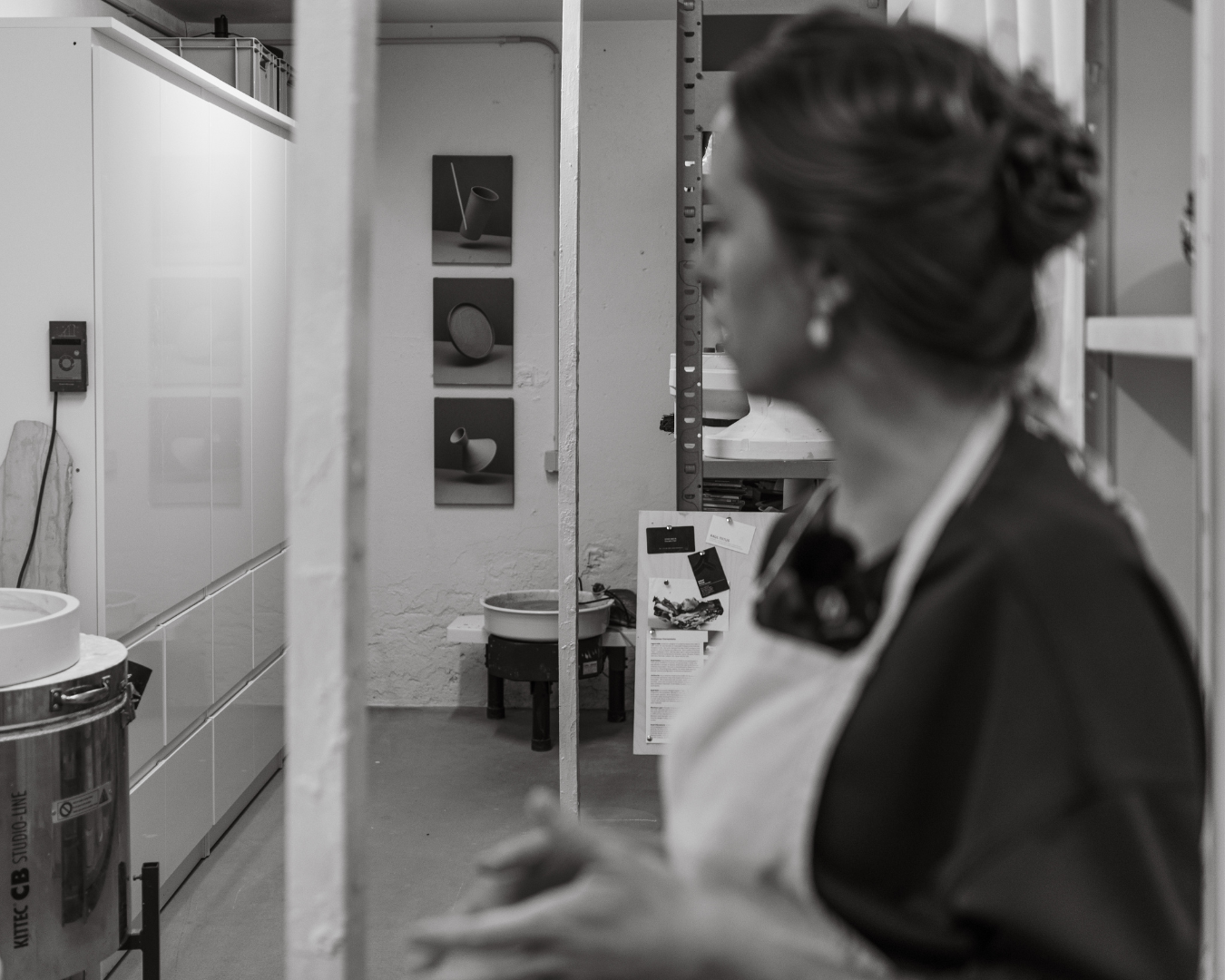
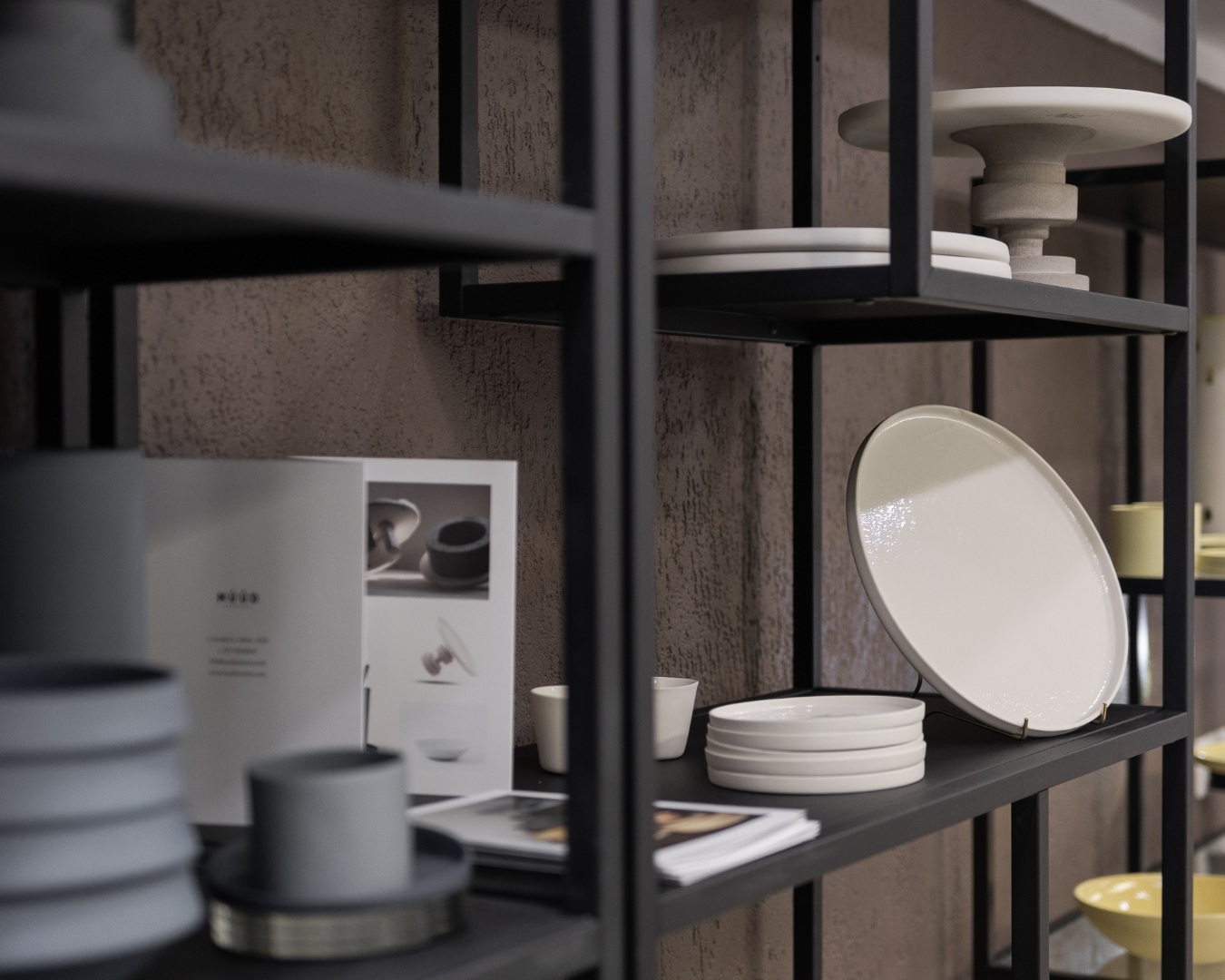
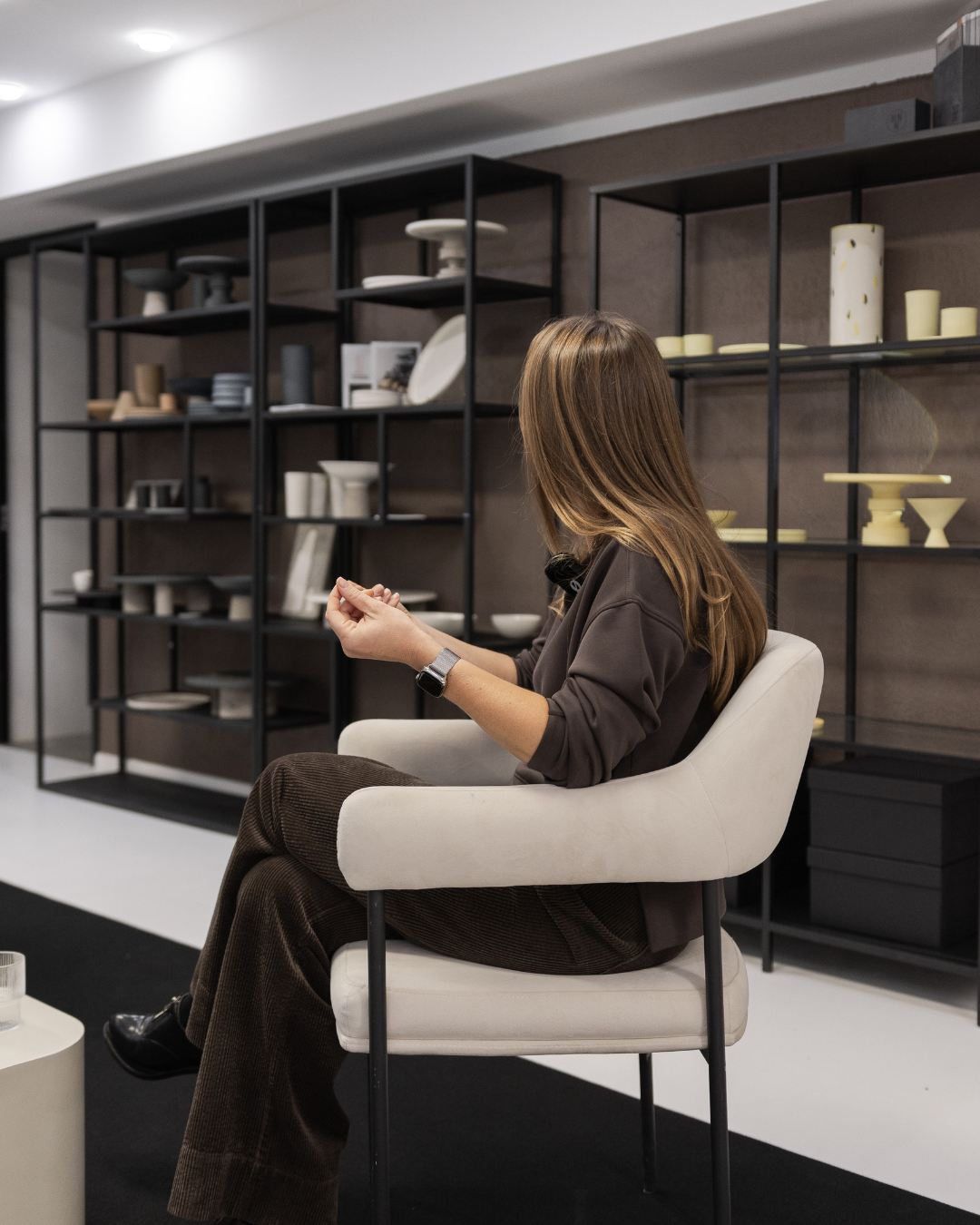
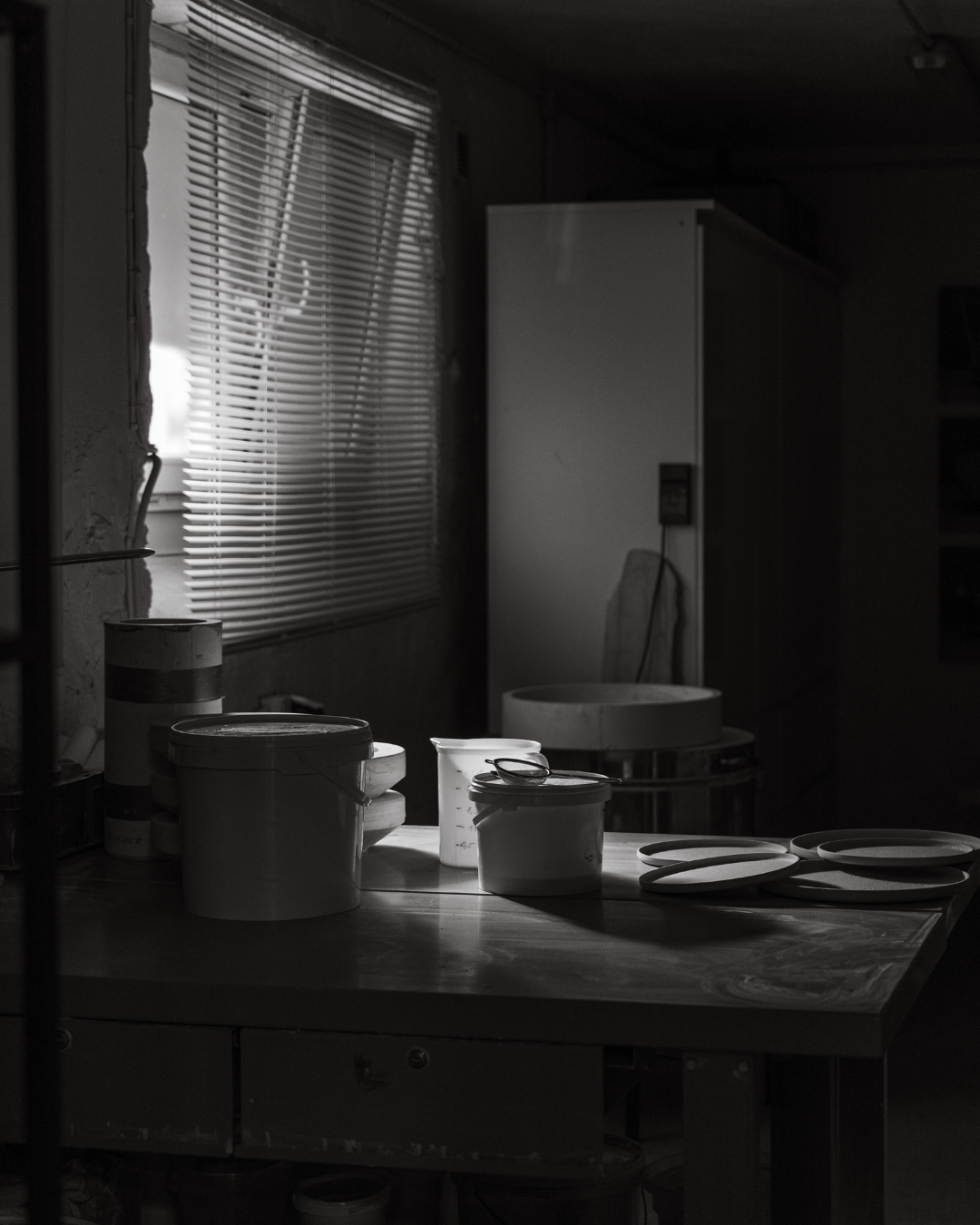
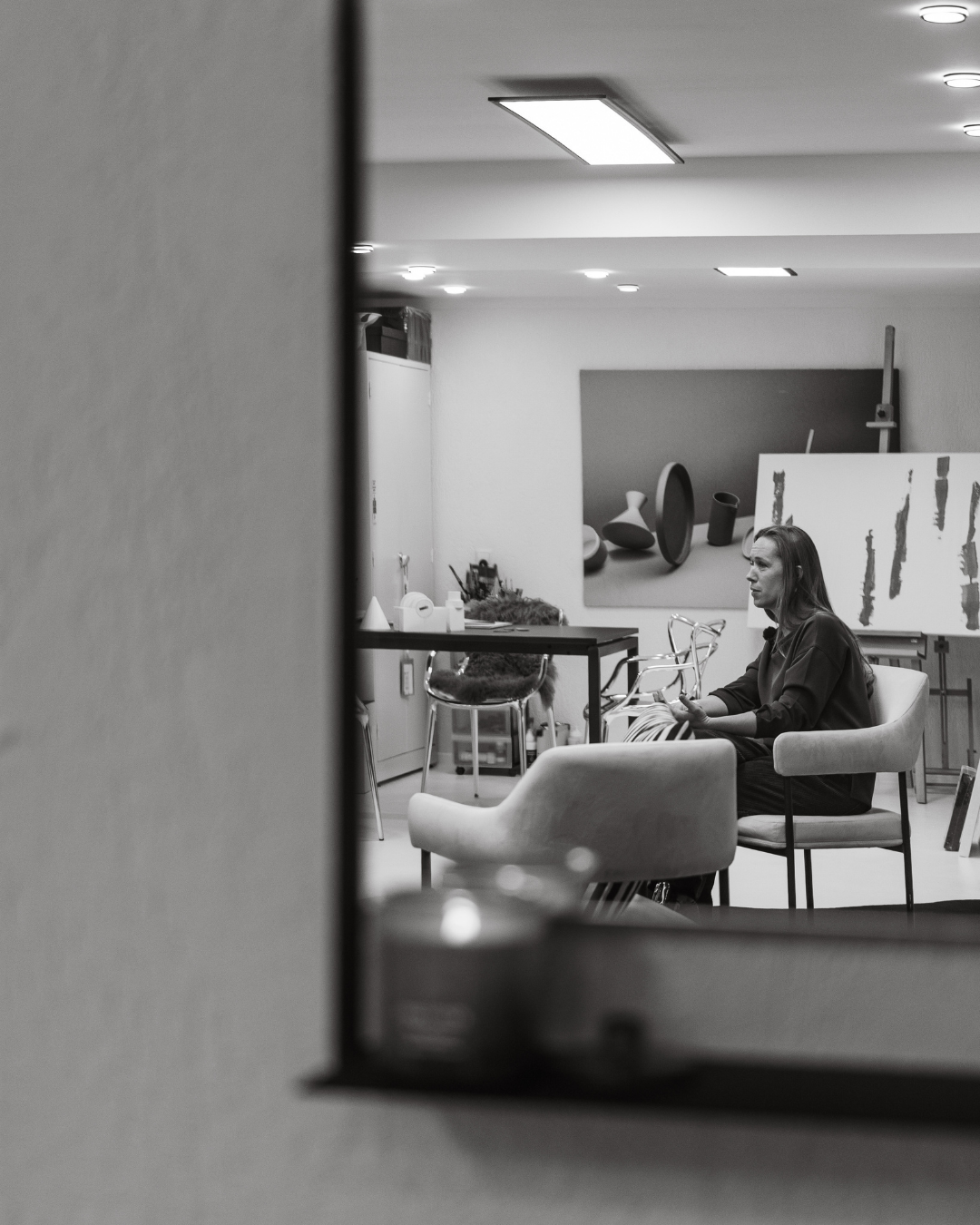
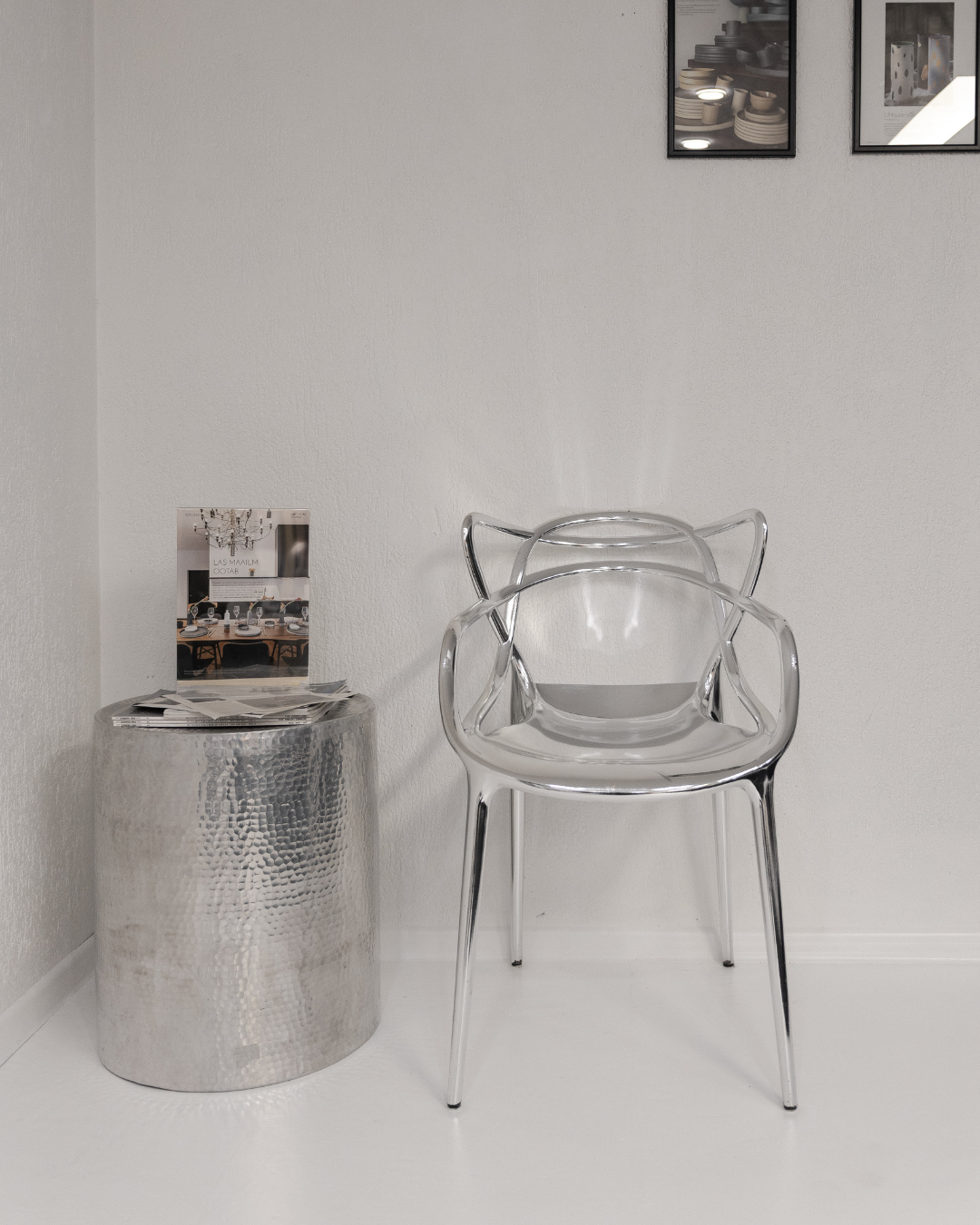
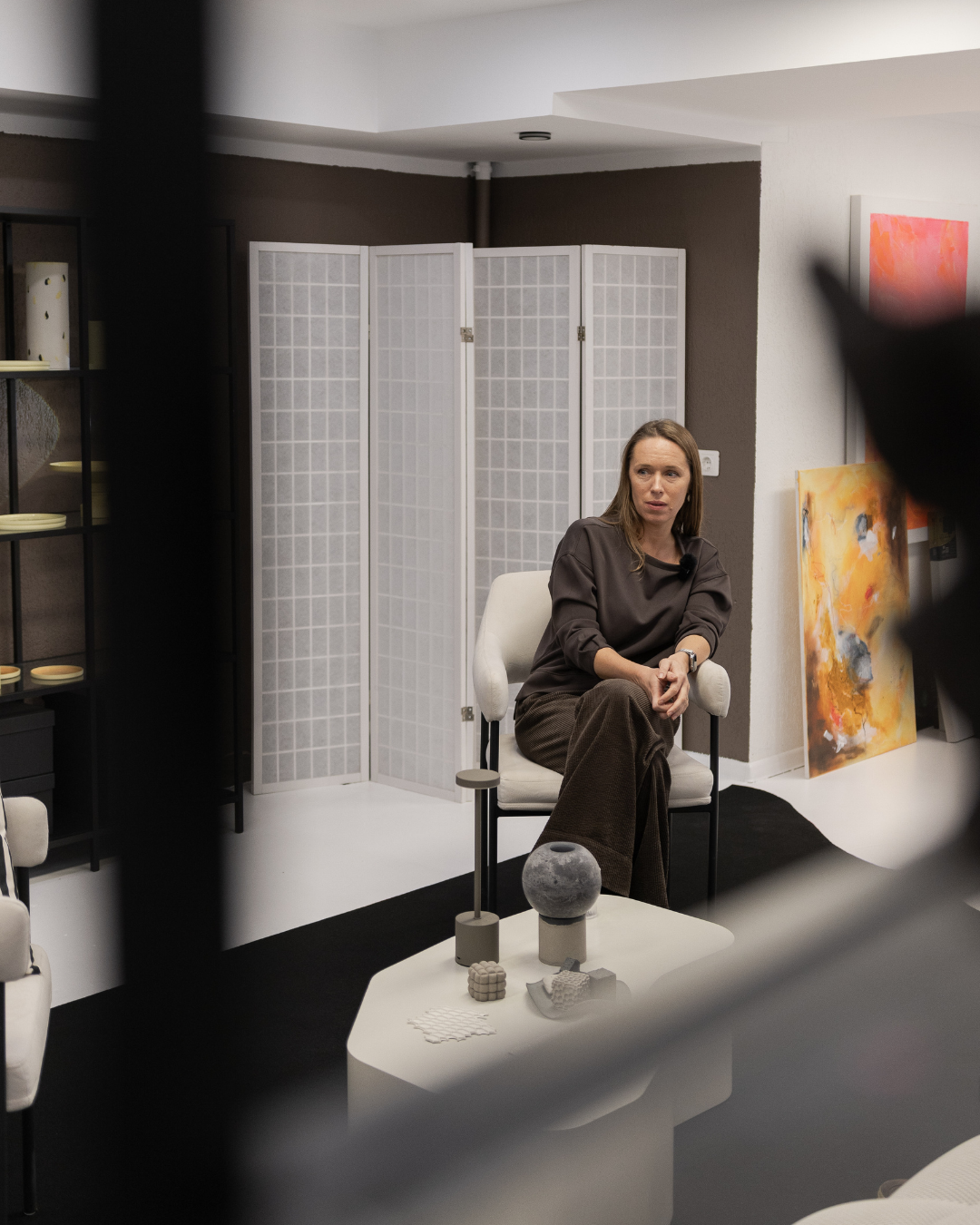
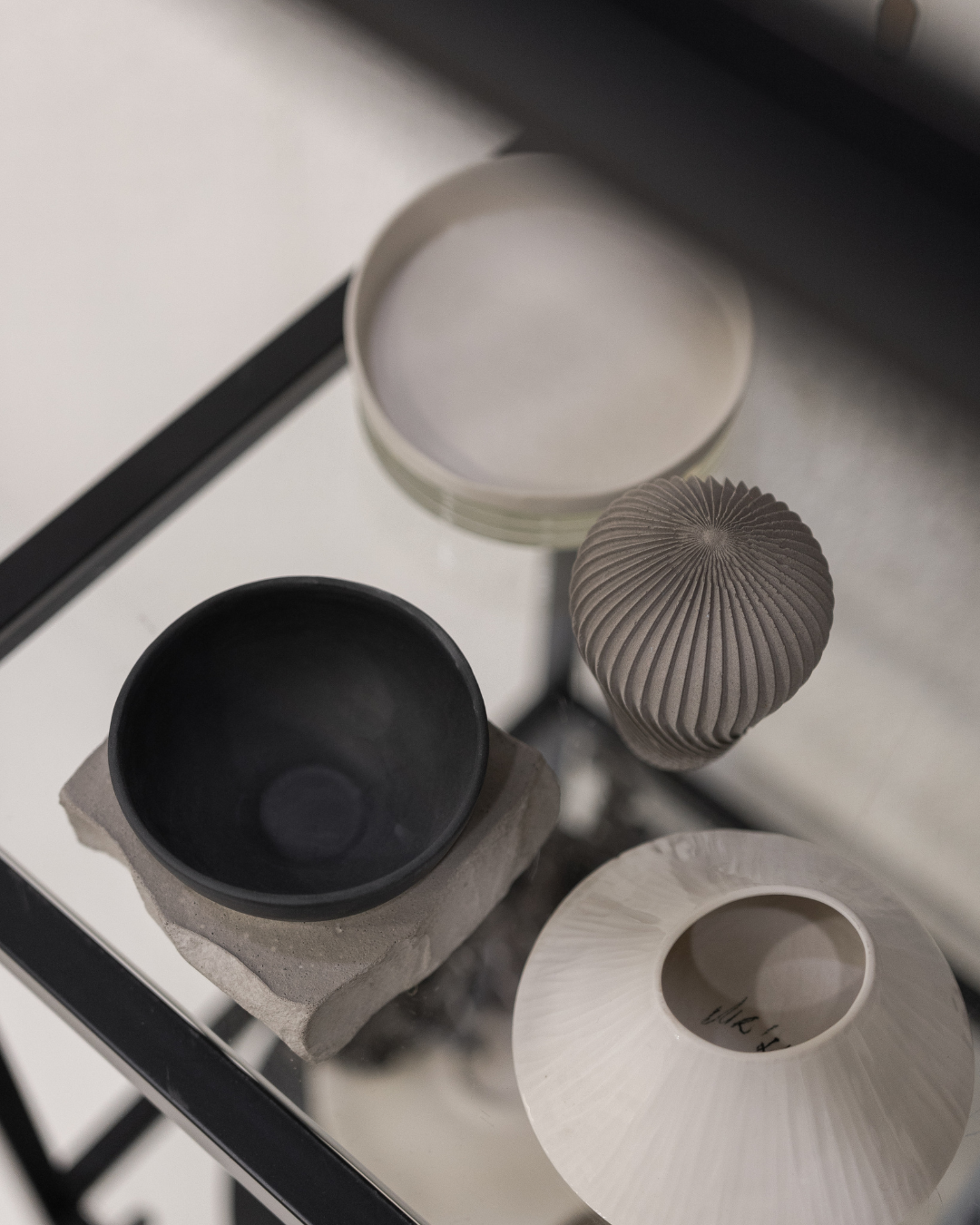
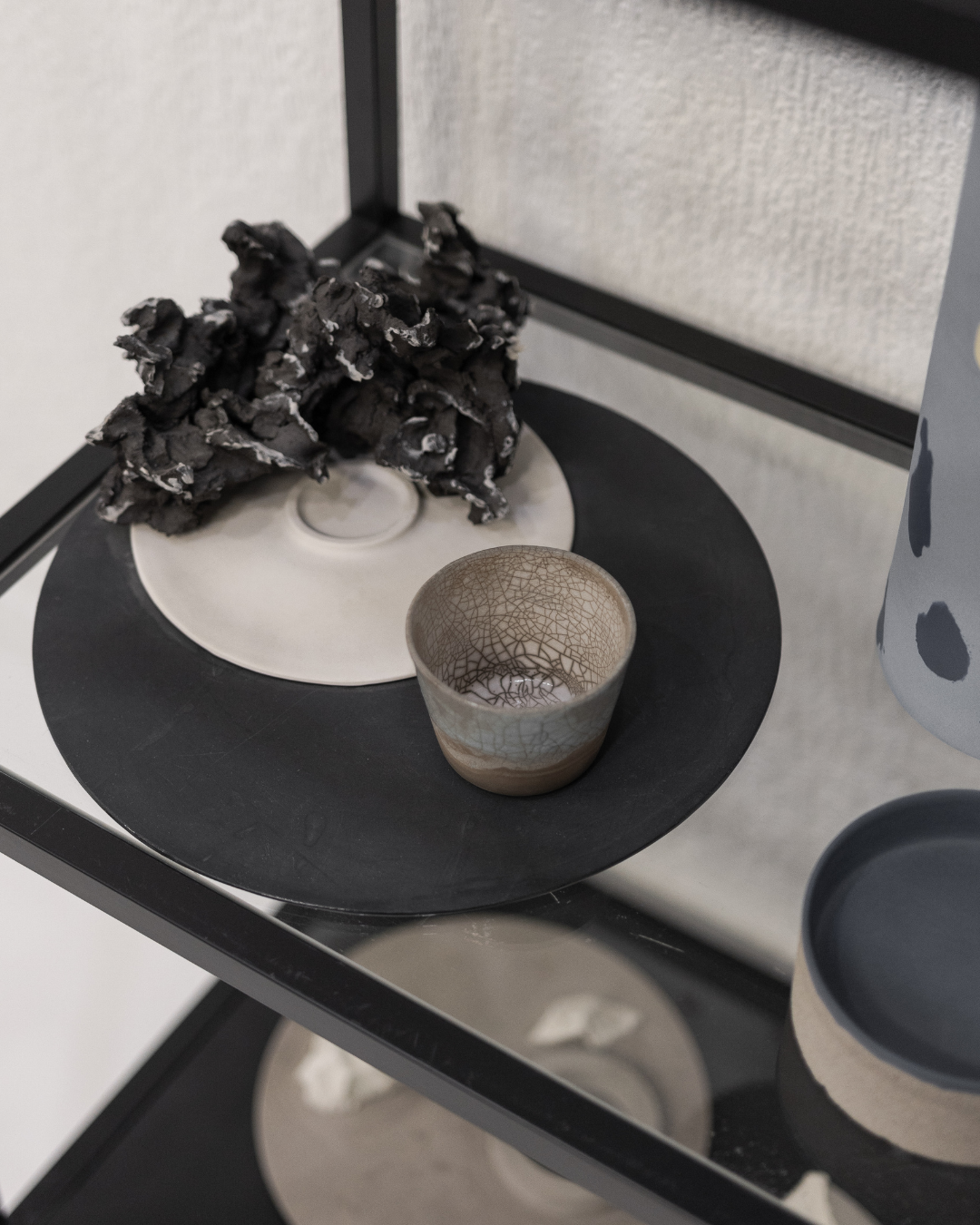
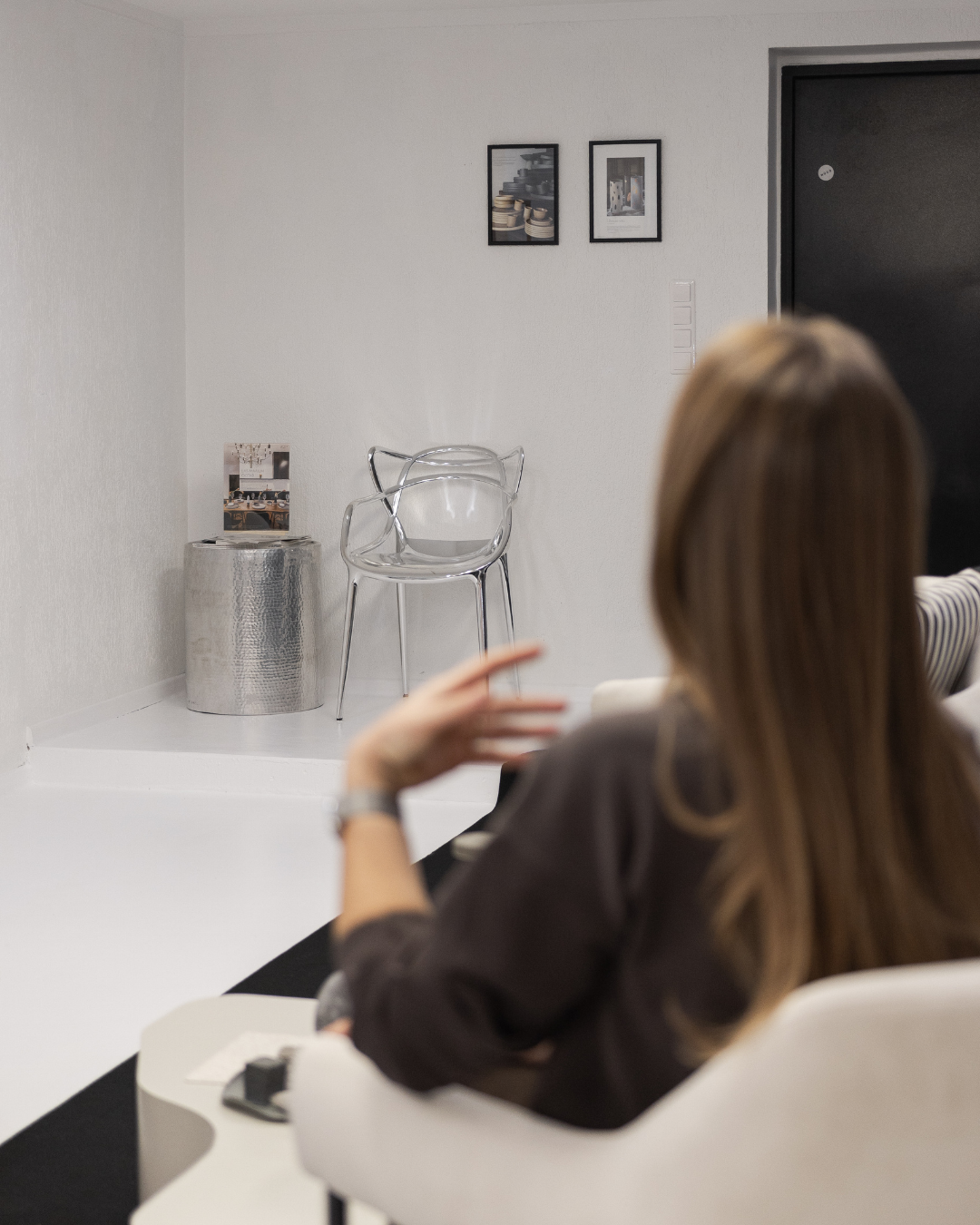
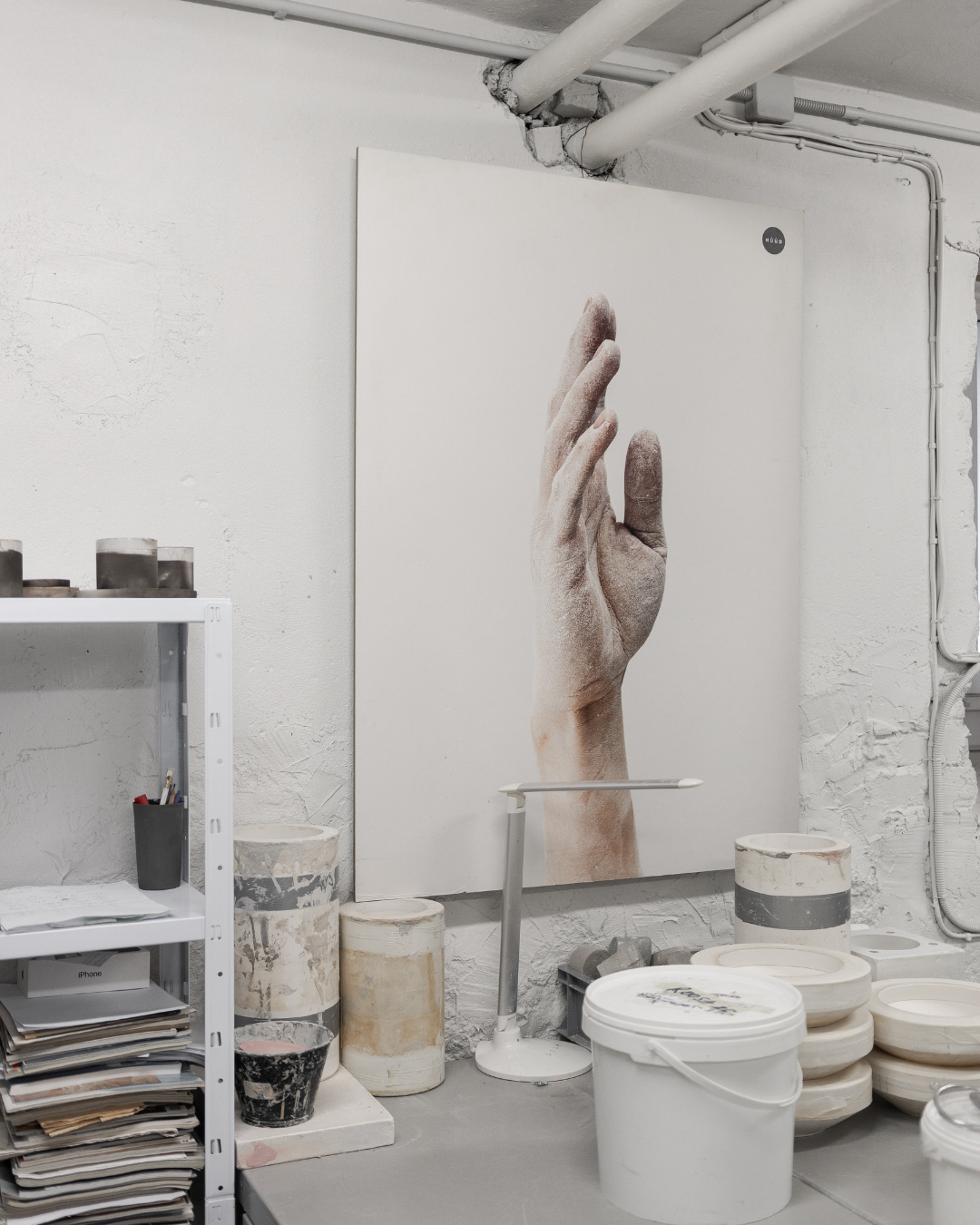
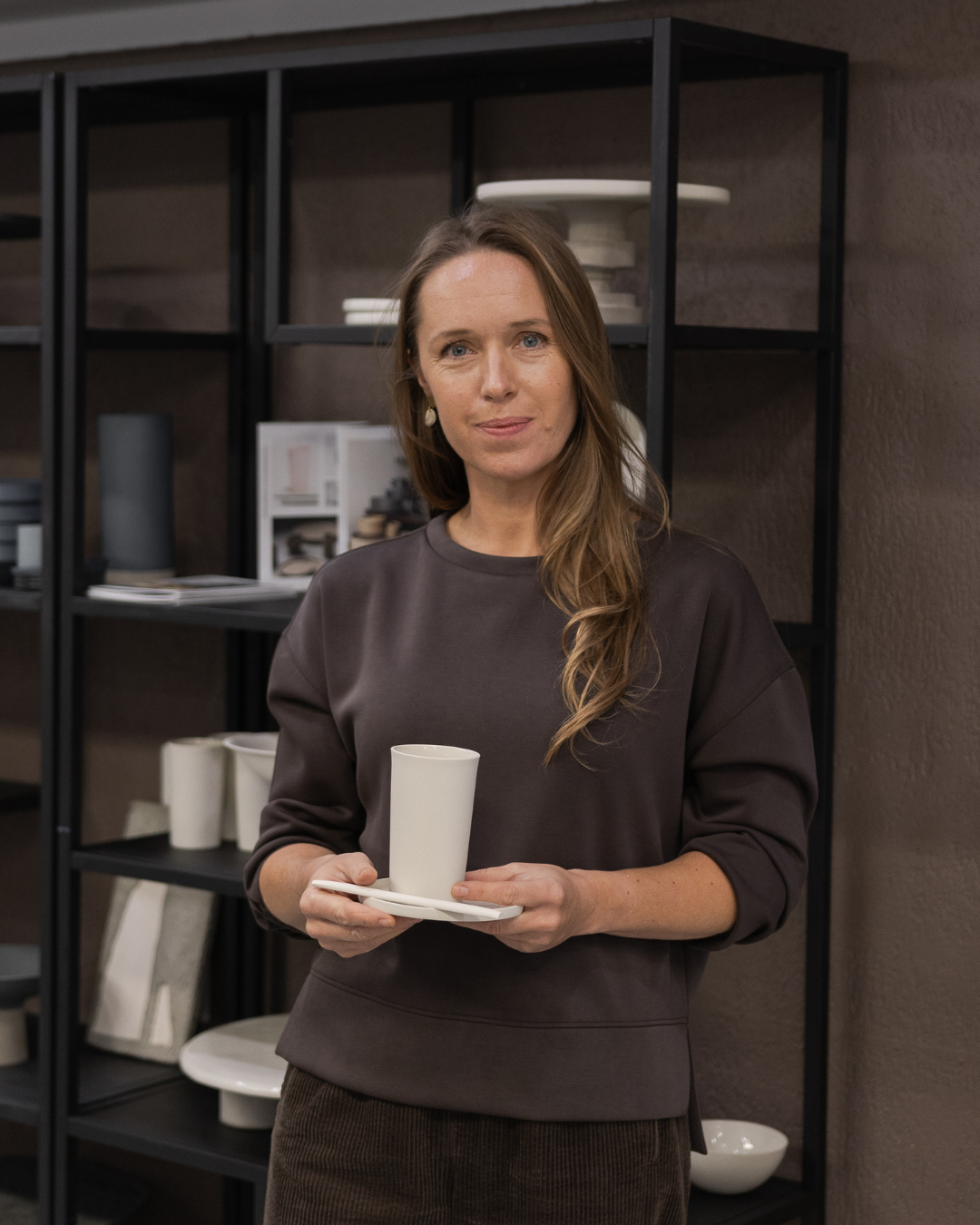
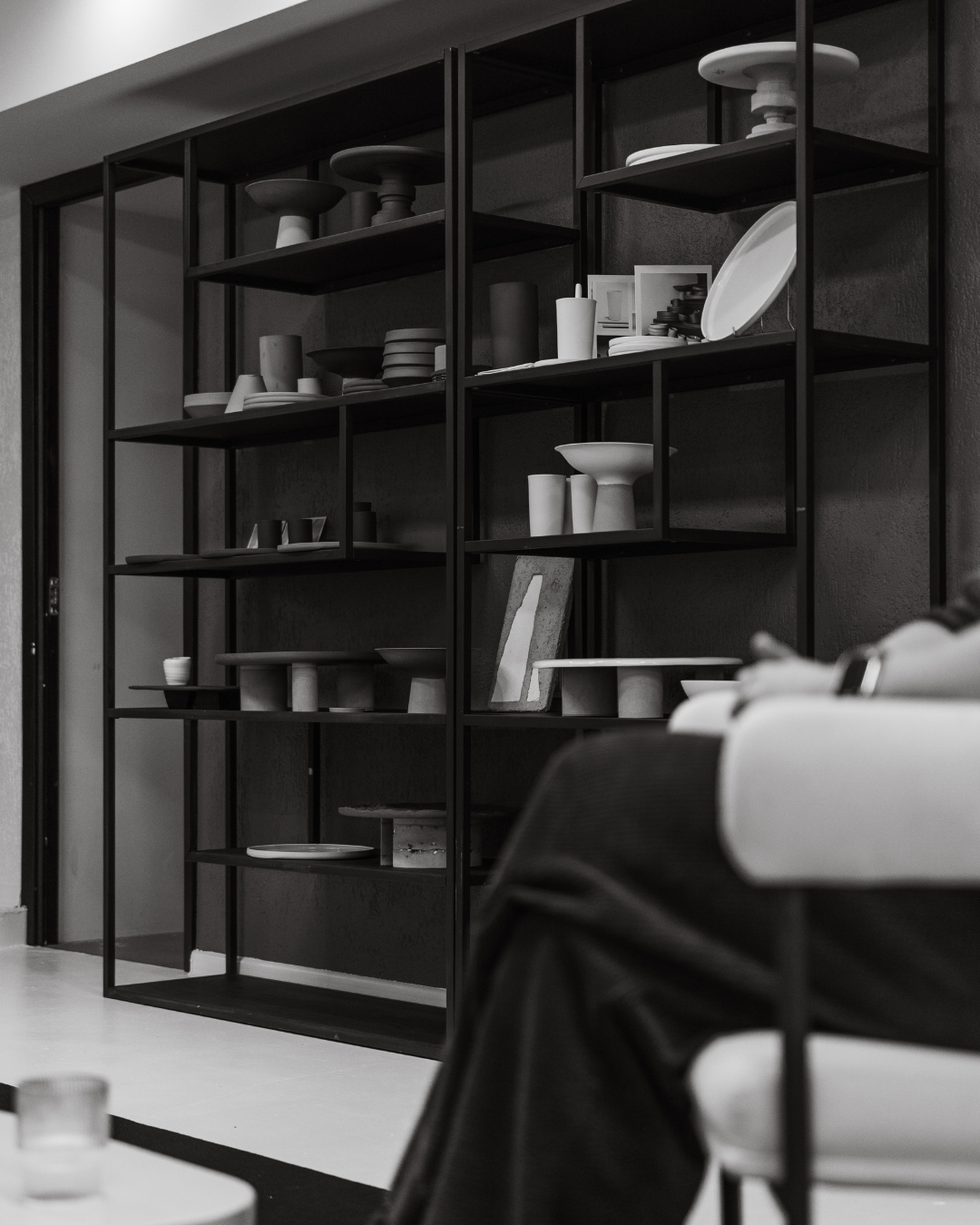
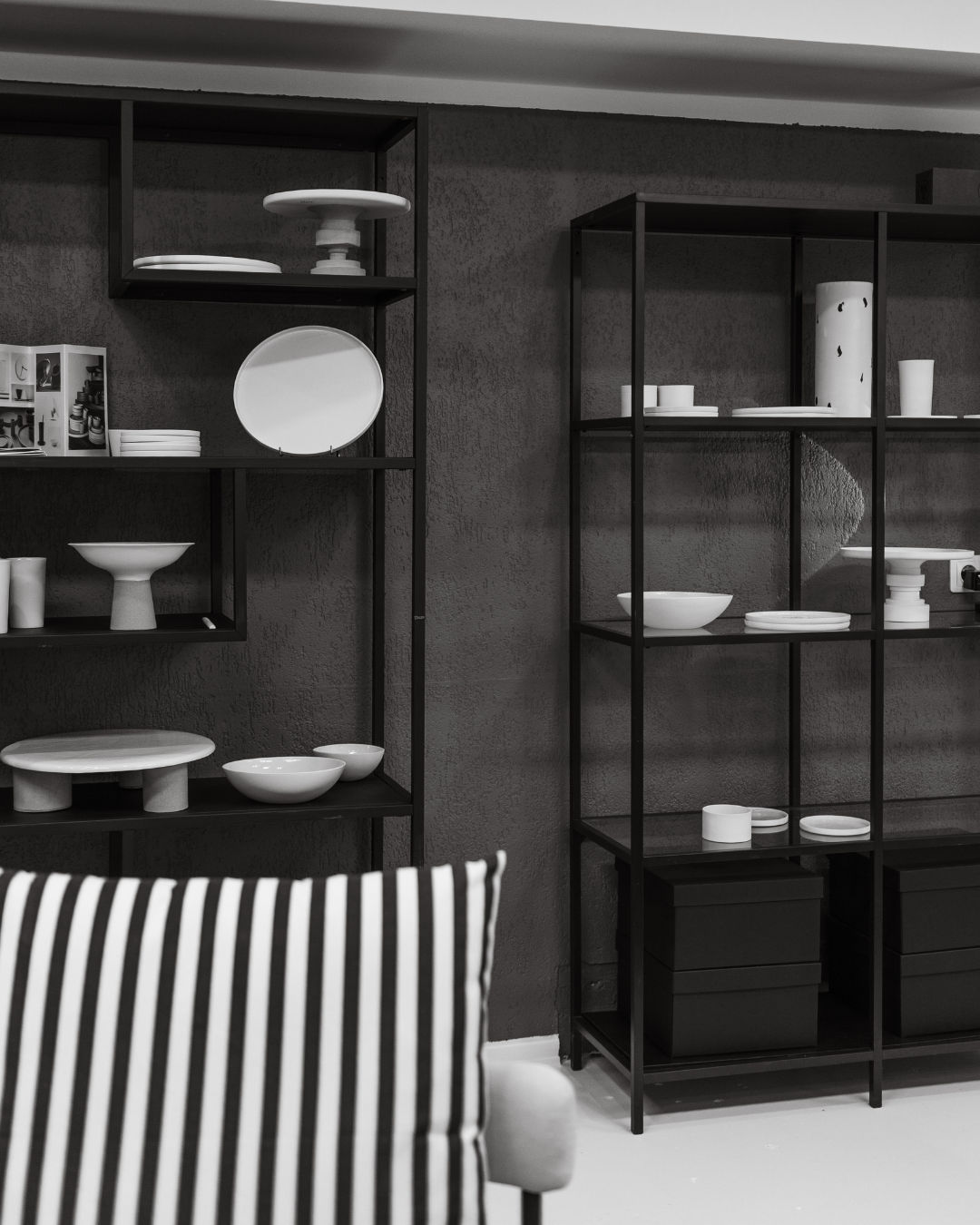
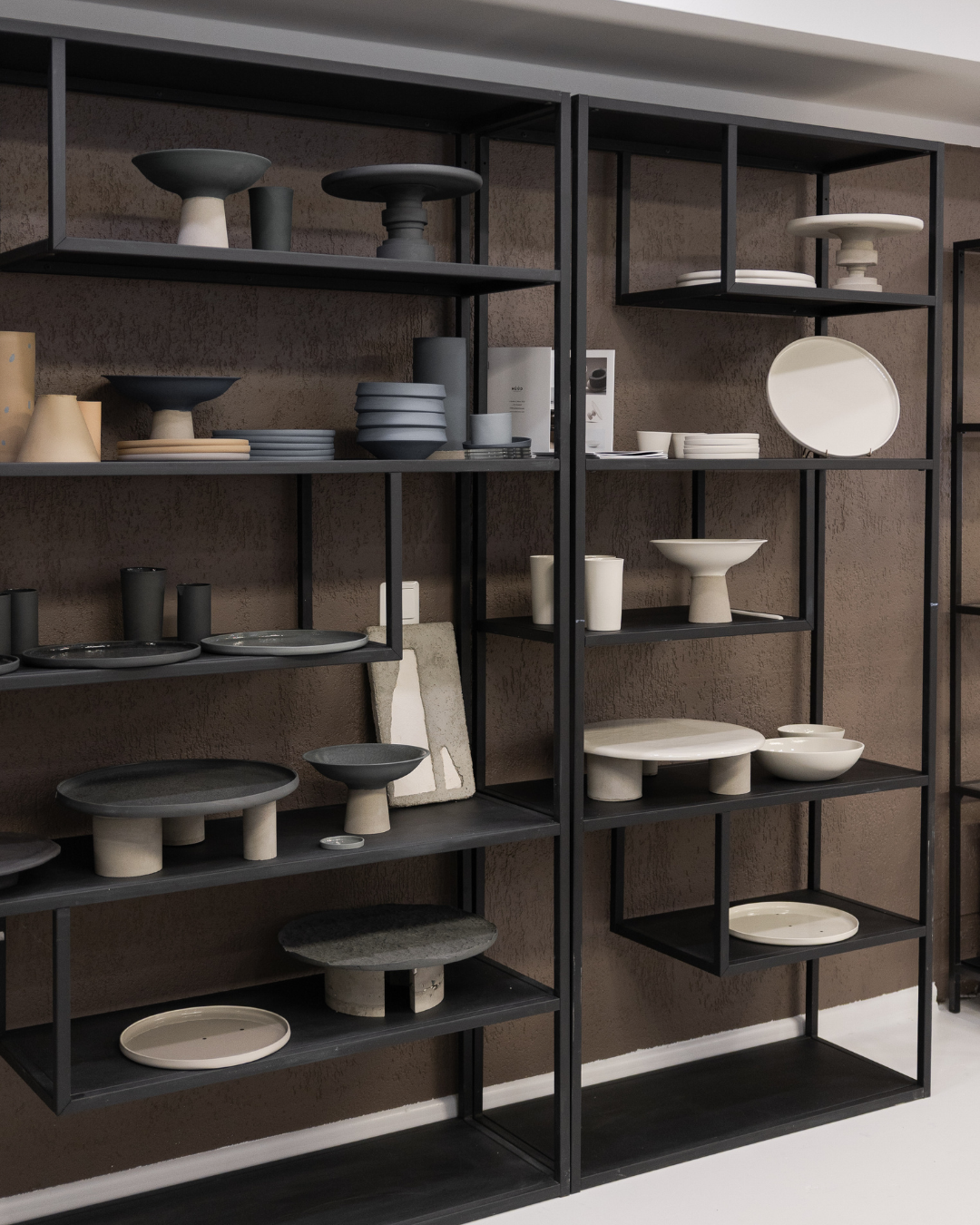
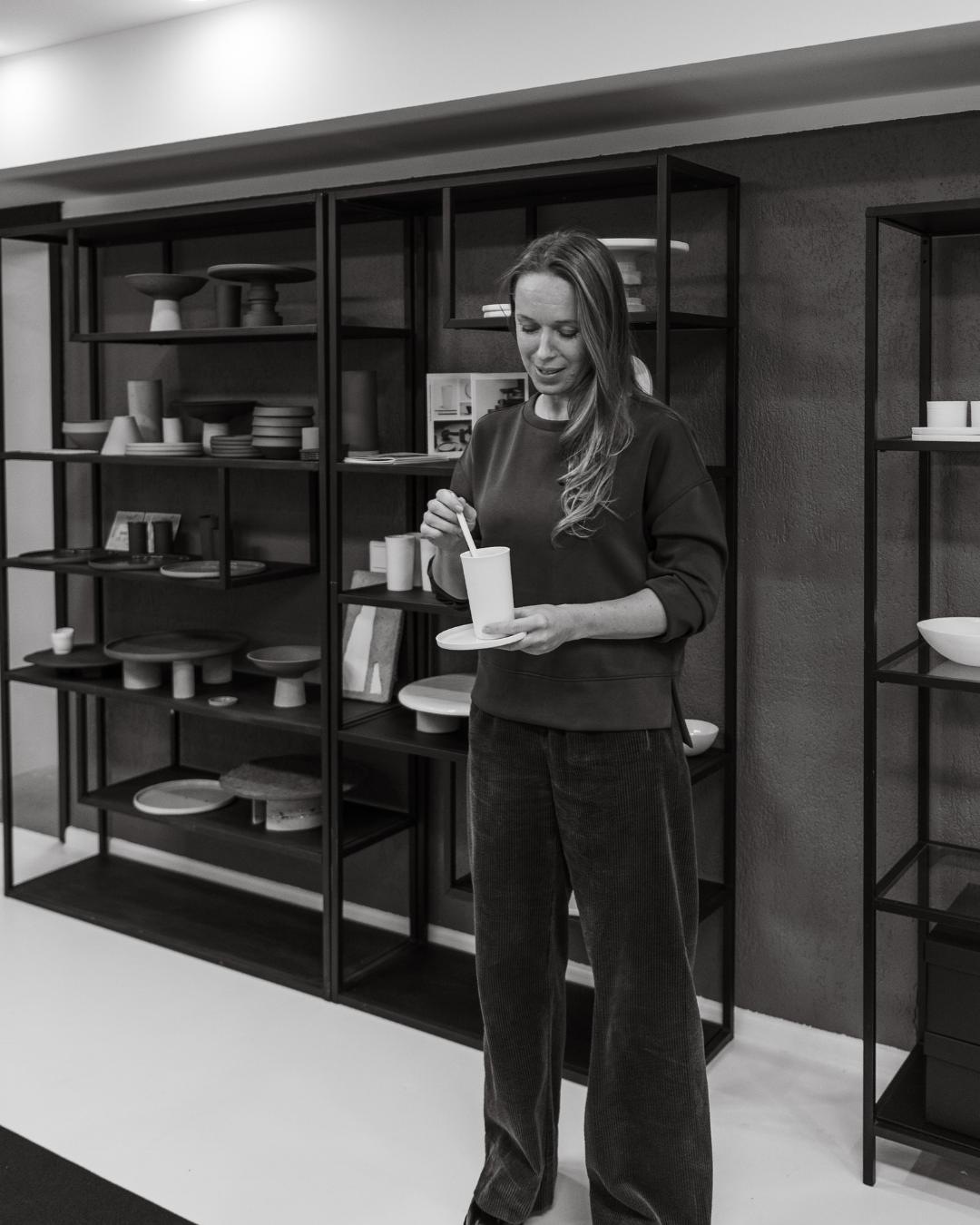
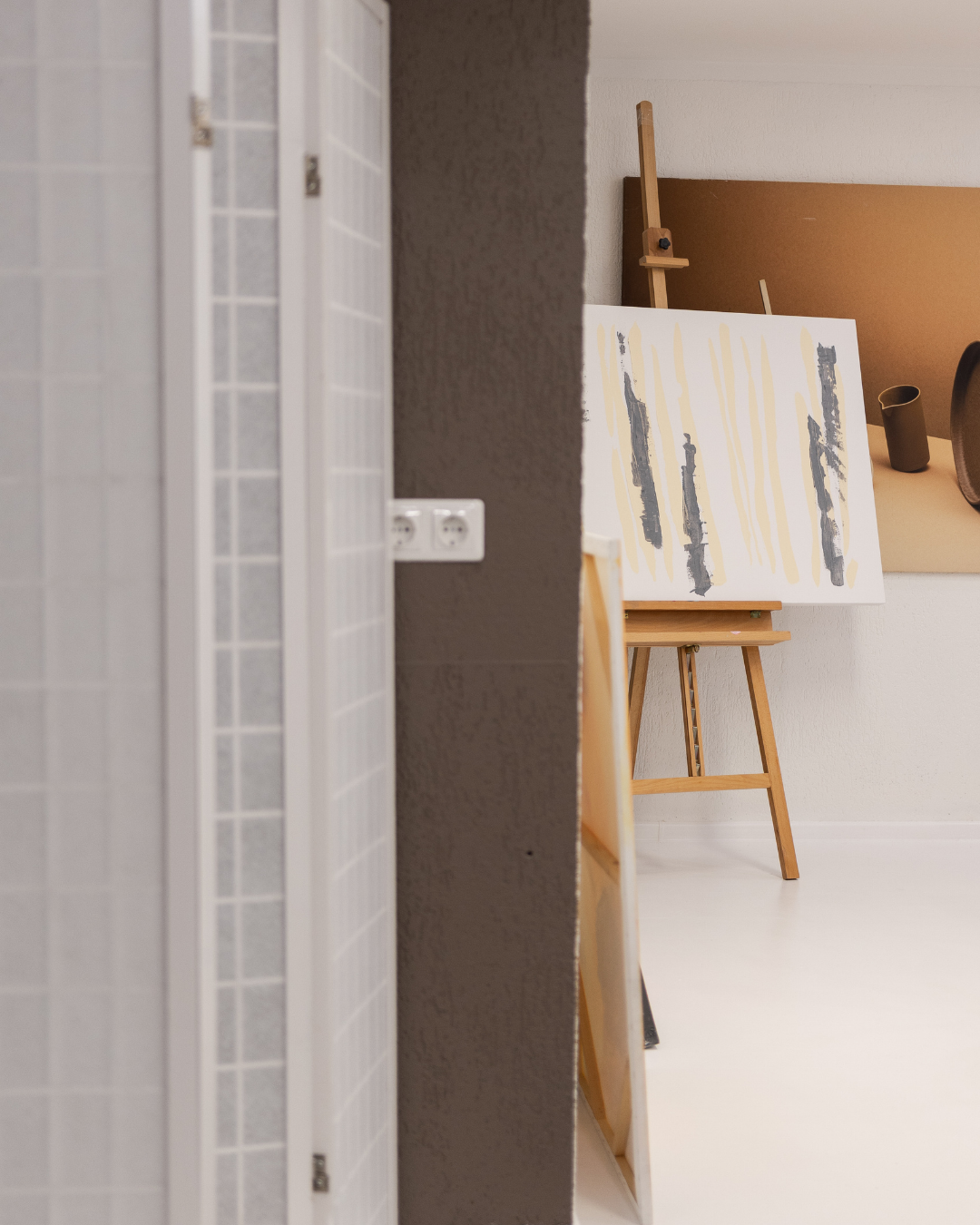
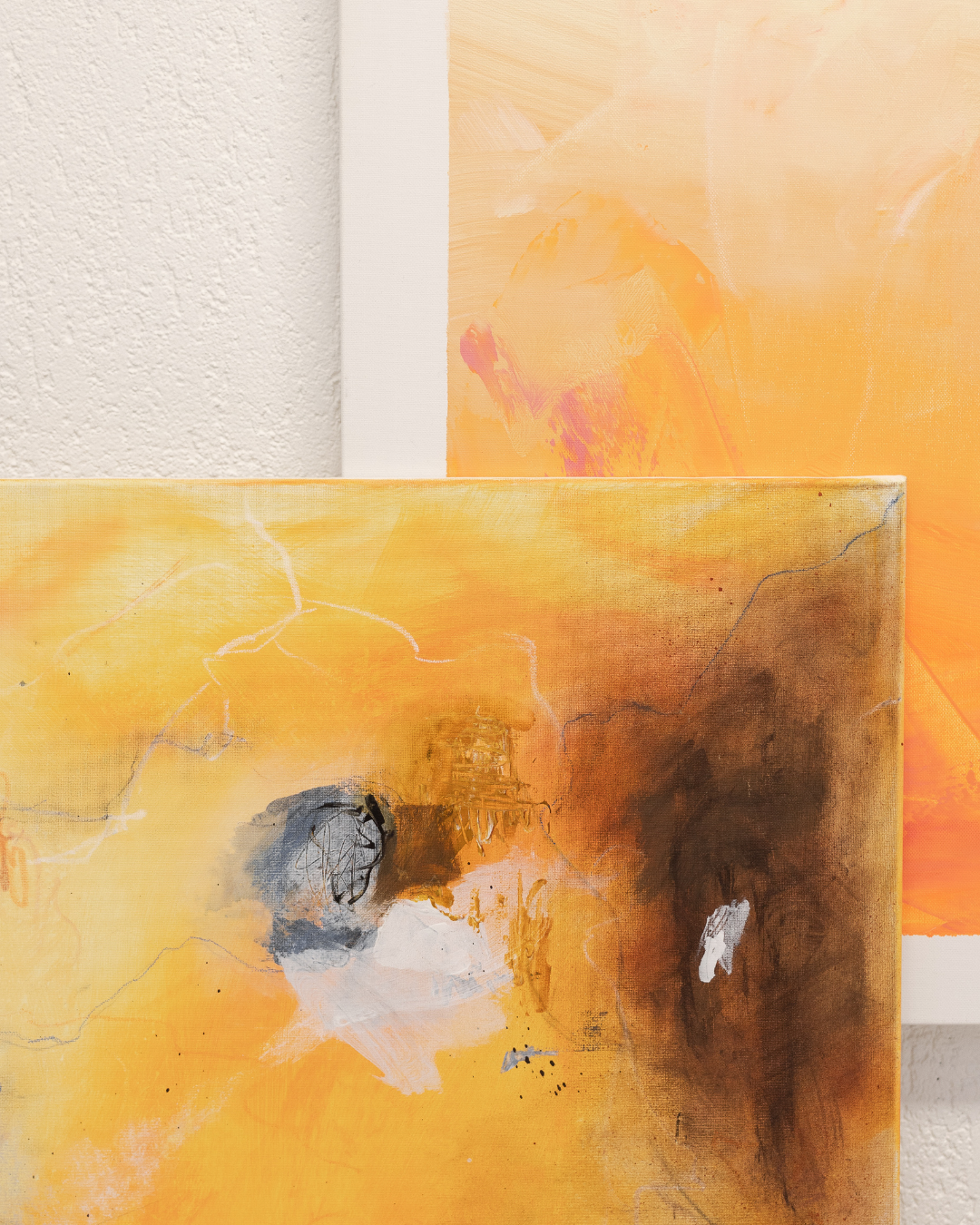
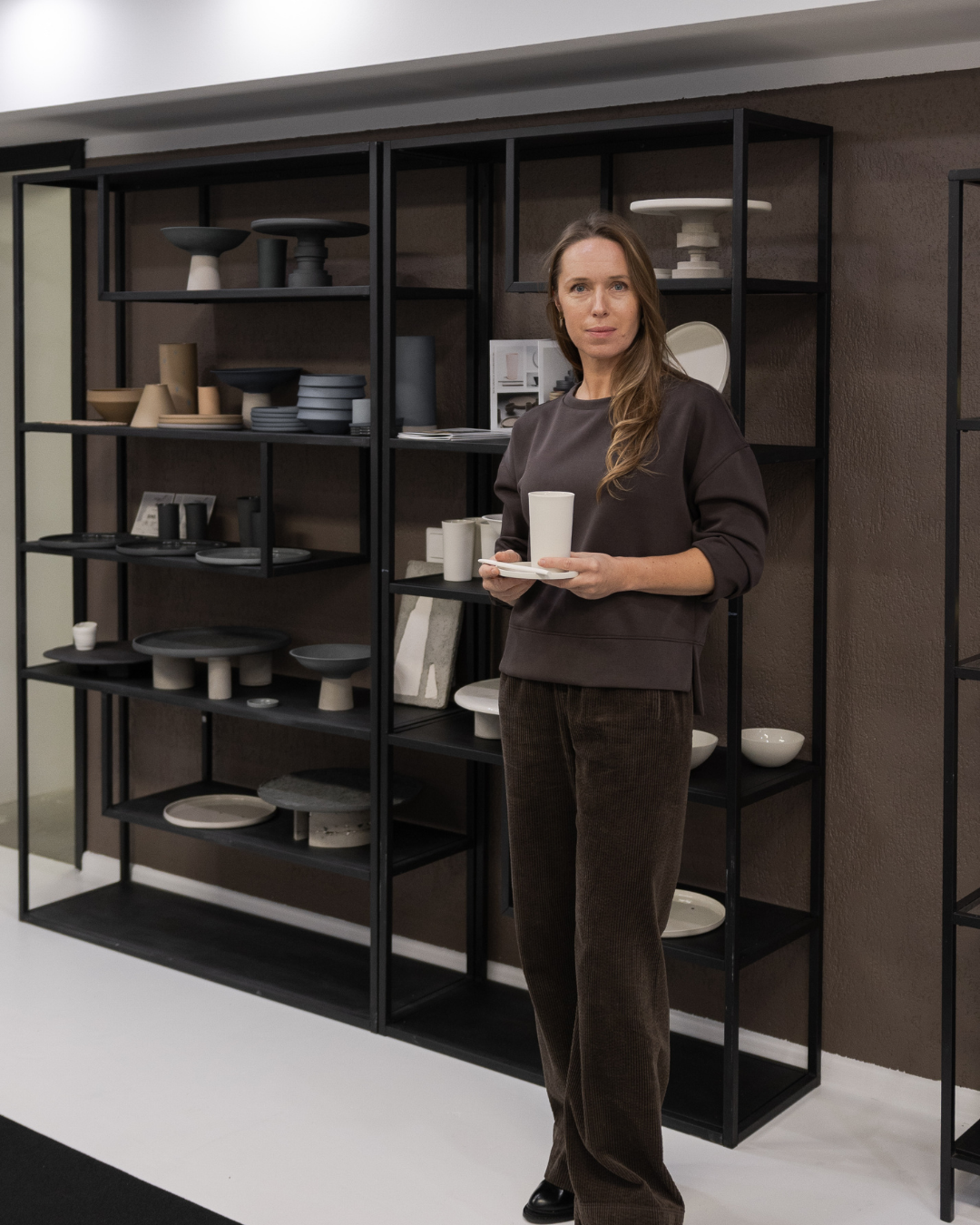
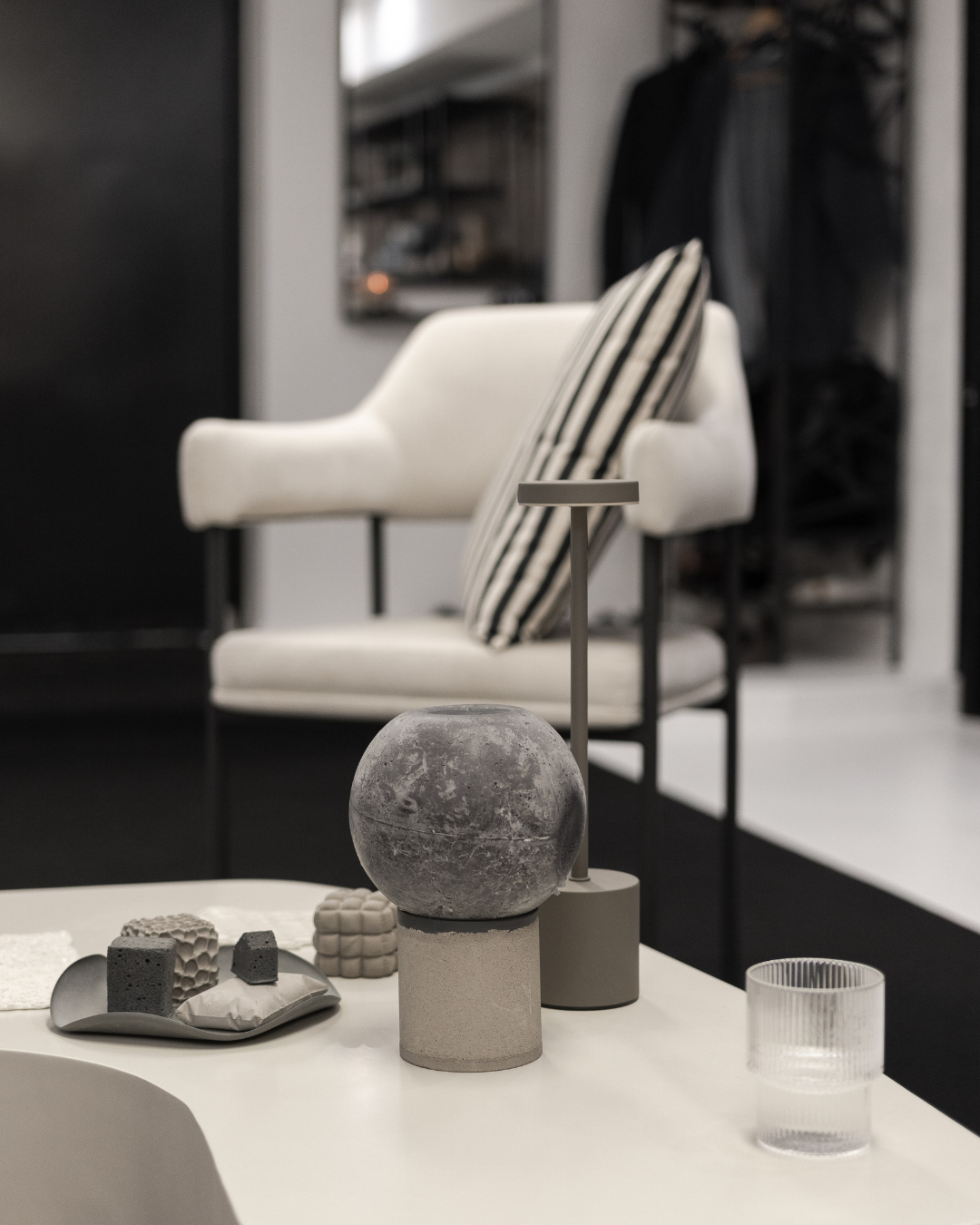
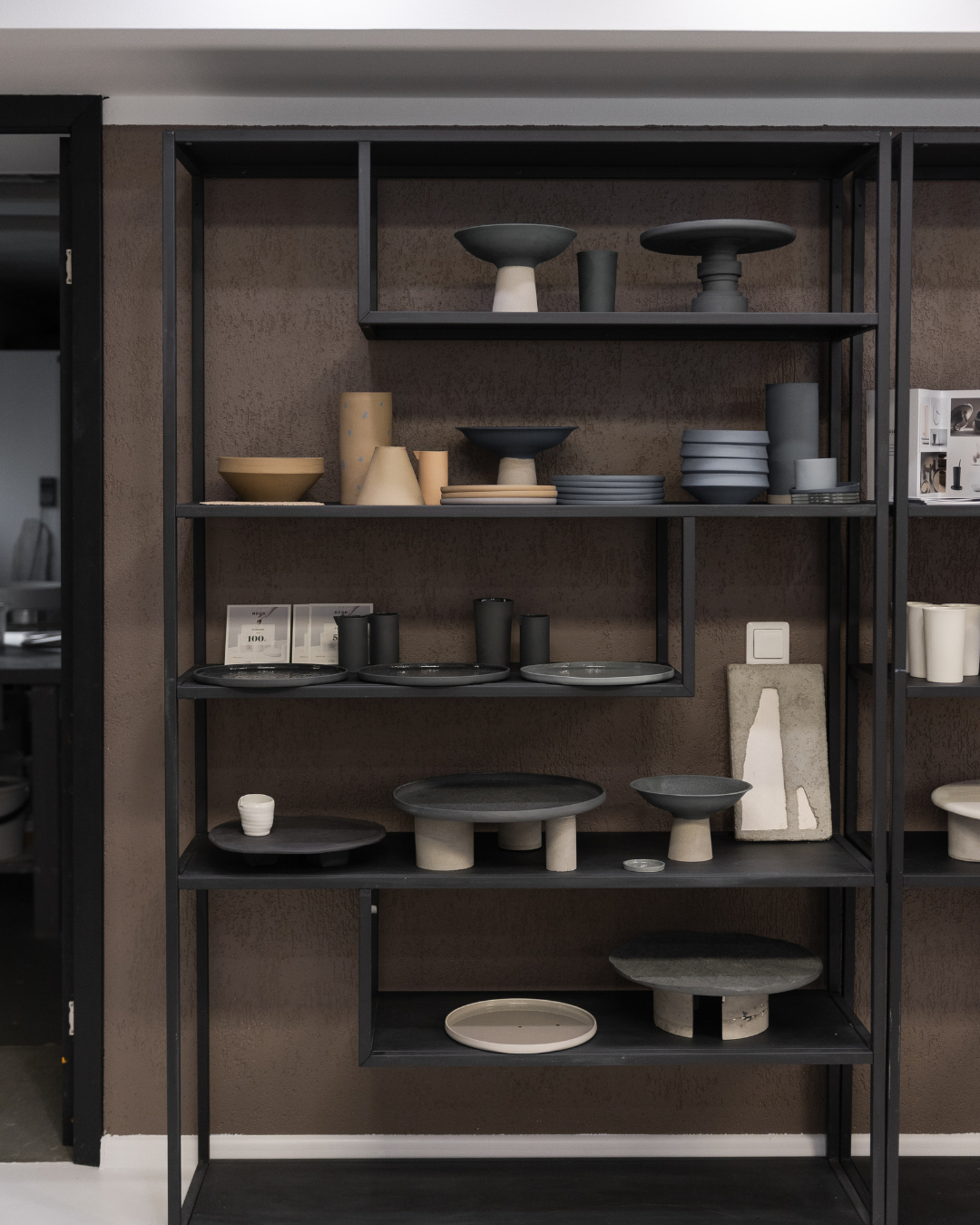
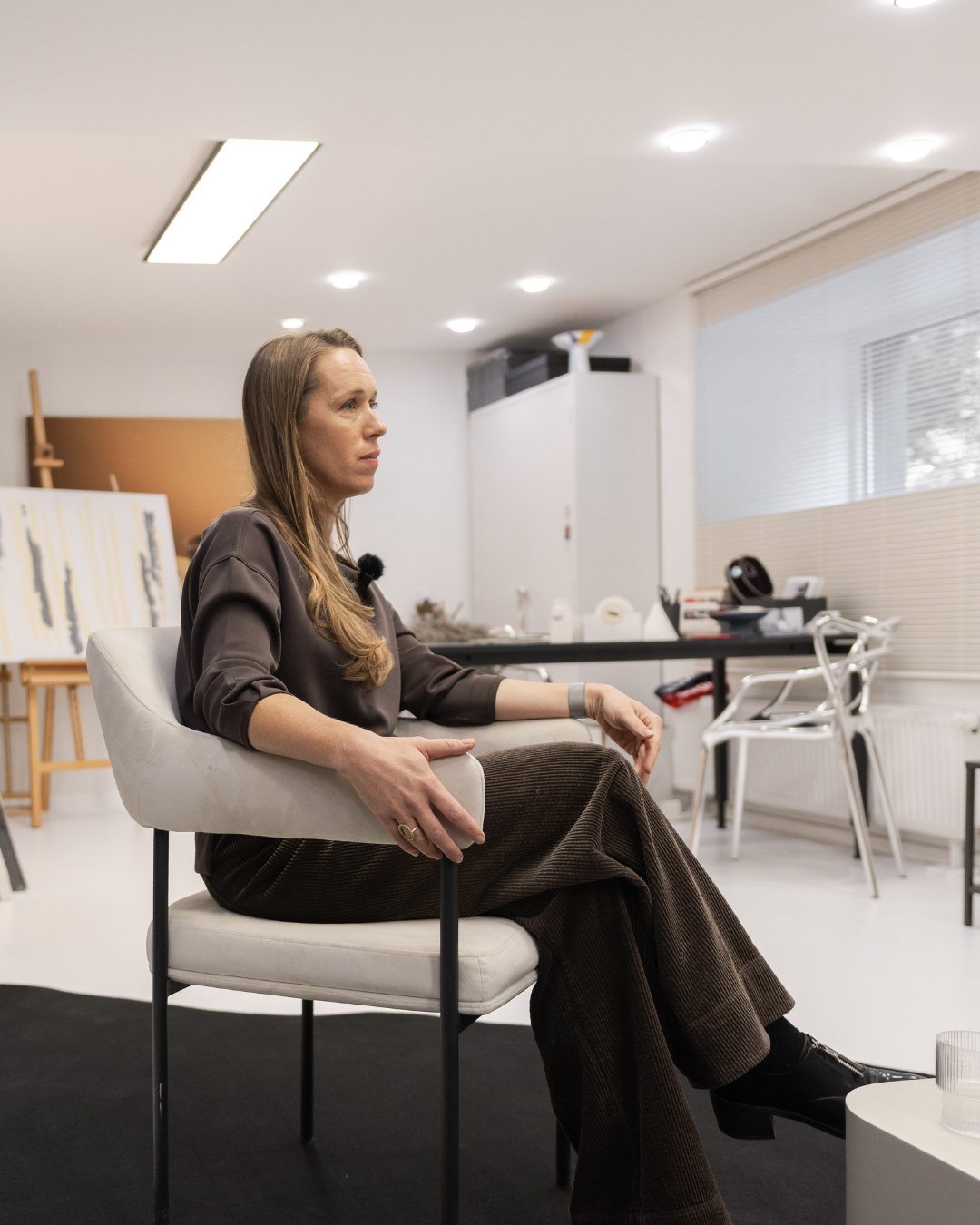
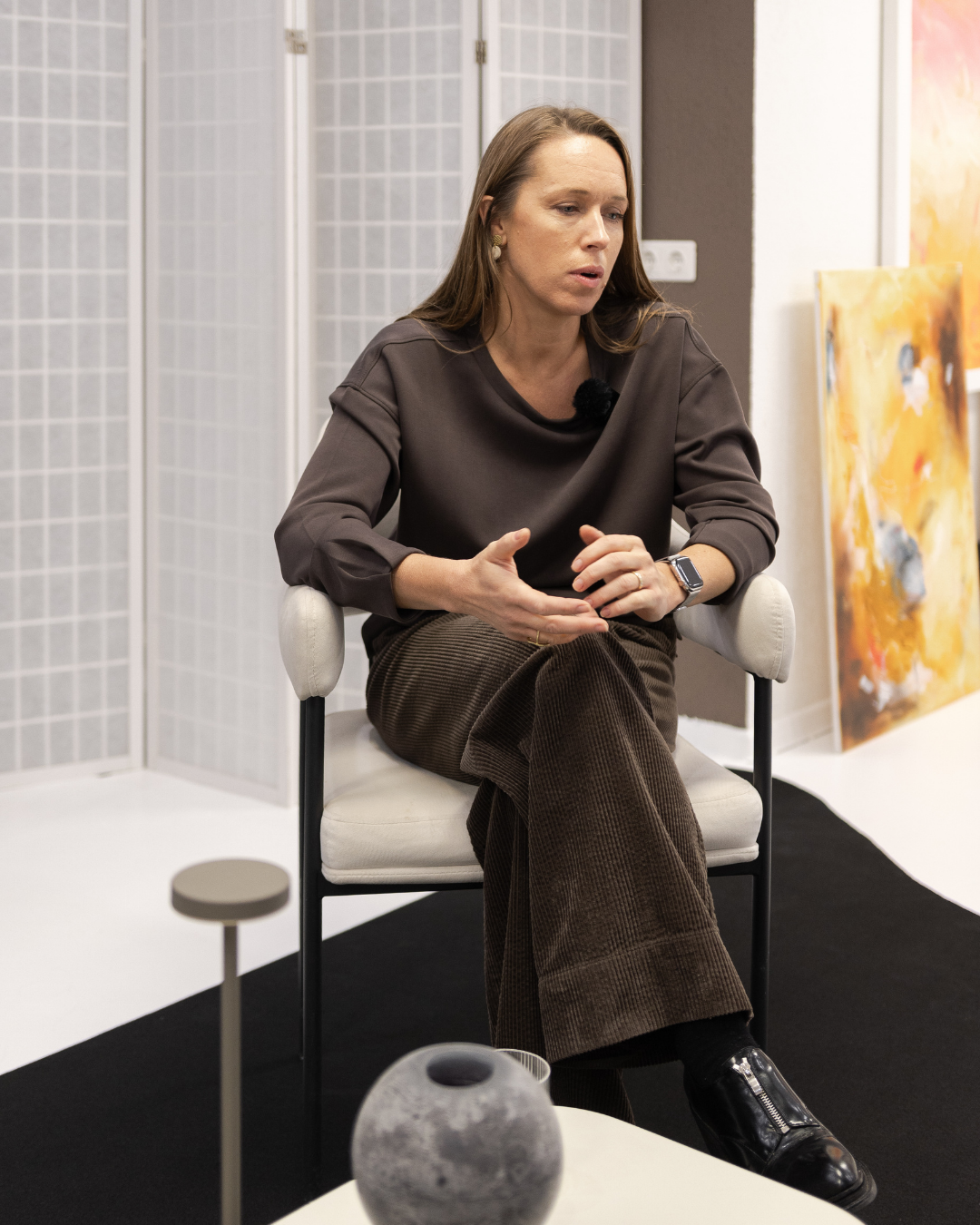
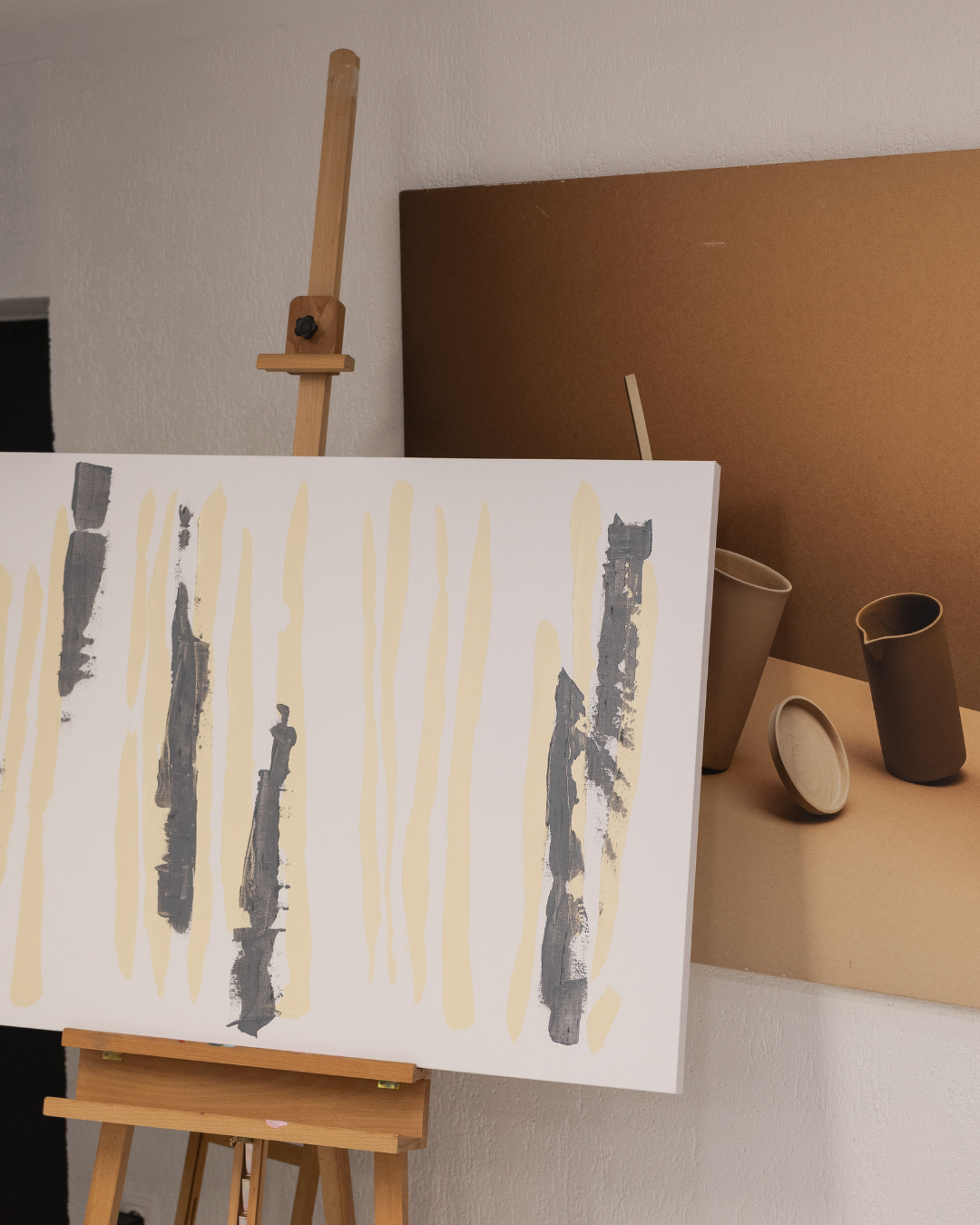
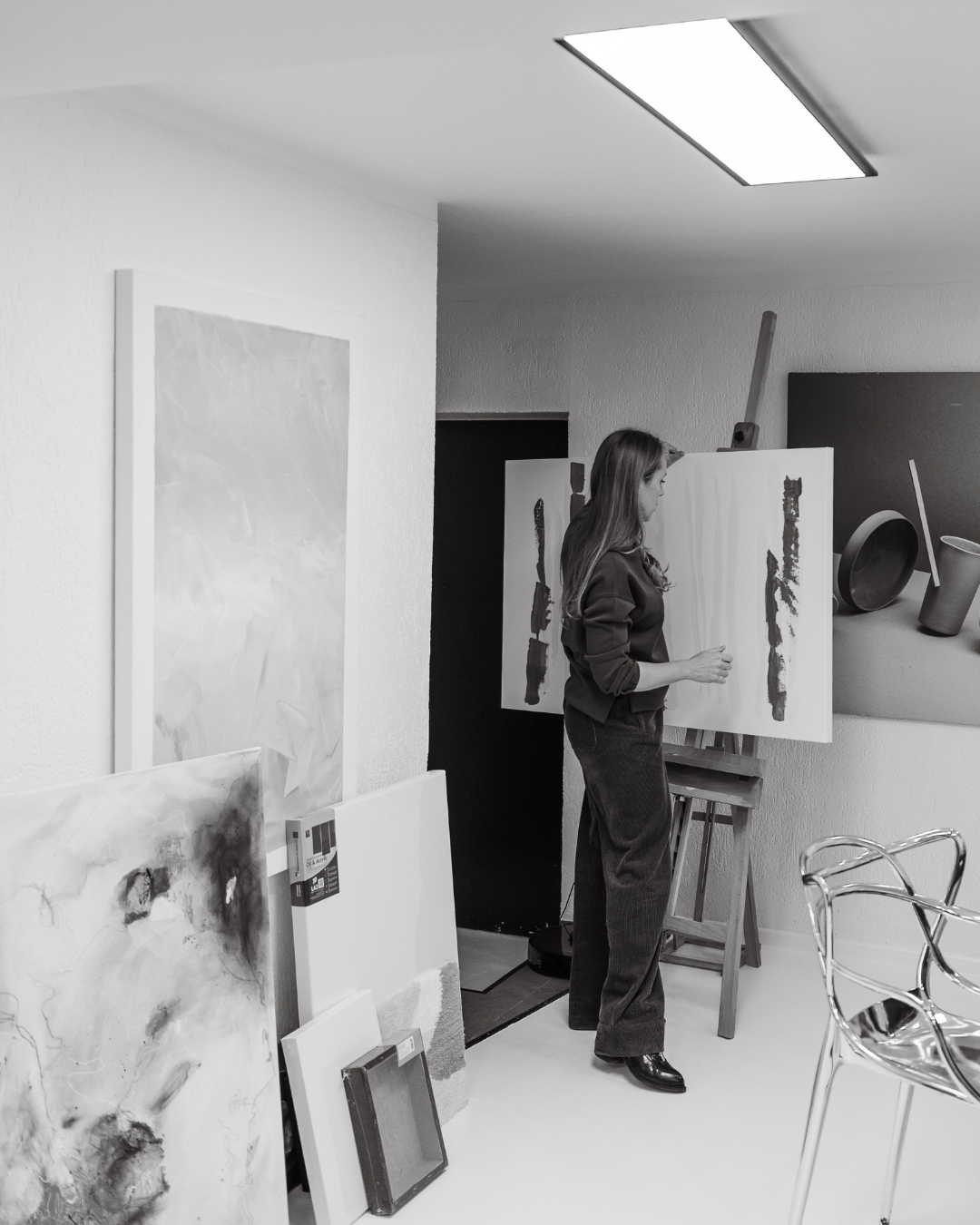
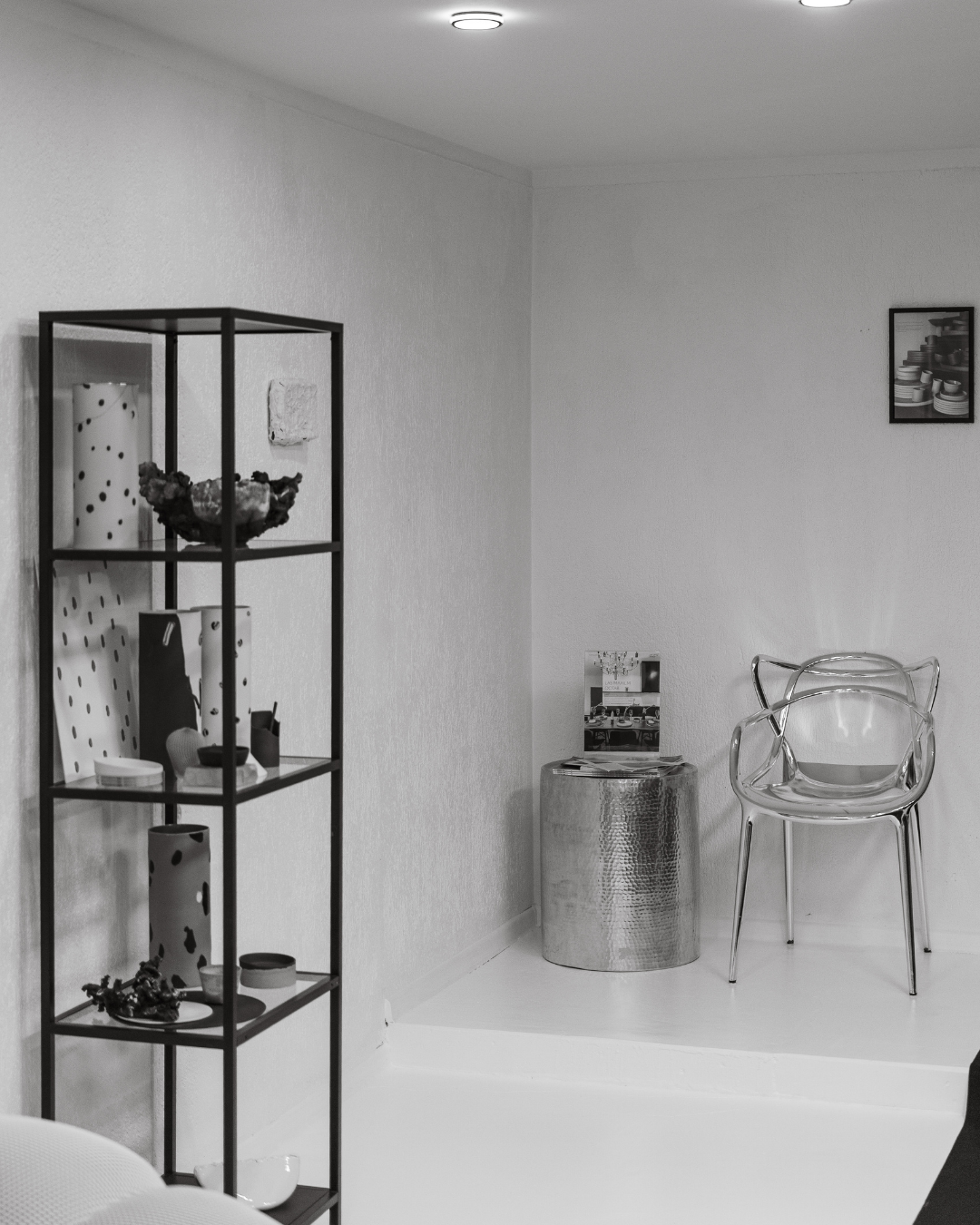
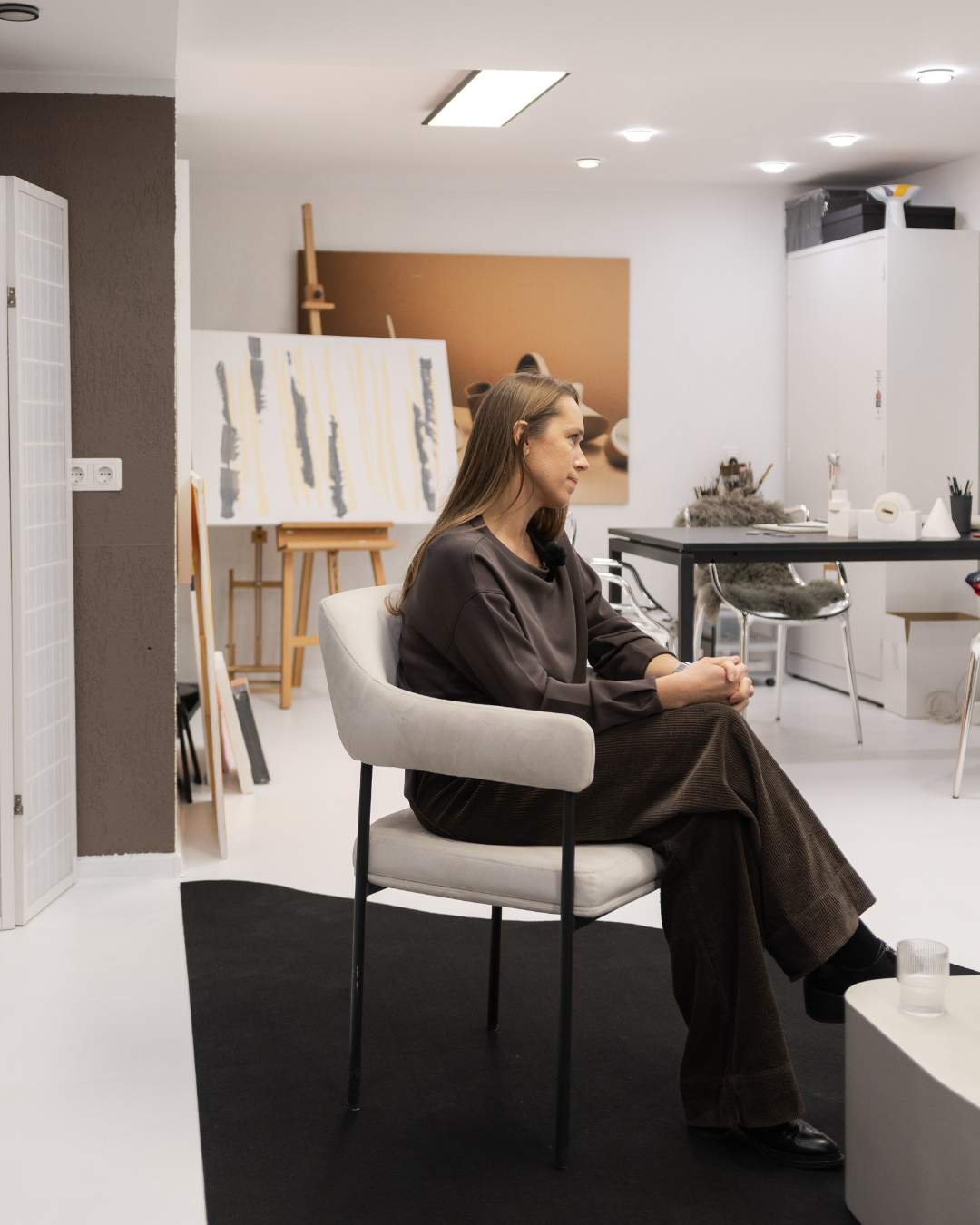
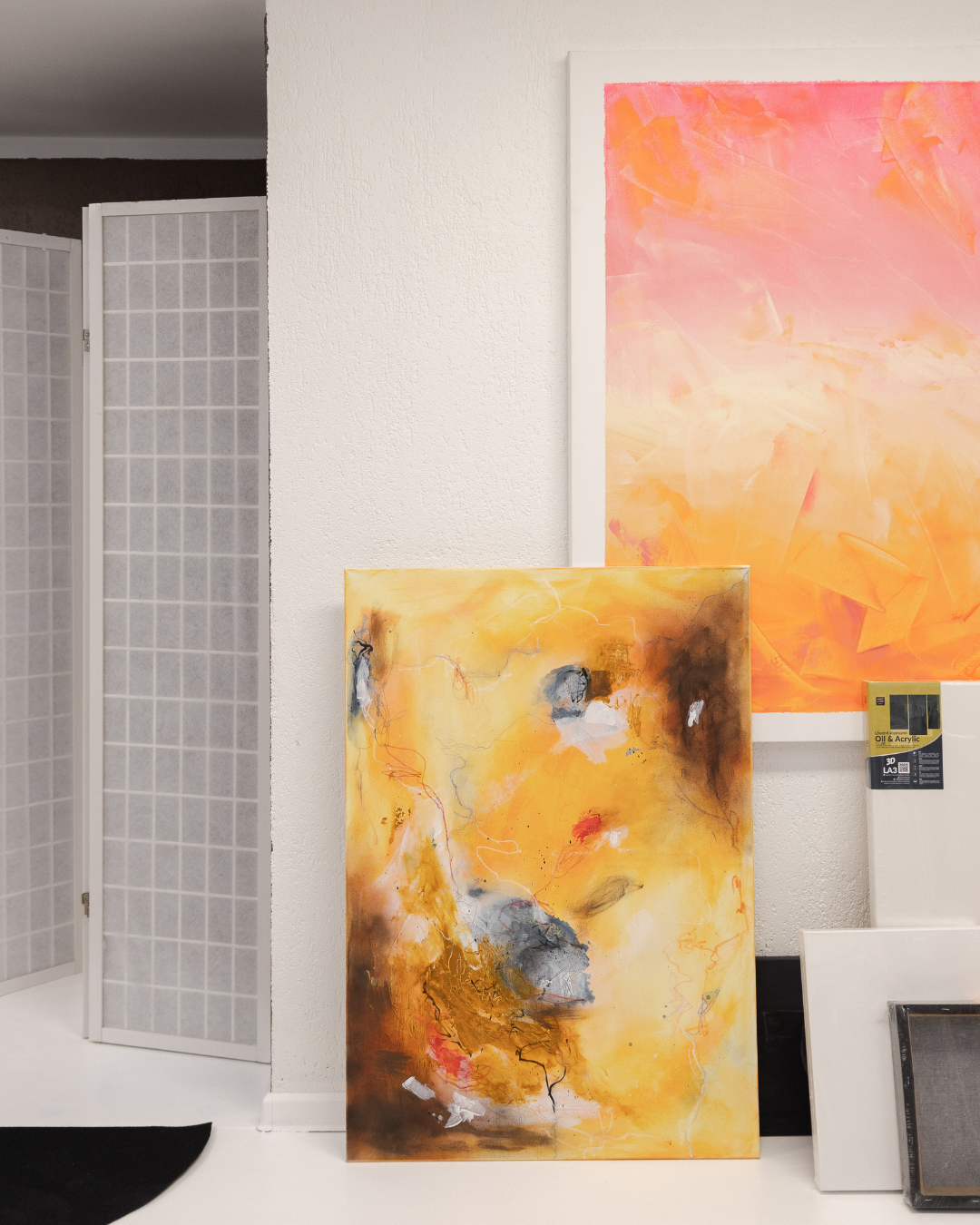
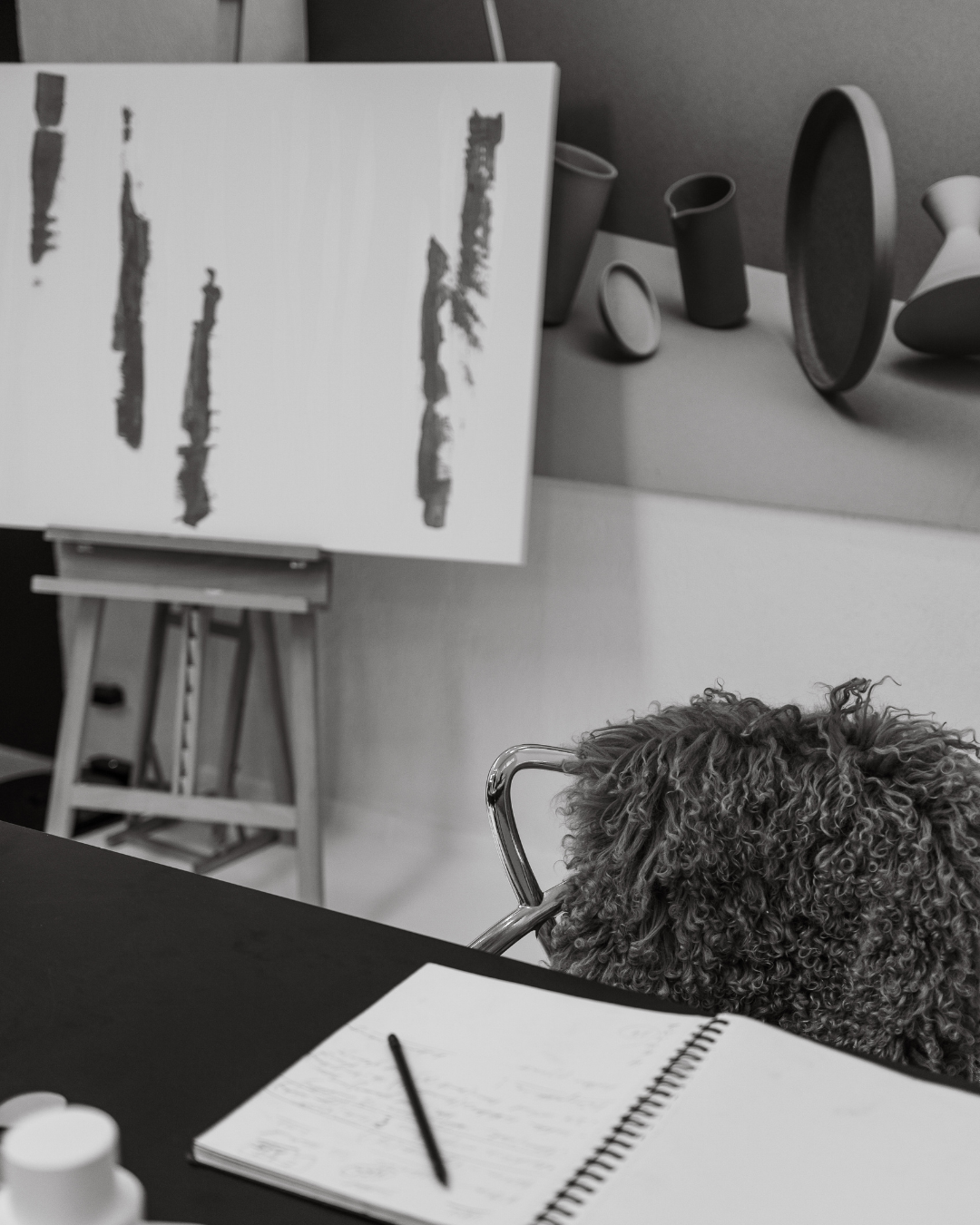
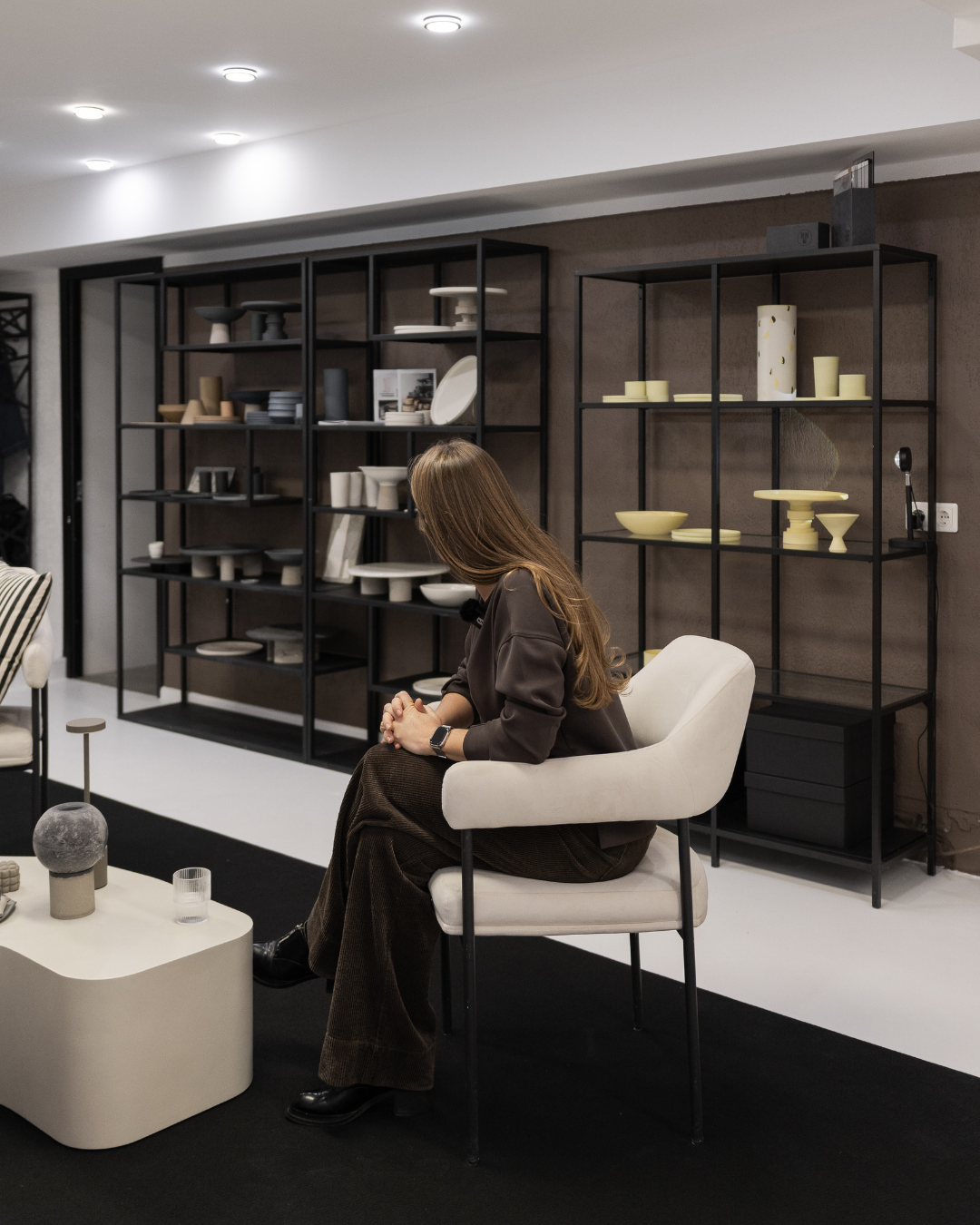
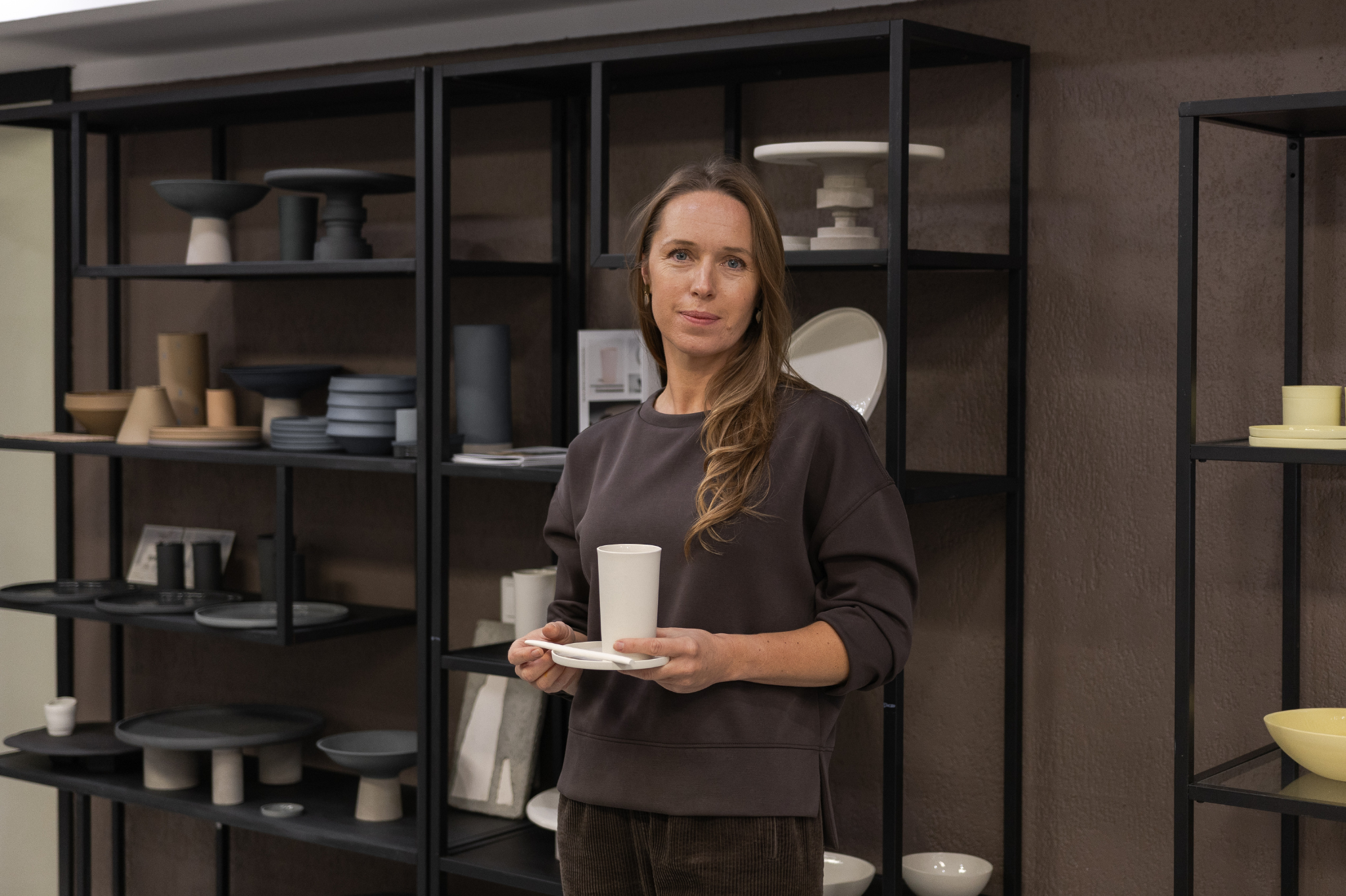
In the latest story in Tallinn Design House’s Artist Series, we meet Mariana Laane, the founder of Nüüd Ceramics, in her studio. We are first welcomed by a cosy, minimalist space featuring a comfortable seating area, shelves displaying her ceramics, and Mariana’s own paintings standing against the wall in the back corner. The room next door reveals an entirely different world: the workshop, filled with plaster moulds, liquid porcelain, shelves of works in progress, and ceramic kilns. This is where every Nüüd Ceramics piece is made.

Temperamental, yet much-loved porcelain

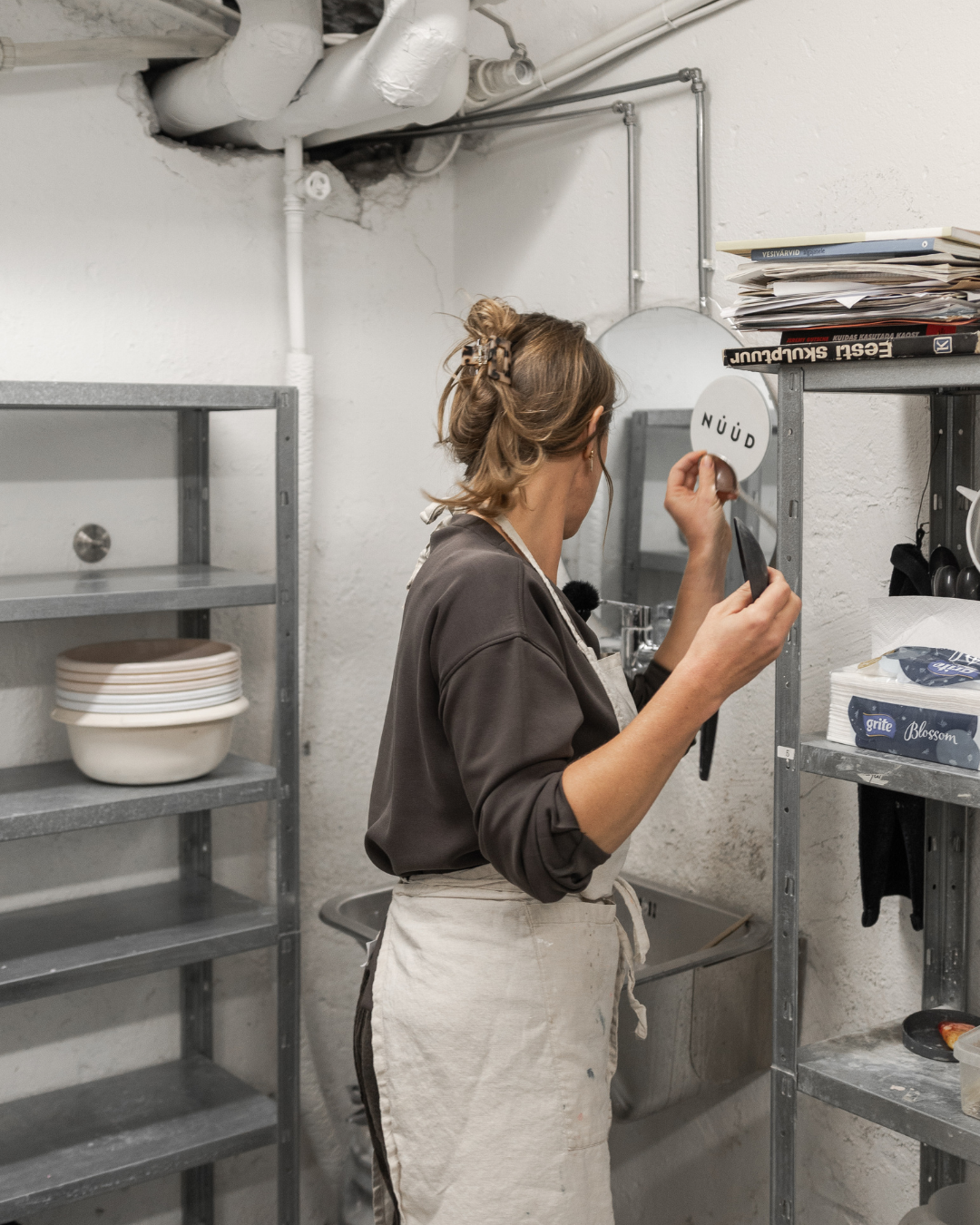
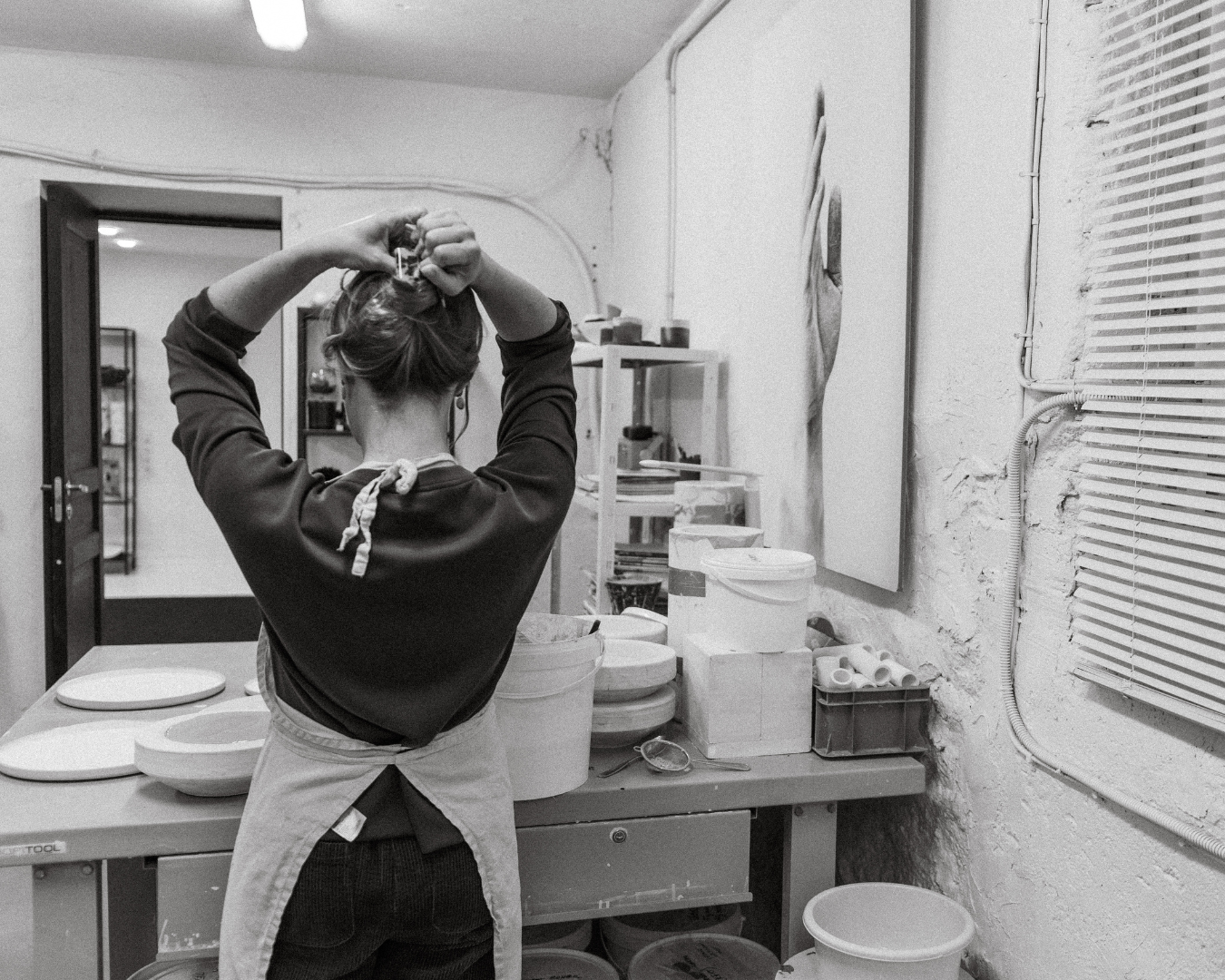
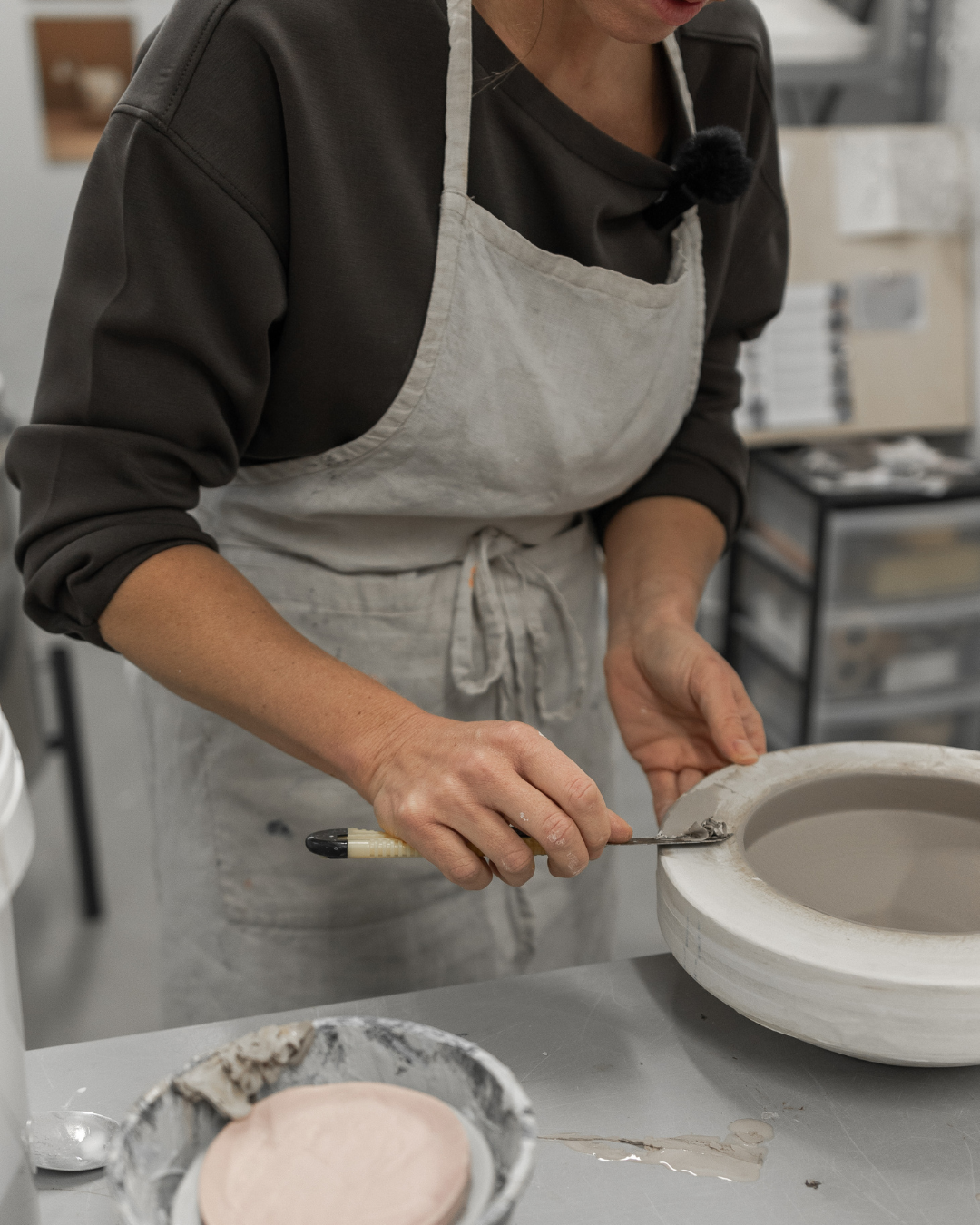
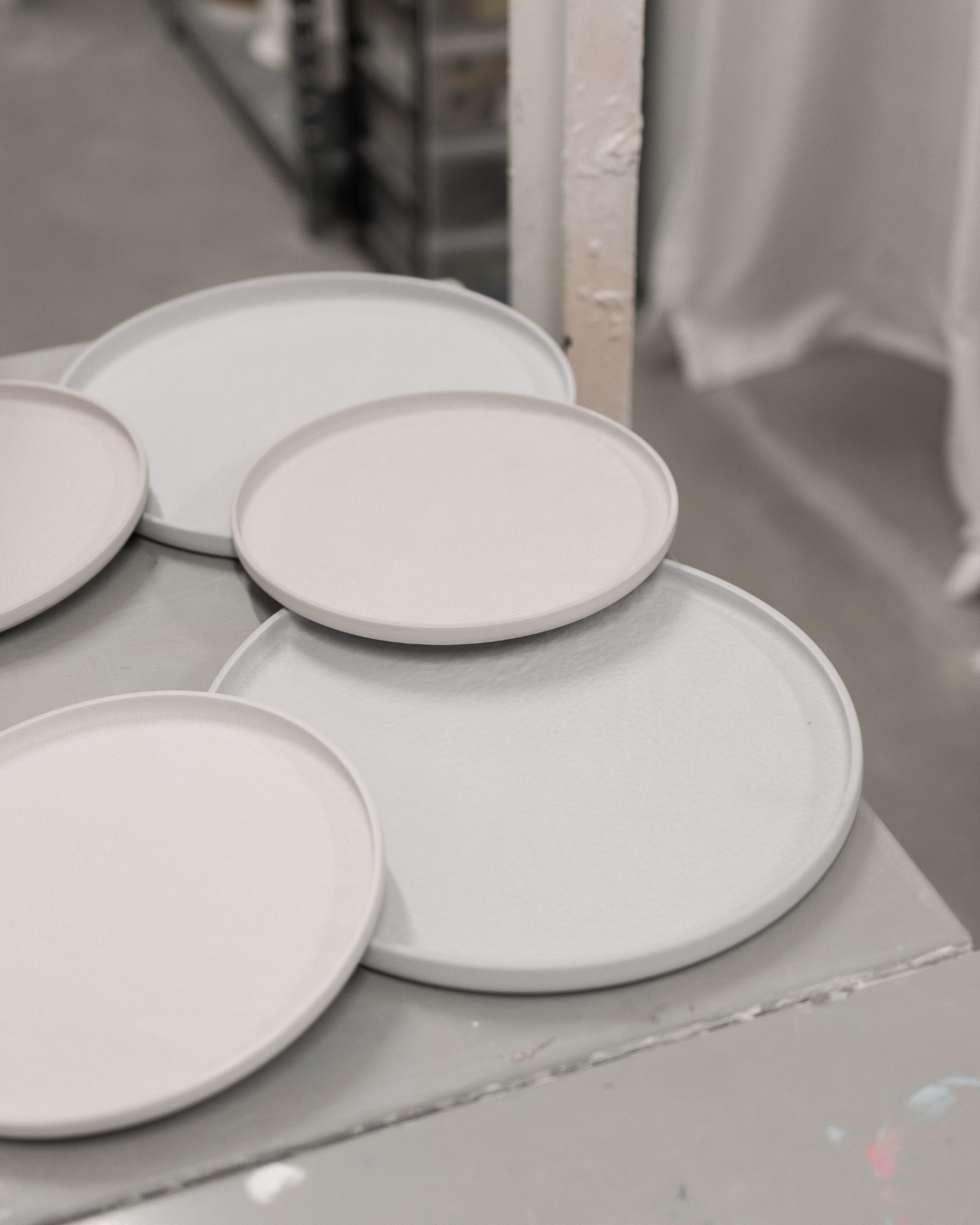
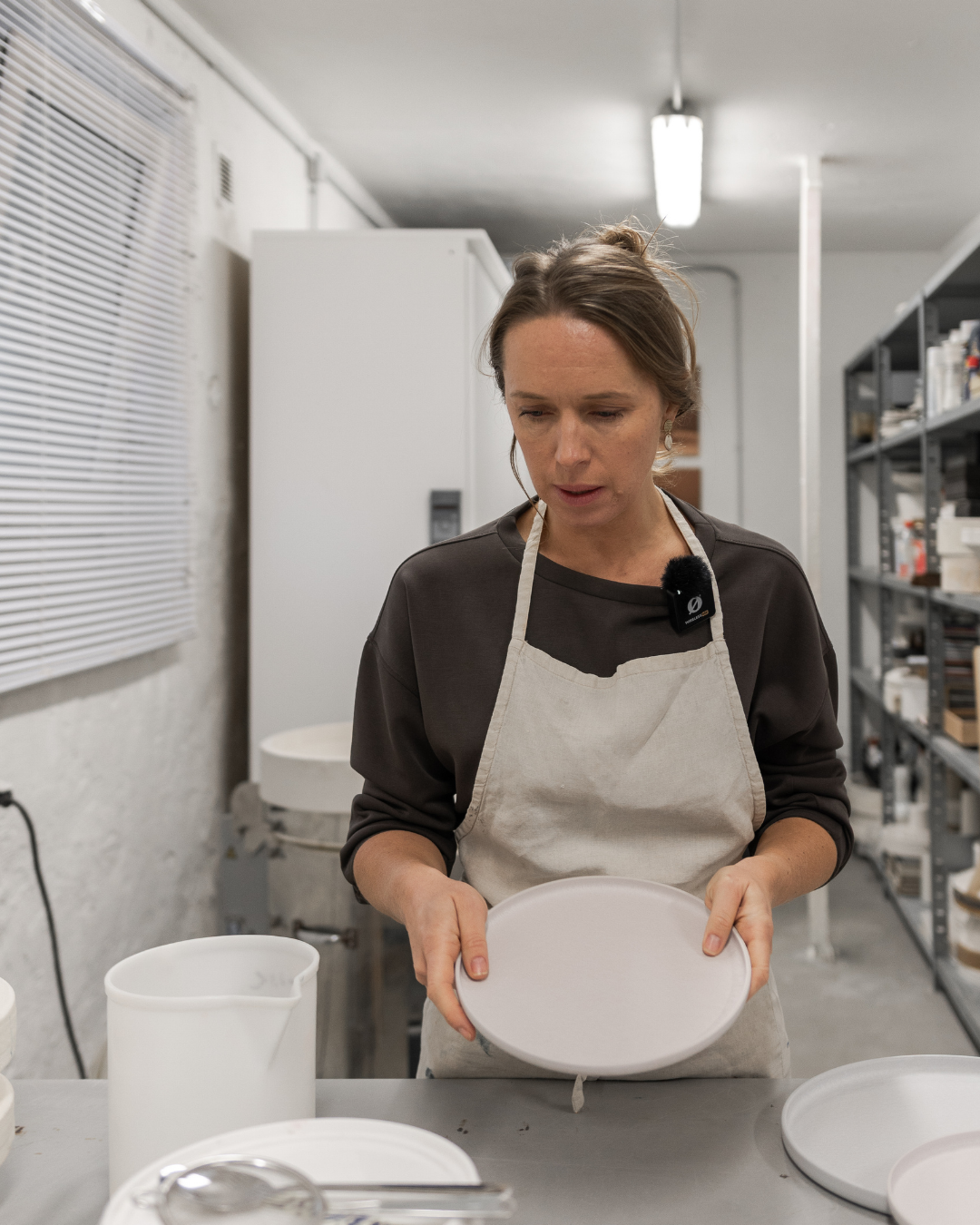
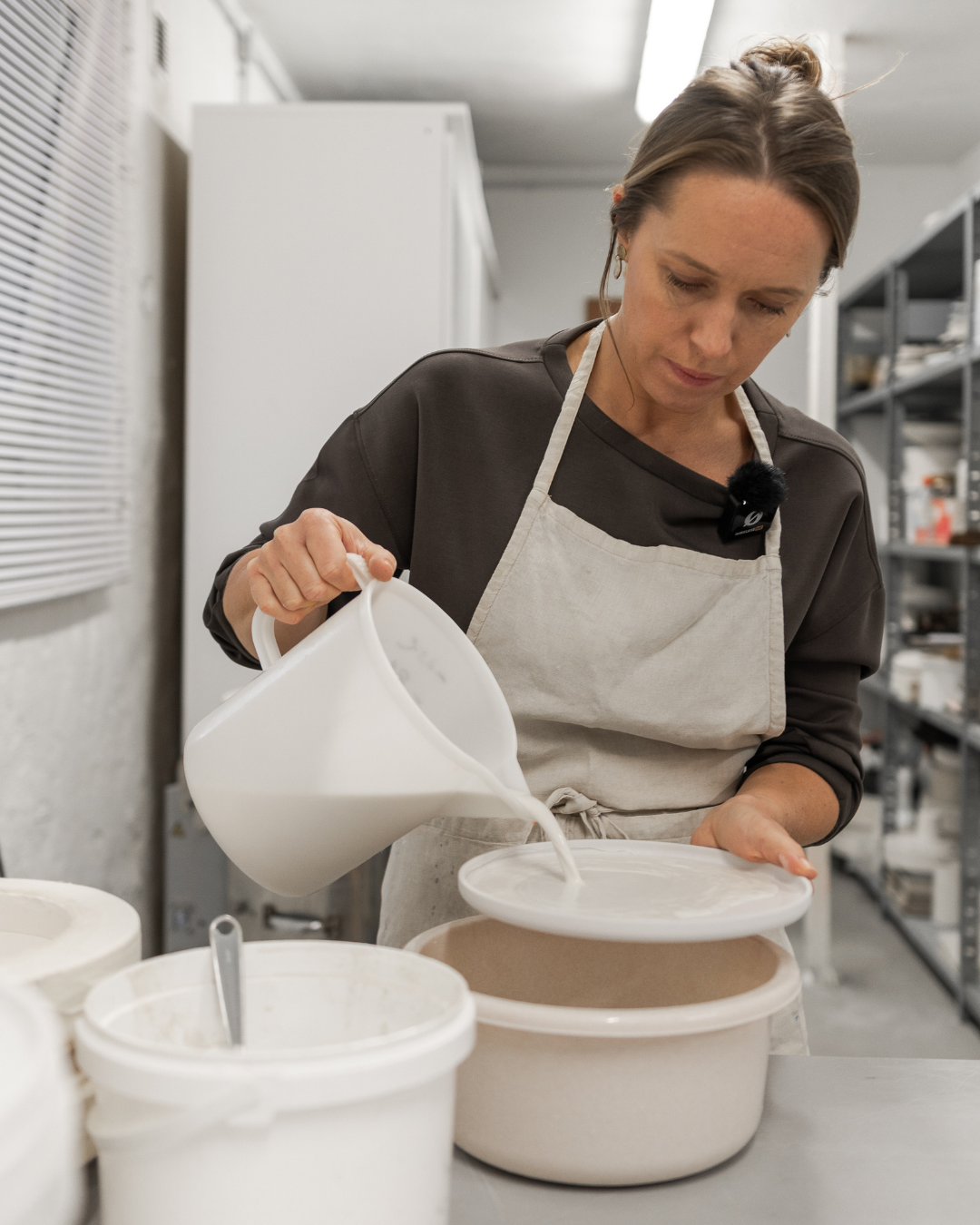
Mariana ties on an apron and begins showing us how a porcelain object comes to life. She takes bisque-fired pieces from a shelf, ready and waiting to be glazed. One of them was a completely different colour before firing, while another has visibly shrunk in the kiln. Porcelain can shrink by as much as twenty per cent during firing. “You make a large object, but what comes out of the kiln is a miniature version of it,” she says with a smile.

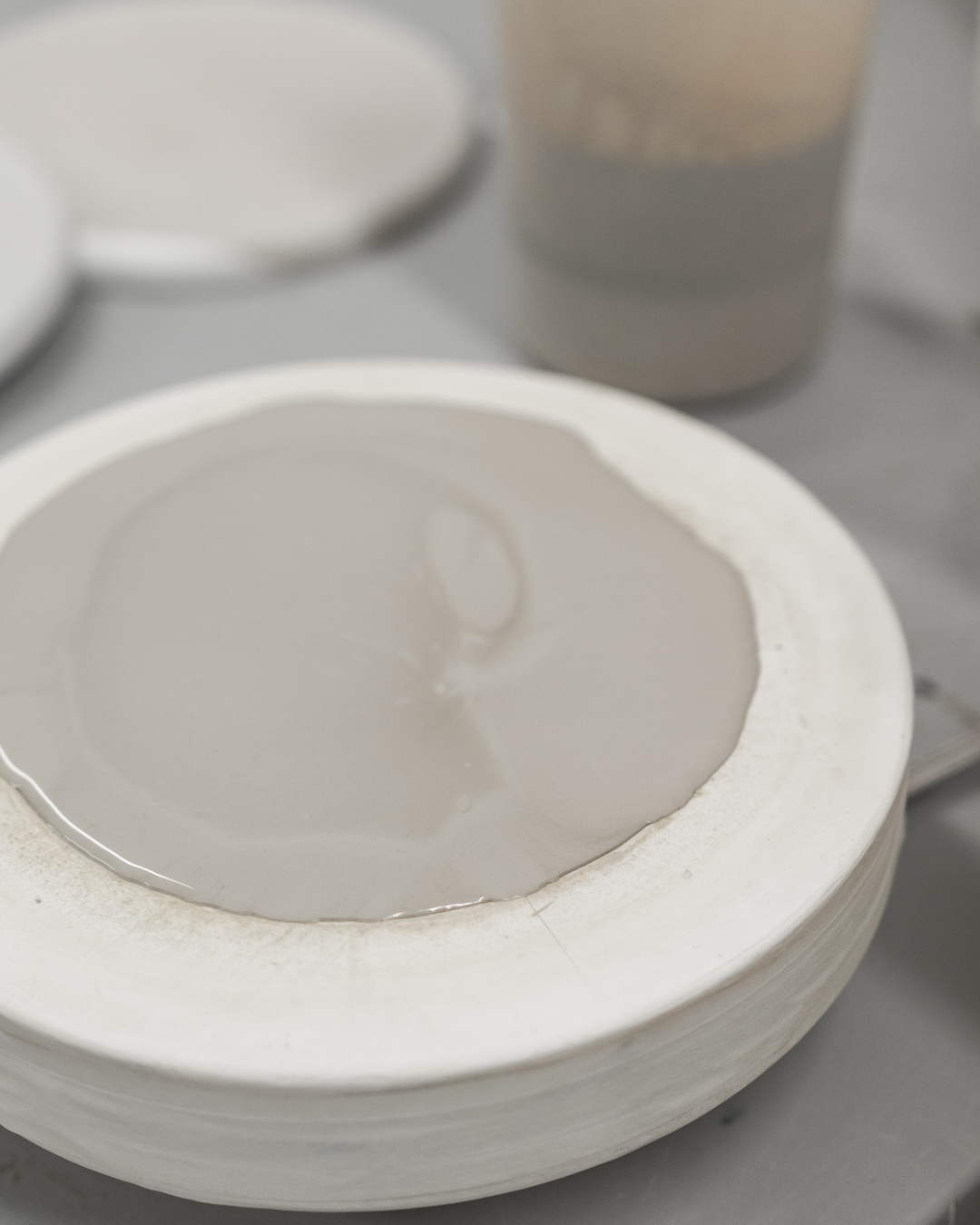
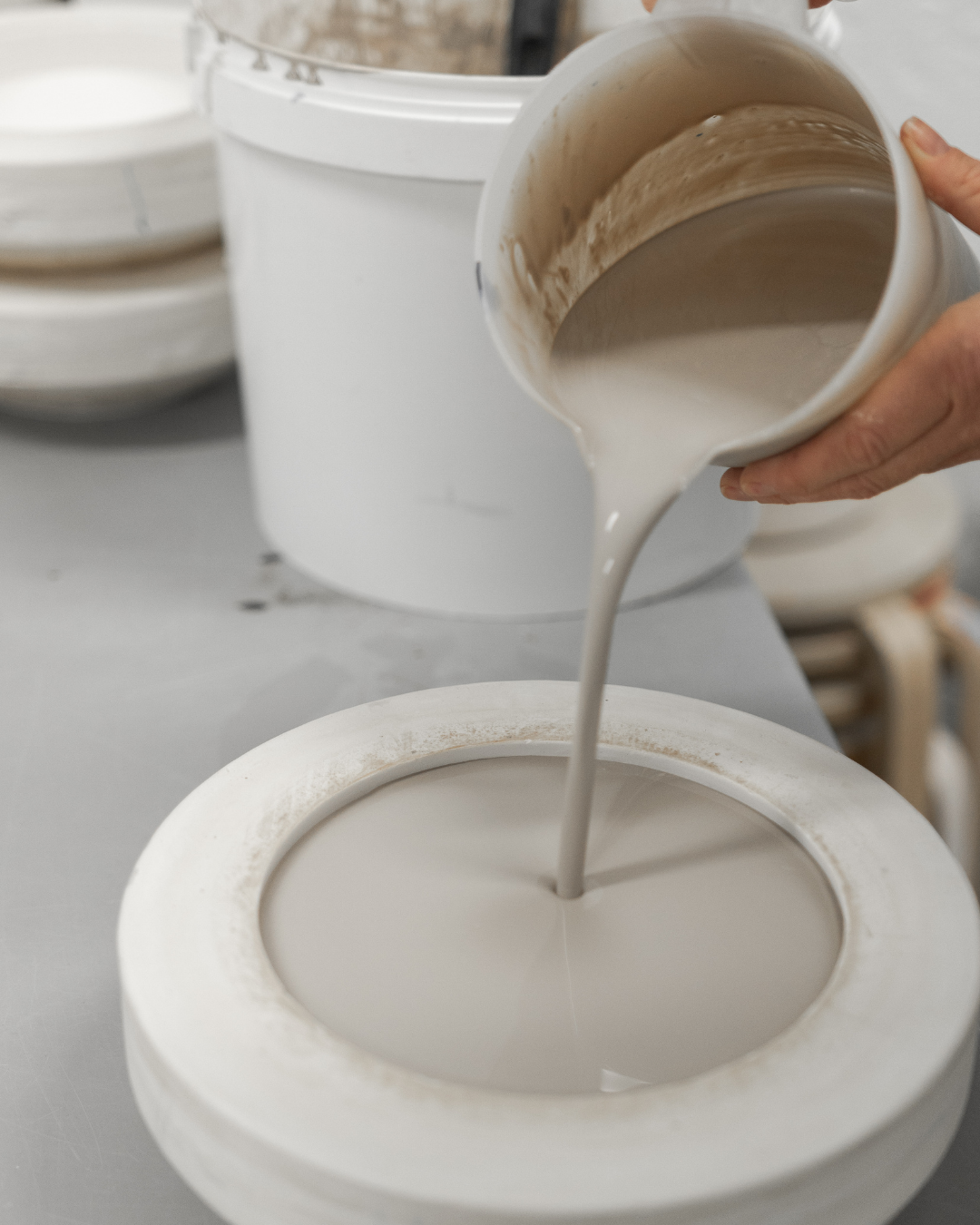
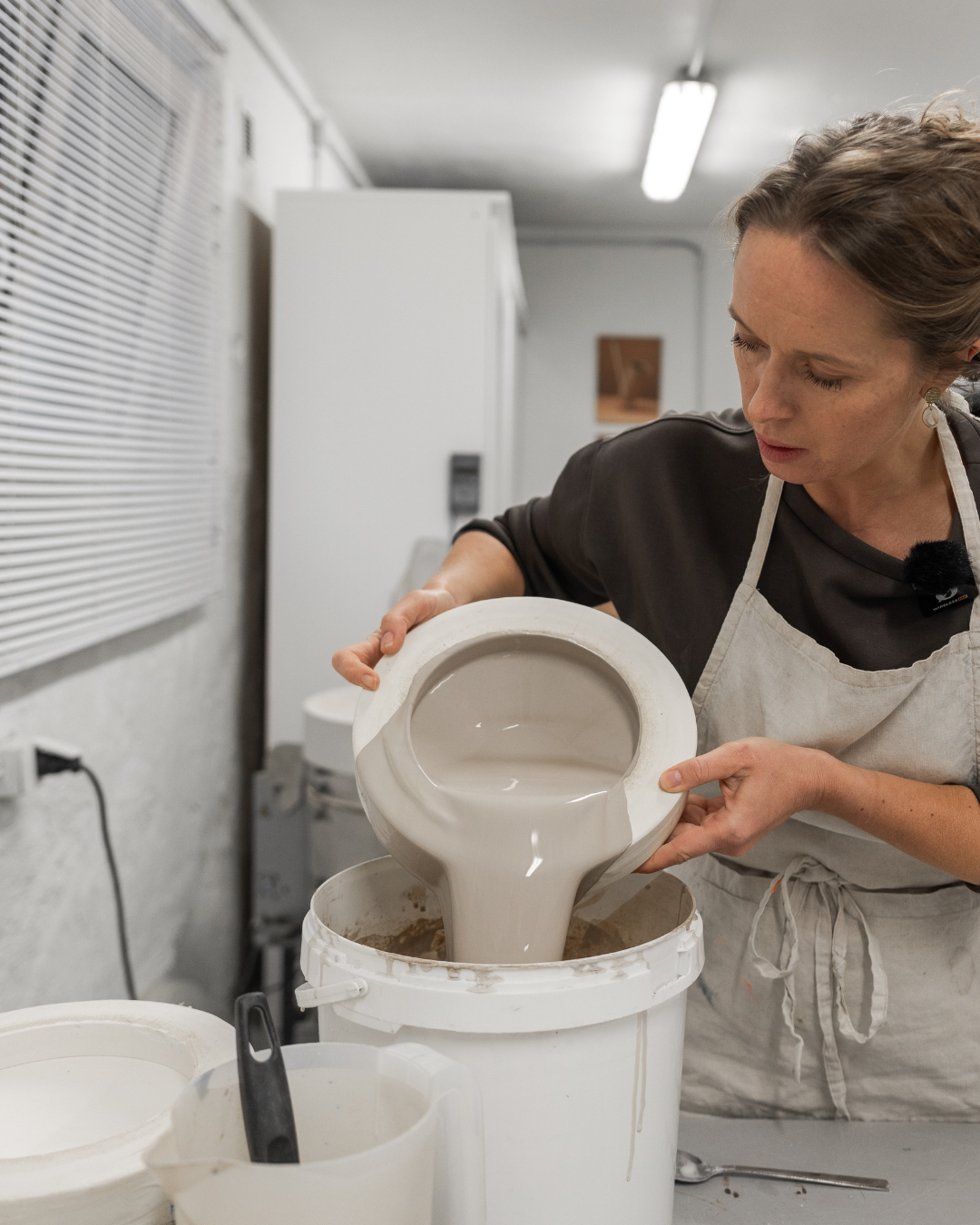
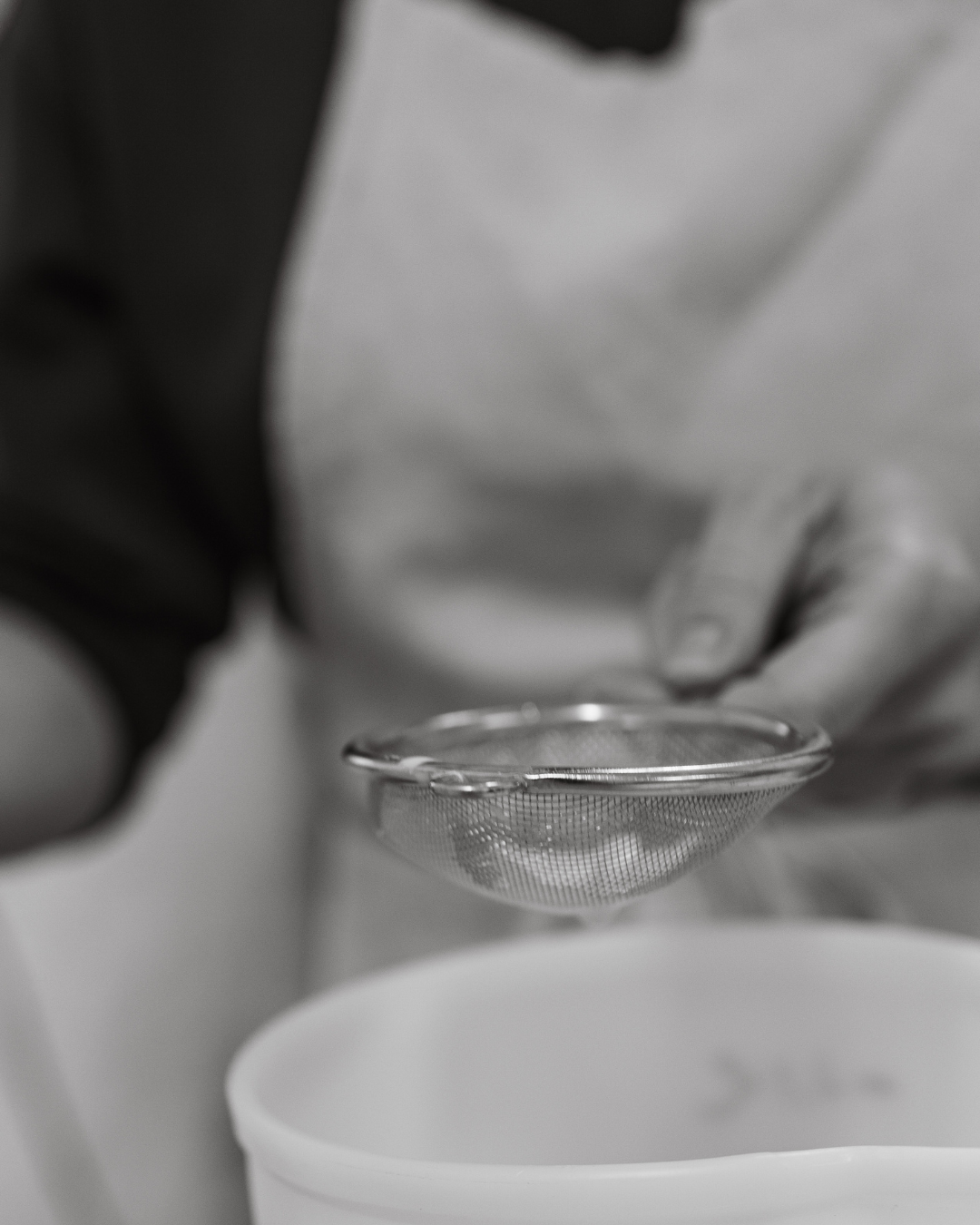
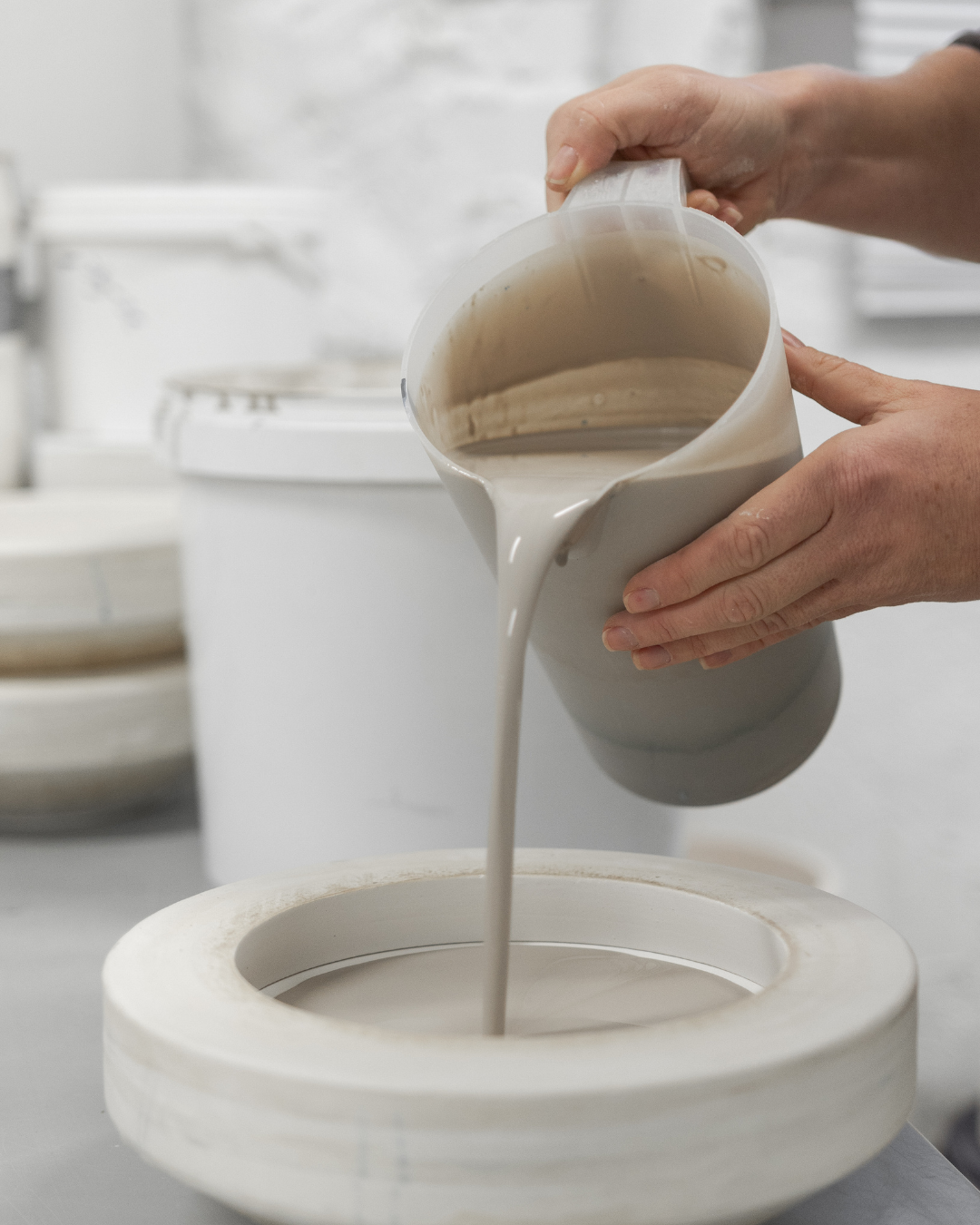
She then pours liquid porcelain slip into a plaster mould. Mariana watches the process with a practised eye. She has performed these movements thousands of times. “It’s all in my hands by now. I no longer have to think too much about what I’m doing,” she explains. Sometimes she listens to music, the news or podcasts while working; at other times, she simply gets lost in her own thoughts. As a mother of three, the hours spent in the studio offer her a chance to take a break from everyday practical responsibilities. “I really like being able to switch off from the rest of the world for a while and spend time here with this temperamental, yet much-loved porcelain.”

Temperamental is indeed an apt description of porcelain. It needs to dry slowly and cannot be rushed; even one hurried movement can cause a piece to break. Mariana sums up one of the most important lessons of her craft quite simply: “Even when you’re in a hurry, you must never rush.”
It All Started with the Desire to Create Something of Her Own

The story of Nüüd Ceramics began in 2014, when Mariana graduated from the Estonian Academy of Arts. Establishing her own studio felt like a natural next step. As a ceramic artist, she did not see many other professional opportunities in Estonia, and she had already been eager during her studies to establish her own studio and pursue creative projects.

“I was quite impatient and couldn’t wait to start bringing my ideas to life through materials,” she recalls. That same year, she moved into her current studio and began experimenting and developing ideas. She knew she wanted to work in the fields of design and art, but she had not yet figured out exactly what form her venture would eventually take. At one point, she even considered opening a gallery-like space where she could bring together other ceramic artists and organise joint exhibitions and sales. In the end, however, designing, producing and running her own studio felt like the right path.

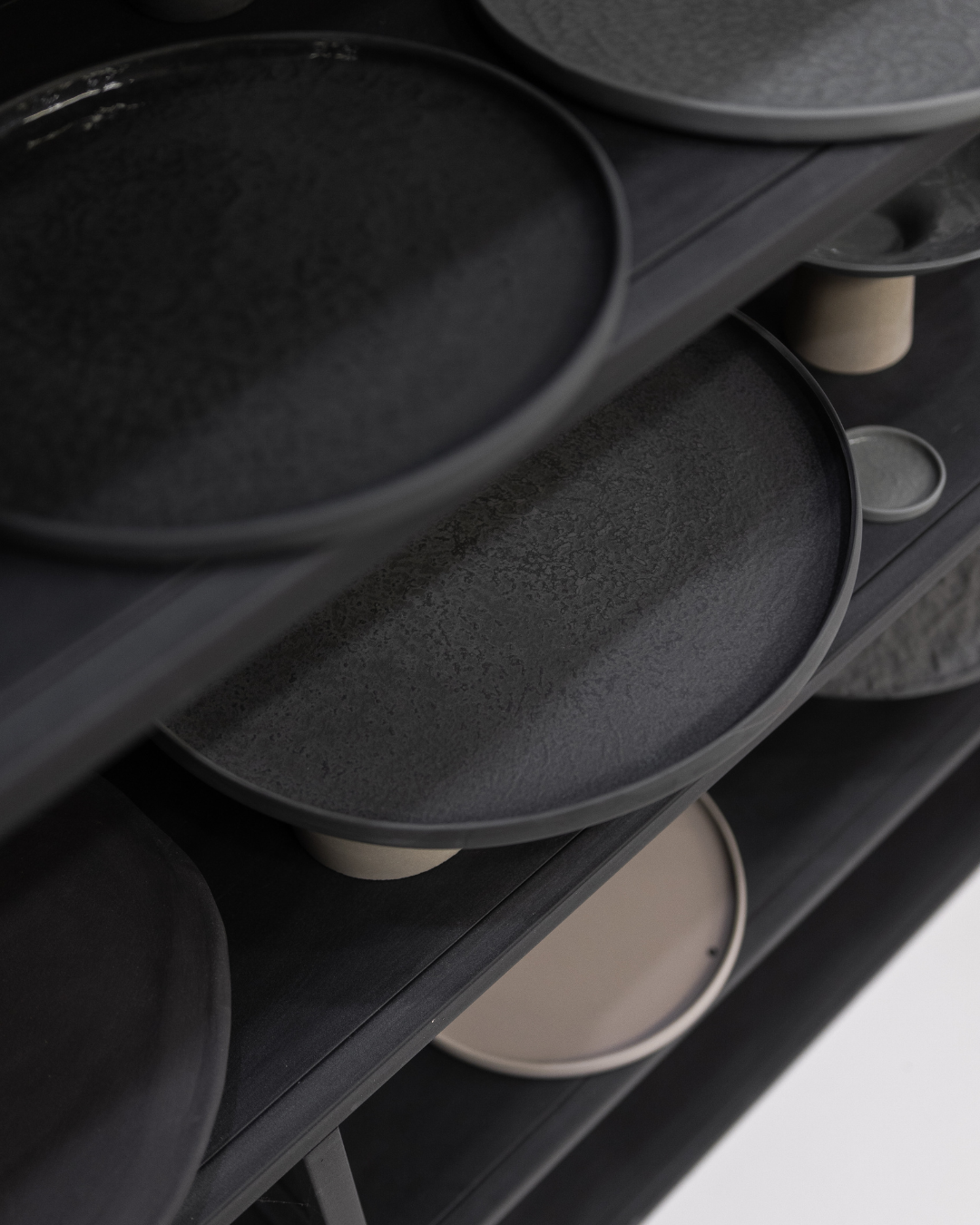
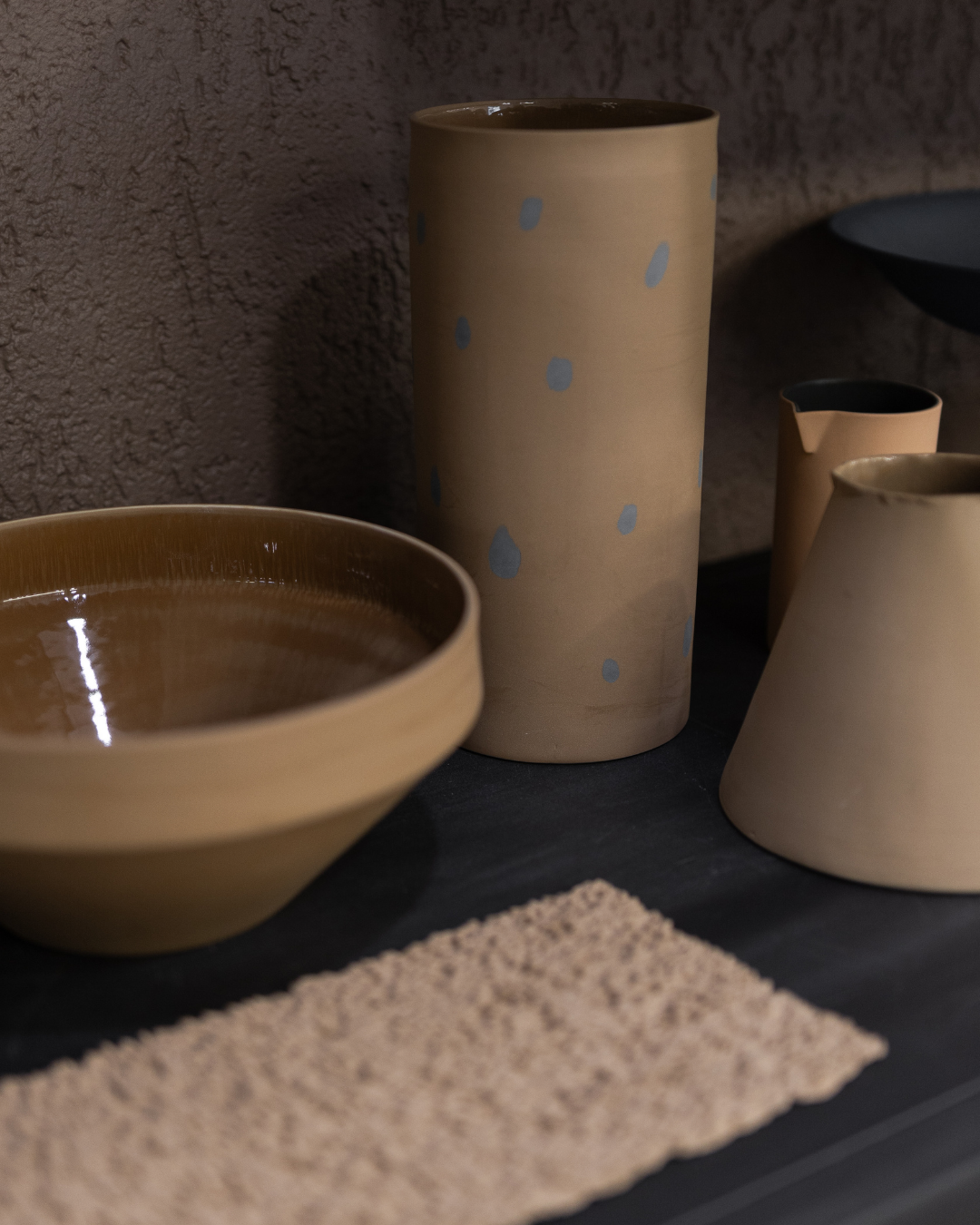
Mariana considers professional education extremely important. She believes that without the knowledge and techniques acquired at the Estonian Academy of Arts, she would not have reached a professional level in the same way. Her studies gave her the tools to further develop her own style. Her signature aesthetic, however, was there from the very beginning: simple, minimalist forms, initially predominantly in black and white. Colour has gradually been introduced over the years, but the underlying principle has remained the same.

The name Nüüd Ceramics also emerged from a desire to emphasise that ceramics is not limited to the traditional pottery associated with history lessons or rustic clay bowls. Mariana remembers how people often associated ceramics with something old-fashioned and earthy. She wanted to show that ceramics can fit perfectly into contemporary interiors and can be thoroughly modern in both form and character. The name Nüüd, meaning “now” in Estonian, was inspired by the concept of contemporary ceramics.

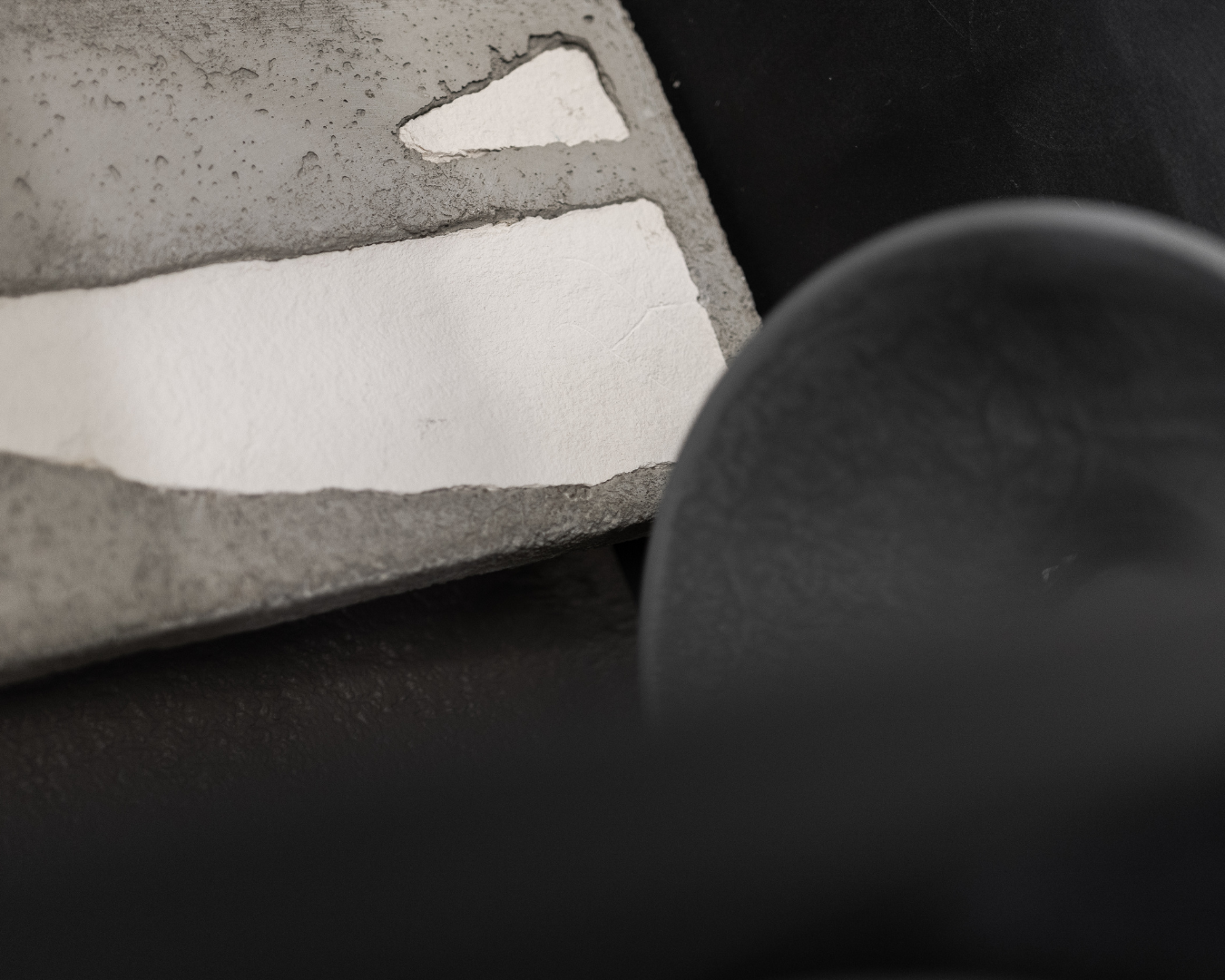
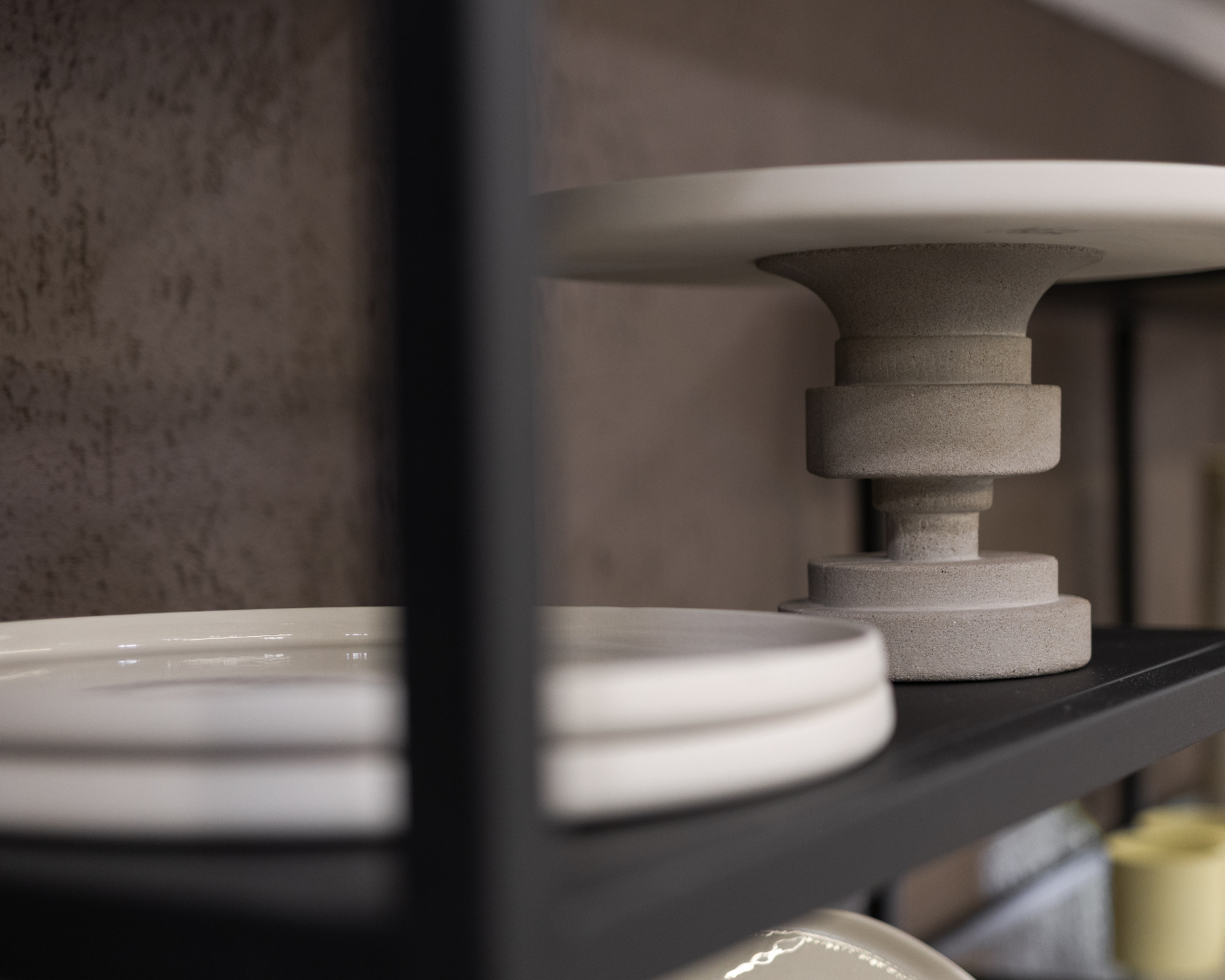
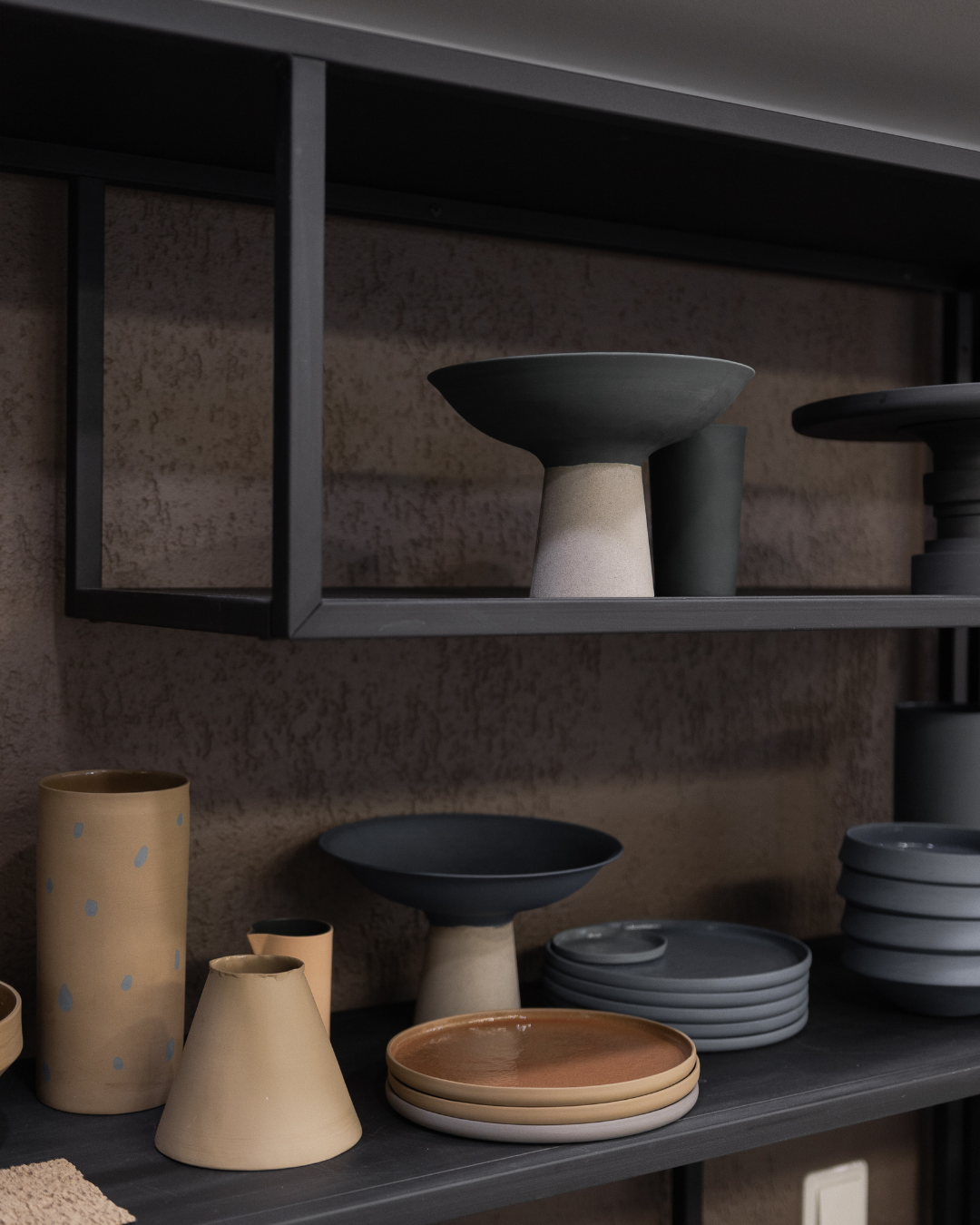
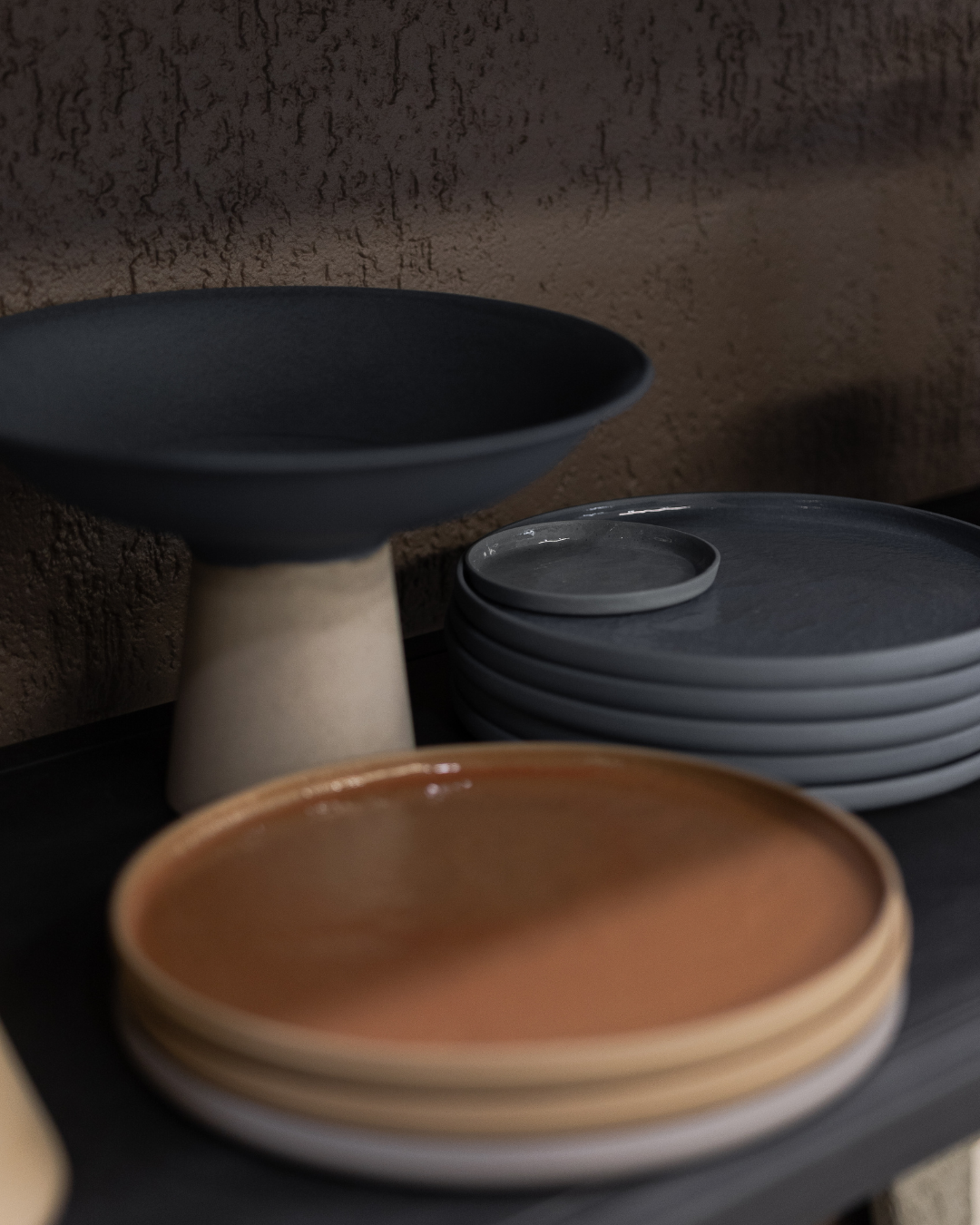
One of her earliest experiments was an elongated rectangular platter made from construction concrete and finished with a matt gold metallic accent. Yet one product has remained particularly important since the very beginning: a pedestal platter that has become one of the brand’s best-known pieces and a true bestseller. It continues to sell to this day, and some customers have gradually built up impressive collections of Nüüd Ceramics pieces in their homes over the years.

Rapid Success and the Conscious Decision to Stay Small

The brand’s early days were surprisingly successful for Mariana. She fondly remembers the design markets at Kultuurikatel, where they would arrive with a car full of ceramics, only to sell out within a couple of hours. “The ceramics sold like hot cakes,” she recalls. Orders started coming in quickly, and collaboration proposals often found their way to her without much effort. She hardly needed to advertise her work at all – people discovered her on their own.

At one point, the workload grew so much that the studio walls were covered with order lists. Restaurant orders sometimes involved more than two hundred pieces, and for a while Mariana had one, or even two, people helping her. For a moment, it seemed that the small workshop was no longer enough and that she might need a warehouse or even her own ceramics factory.

But rapid growth also had its downsides. Making ceramics is physically demanding work: after prolonged periods of production, the wrists and knees begin to feel the strain. Heavy materials need to be lifted constantly, and producing large quantities of items at once is simply impossible with only two hands. Expanding production would also have required substantial investment and probably the involvement of investors. Given the relatively small Estonian market, this did not seem like the most sensible direction to Mariana.

She decided that she did not want to turn her creative studio into a manufacturing business. What mattered more was finding a balance where there were enough orders while the work itself remained enjoyable. Today, she works mostly on her own, with one long-term professional partner helping out with larger orders. “It’s mainly a one-woman show,” she says of her current way of working.

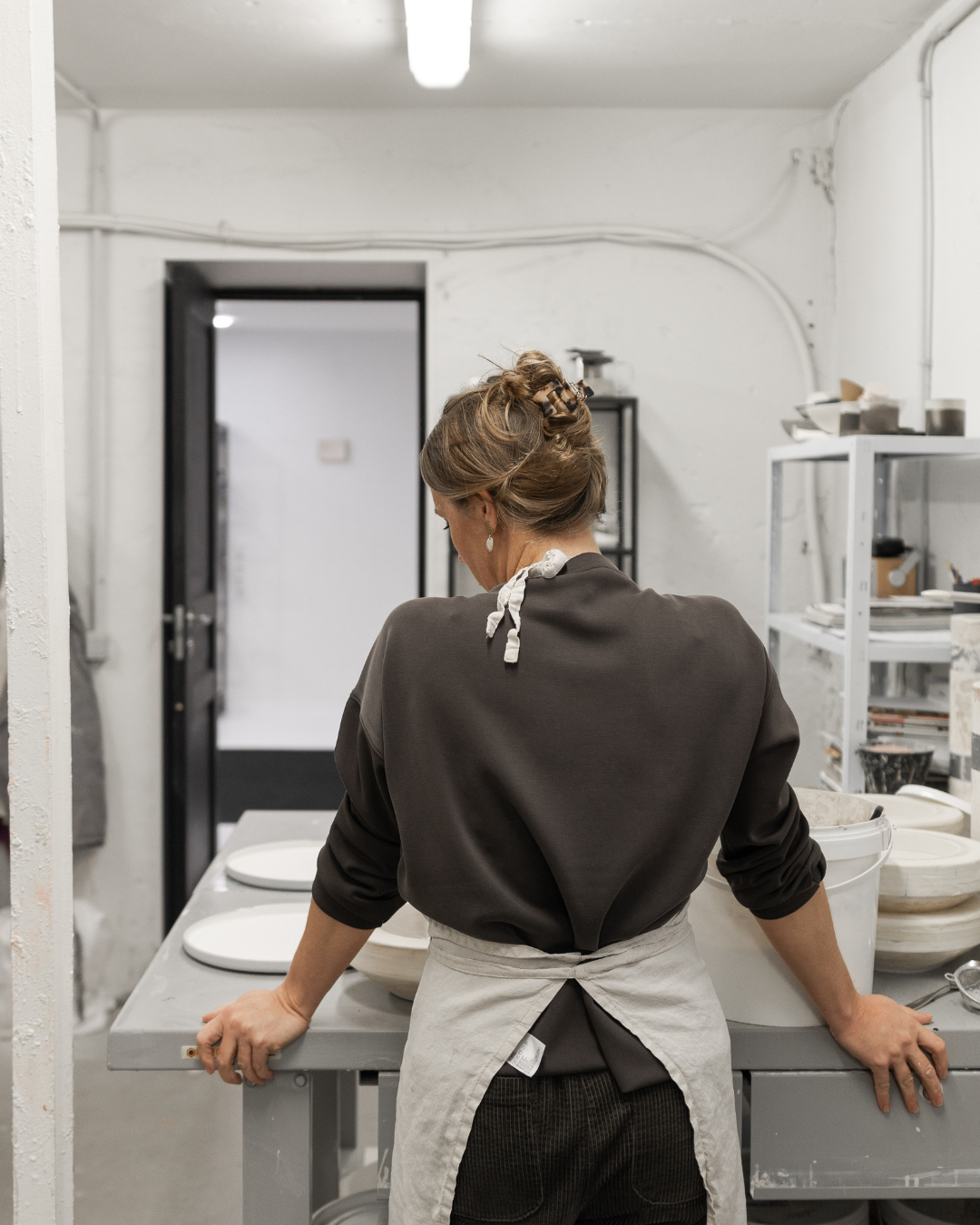
That does not mean there is little work to do. The daily schedule at the studio is largely dictated by porcelain itself. Mariana usually arrives around ten or eleven in the morning, sometimes after a quick stop at a hardware store. The first task is to check which pieces are ready to be removed from their moulds, sanded, glazed or loaded into the kiln. She then moves on to new orders and pours the next batch of pieces. Cleaning is also an essential part of every working day – maintaining order is, in her words, one of the most important ways to save time. She generally does not spend more than four hours at a time in the workshop, as the physical demands are considerable. In the evening, work often continues from her home office, where she prepares quotes, responds to enquiries and communicates with clients.

One Piece Takes a Week, a Large Order Can Take Months

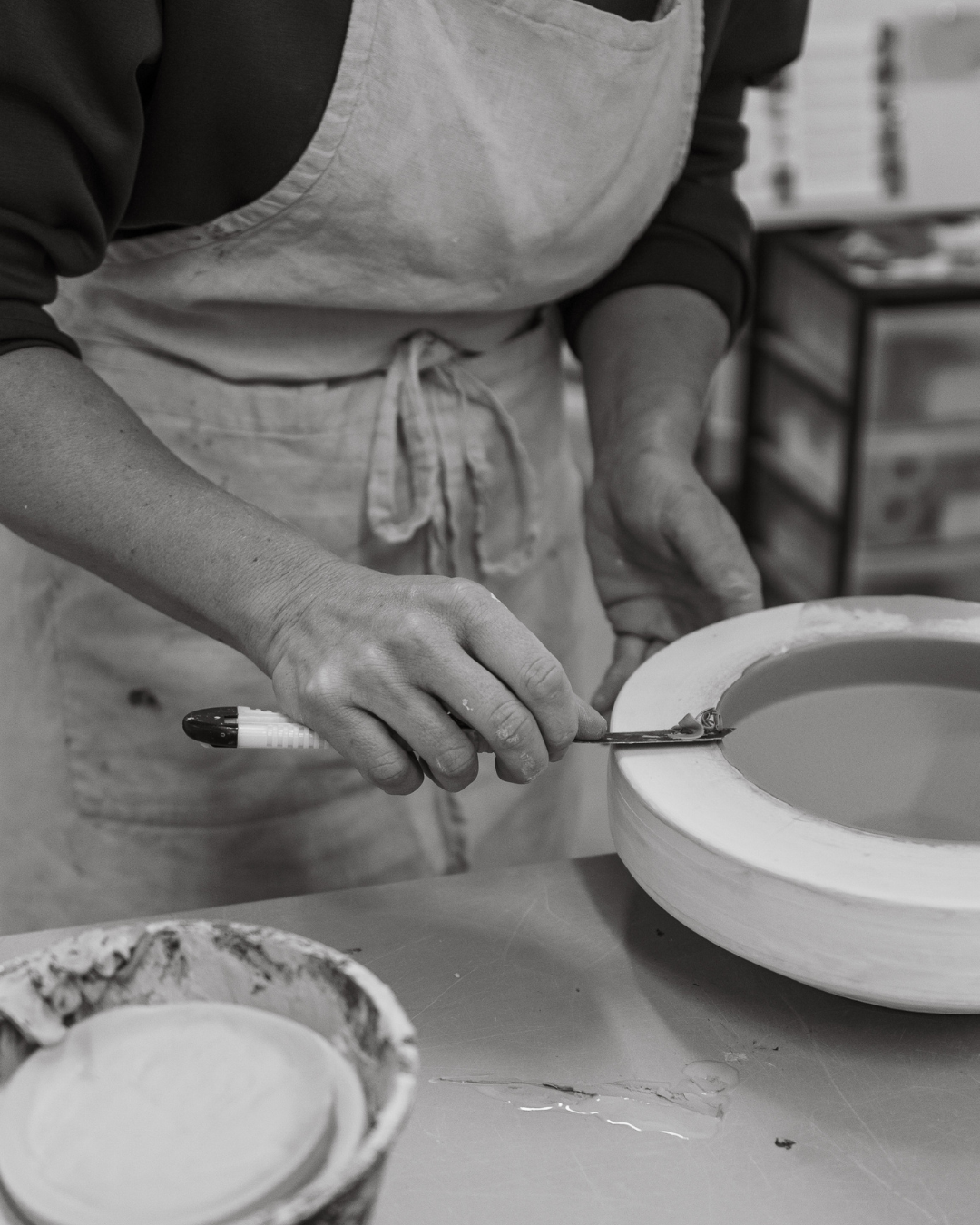
Creating a porcelain piece involves several stages, each requiring its own time. If the desired porcelain colour is not already available, it must first be mixed. The piece is then cast in a mould, left to dry, fired for the first time, sanded by hand, glazed and fired again. Finally, another round of sanding is needed to achieve the silky-smooth surface of the finished piece. Each kiln firing takes sixteen to seventeen hours, and the process cannot be rushed either – the kiln must be allowed to cool down gradually.

A single piece takes at least a week to complete, while larger orders can involve waiting times of up to two months. Mariana generally avoids promising even small orders within just a couple of days. “I can work non-stop myself, but porcelain still sets the pace. And you have to take that into account.”
Patience is equally important when developing new products. Not everything a designer imagines on paper can necessarily be realised in porcelain. For example, pieces with very slender stems may lose their shape in the kiln, while details that are too delicate may not withstand everyday use. Mariana also considers whether her pieces will still be functional ten or twenty years from now. She is drawn to simple forms because they allow the beauty of the material itself to shine through.

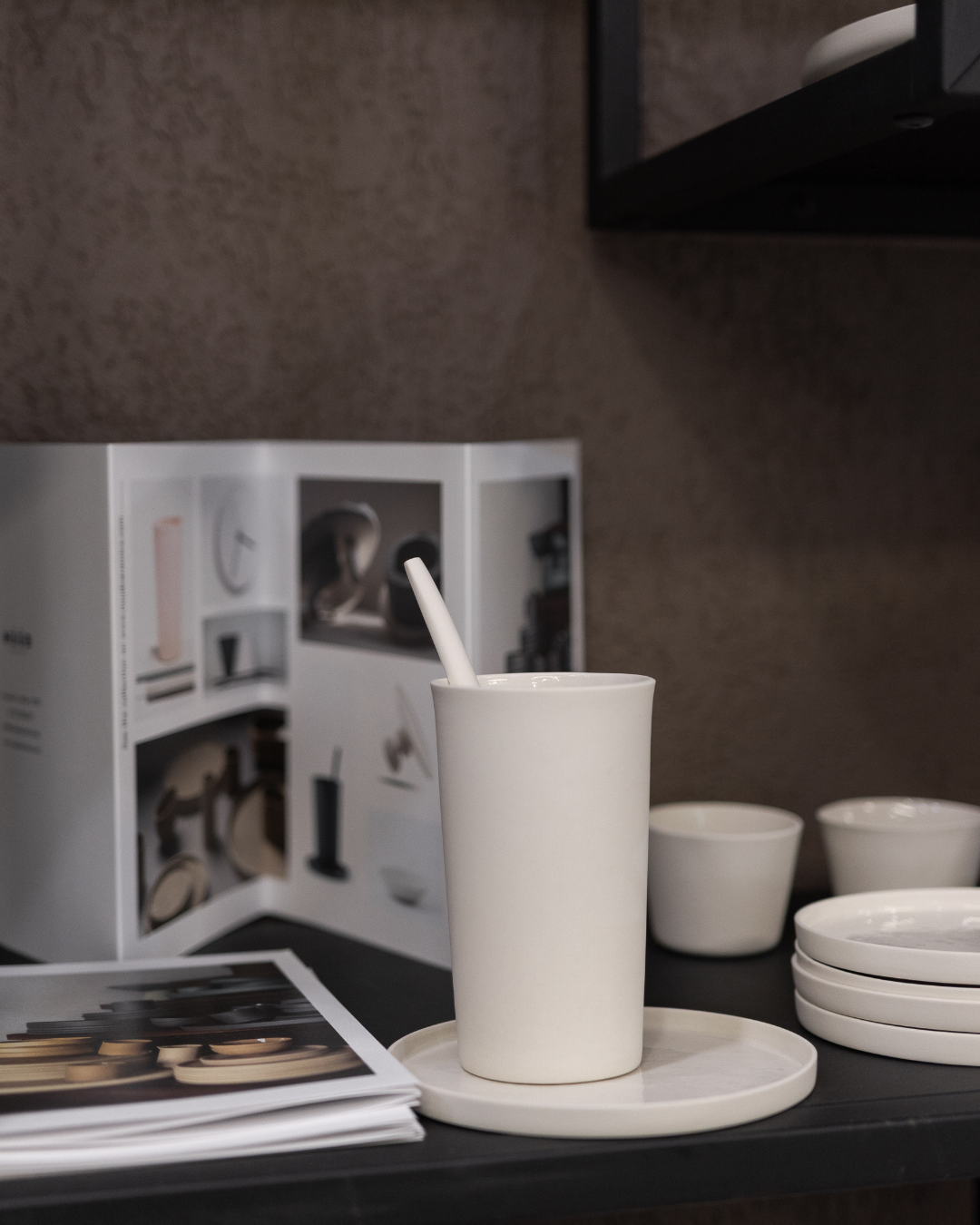
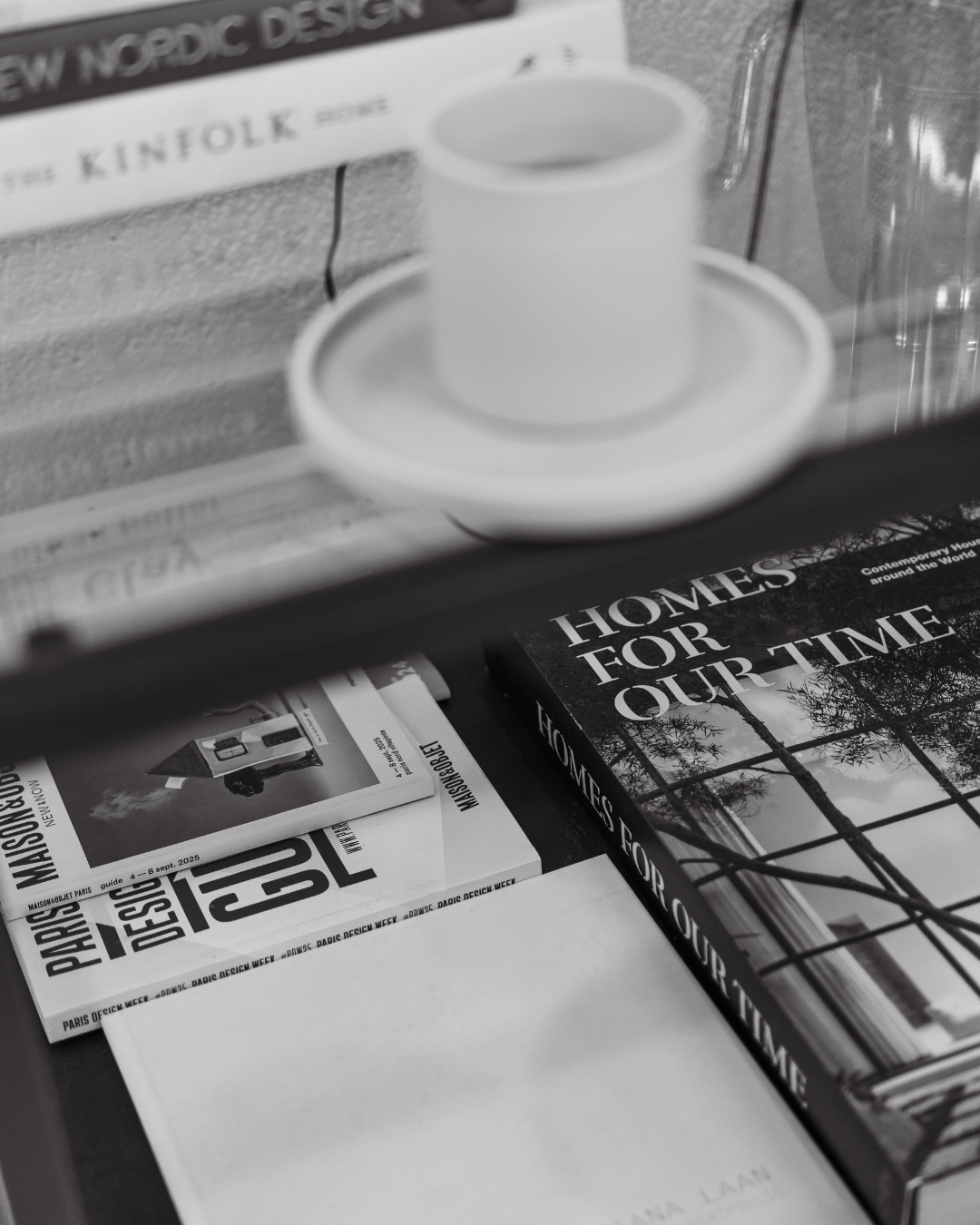
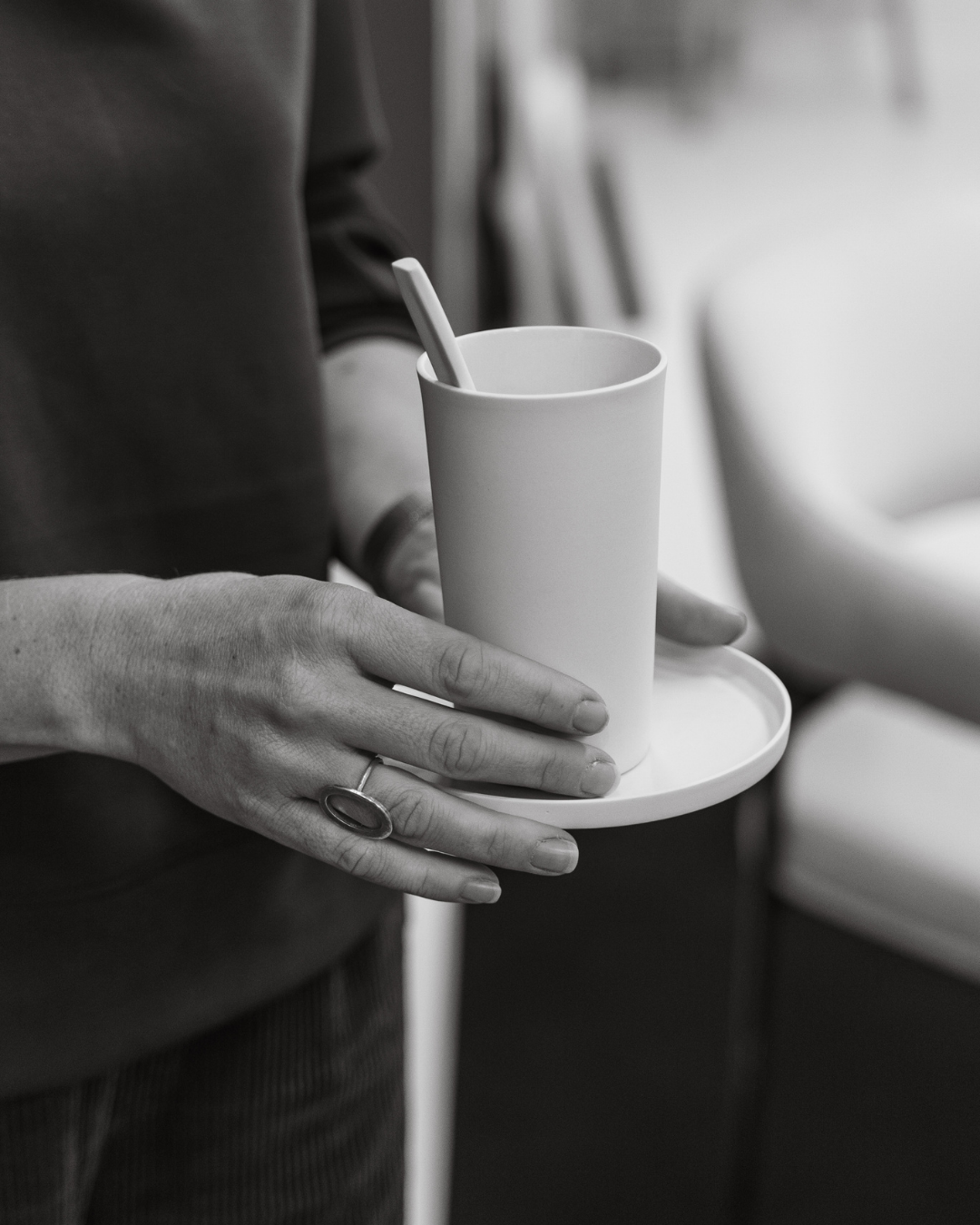
One of the most interesting examples of Mariana’s signature style is a latte set featuring a small, stick-shaped accessory. To her, it is almost an evolution of the spoon, while also adding a certain visual elegance to the set. Customers may not immediately understand what it is for, and the little stick itself is fragile and difficult to produce. Nevertheless, Mariana has decided to keep making it, as she feels the set would not be complete without this small detail.

She accommodates customers’ special requests whenever possible, particularly when it comes to colours. Red, a frequently requested shade, is difficult to achieve in porcelain, as it tends to burn off at high firing temperatures. Customers have also asked whether flowers could be painted onto the tableware, but in such cases Mariana prefers to recommend another ceramic artist whose style is better suited to the request. She would rather remain true to her minimalist aesthetic.

Customers Who Build Their Homes Around Their Tableware

Over the years, Nüüd’s customer base has evolved. Whereas restaurant owners were once the main clients, today the studio often welcomes people who are building new homes or completely redesigning their kitchens. They frequently work alongside interior designers who help them select colours, shades and suitable shapes. The result can be an entire collection – dinner plates, dessert plates, bowls, mugs, platters and vases. Mariana recalls a recent order that included more than eighty pieces.

Another important customer group consists of loyal clients and design collectors who add a new shape or colour to their tableware collection every year. Some homes probably contain such a wide variety of Nüüd pieces in different shades that, as Mariana puts it, they could almost resemble a rainbow.

Relationships with returning customers can be very detail-oriented. One client ordered olive-coloured tableware five years ago and recently got in touch again, wanting to add more pieces to the same collection. The only problem was that Mariana had lost the exact formula for the original colour in the meantime. It took her almost a week to recreate the precise shade. Nevertheless, she finds such orders exciting, as customers often have a very specific vision and even the smallest details matter greatly to them.

Pricing, however, is not always straightforward. The cost of porcelain and other materials has risen in recent years, and this needs to be reflected in product prices. Mariana takes both material costs and her own working hours into account, as selling below cost would not be sustainable. At the same time, she does not like to think of her creative work purely as a business. “I enjoy what I do, and I increasingly think of it less and less as a commercial activity.” What matters to her is that the business covers its costs and can continue operating, but the purpose of creative work cannot simply be to make as much money as possible. “There are better industries to go into if making money is your main goal.”
Porcelain is fragile and transporting it is expensive

Nüüd Ceramics’ creations have also travelled beyond Estonia. In the early years, Mariana received collaboration proposals and orders from abroad, sending her work to the United States, Germany, France and neighbouring countries.

Today, she has a somewhat different attitude towards international sales. Porcelain is fragile, and transporting it is expensive. In the early days, there were instances when only part of a shipment arrived intact, with around a third of the pieces potentially broken. Mariana has since mastered the art of packaging, but the question is no longer simply whether an item will arrive safely. Packaging and transportation costs can become so high that the whole endeavour no longer makes sense.

She compares ceramics to food: every region has its own local makers whose creations are best suited to the people living there. “Just as we don’t import carrots from America, it doesn’t make sense to order ceramics from the other side of the world either.” It is certainly possible to find a ceramic artist with a suitable style in one’s own country or neighbouring countries and support local production. It is both more practical and more environmentally friendly.

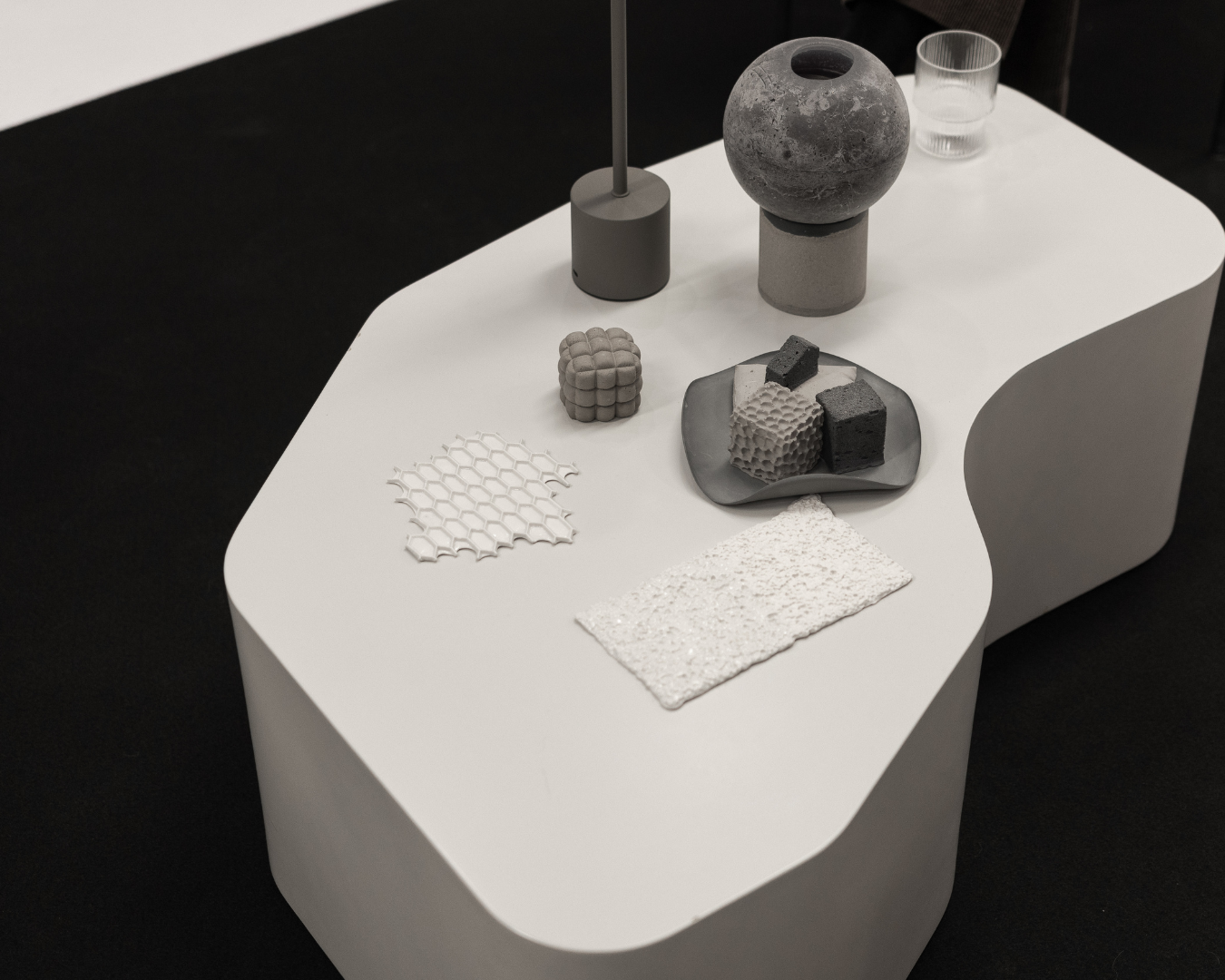
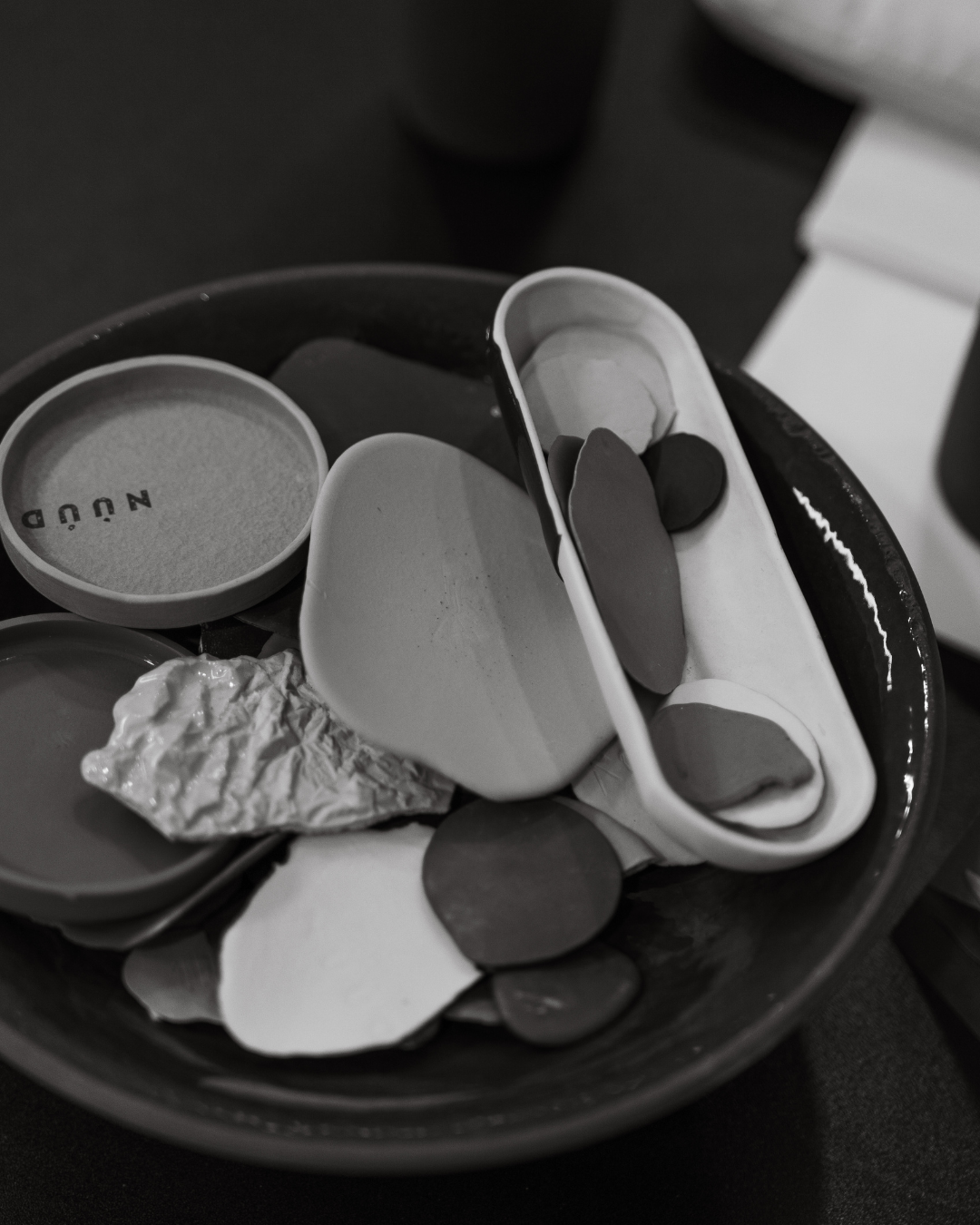
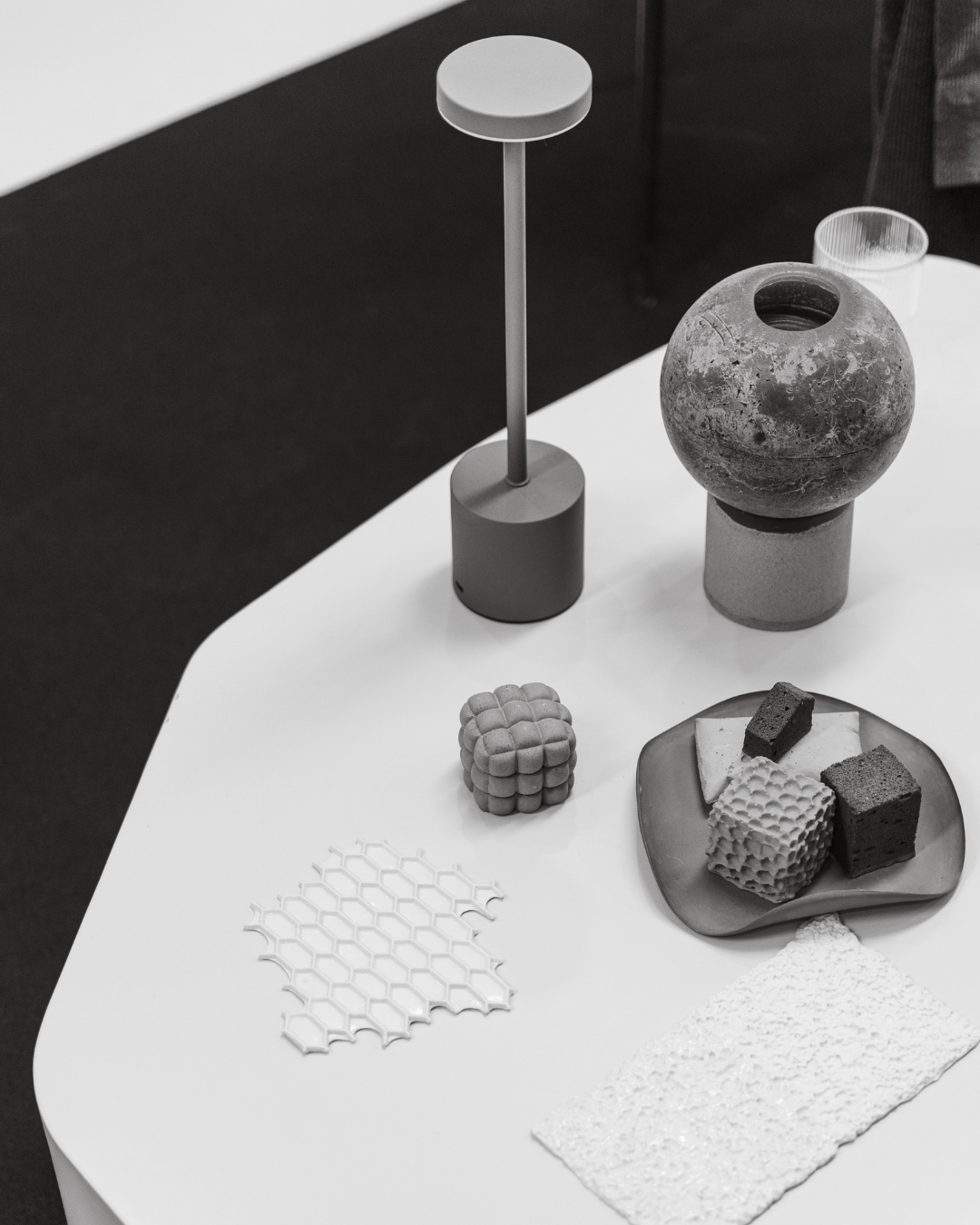
Mariana also tries to make the most of production waste. Leftover porcelain slip does not simply end up in the bin – it can be used to create various objects. In one product series, porcelain scraps are mixed into concrete and used to mould the feet of platters. This reduces the amount of concrete needed while giving the surface an interesting texture. Through the Estonian Association of Designers, these pieces have also made their way to international design exhibitions, including in New York and Canada.

Success Also Means the Freedom to Choose

When Mariana thinks about Nüüd Ceramics’ greatest achievement, she does not single out one particular product or exhibition. For her, the real accomplishment is that the brand has continued operating consistently for more than ten years. Maintaining an independent ceramics practice for such a long time is no small achievement. “When a client asks how long you’ve been in business and you say almost twelve years, even you find it hard to believe for a moment.”

Looking ahead, she does not necessarily dream of a larger studio or a ceramics factory. Instead, she hopes that things will remain more or less as good as they are now: there will be enough orders and collaboration opportunities, she will be able to participate in exhibitions, and there will still be time to develop new products and ideas. Mariana greatly values the freedom to decide for herself which direction to take and what to do next – whether that means creating a new product collection, collaborating with another designer or perhaps exploring ceramic installations.

People sometimes ask what might have happened if she had chosen a different career path. Before becoming a ceramic artist, Mariana studied economics and earned a degree in the field. Many of her former classmates now work in banks or other financial institutions. Mariana says she would probably have become an economic analyst or financial consultant herself, but life took a rather interesting turn instead. Today, her life is filled with art and creativity, and it seems that she is thoroughly enjoying every bit of it.

Explore the NÜÜD Ceramics collection HERE.


Interviewed: Margaret Aidla // Photographed: Karmen Alamets