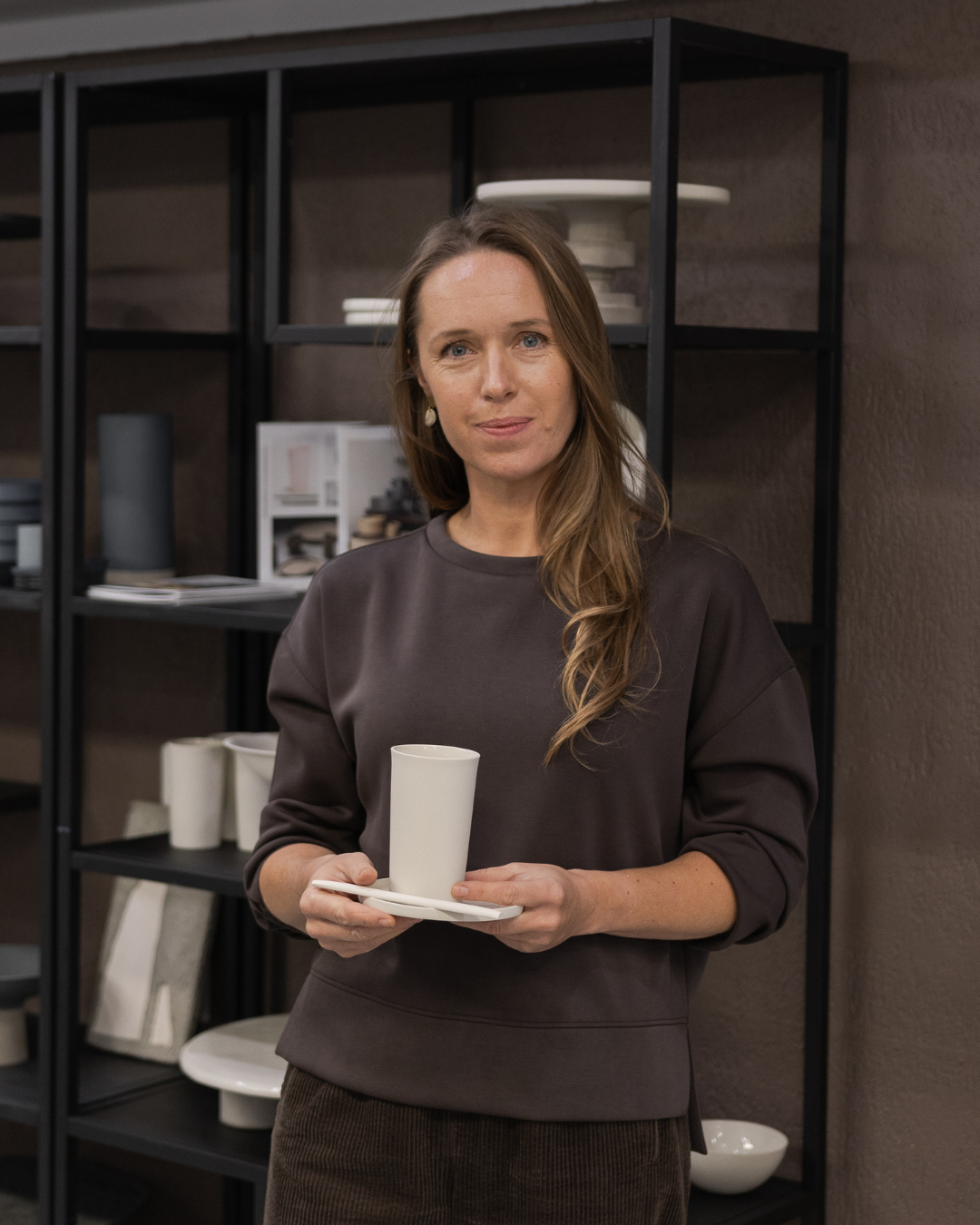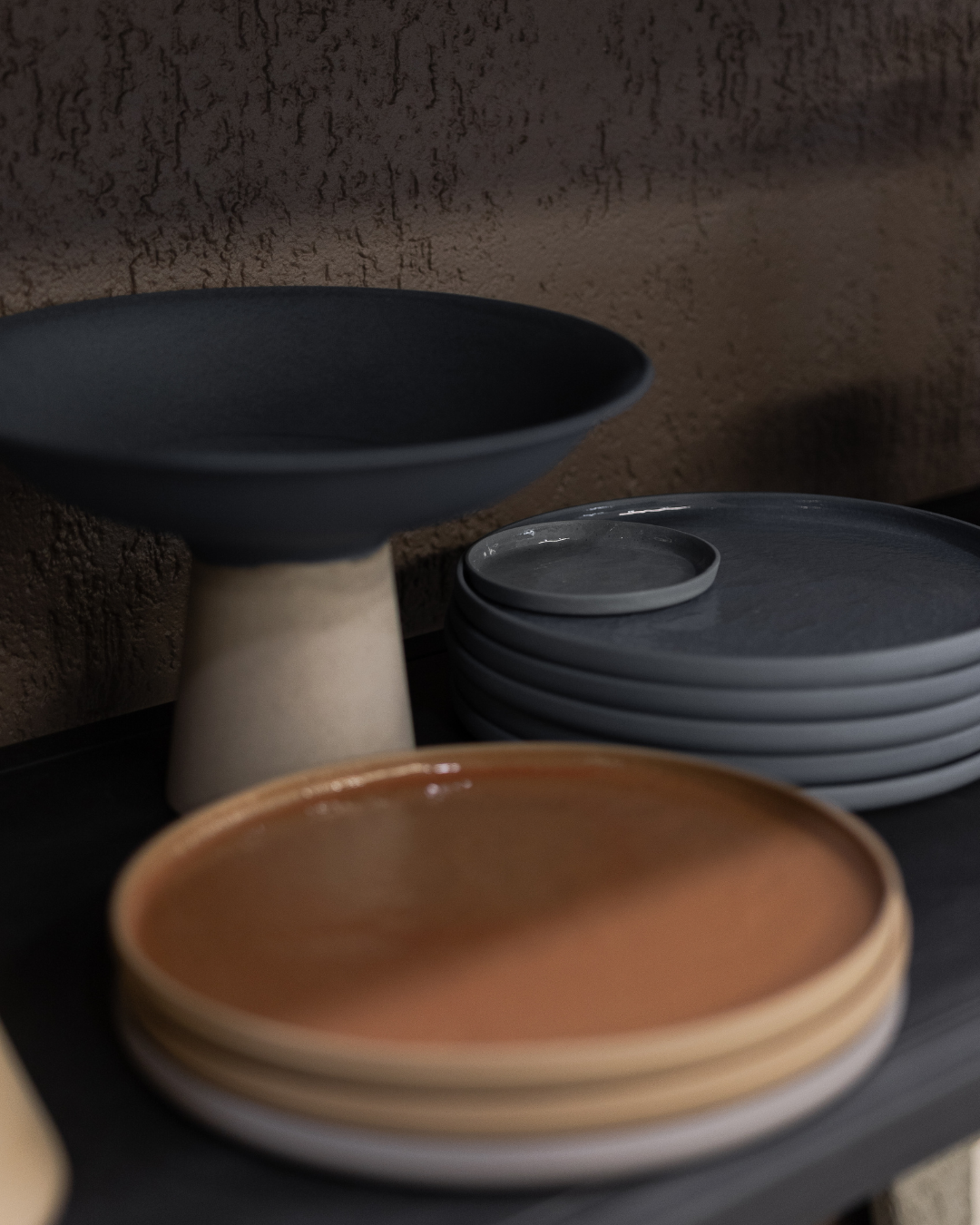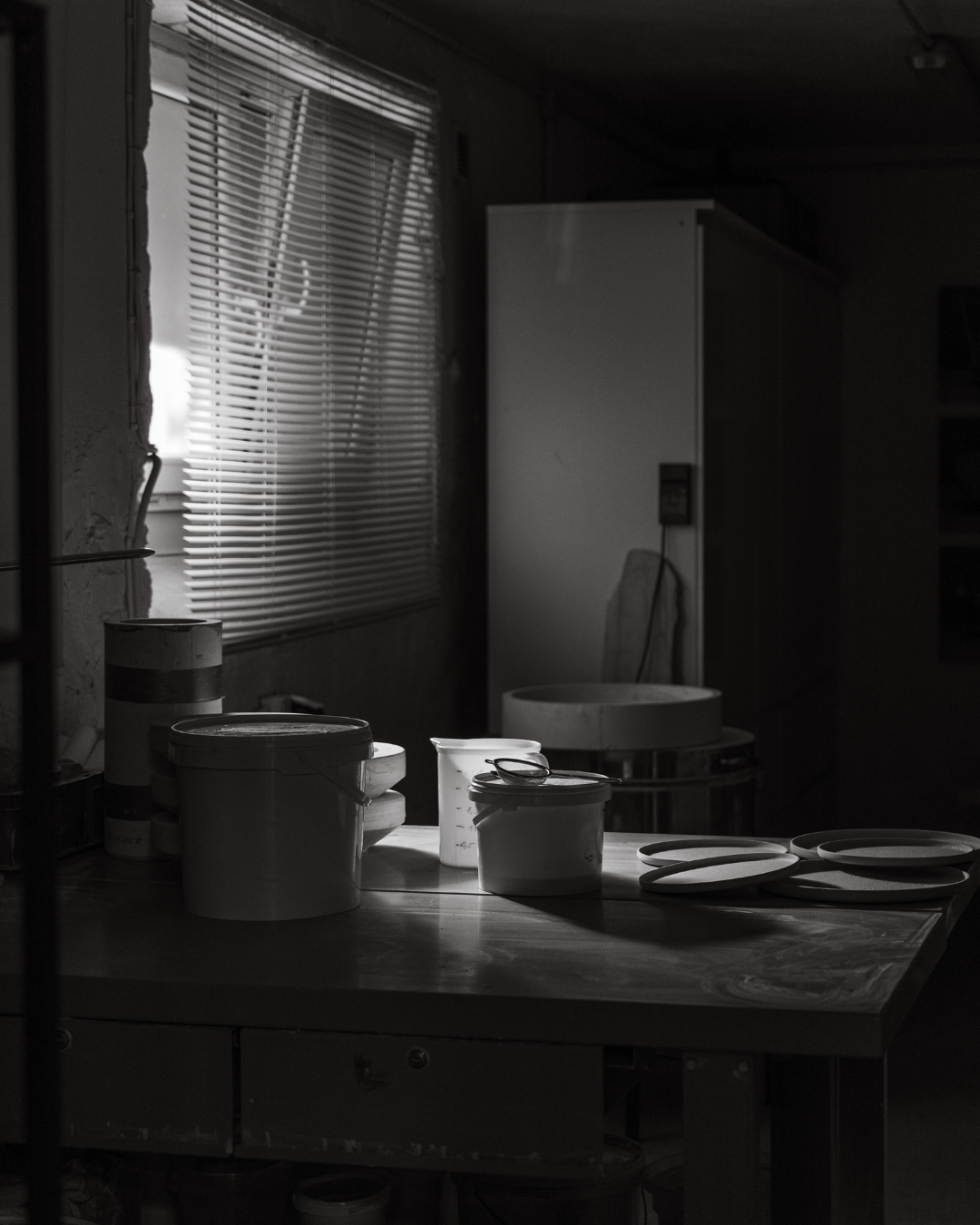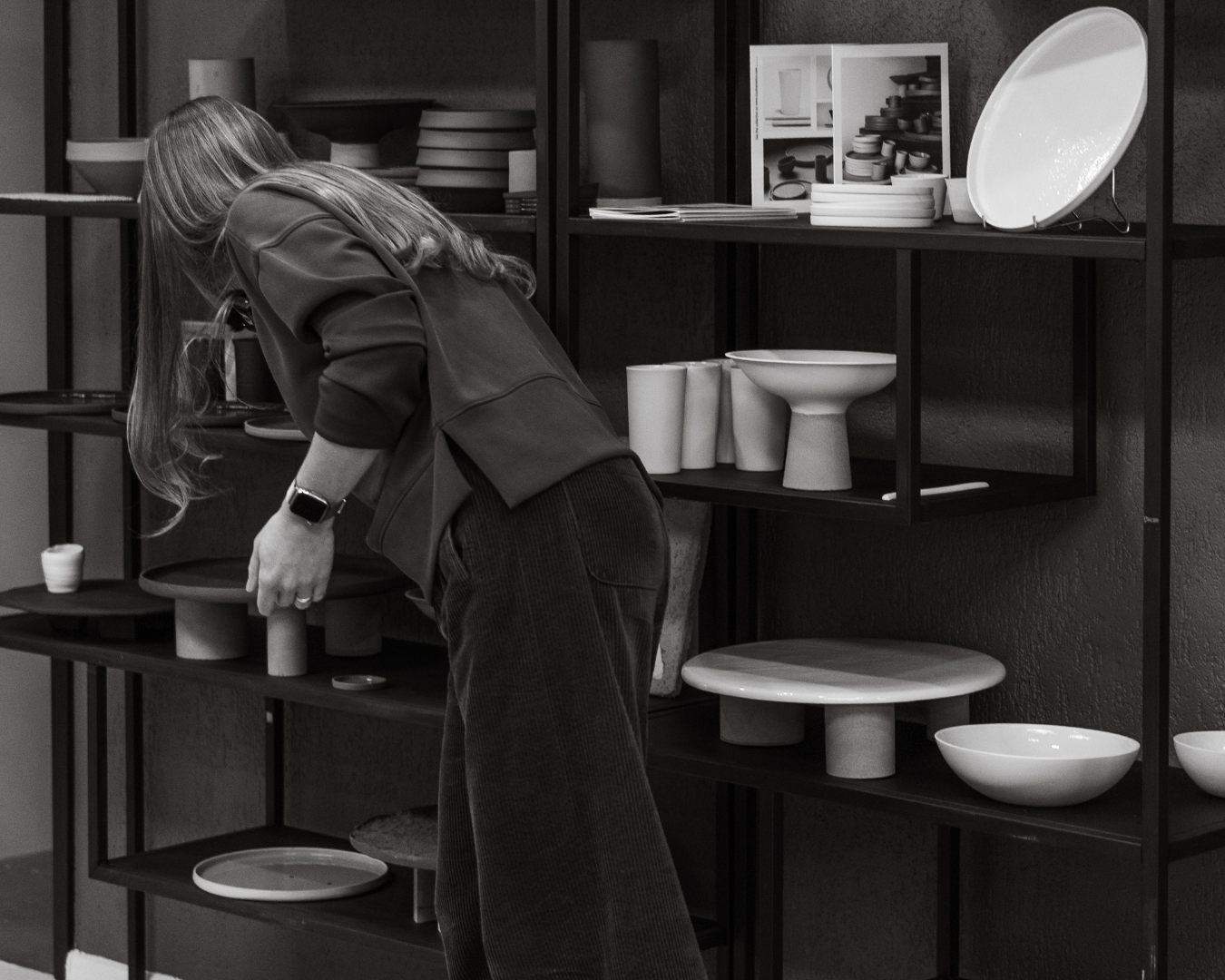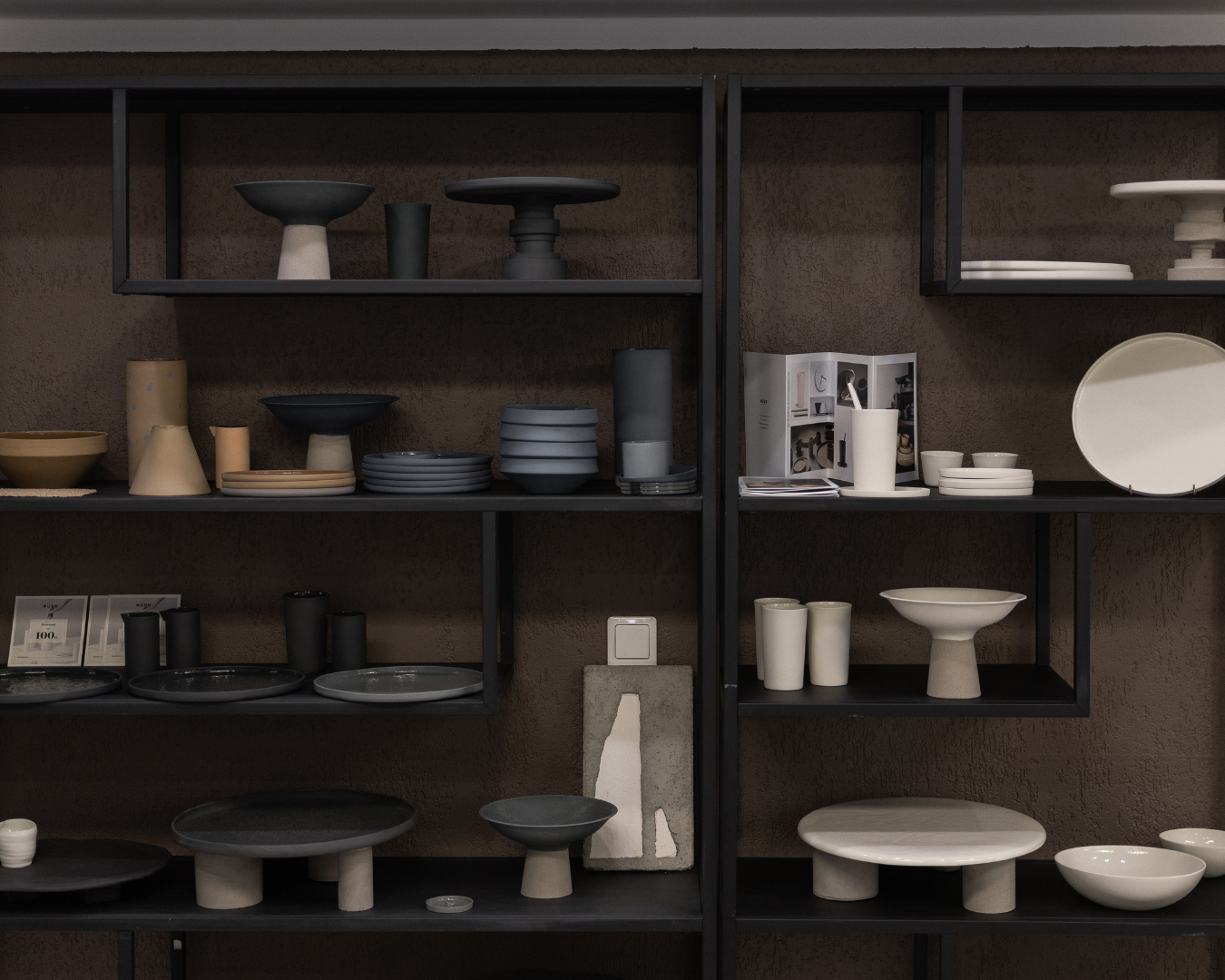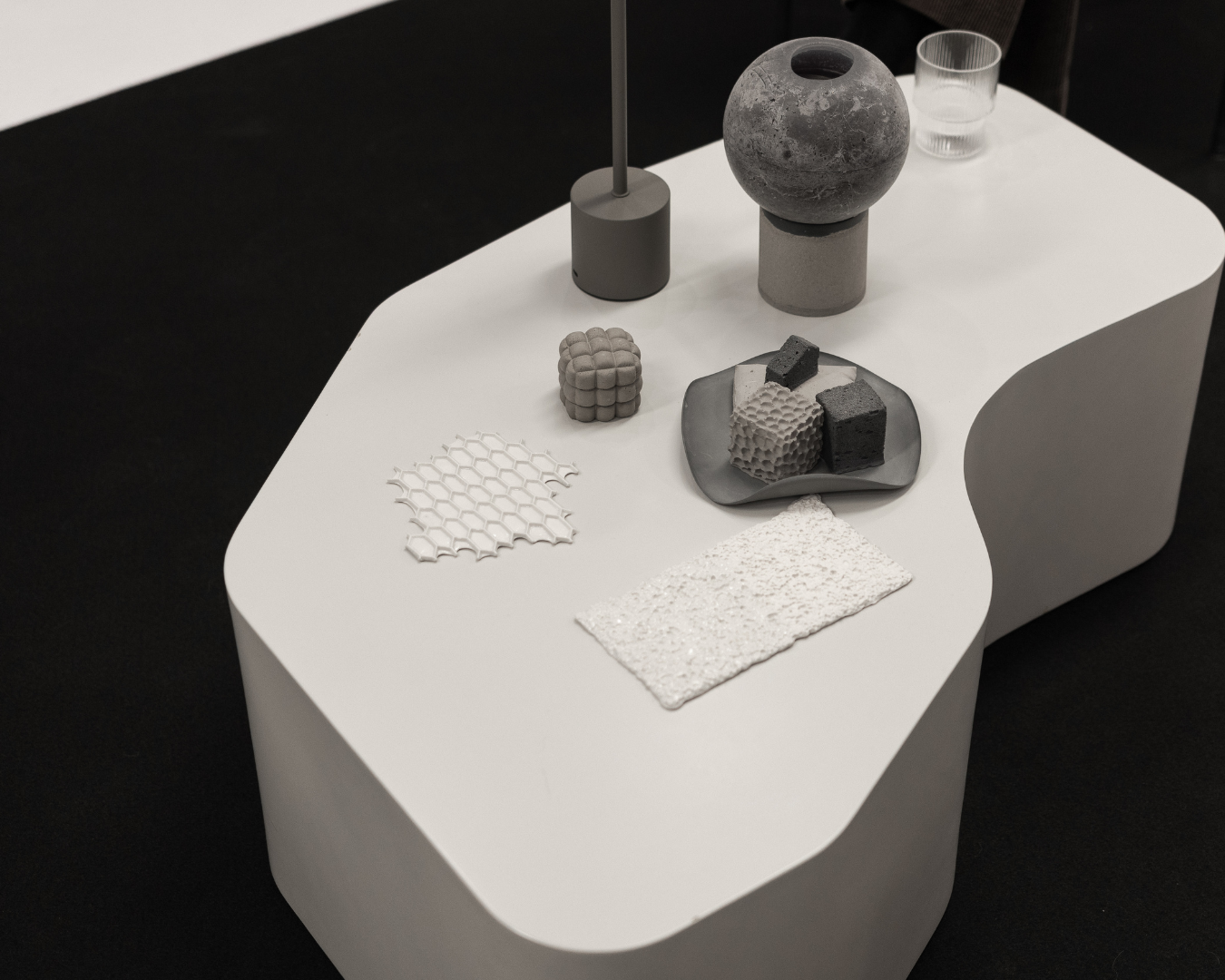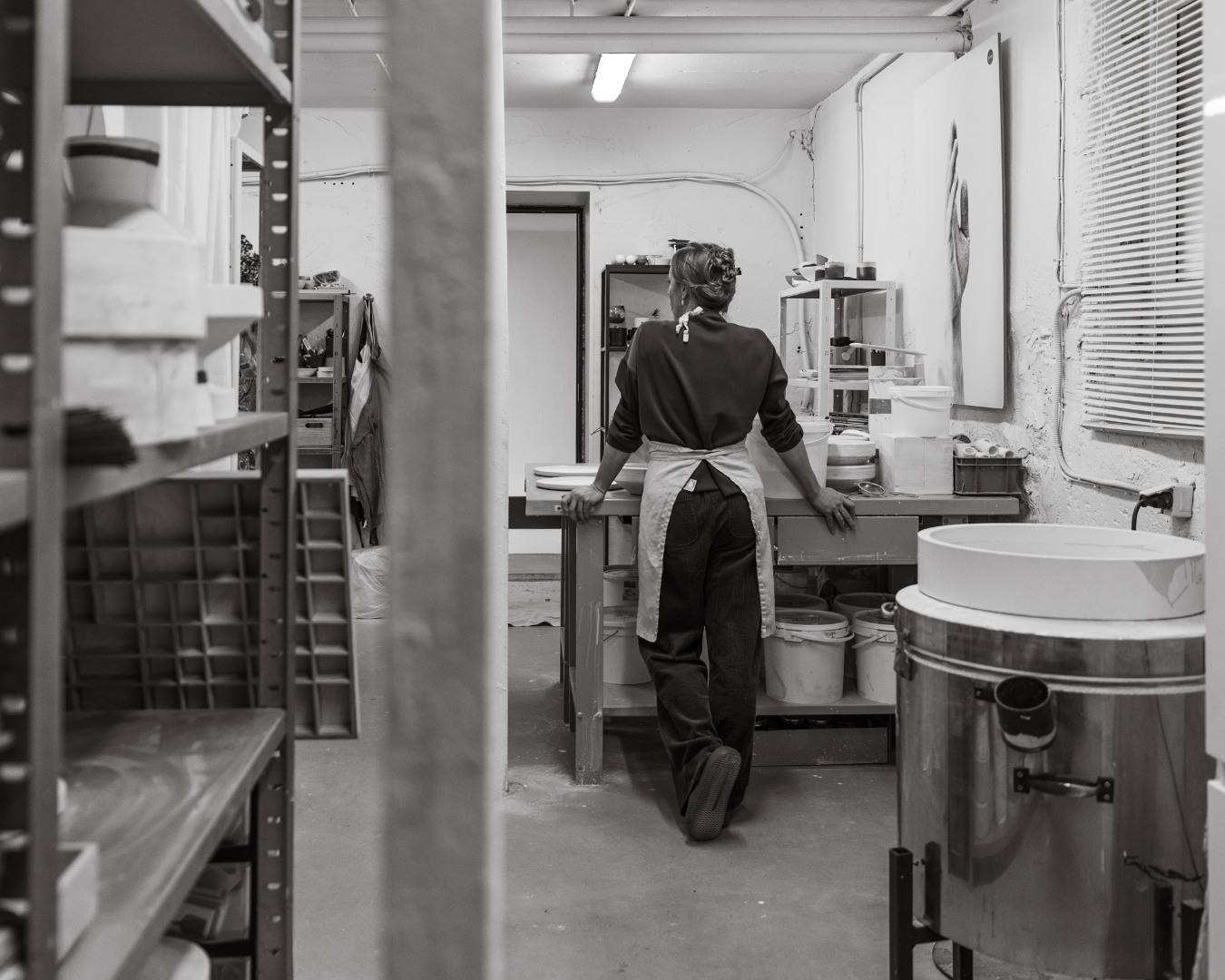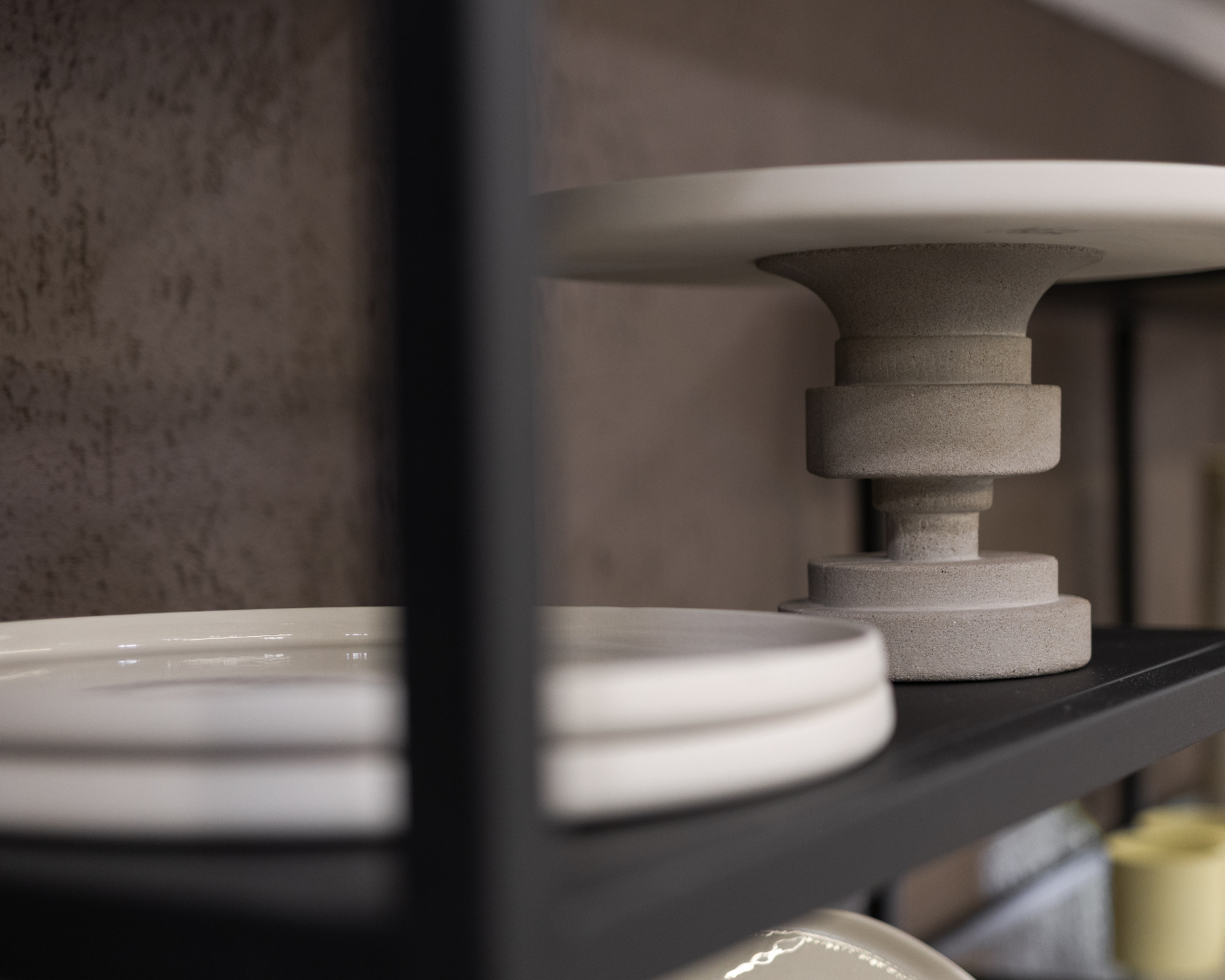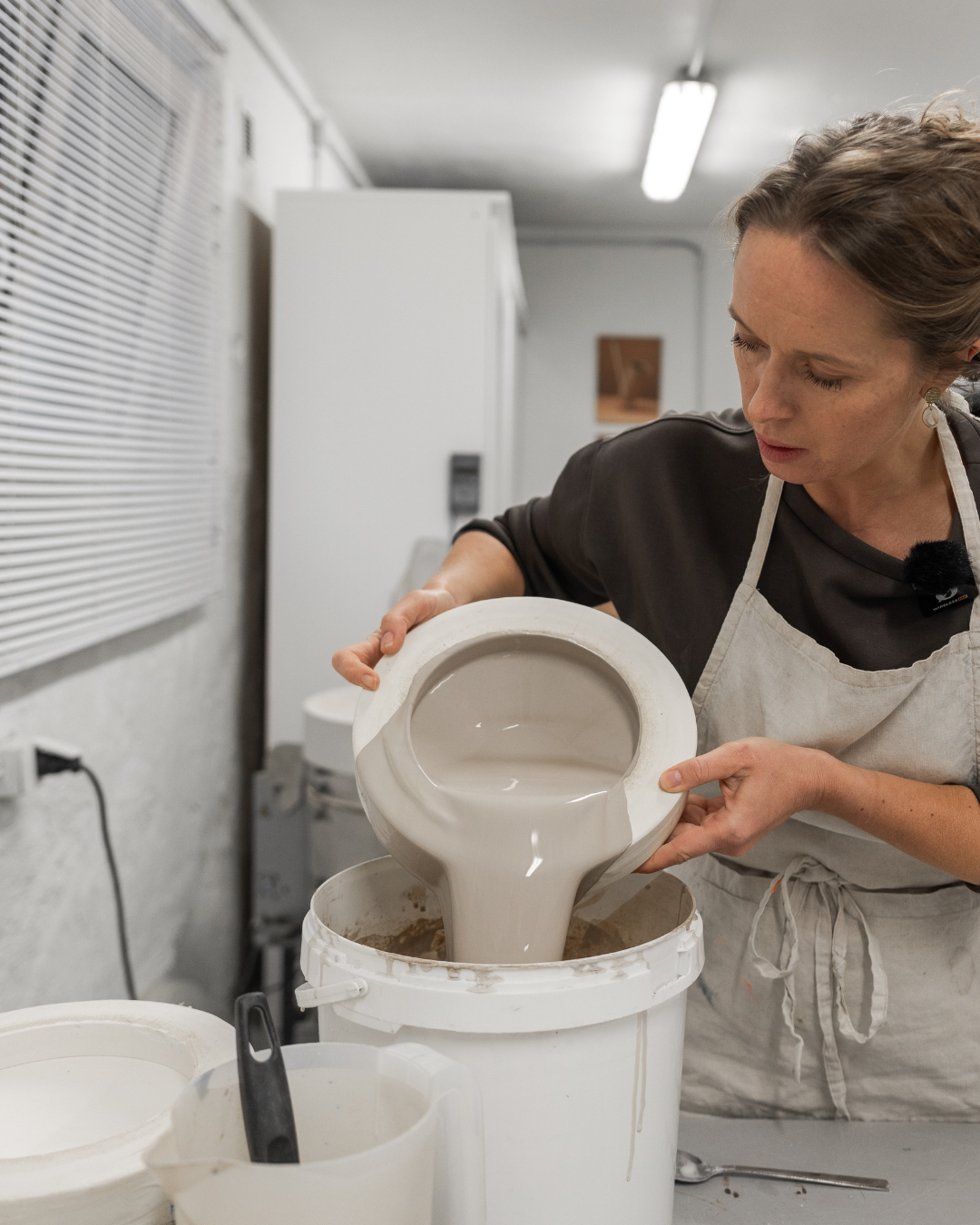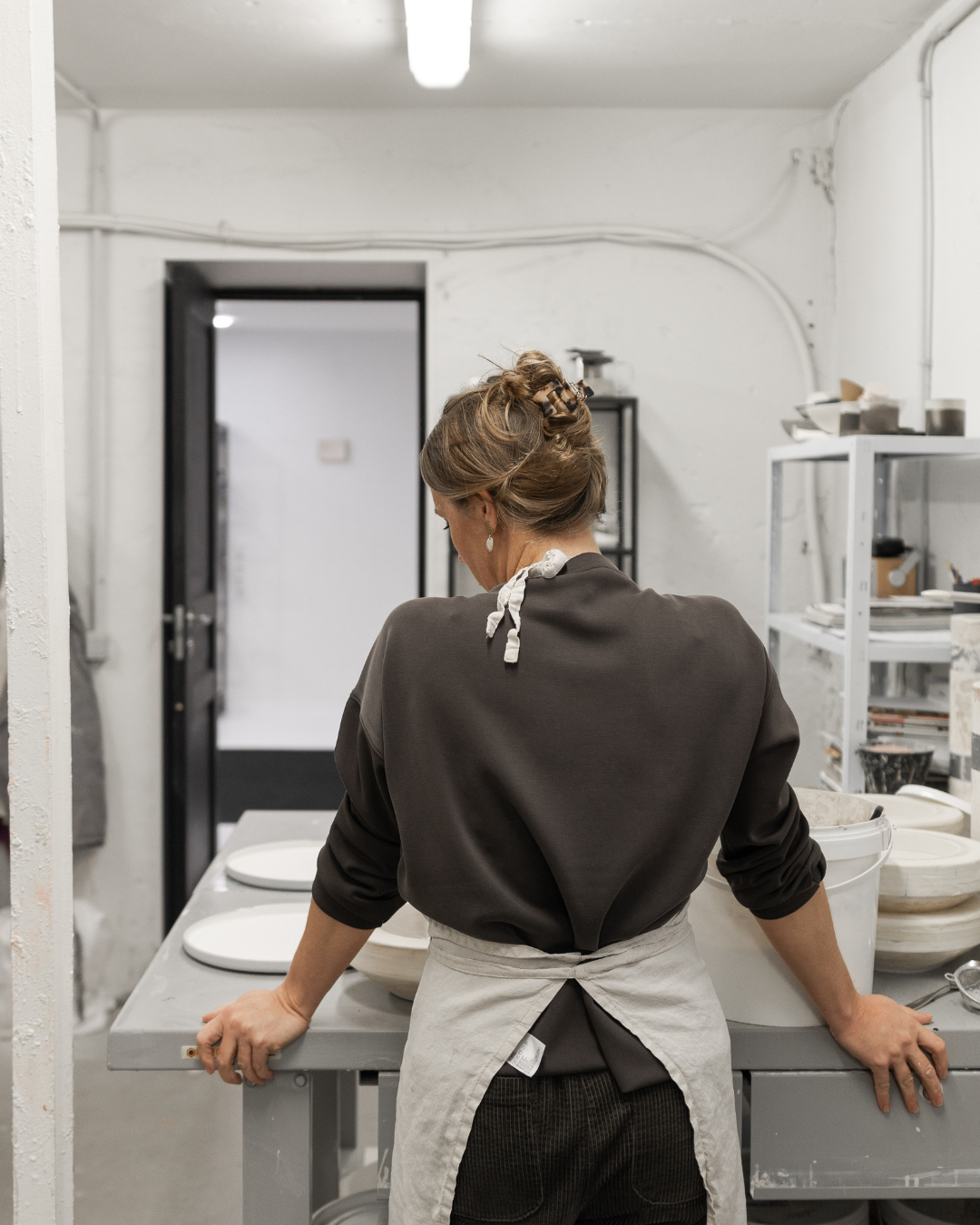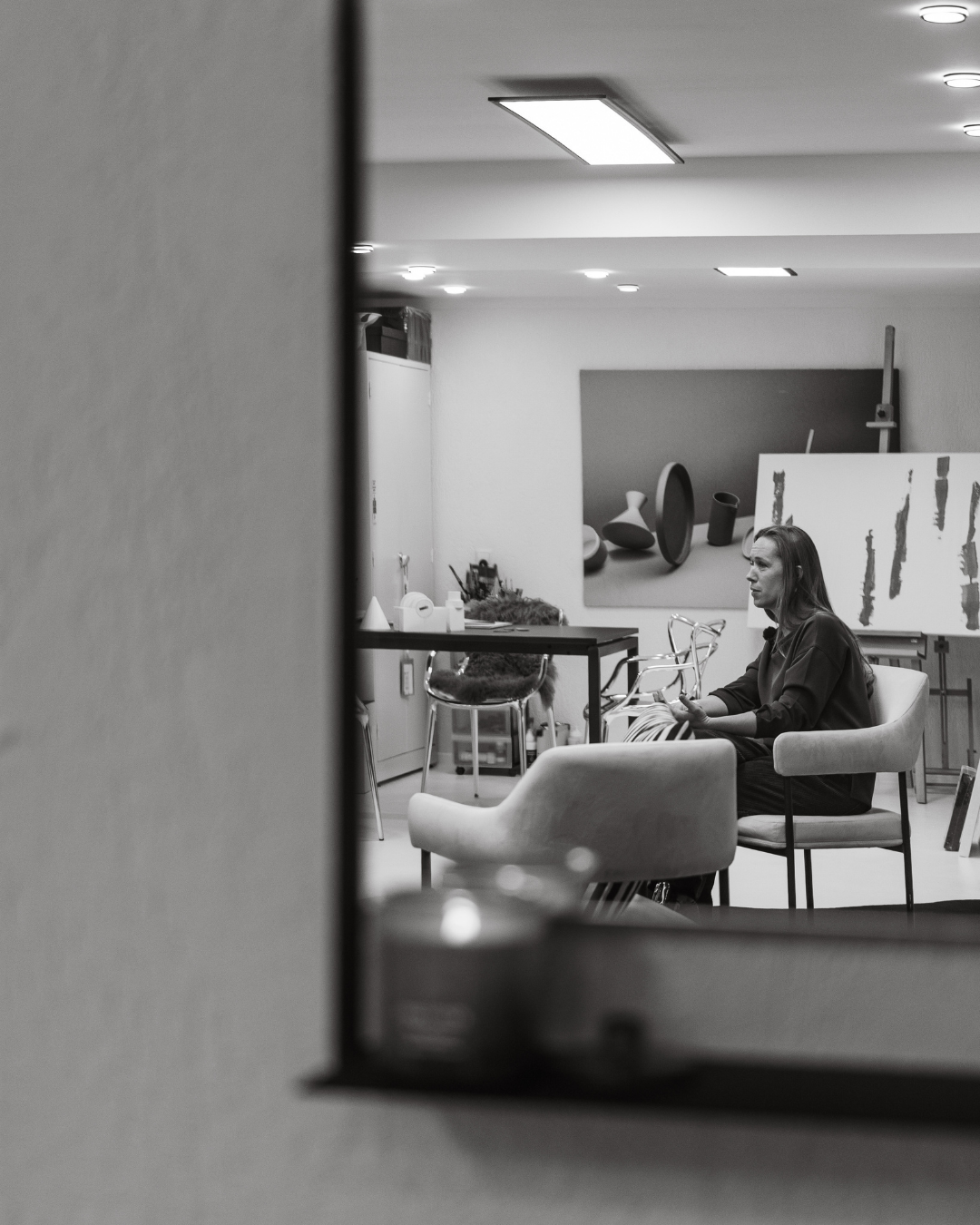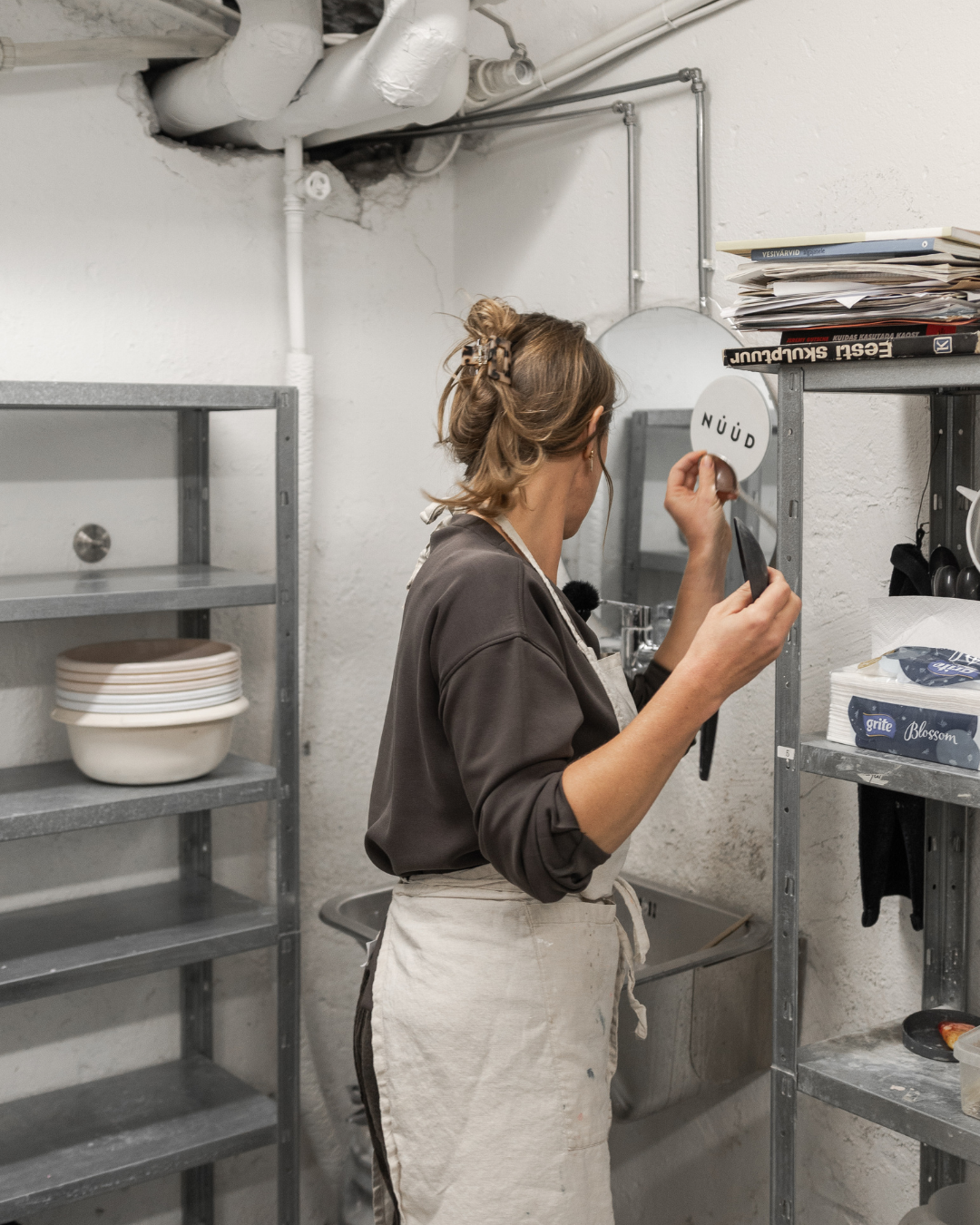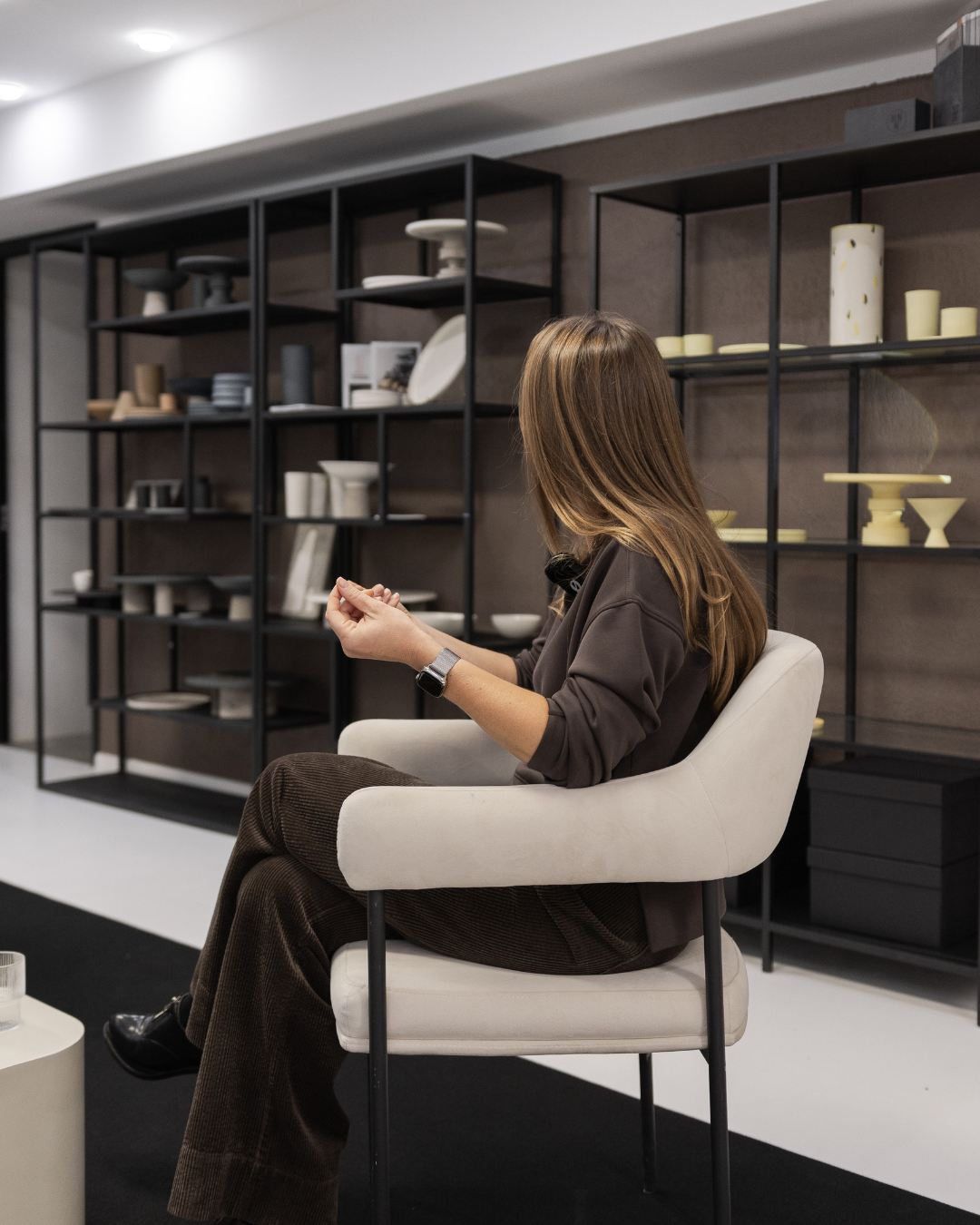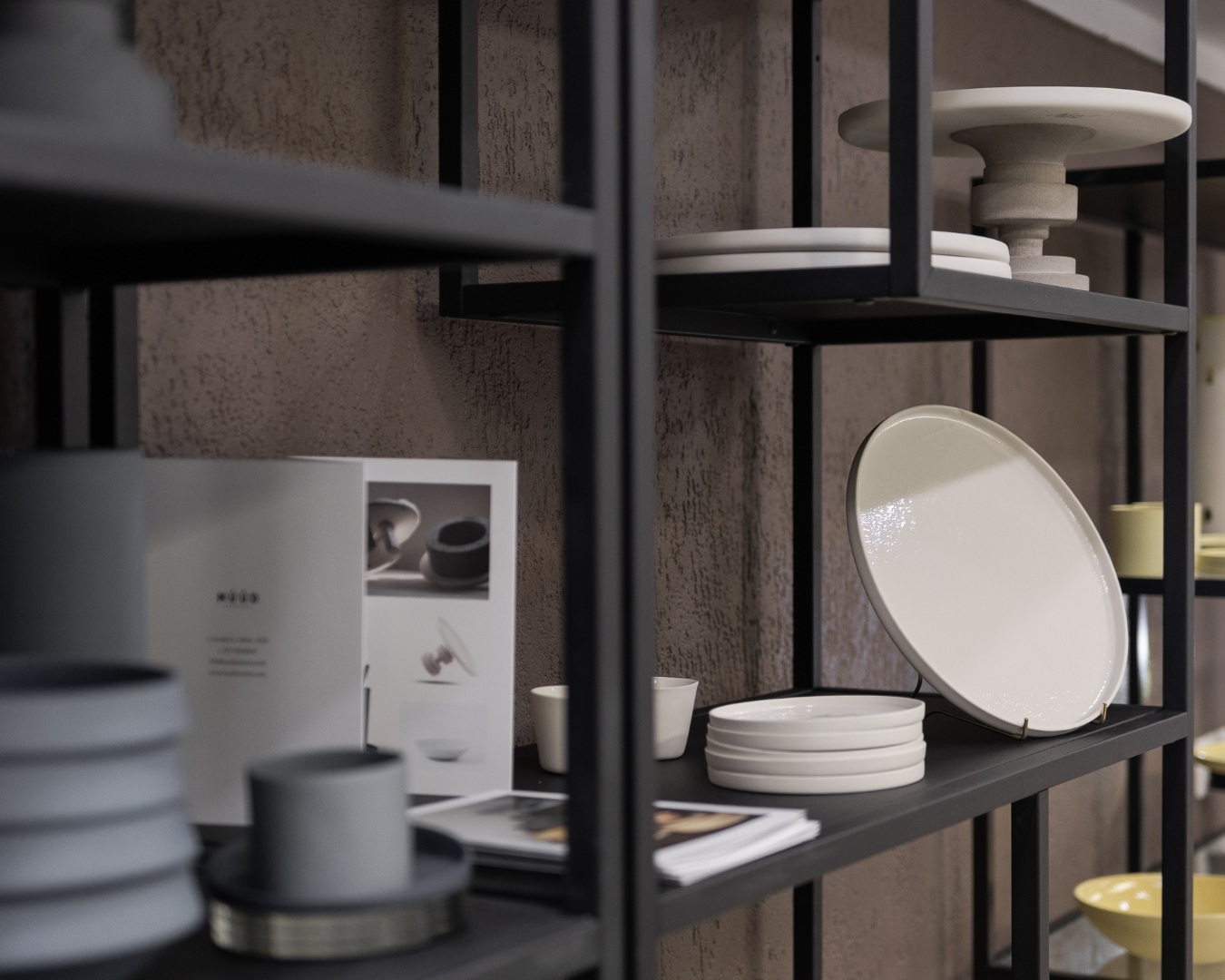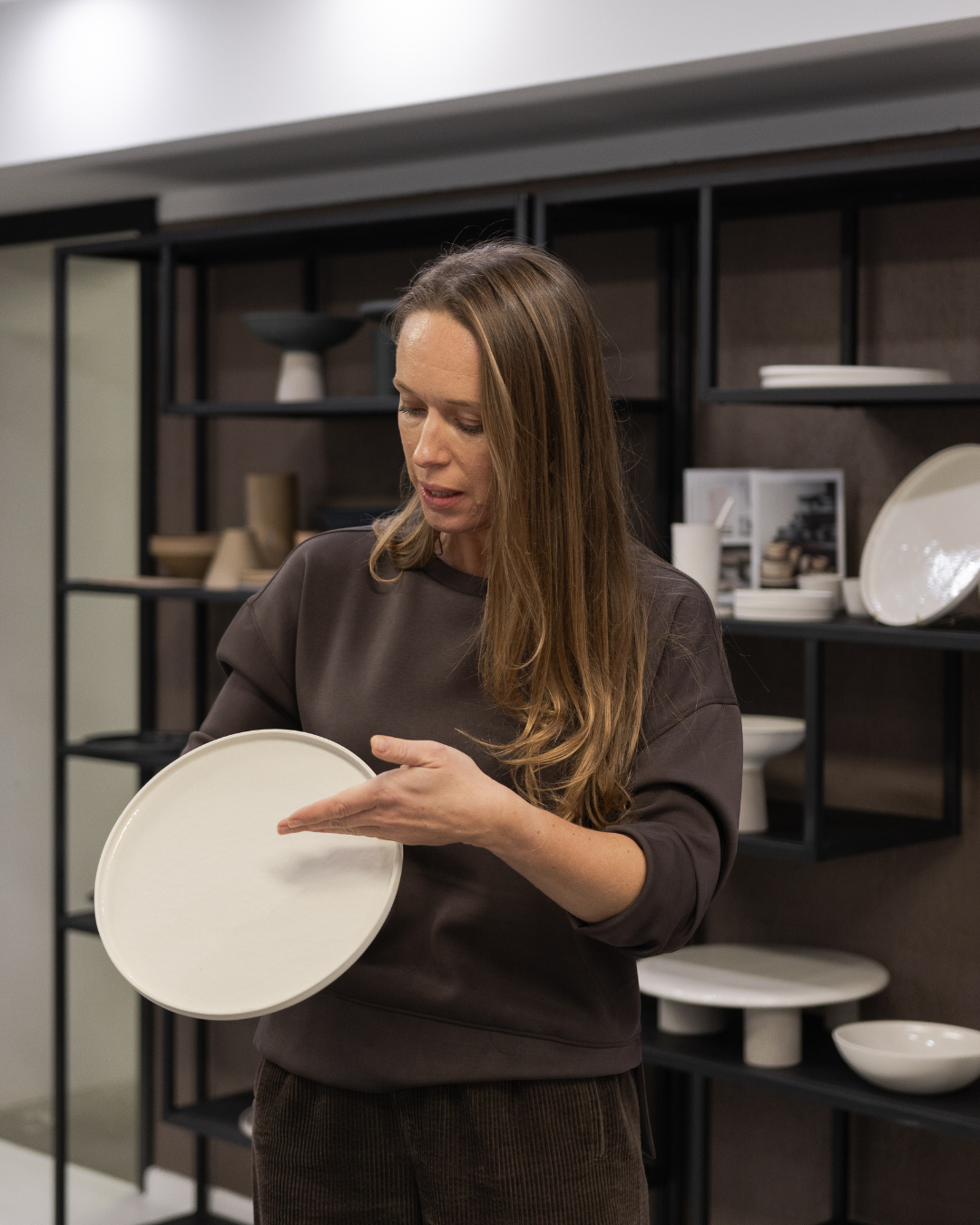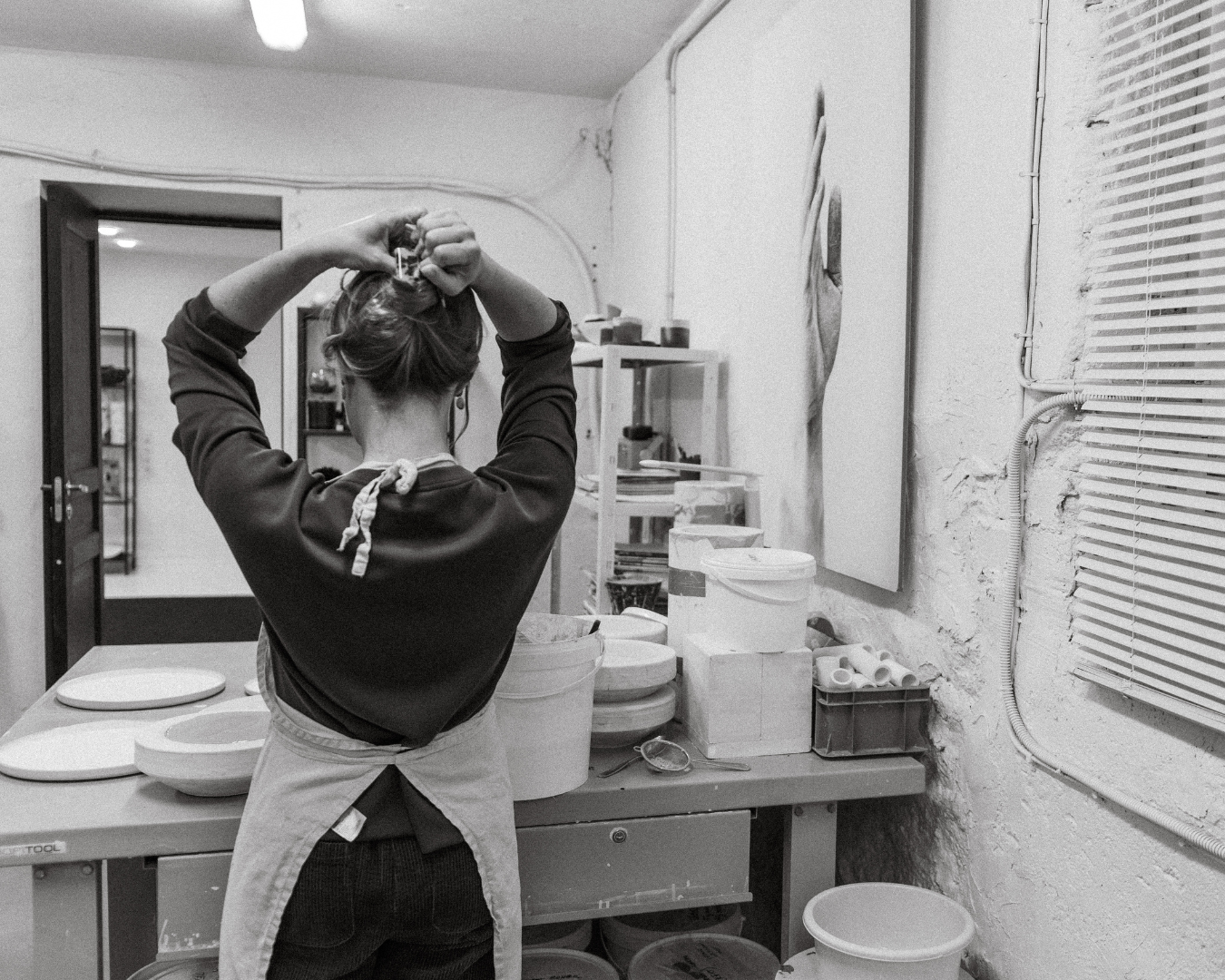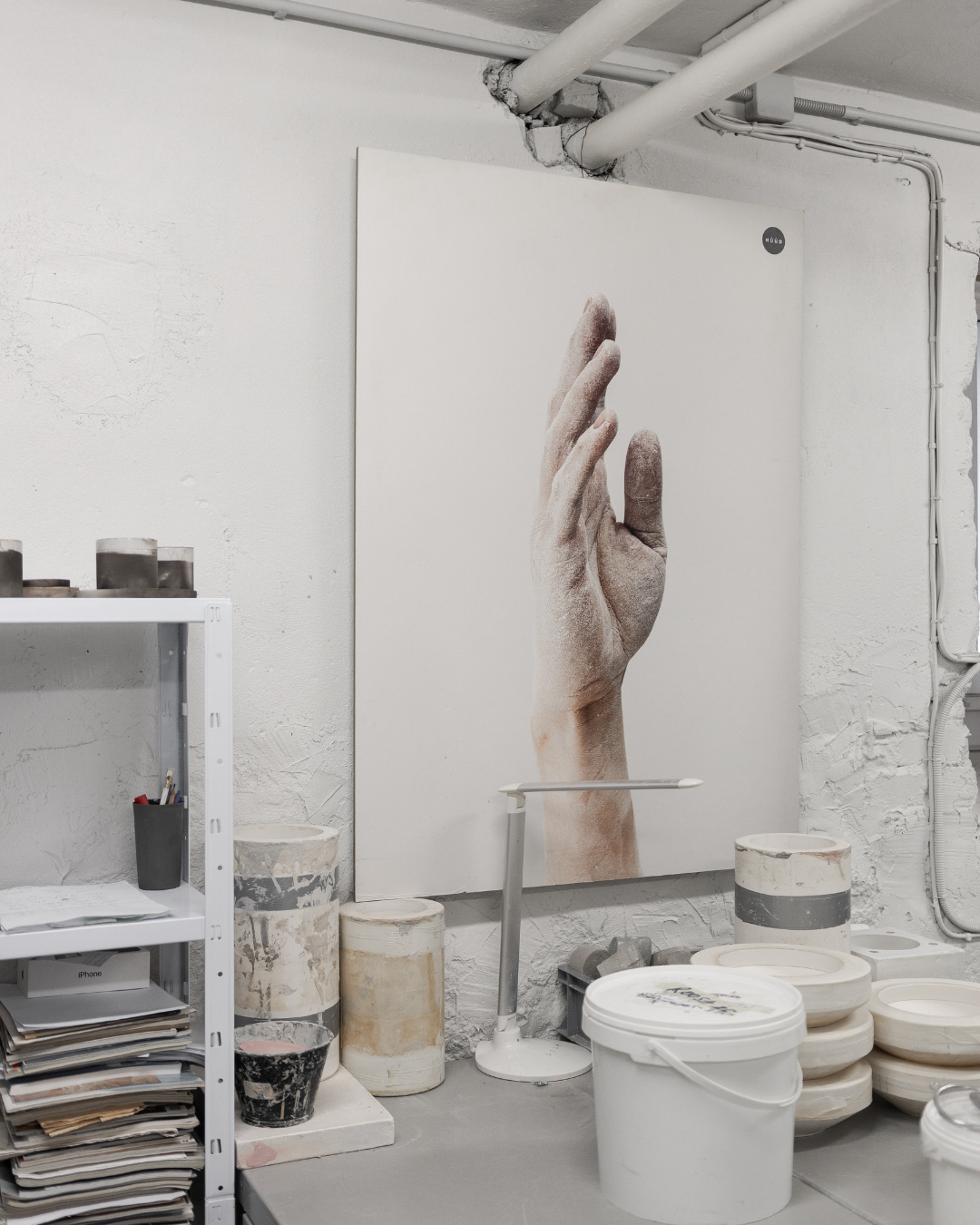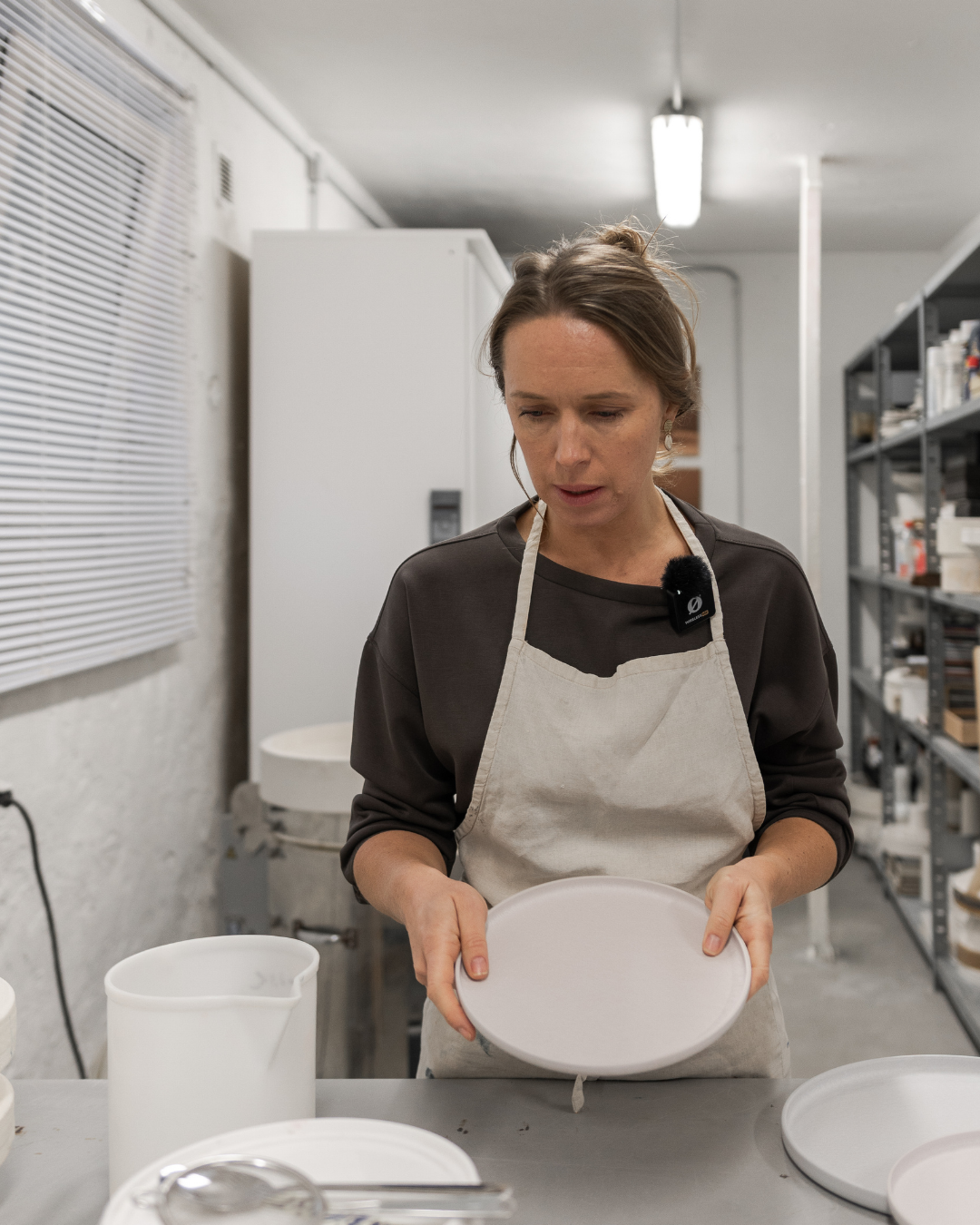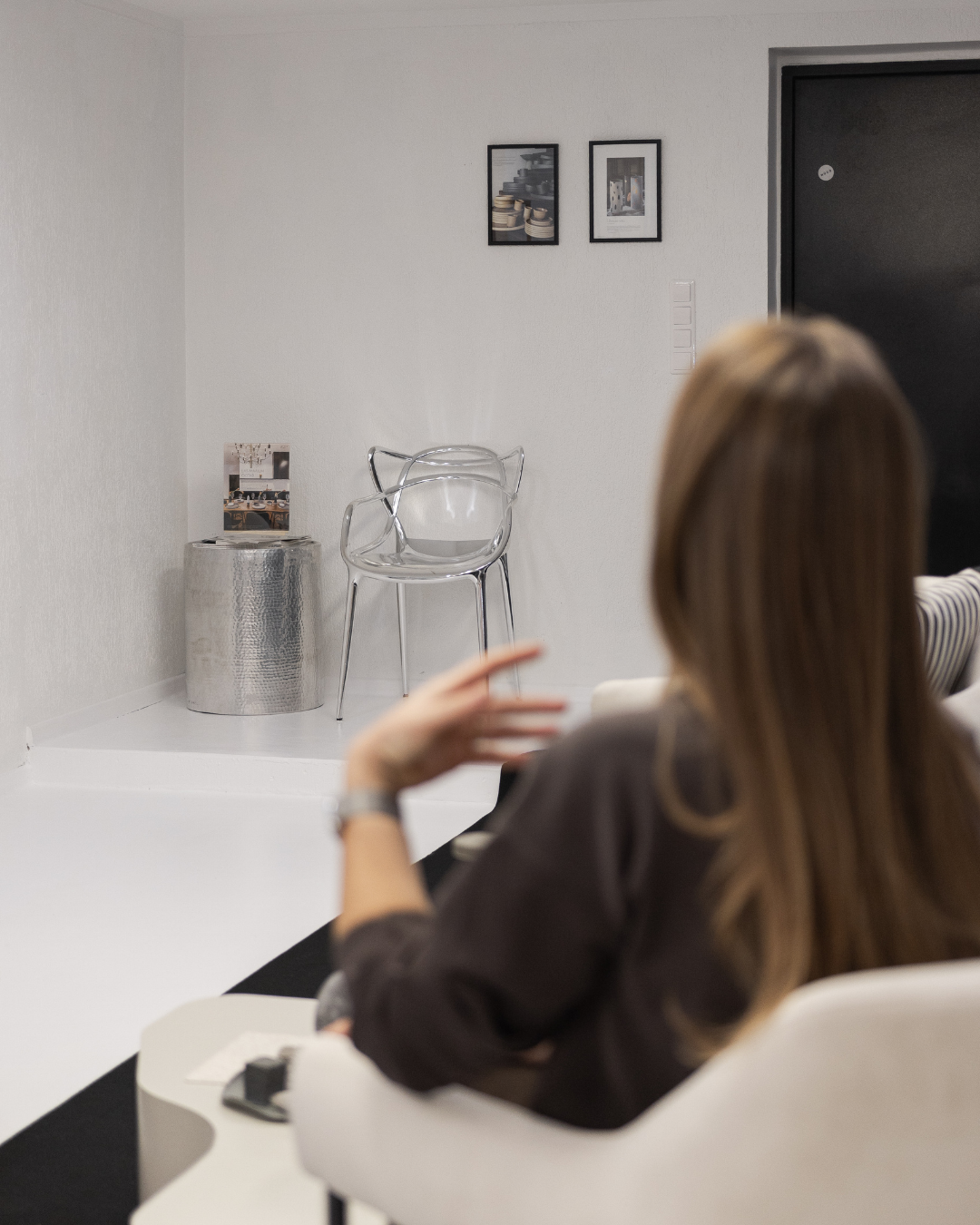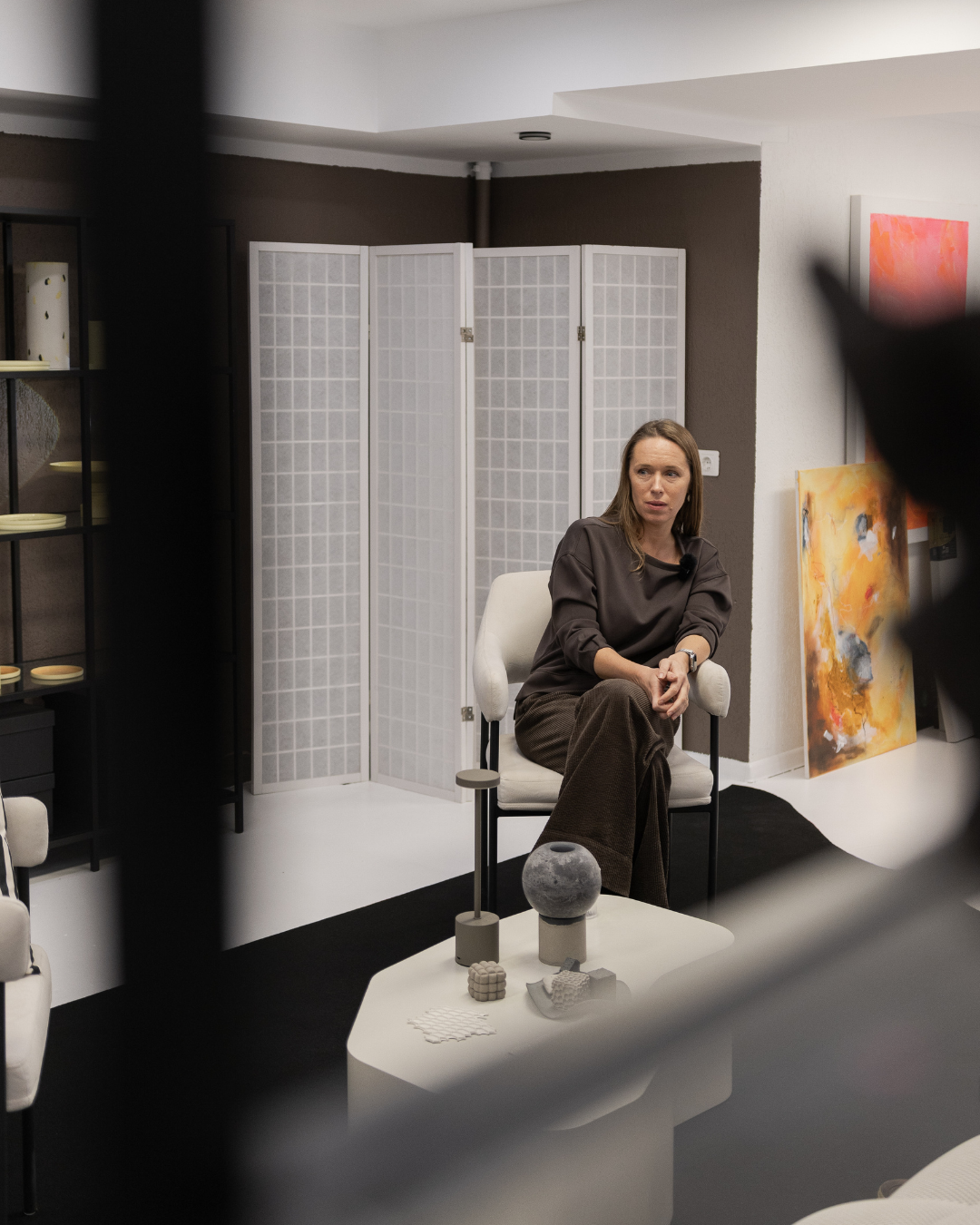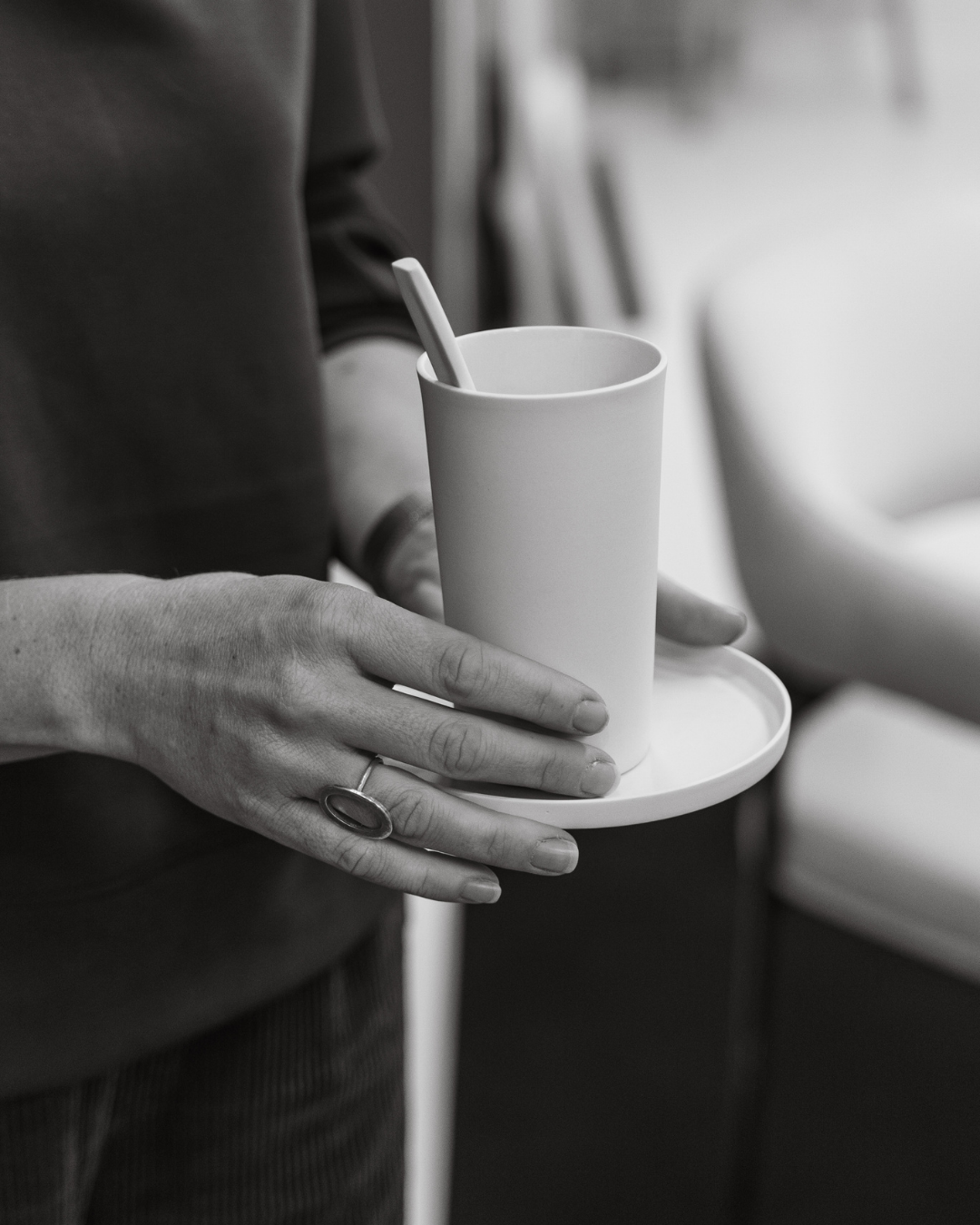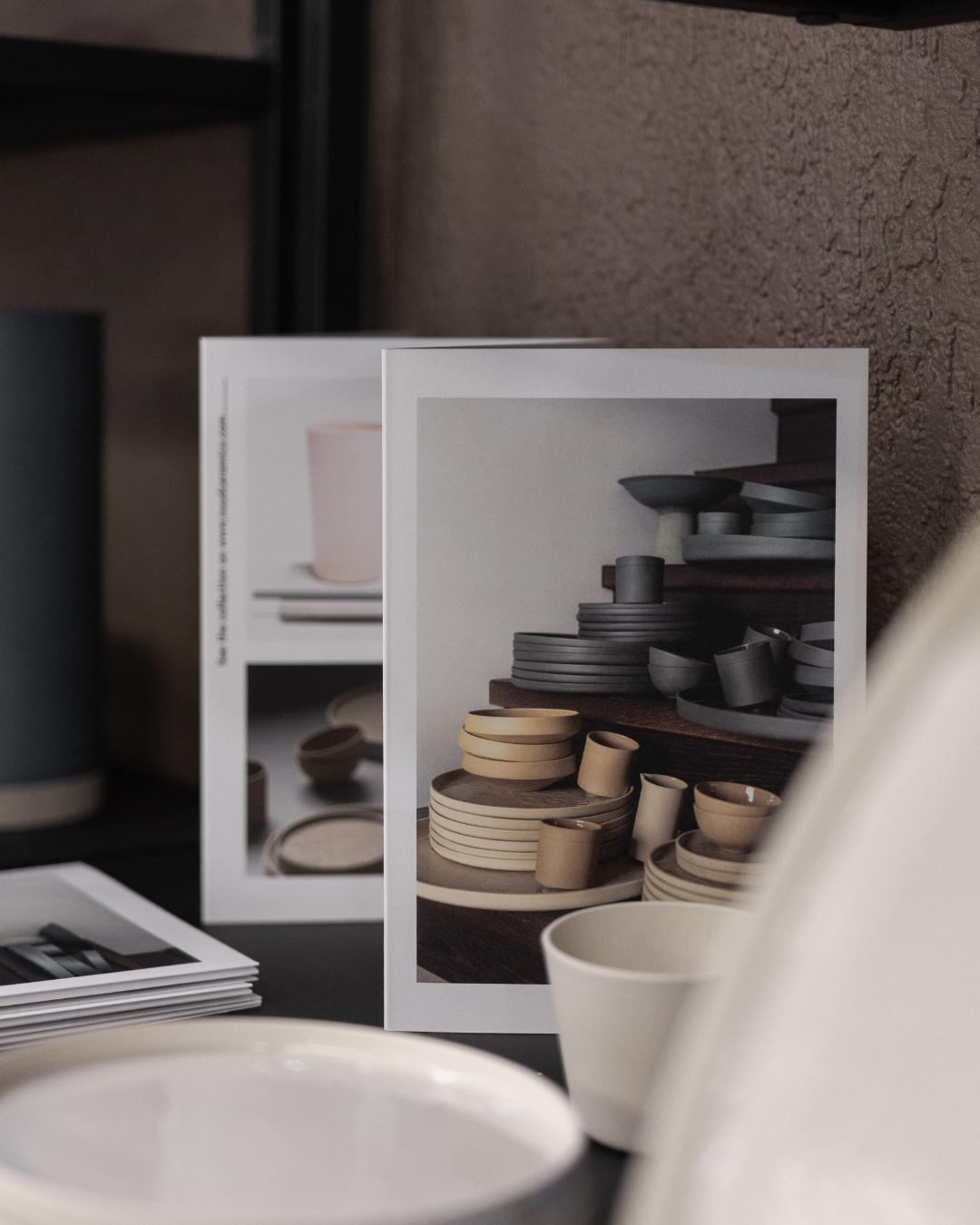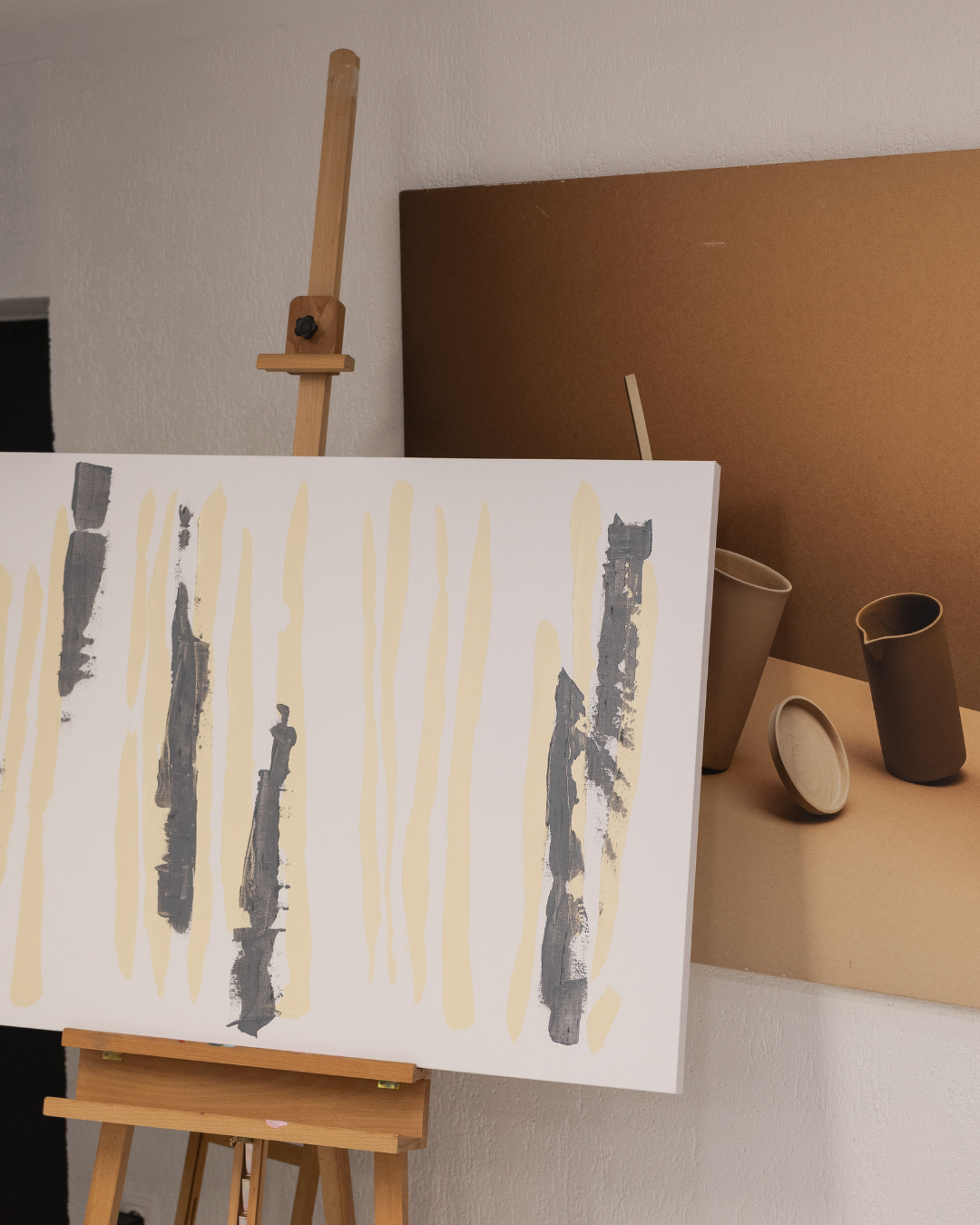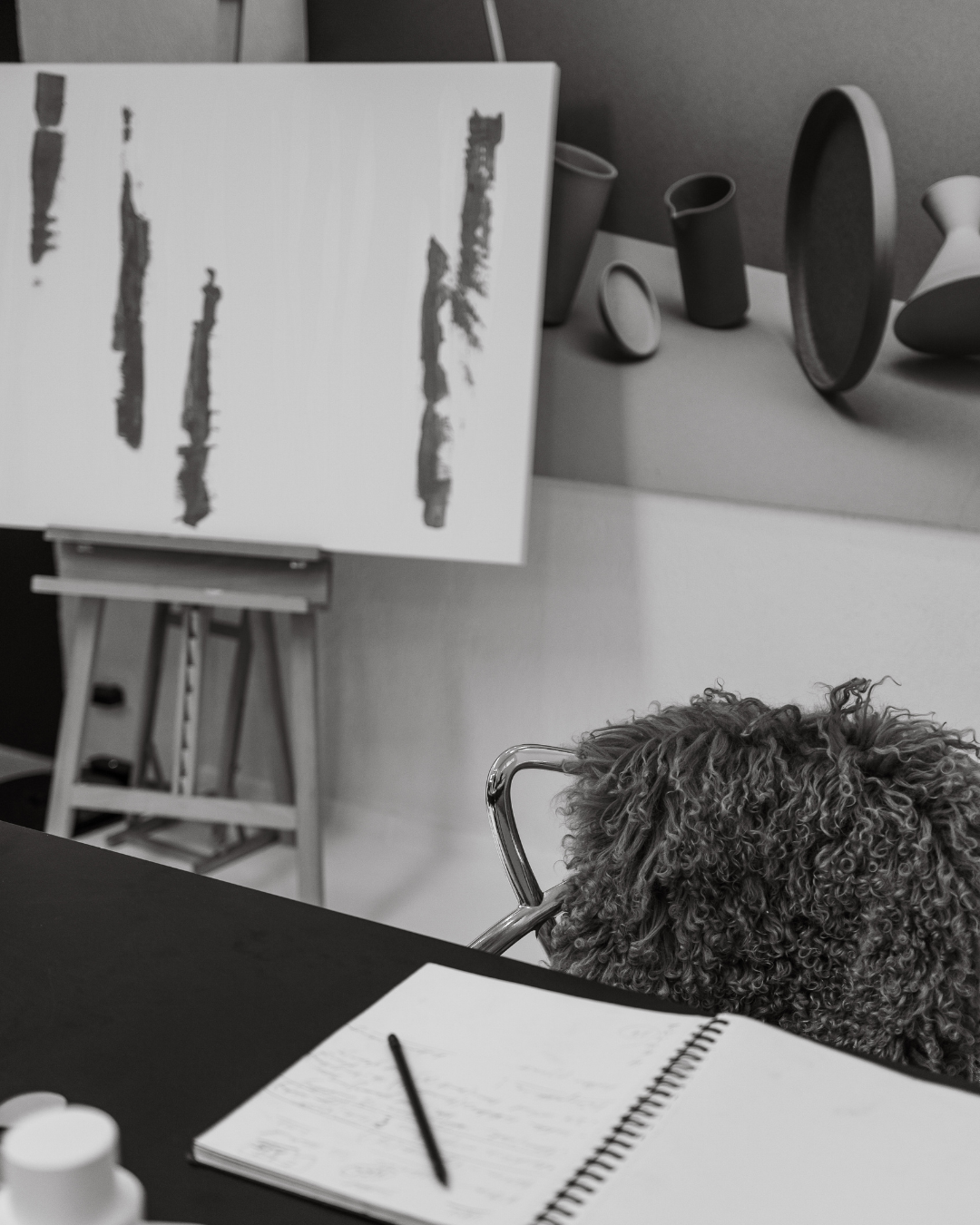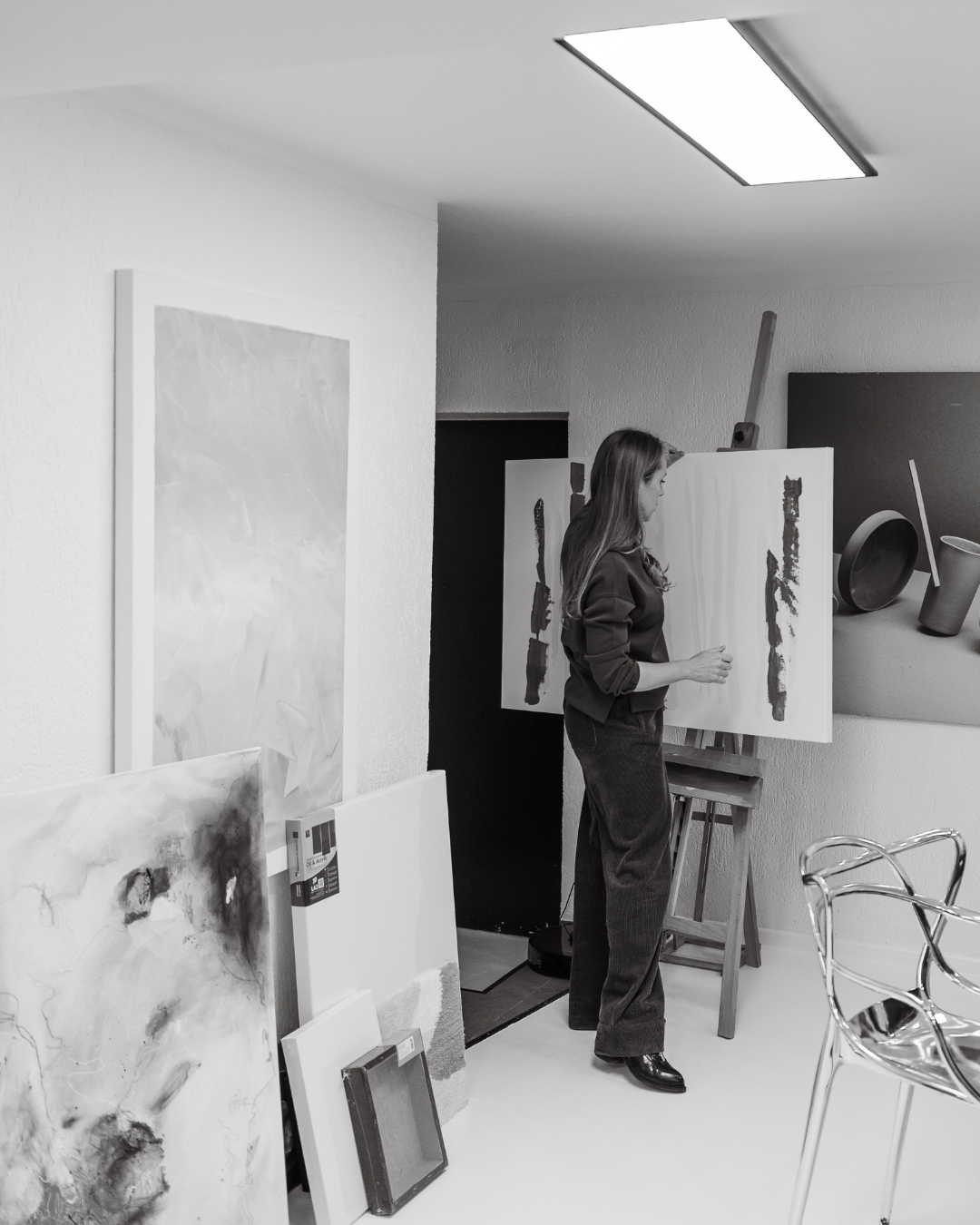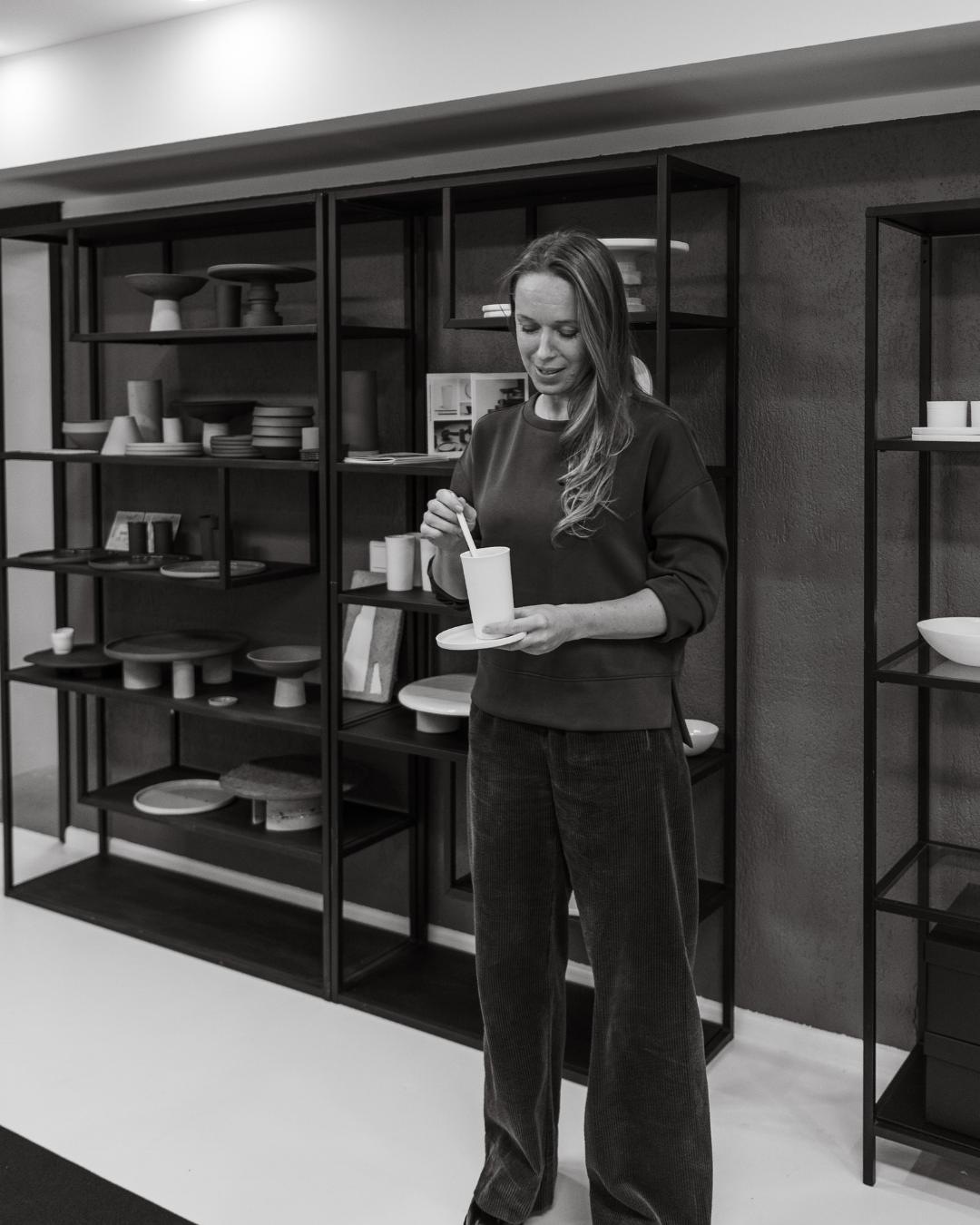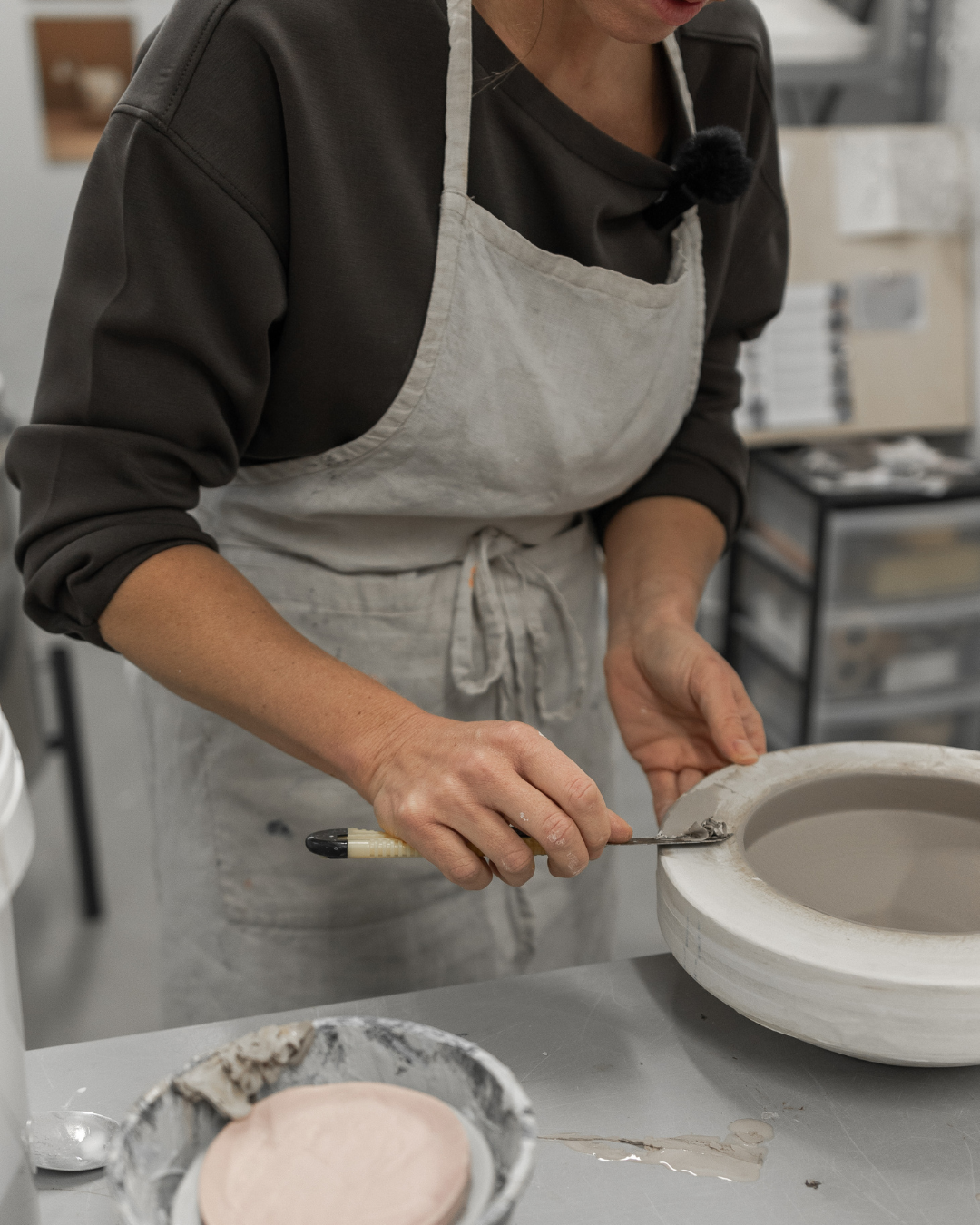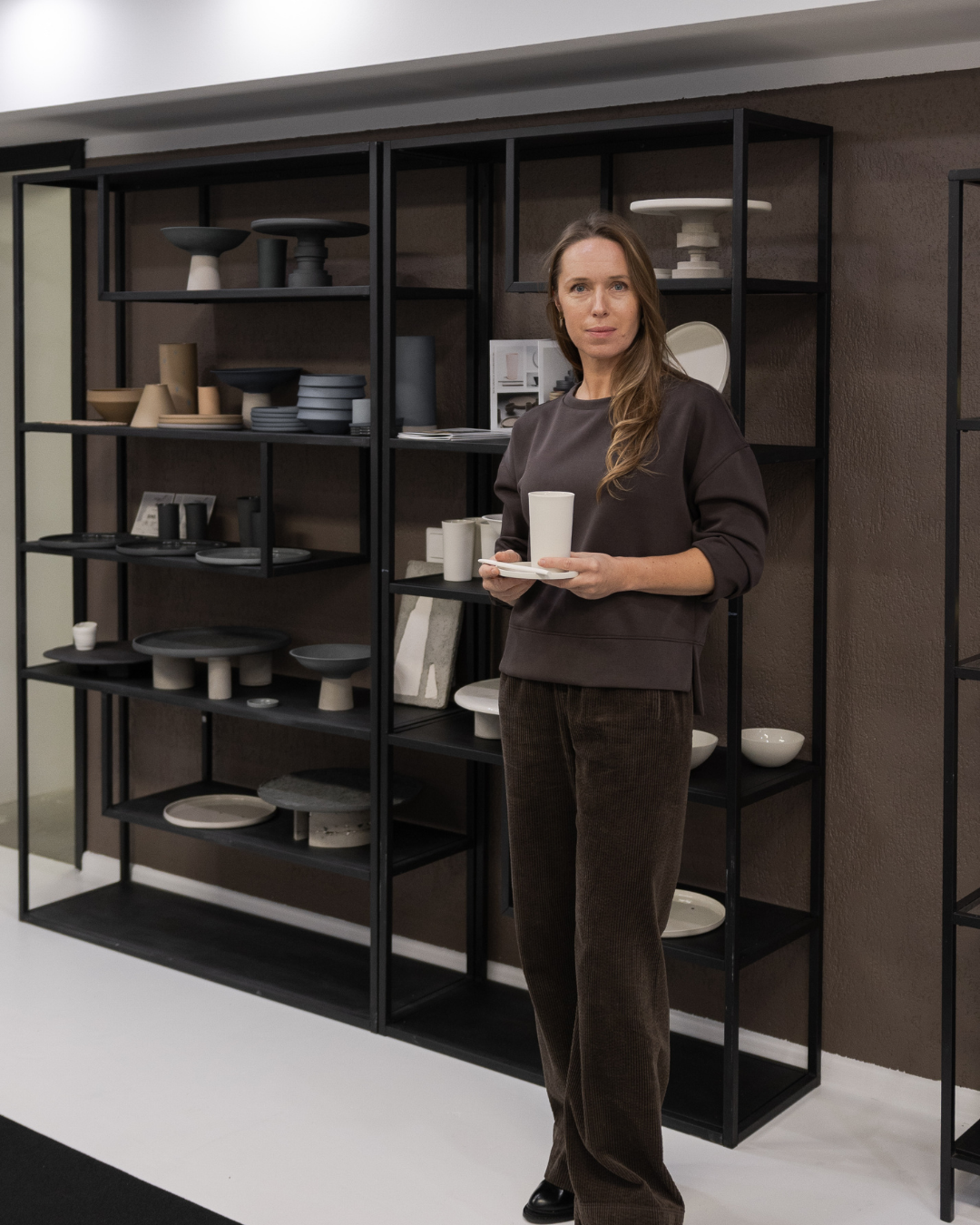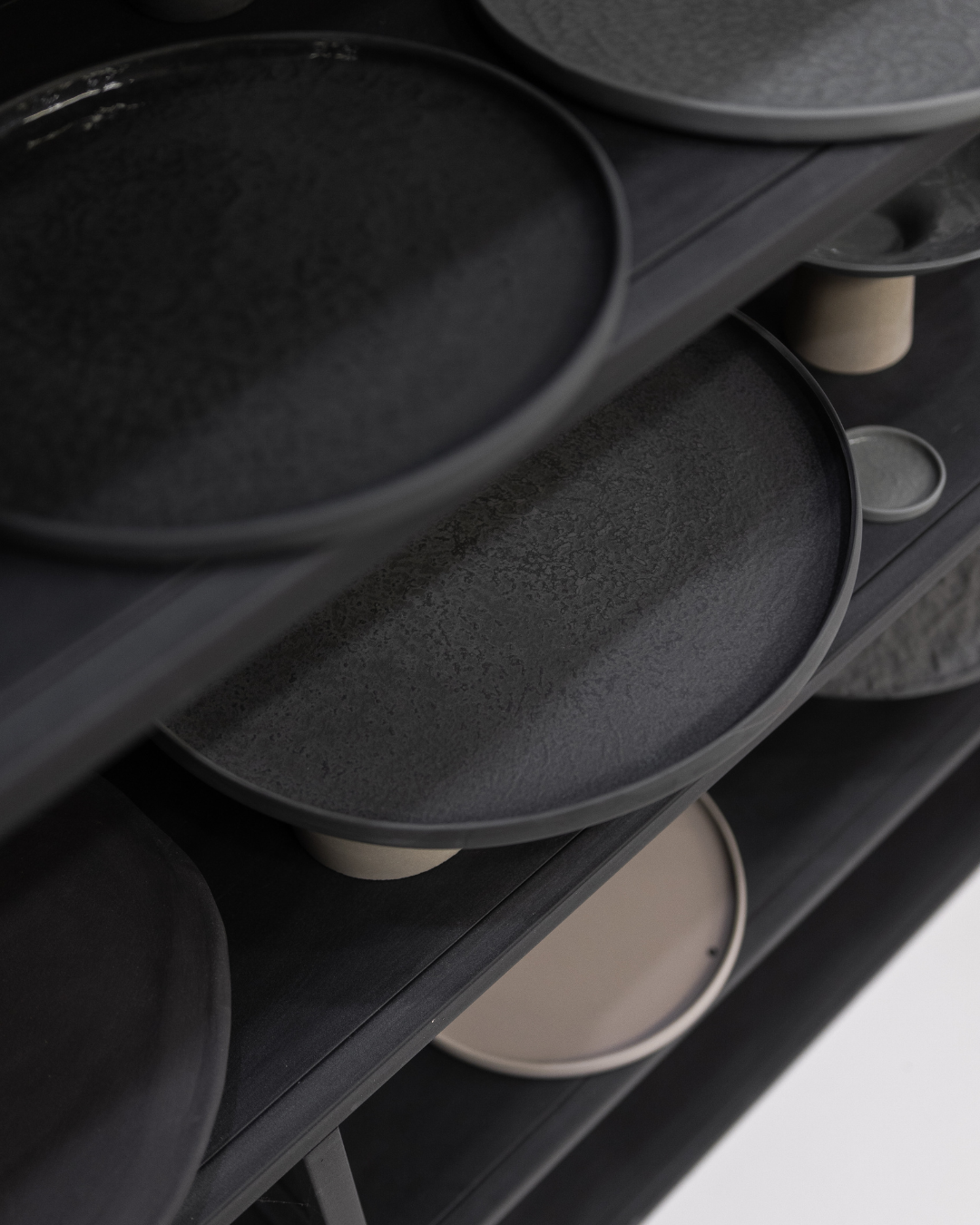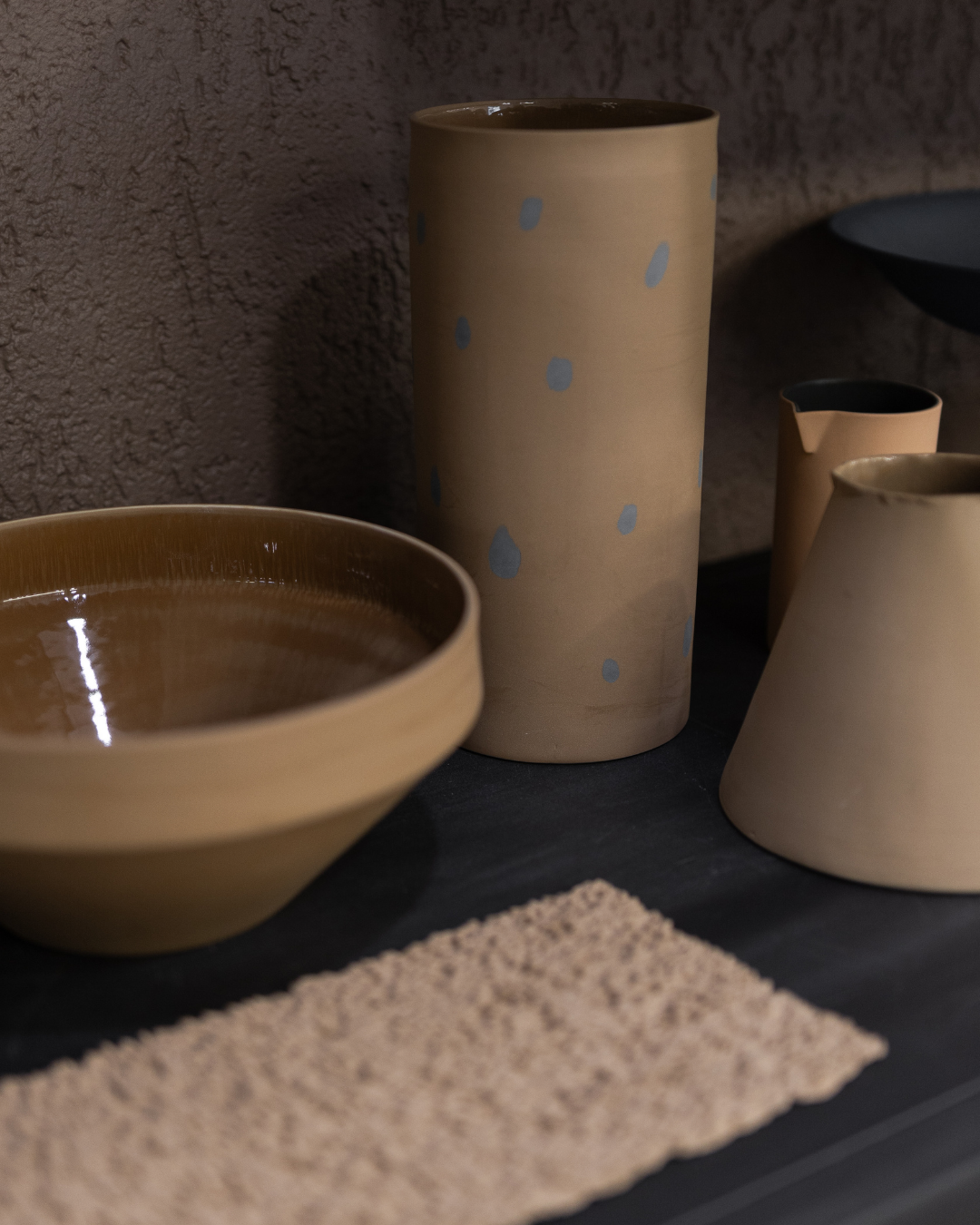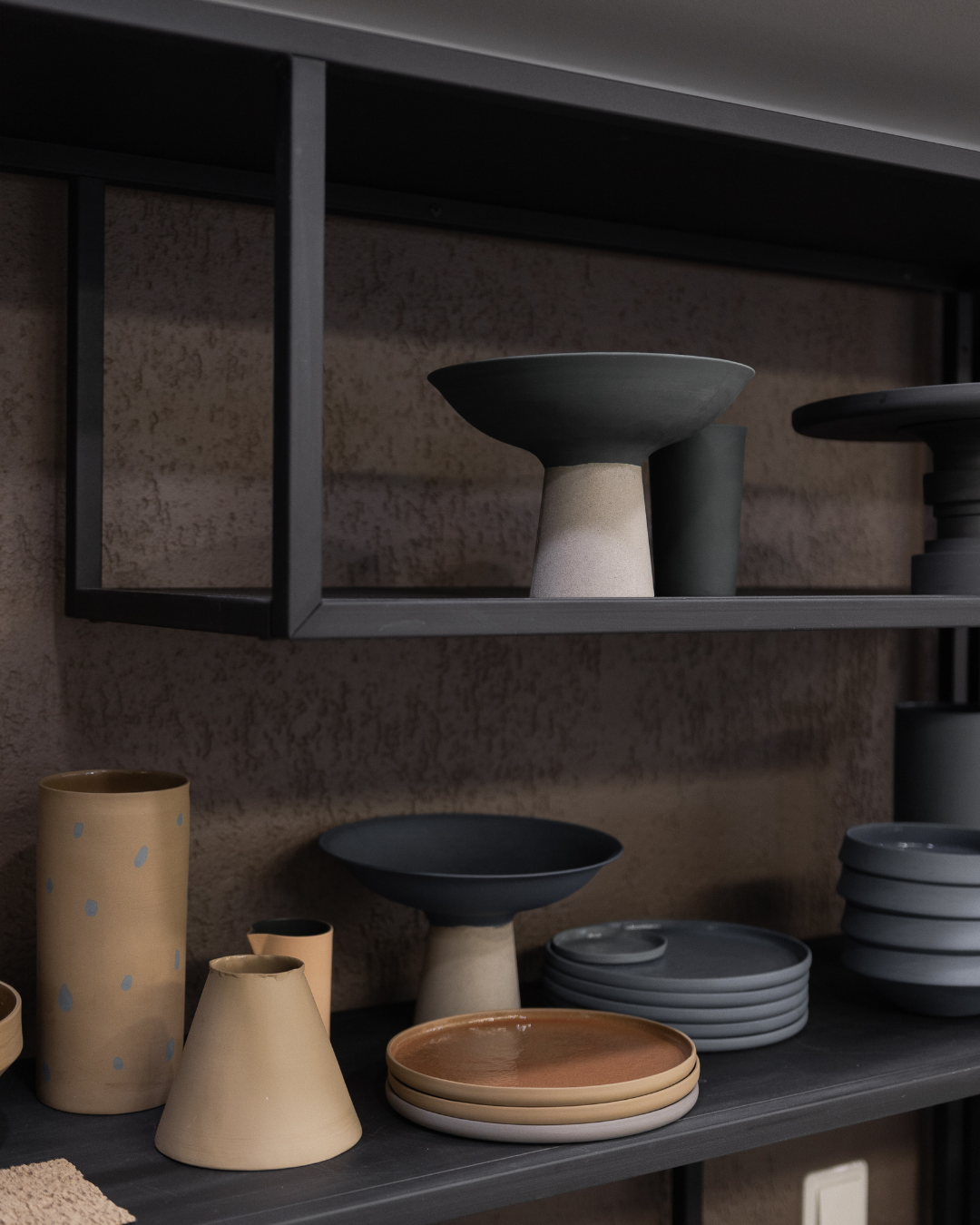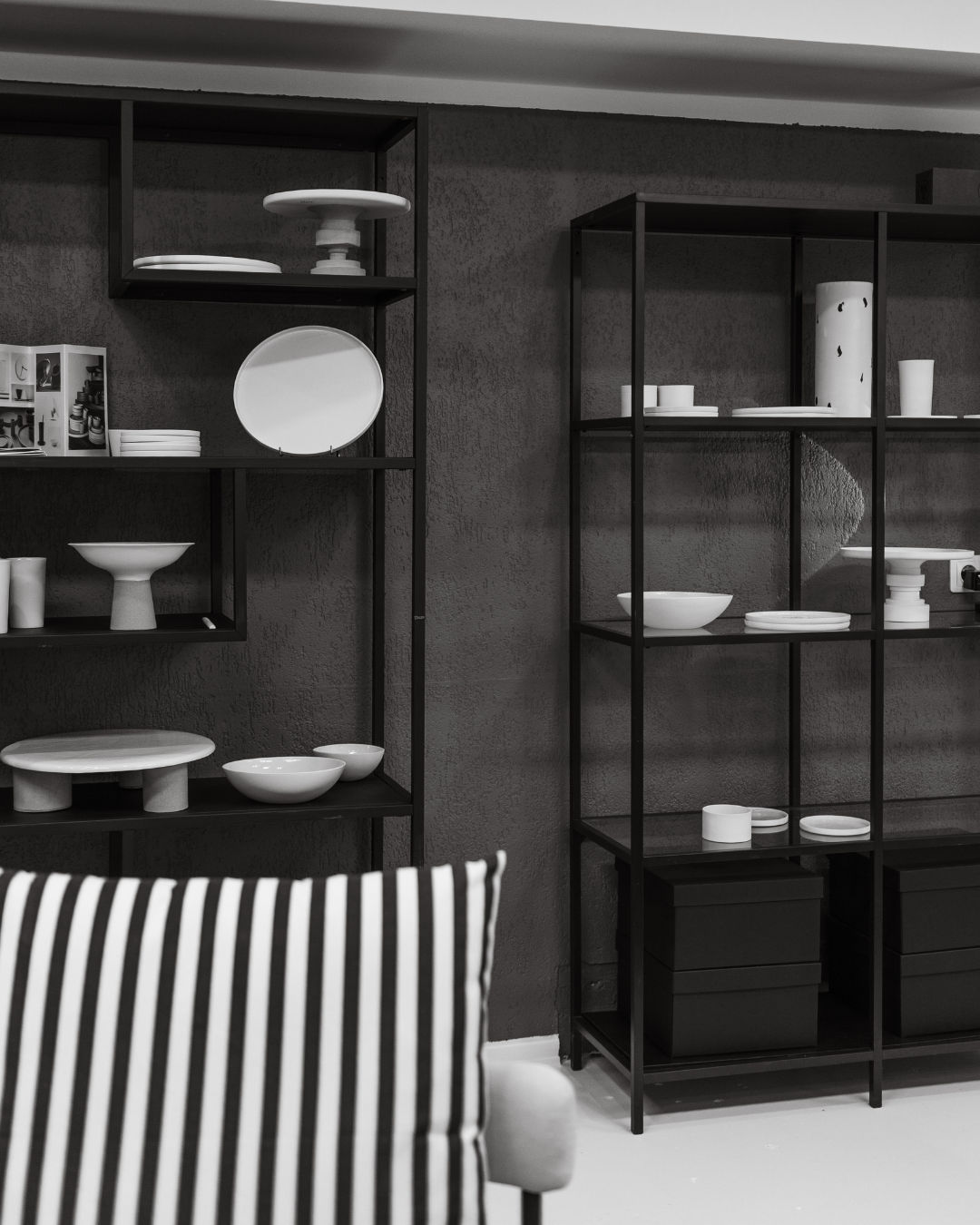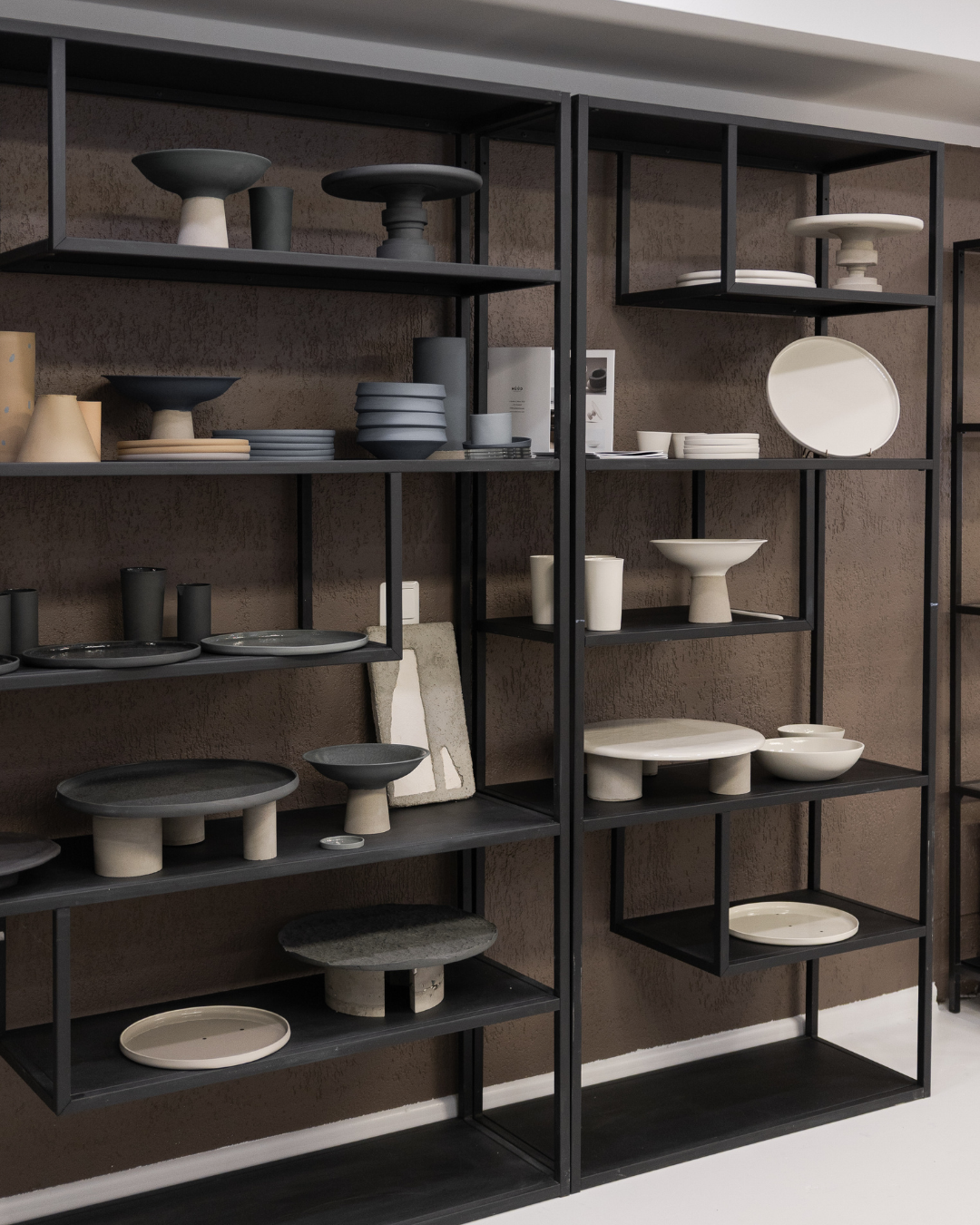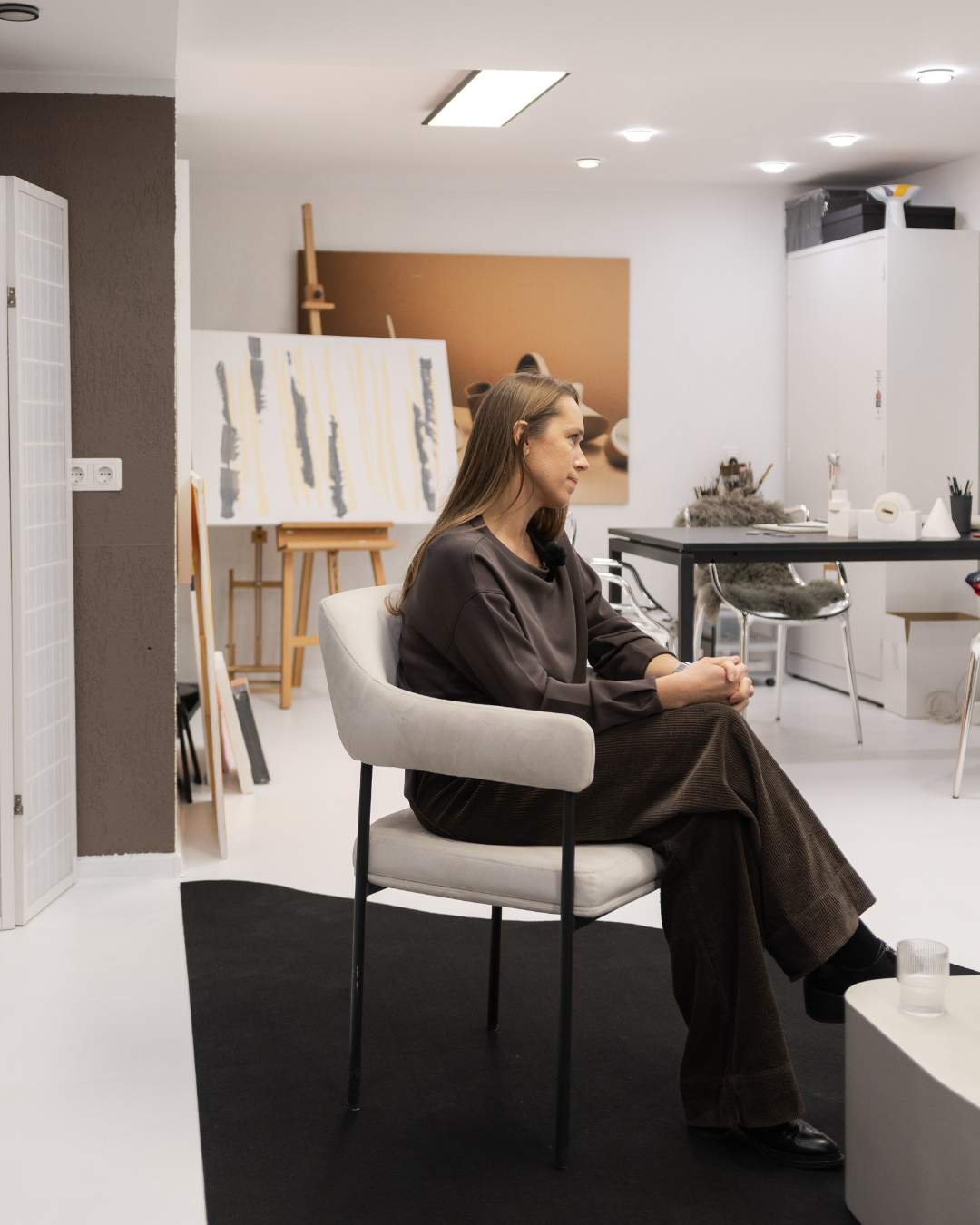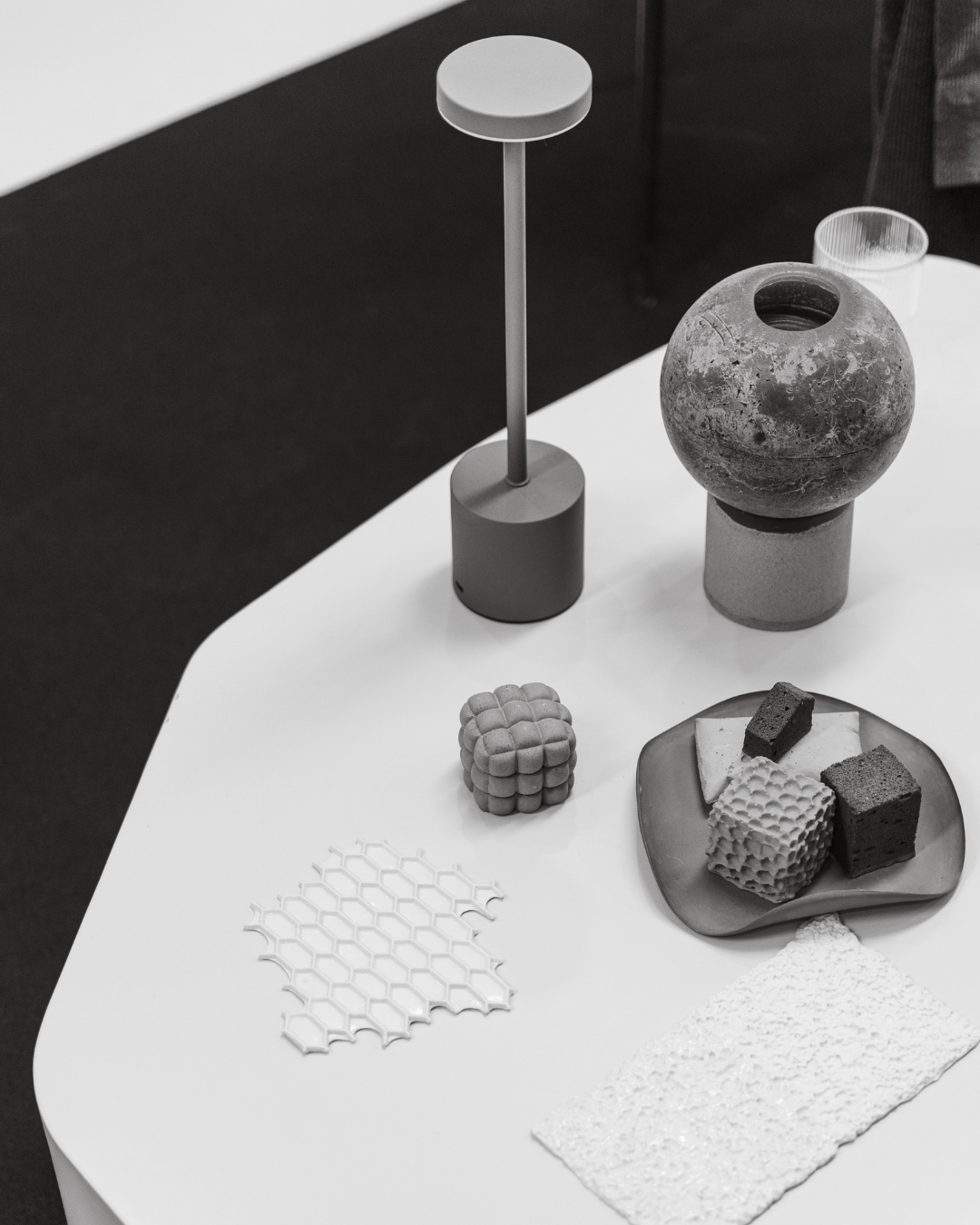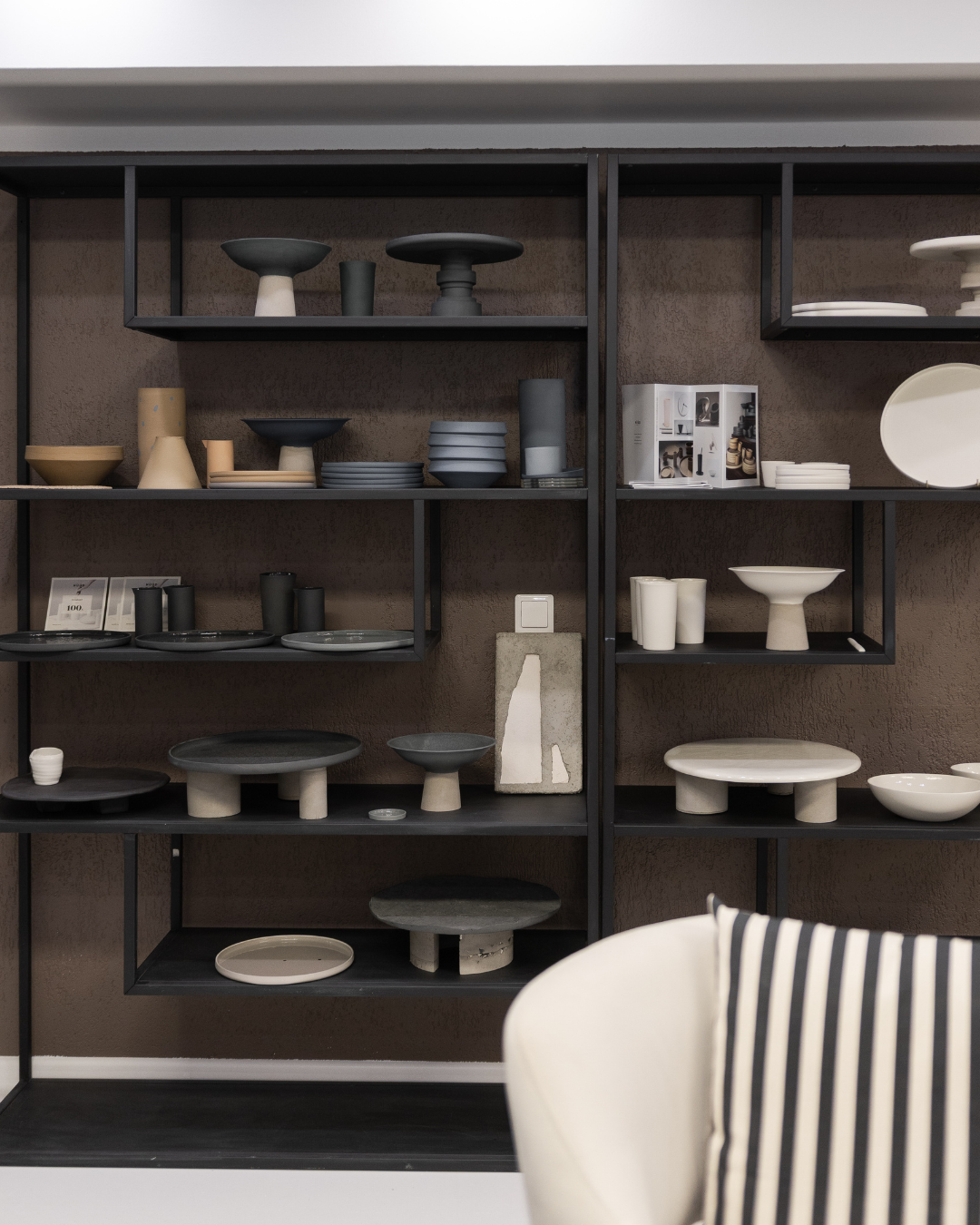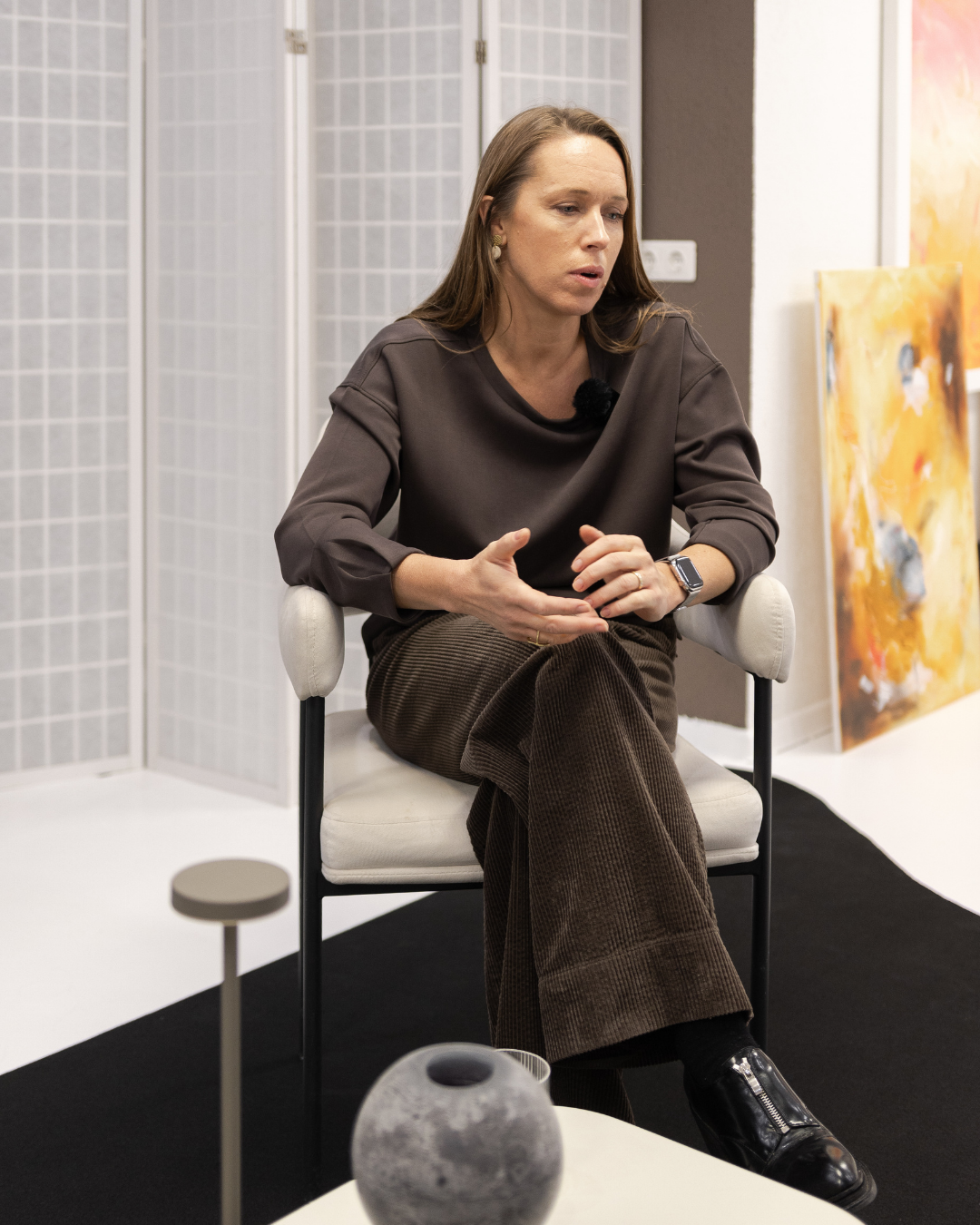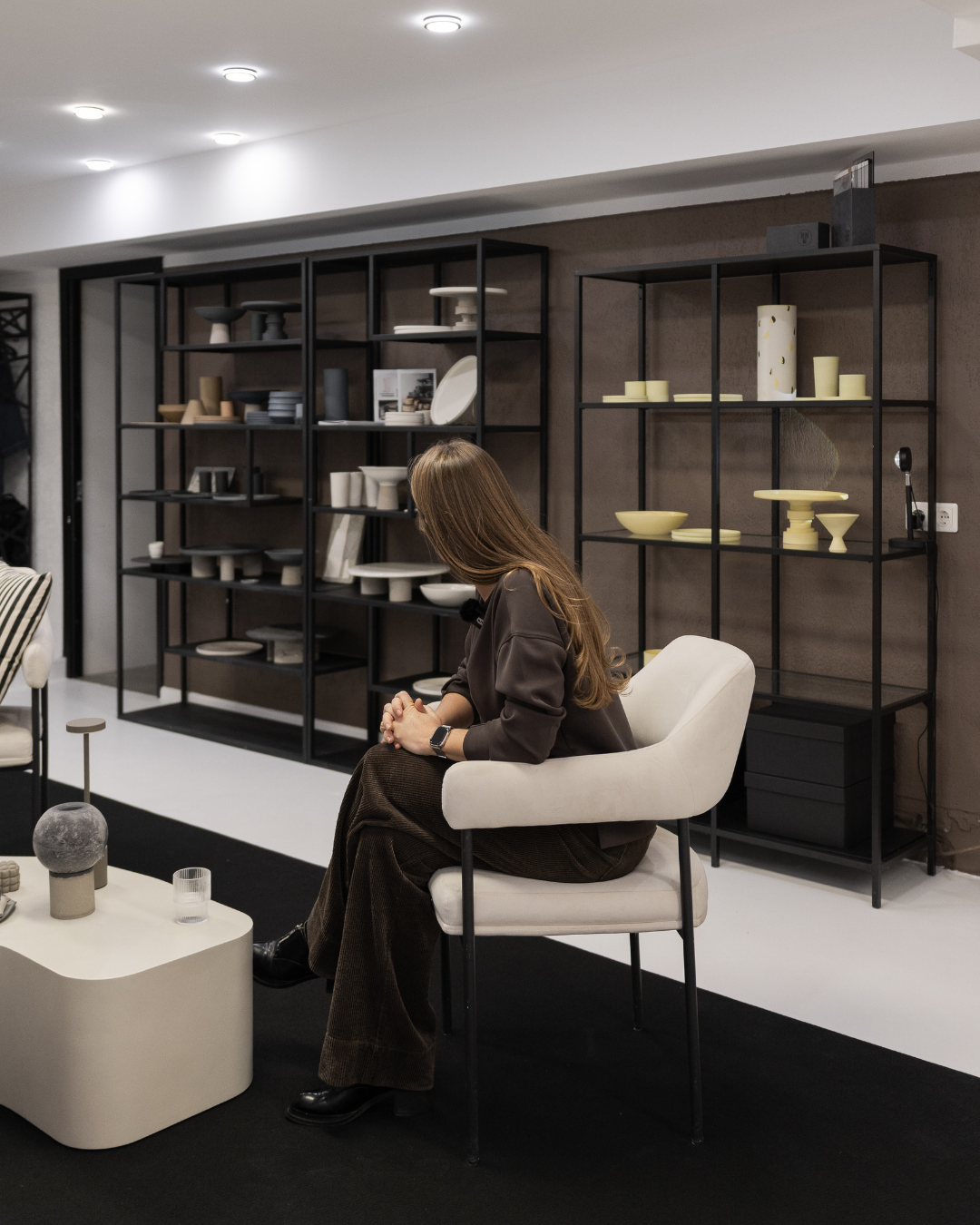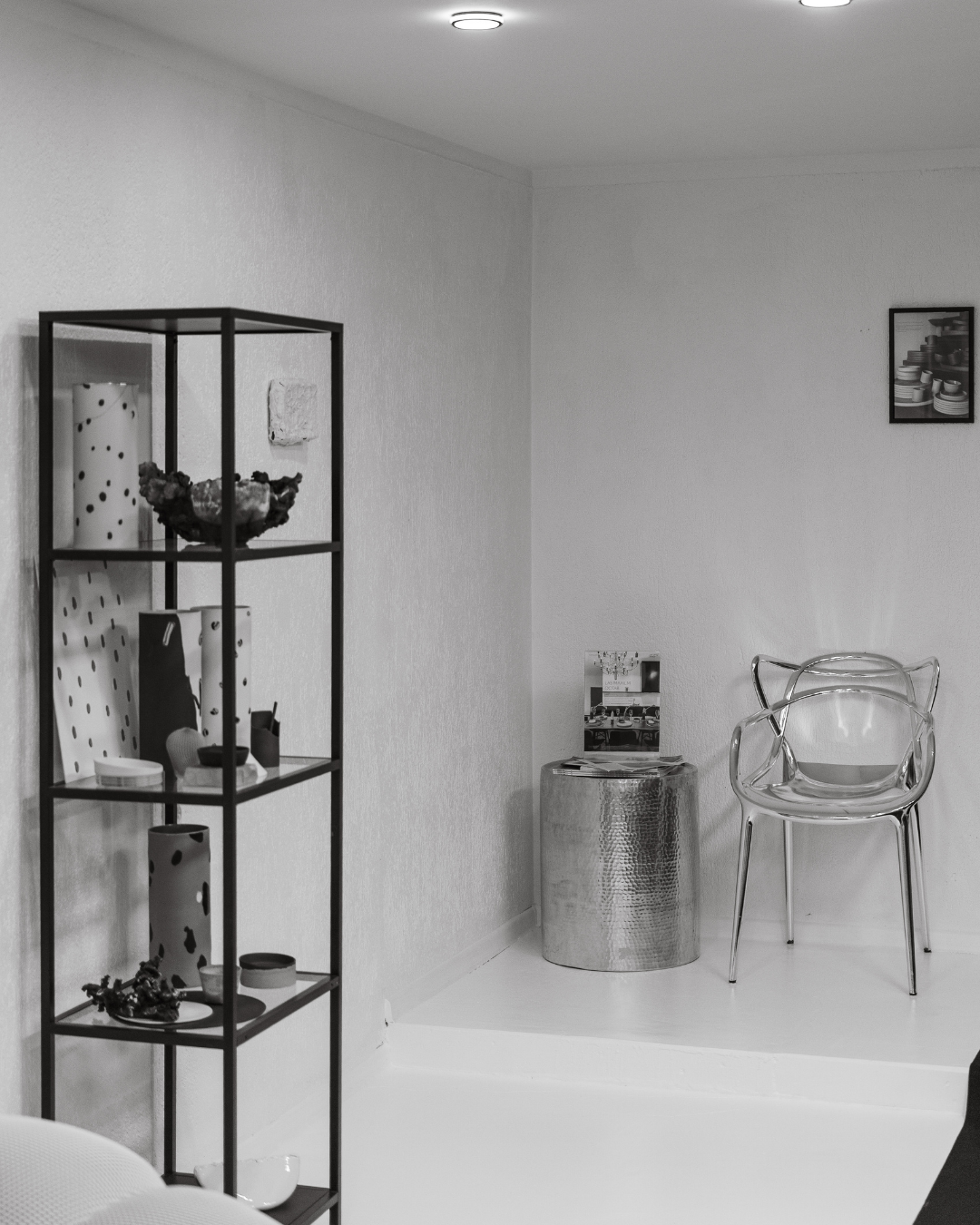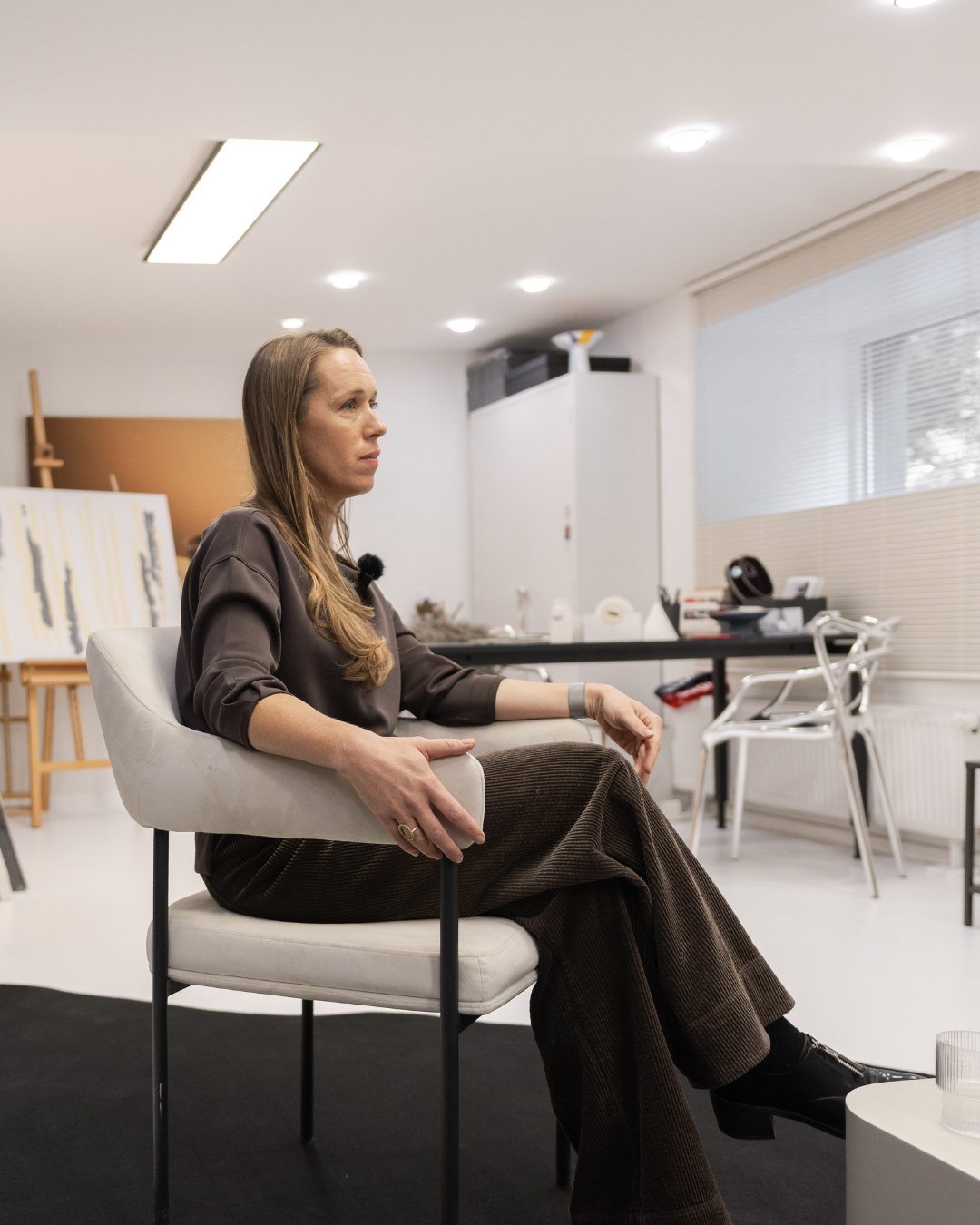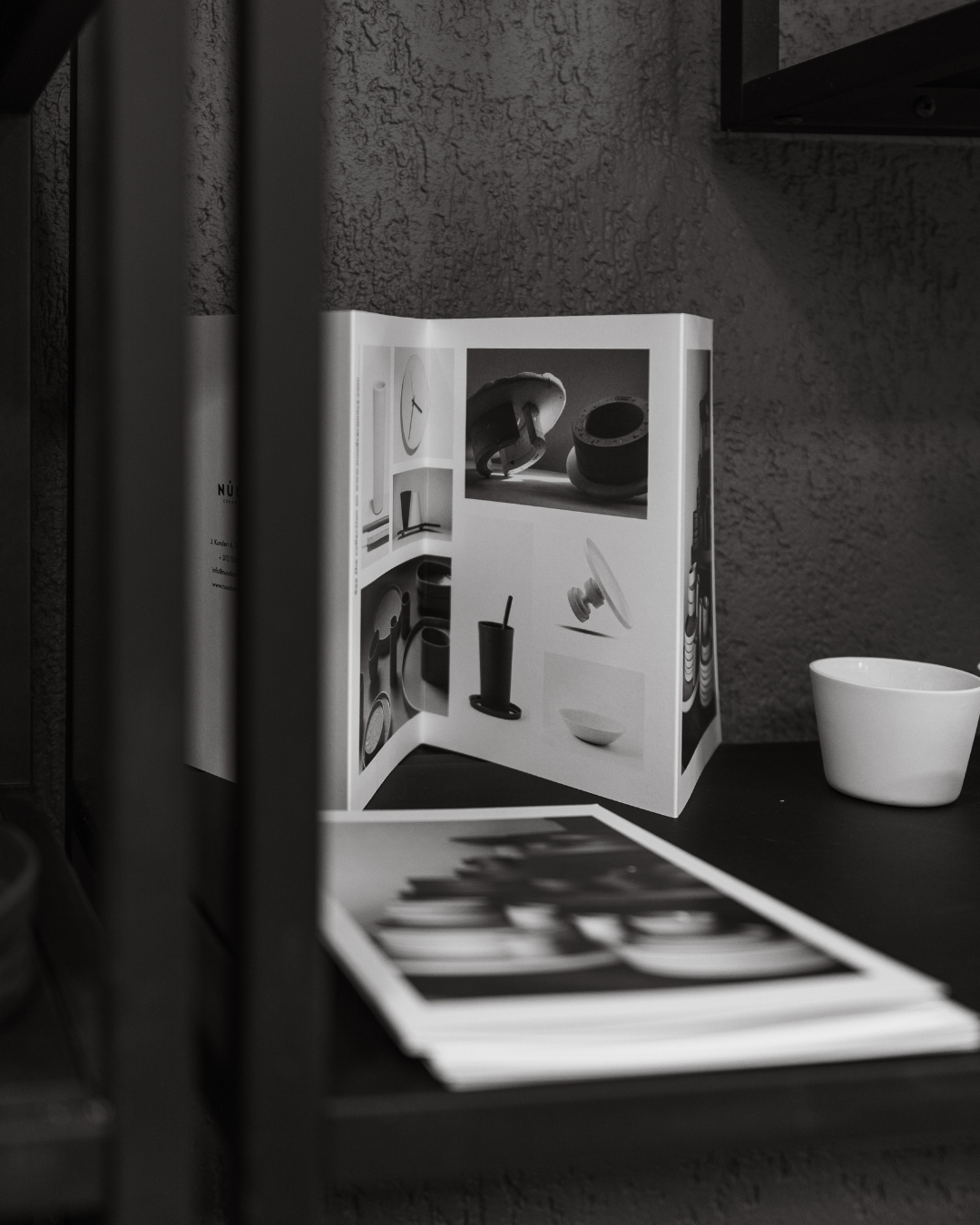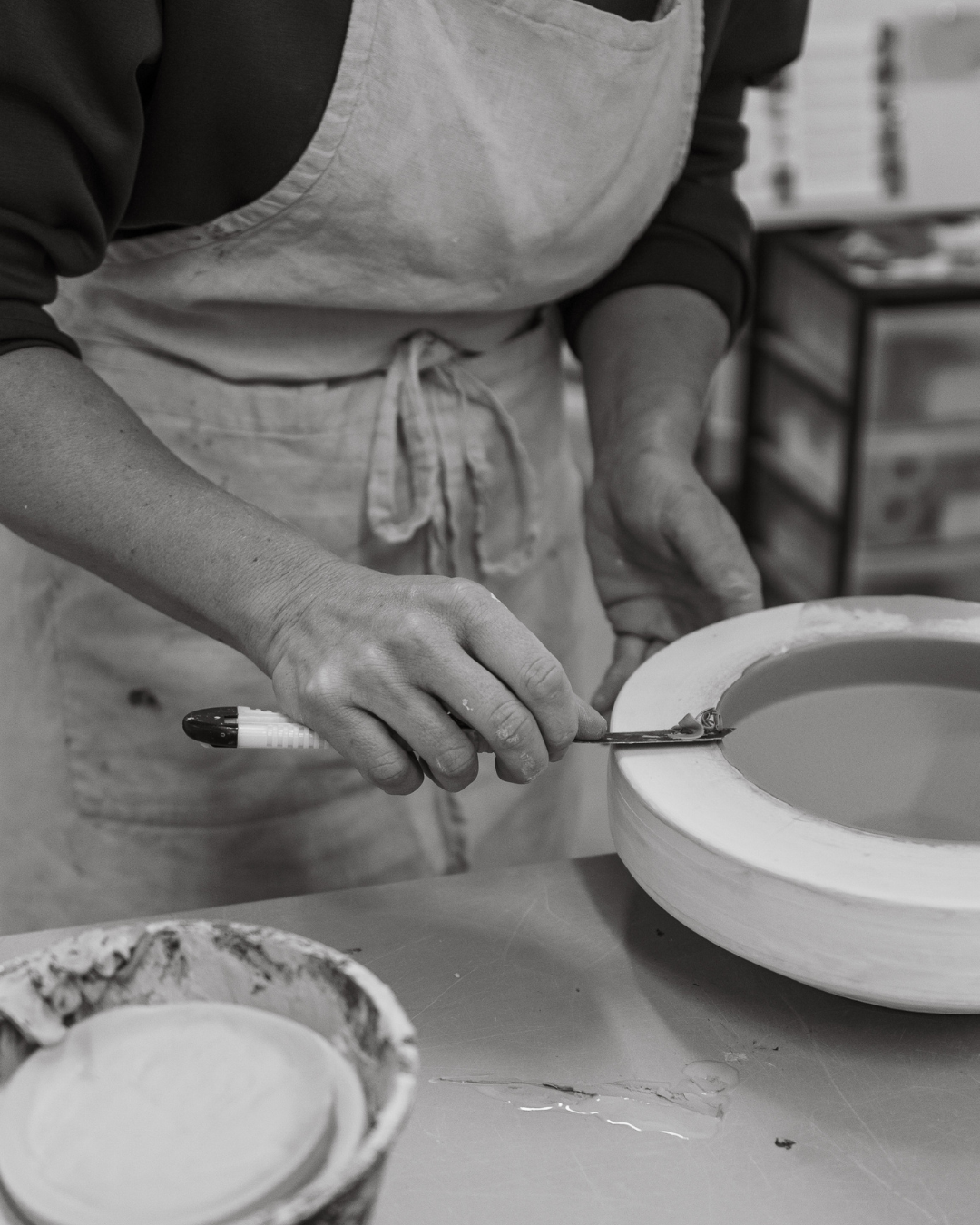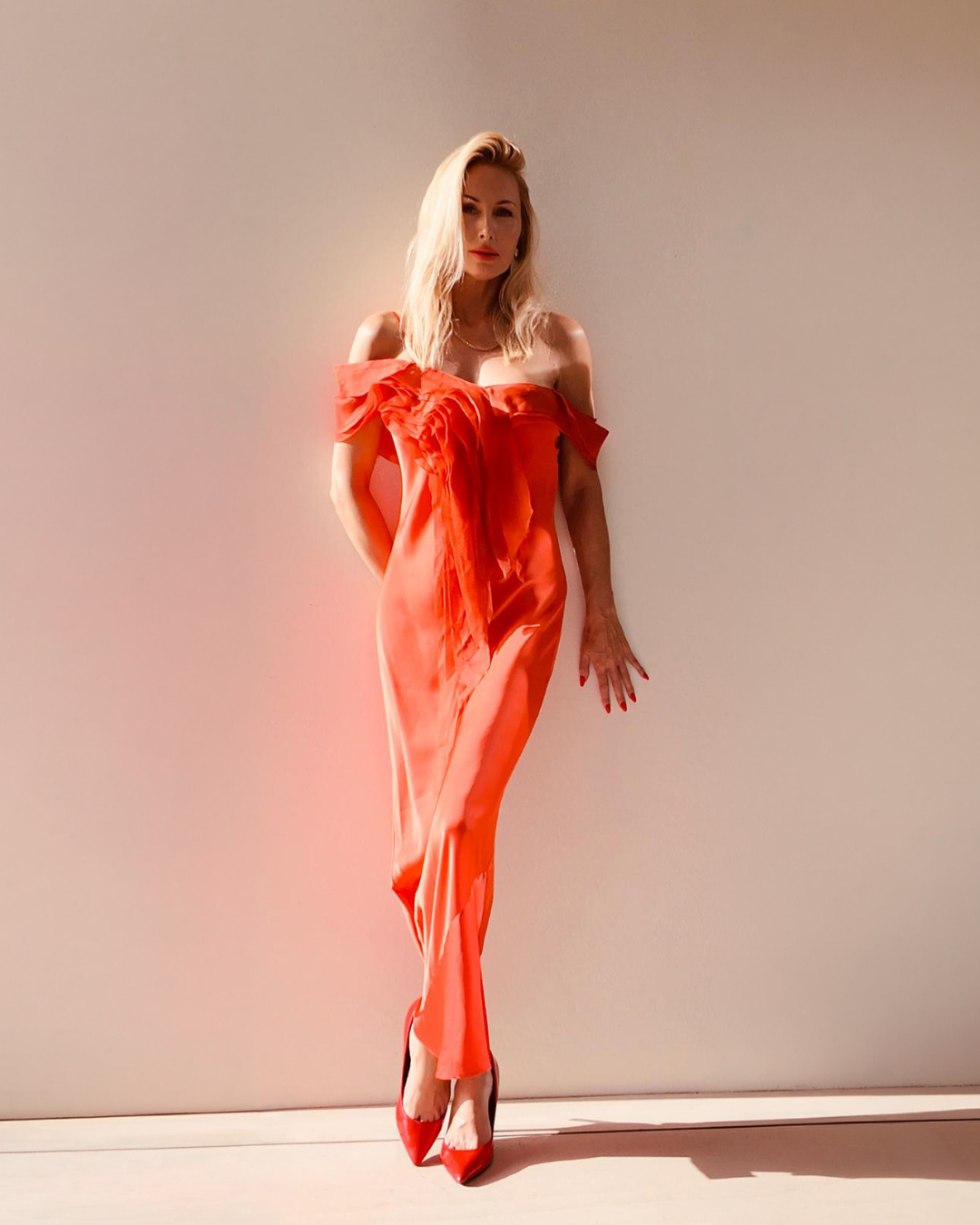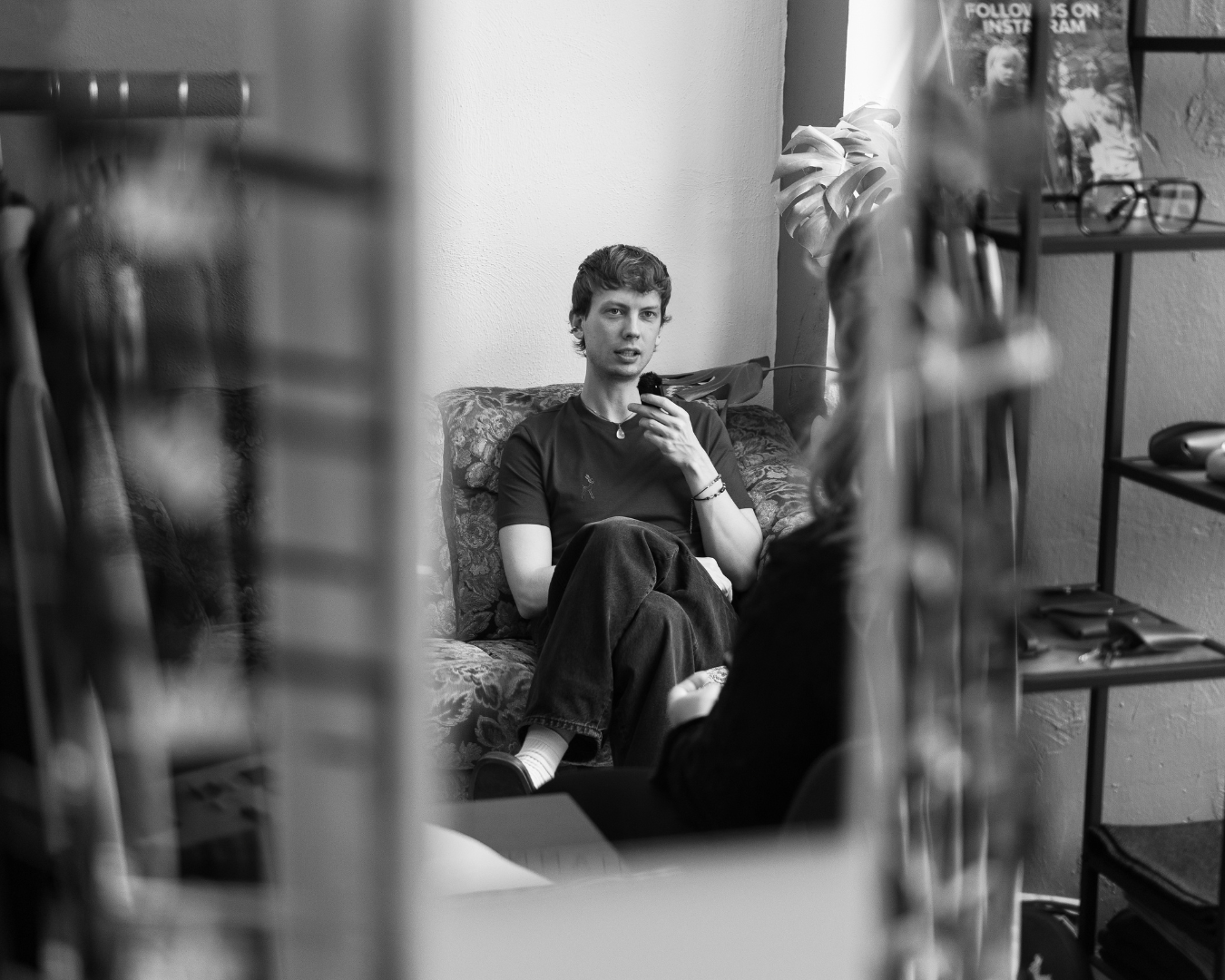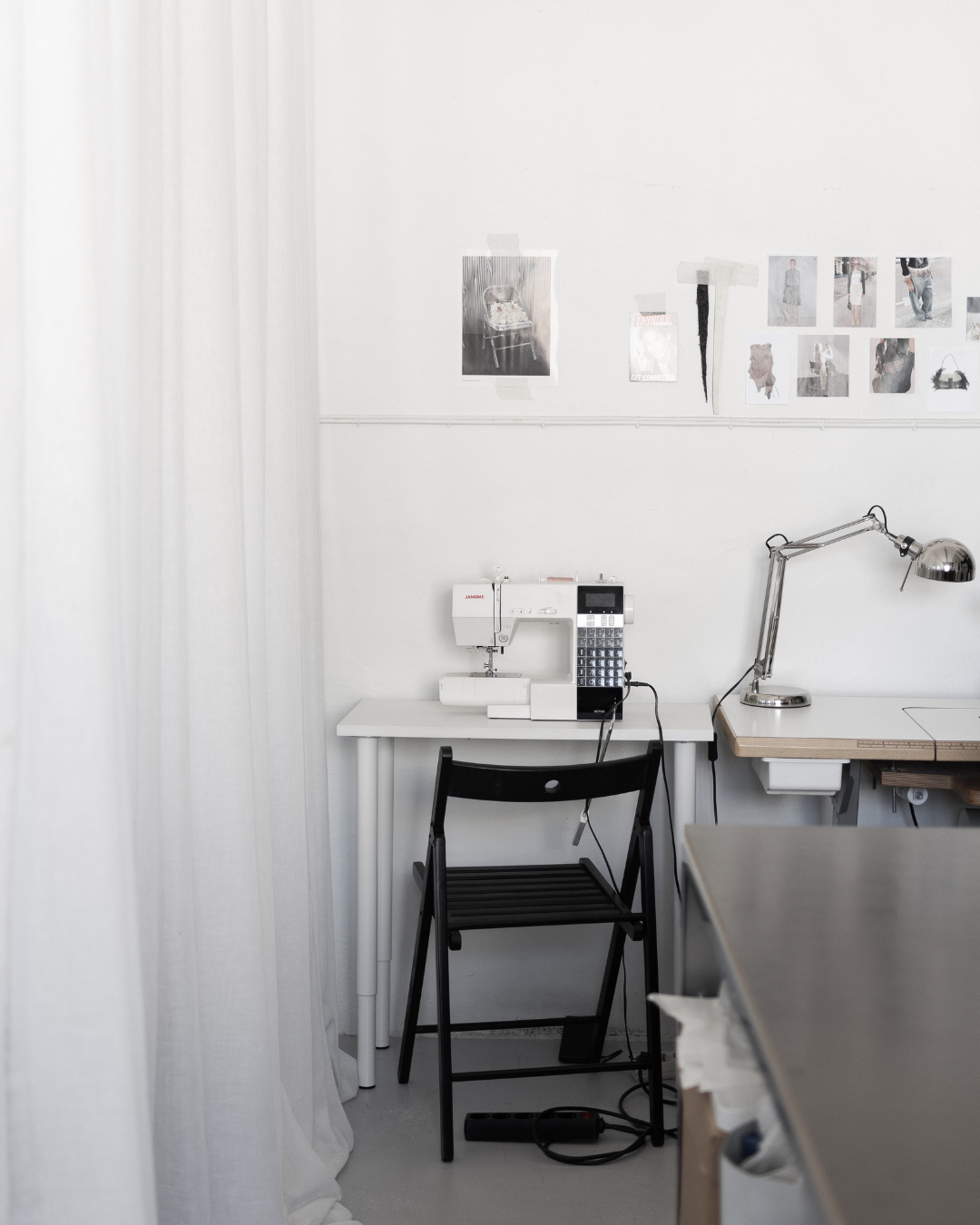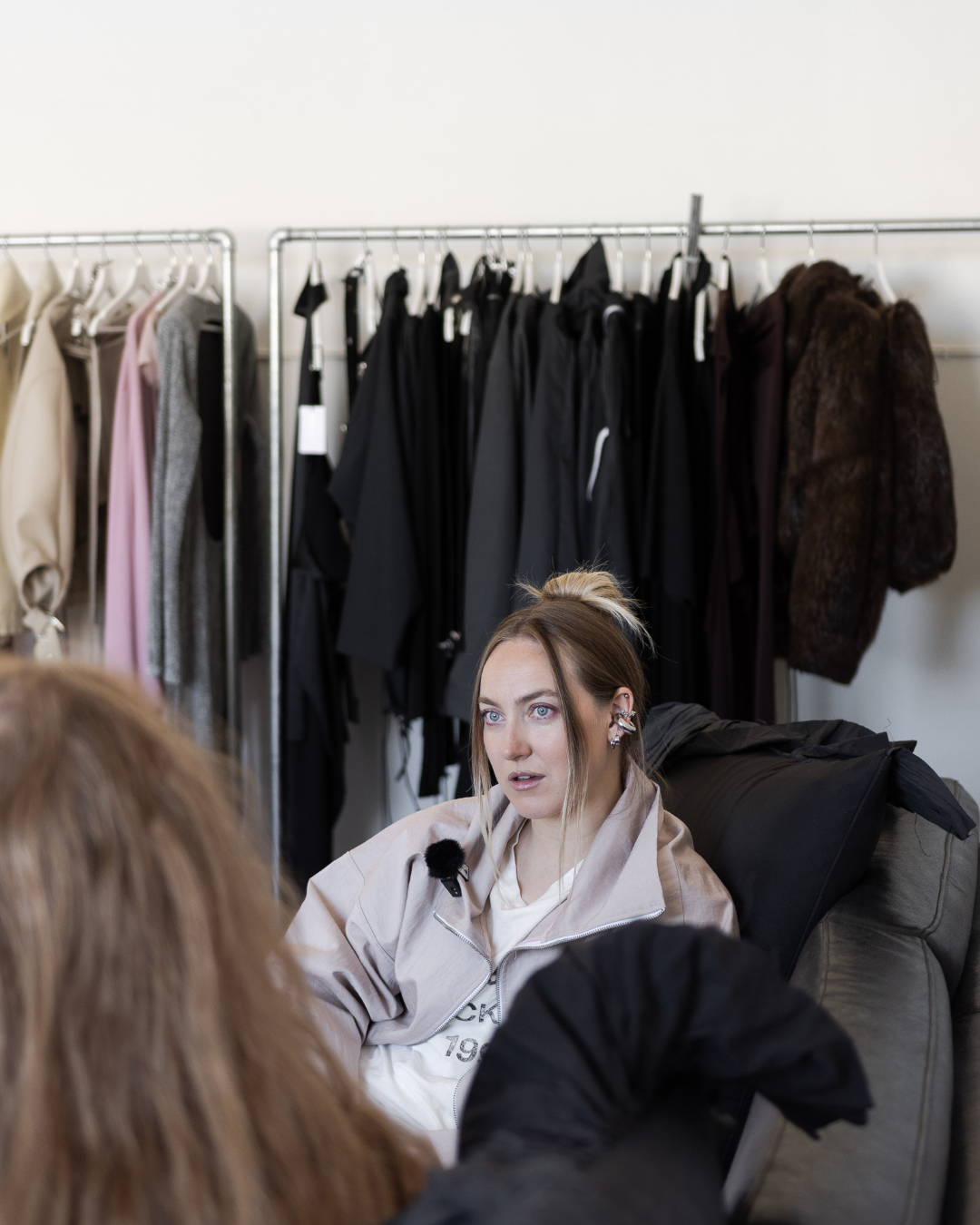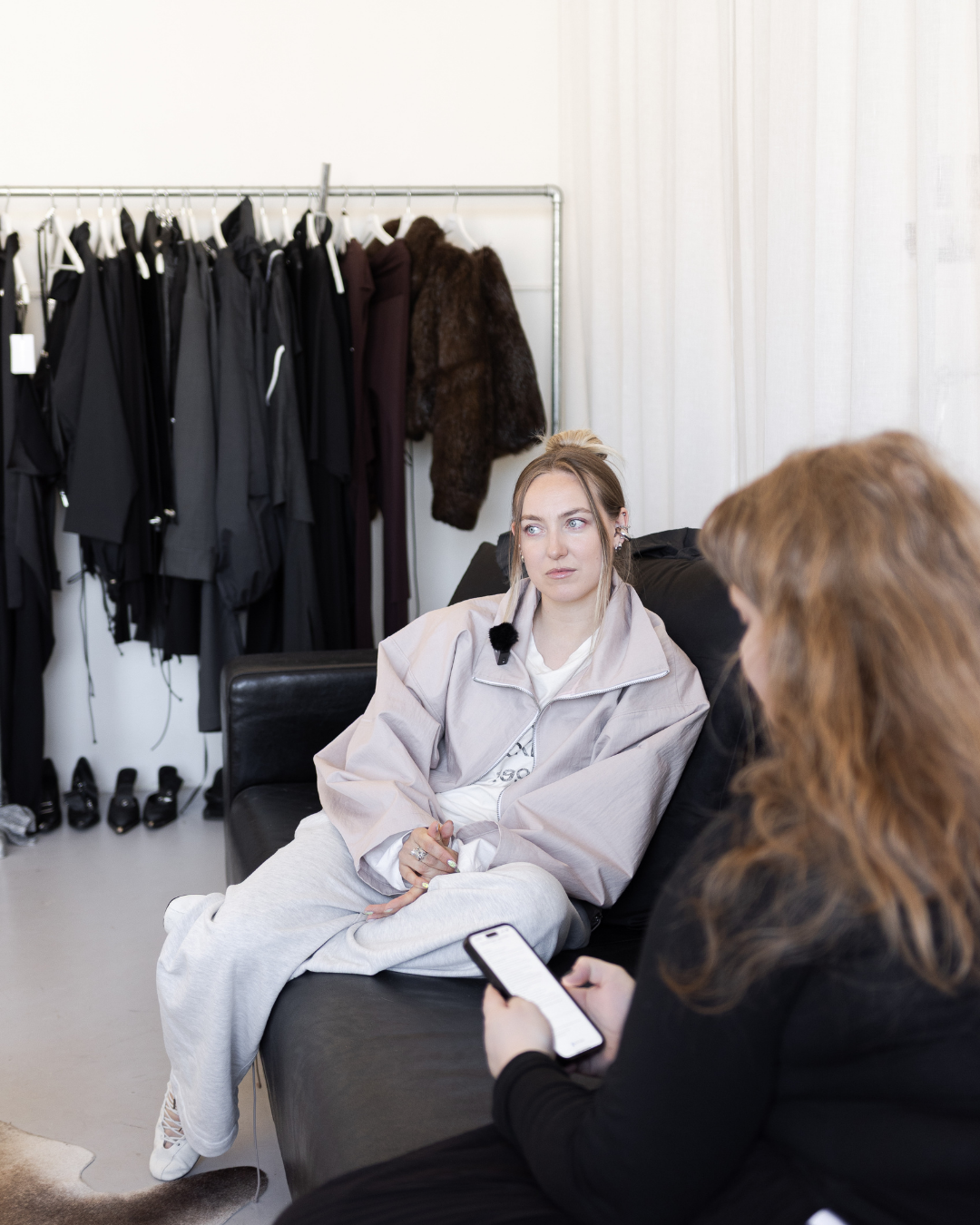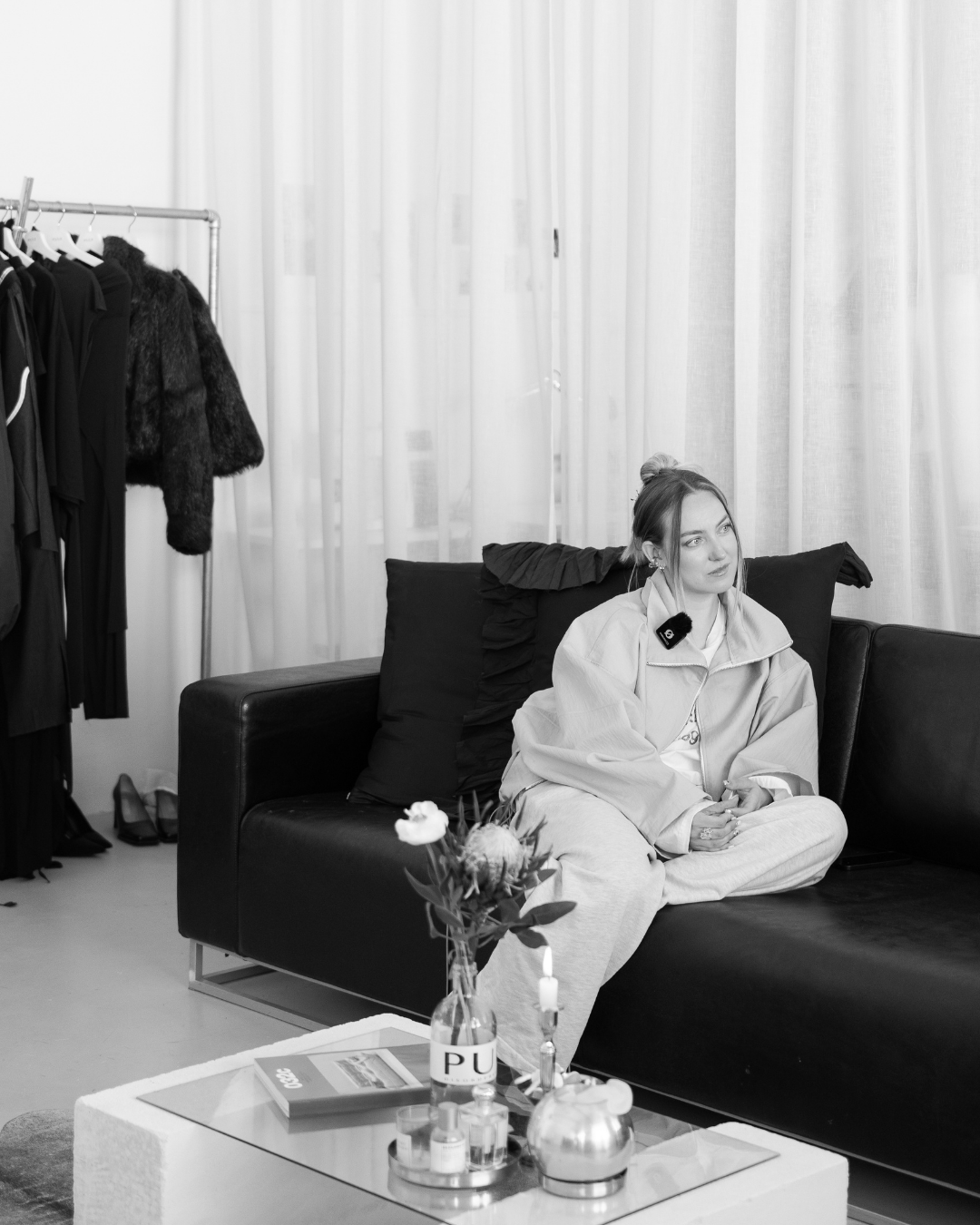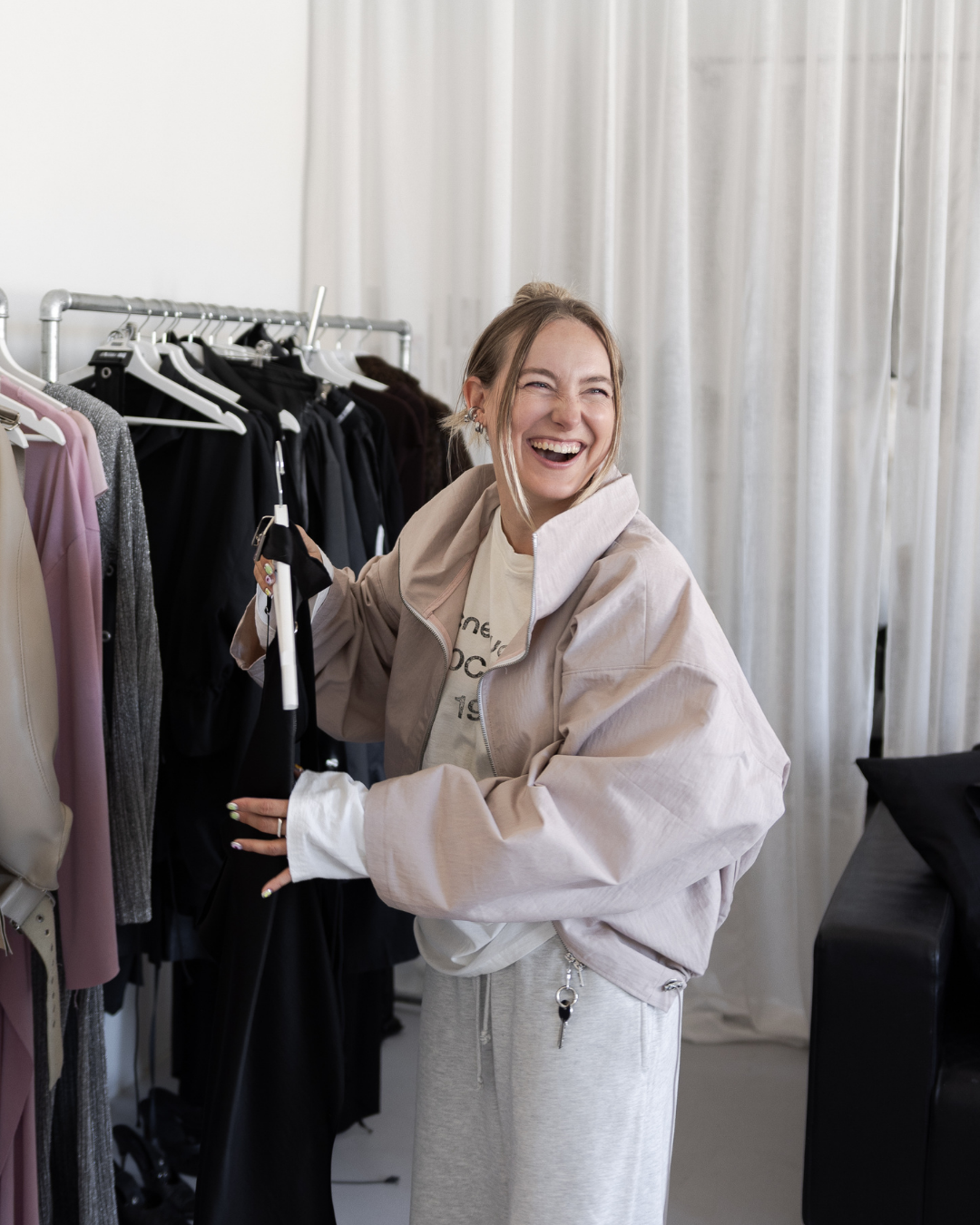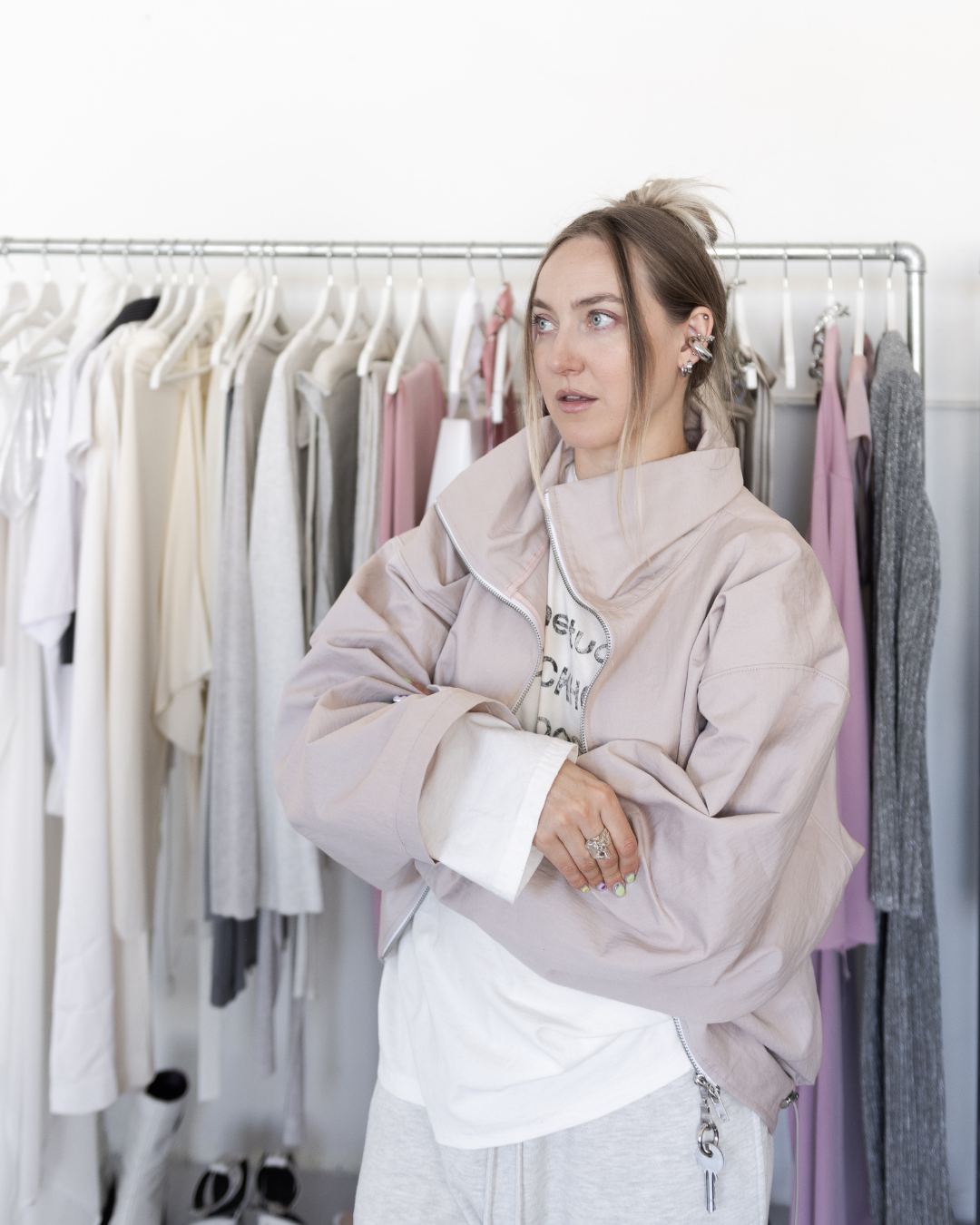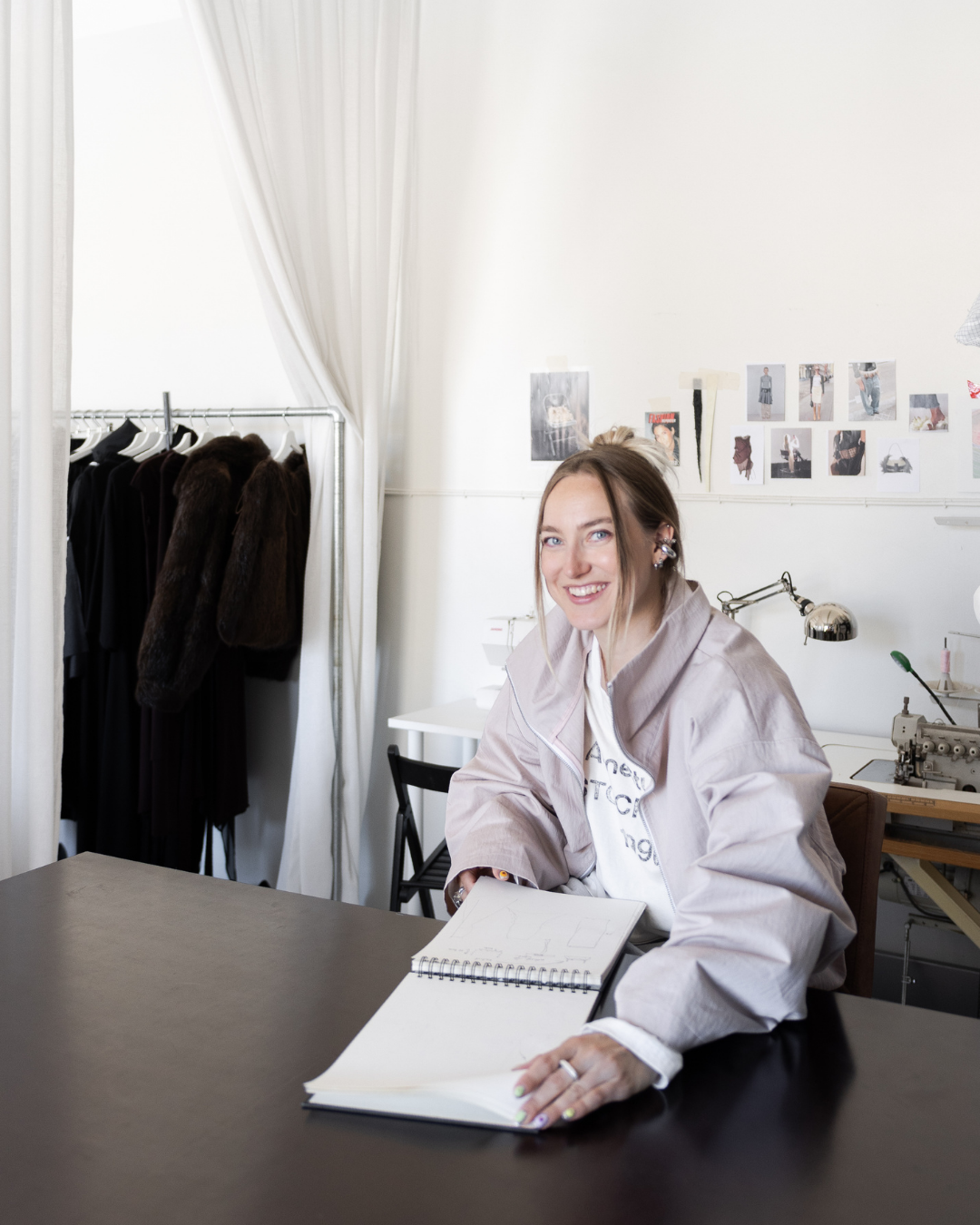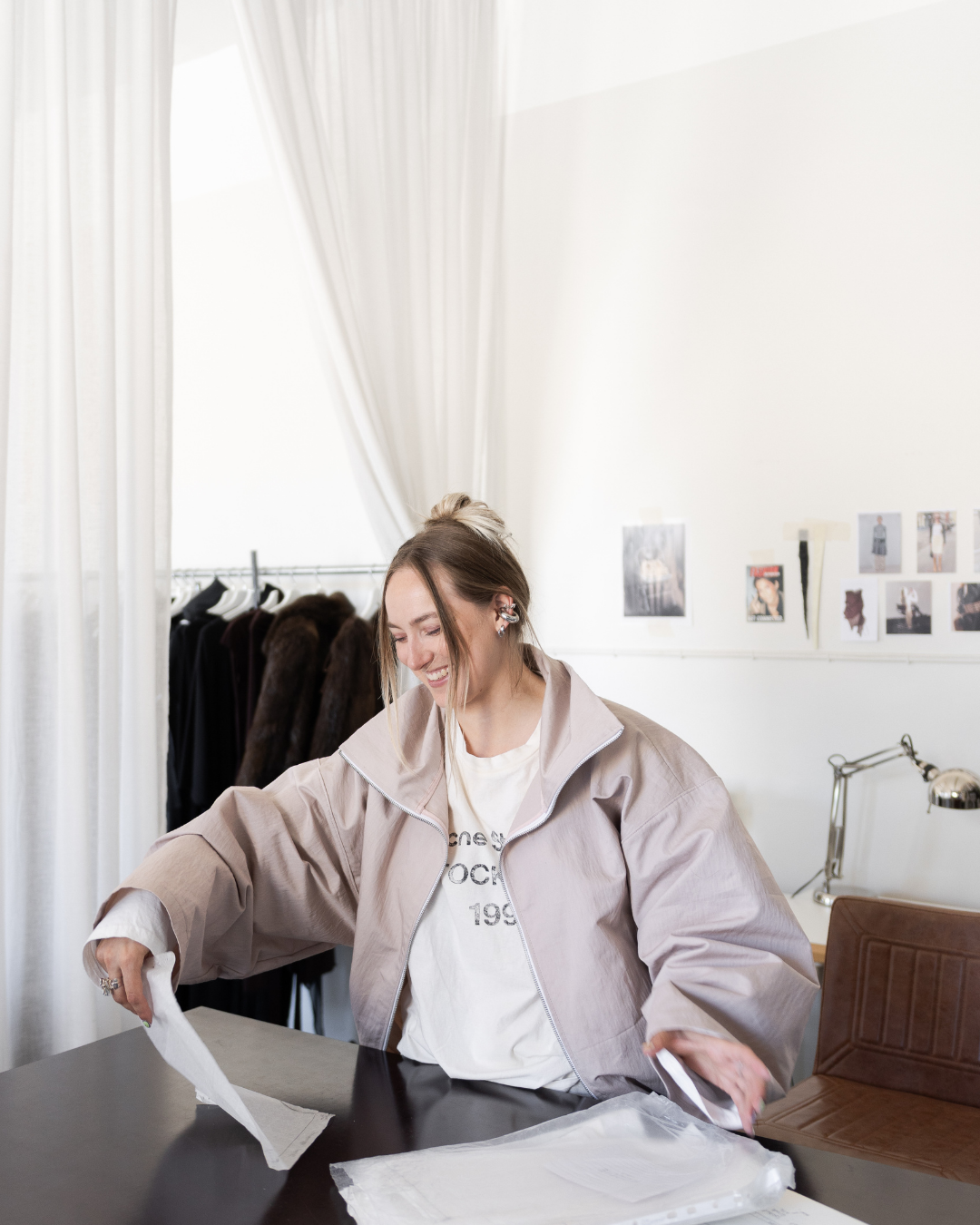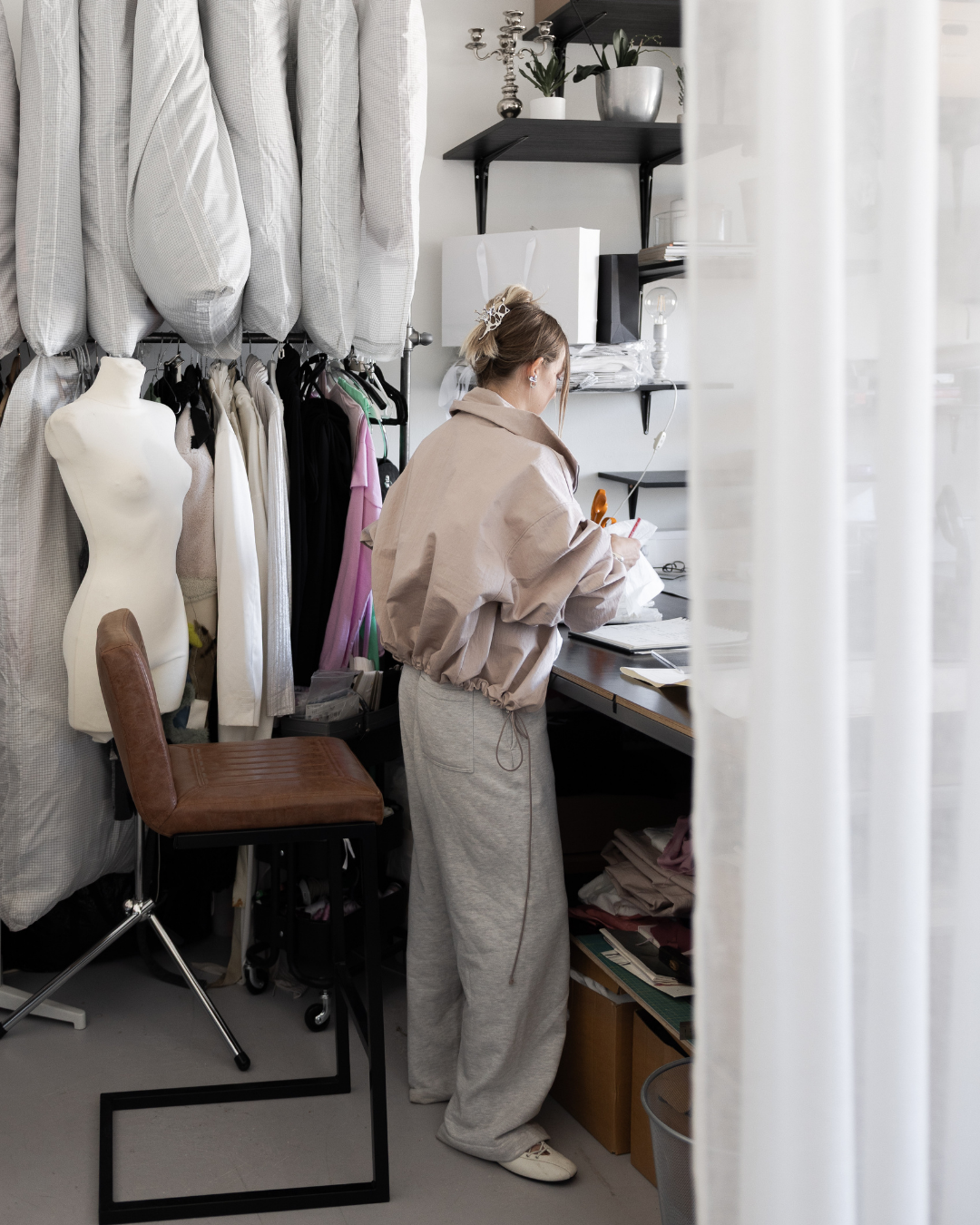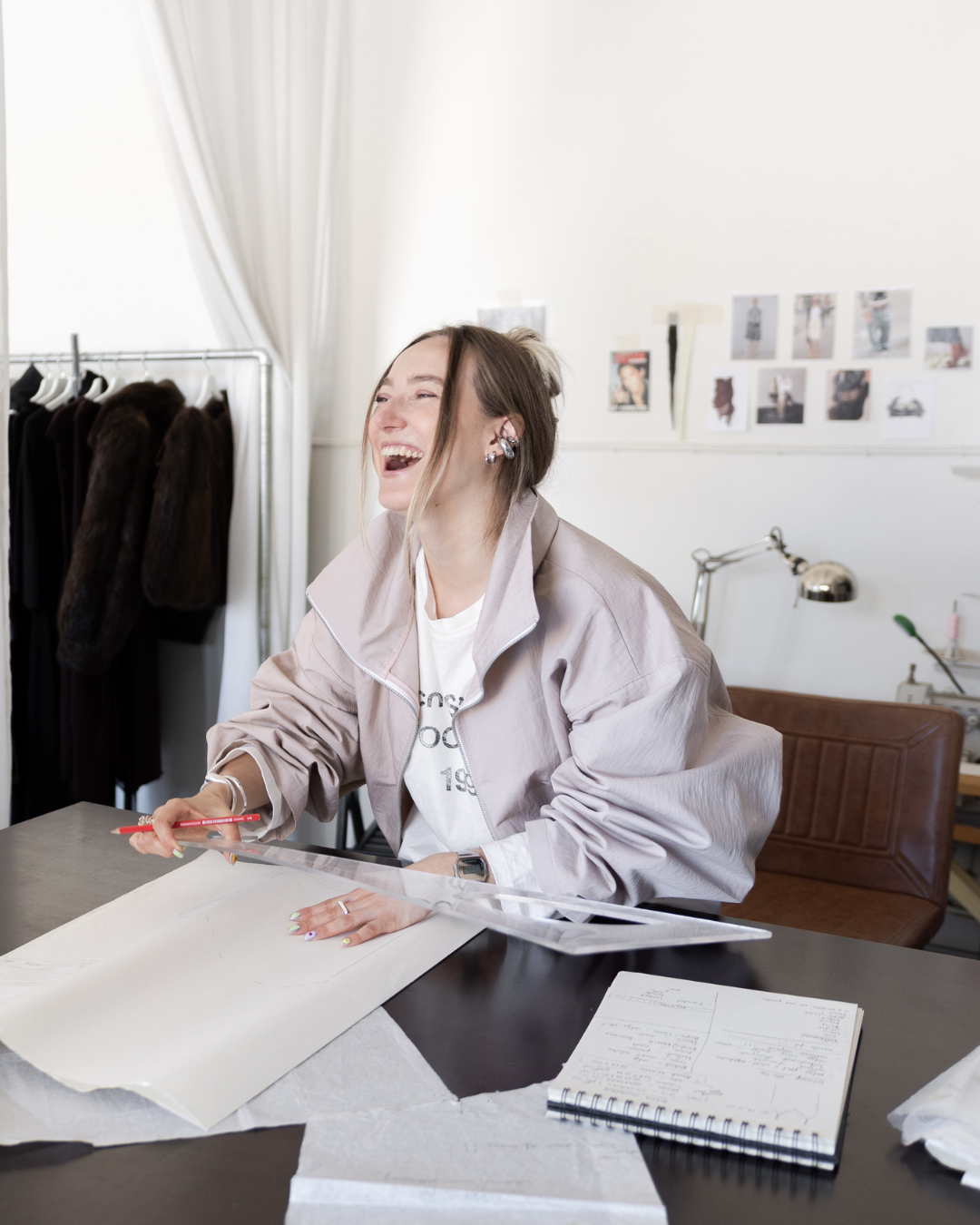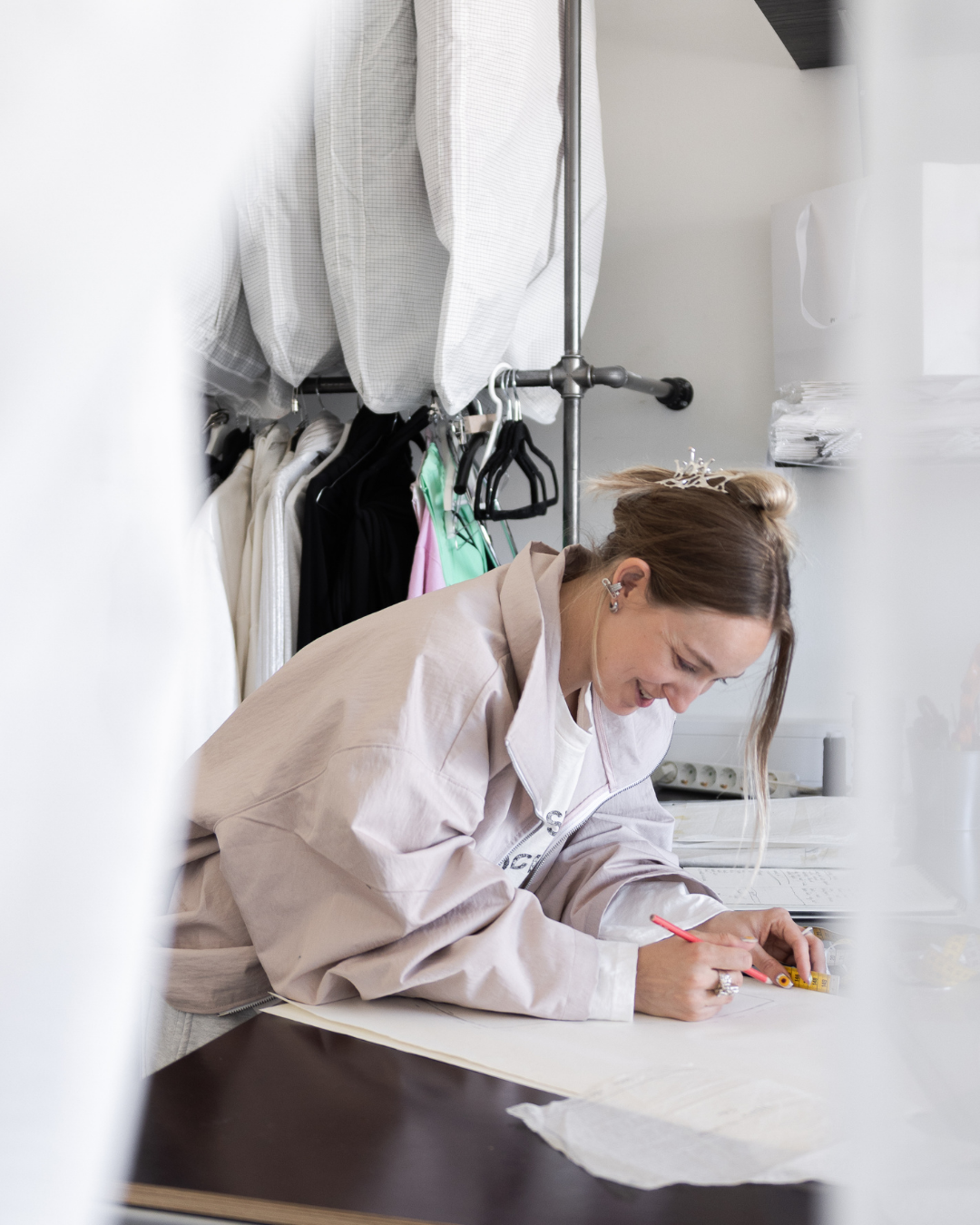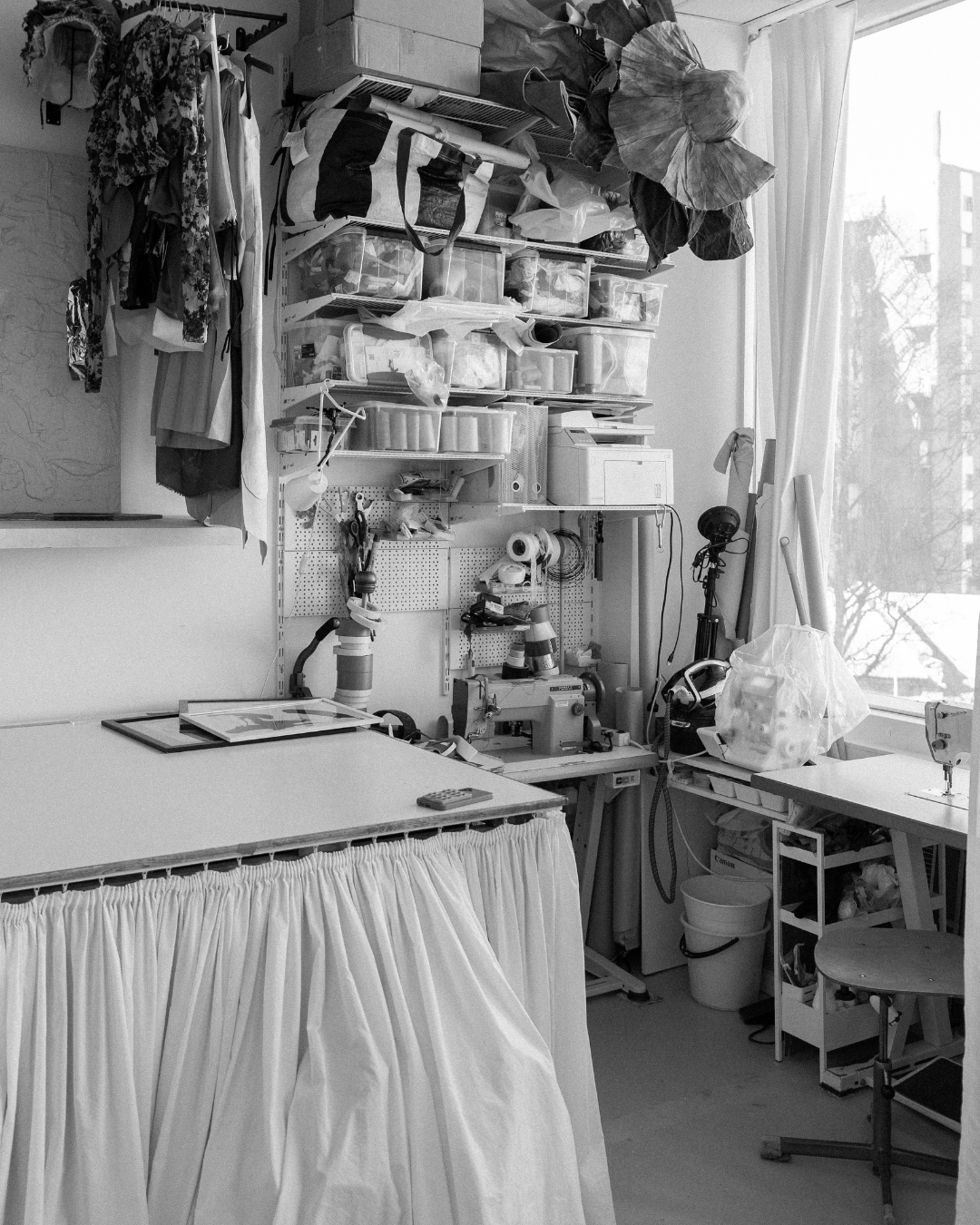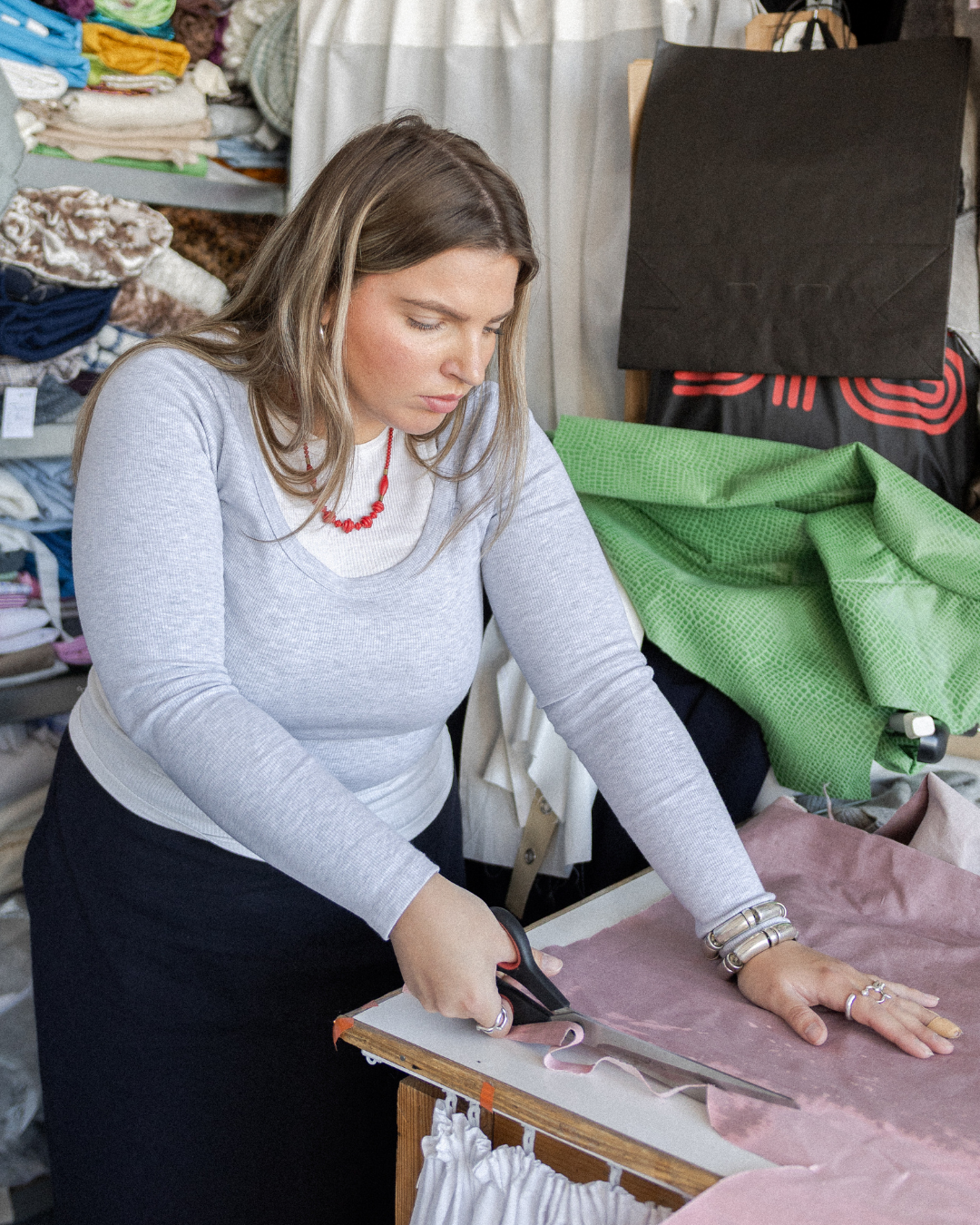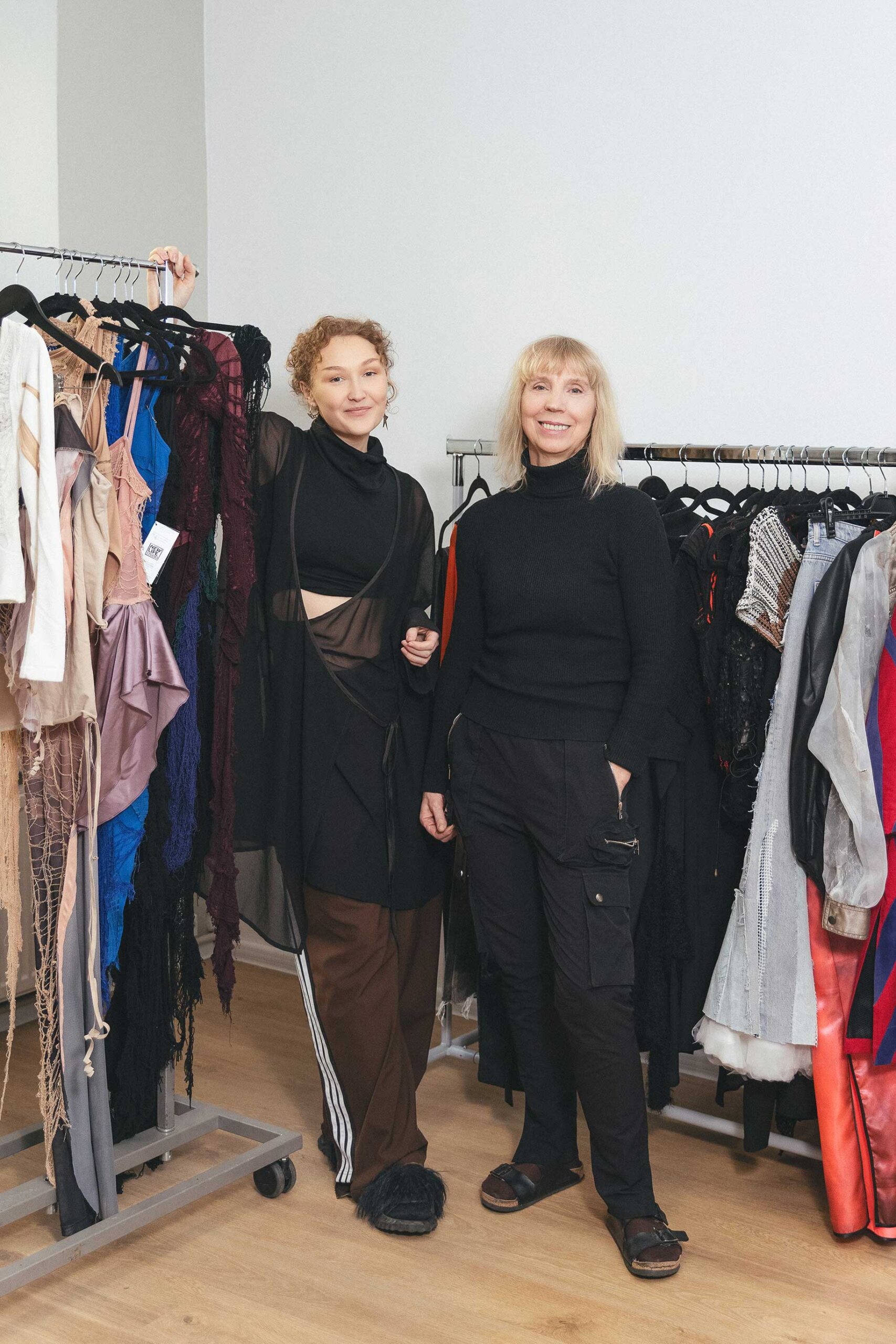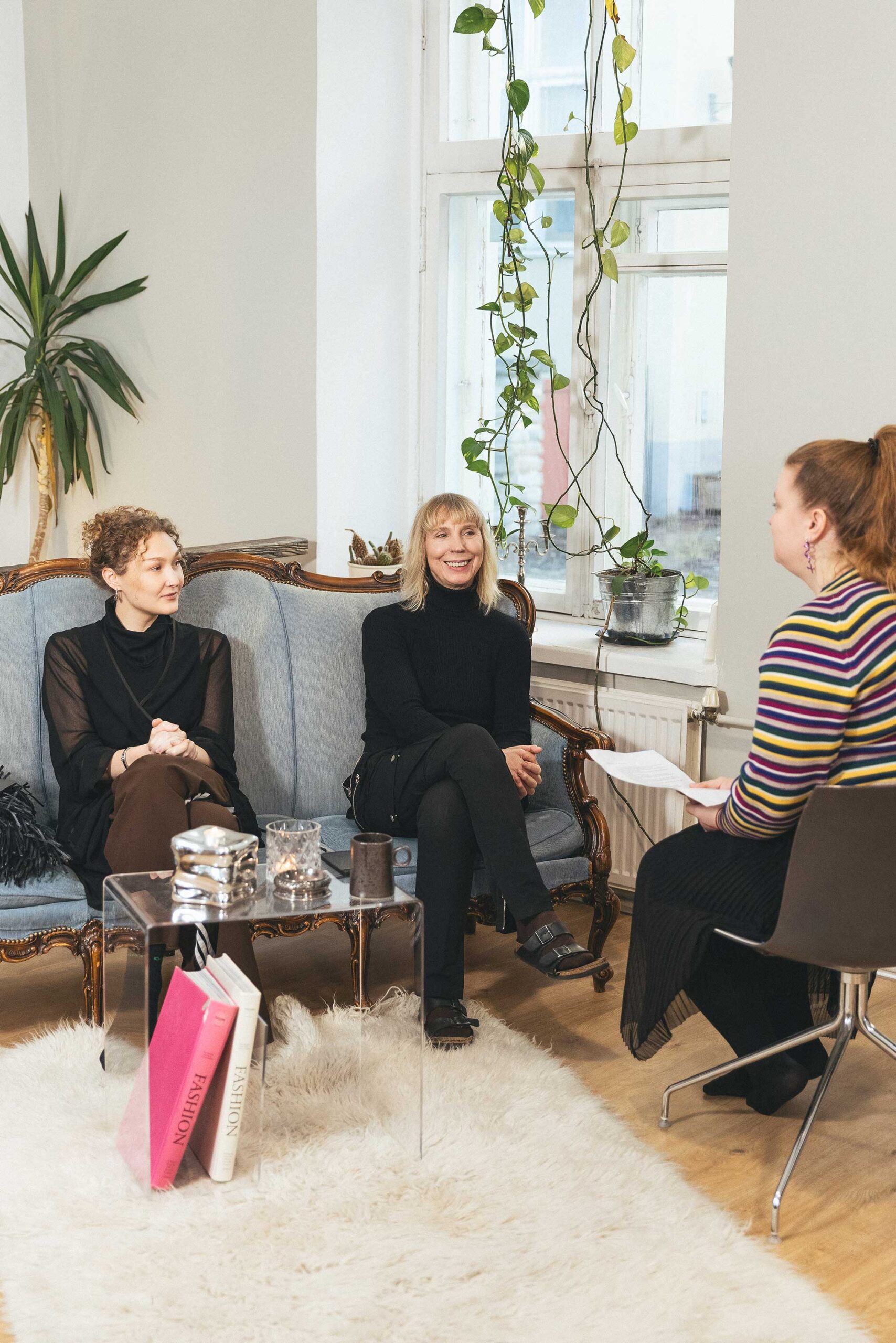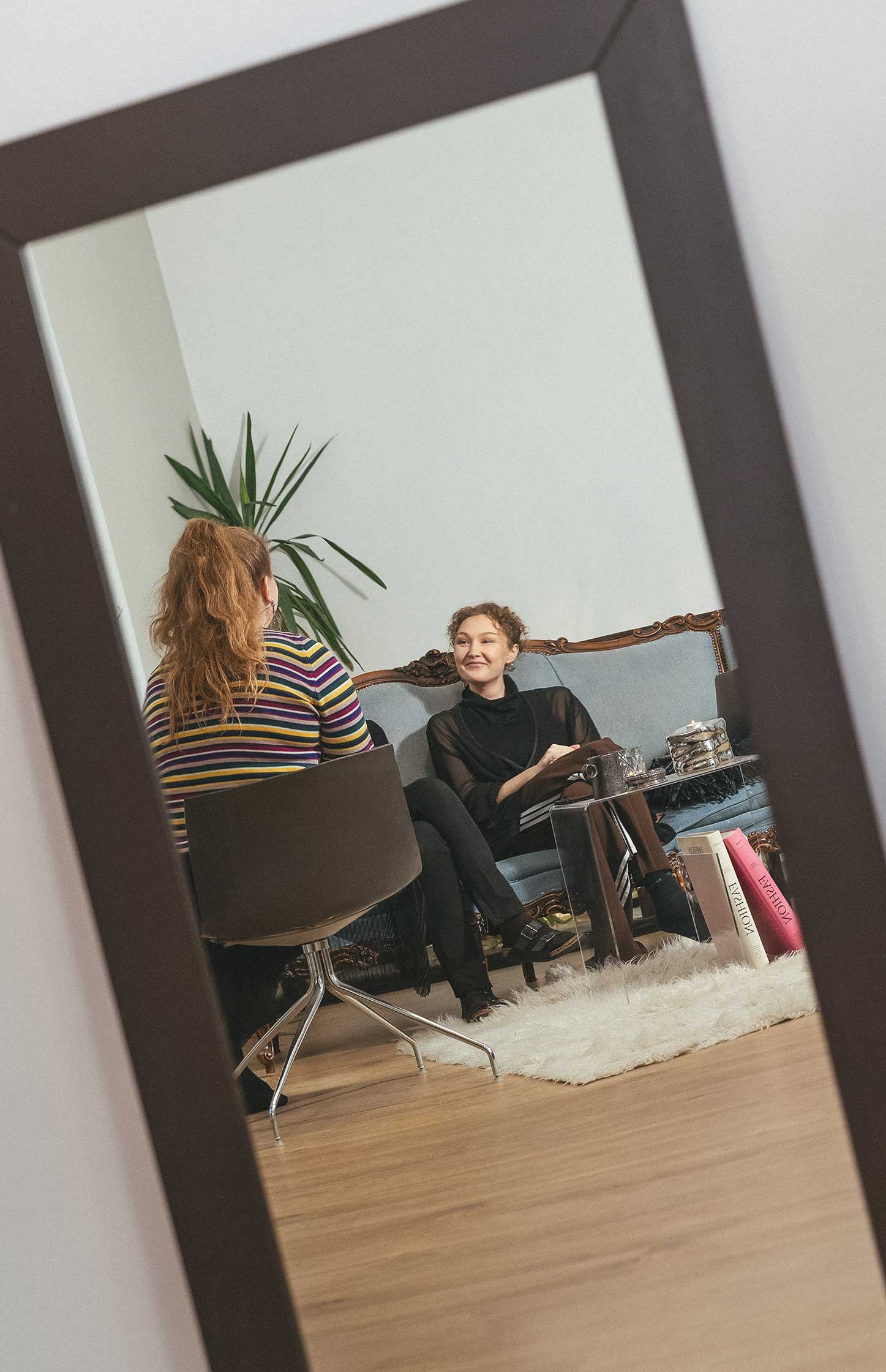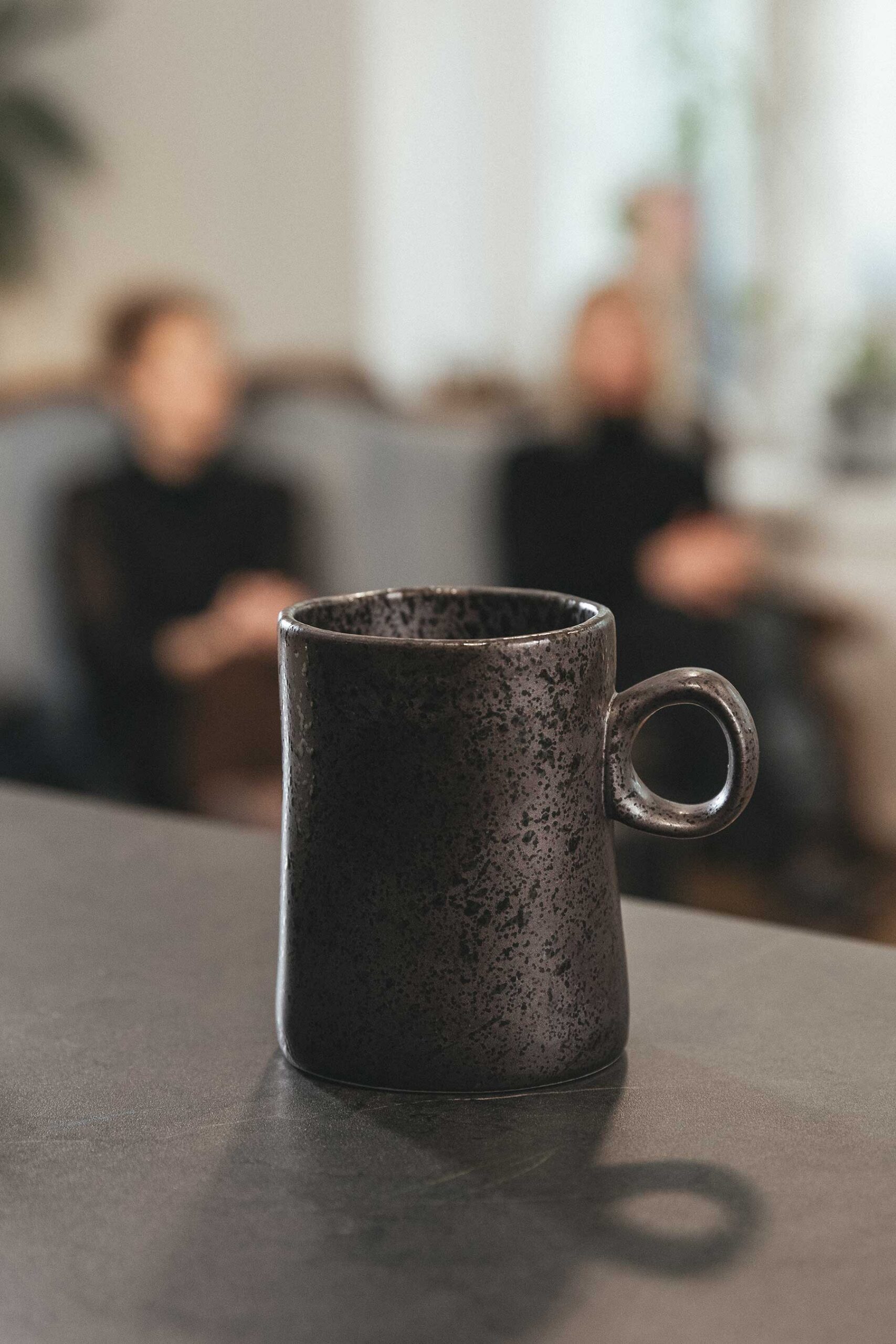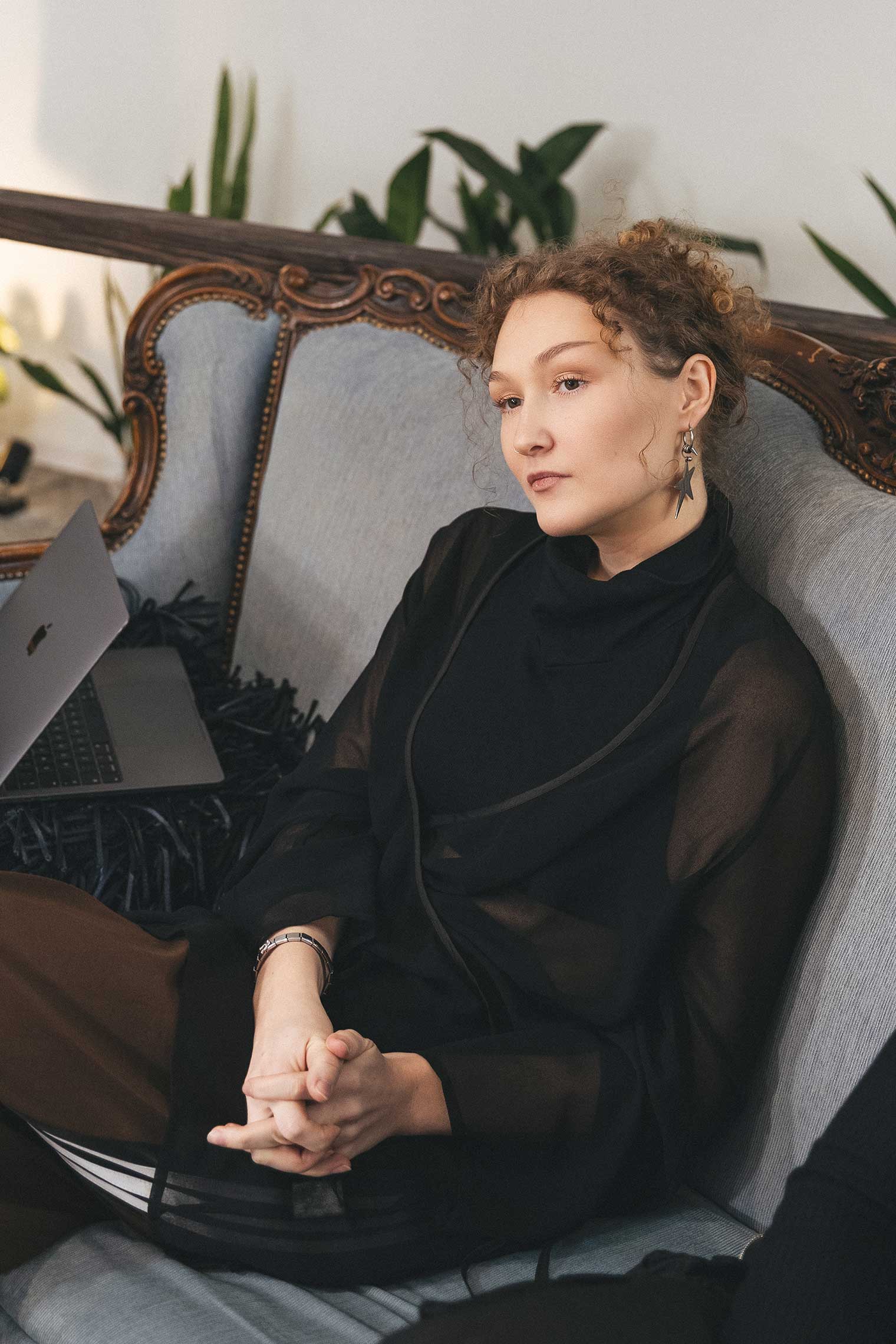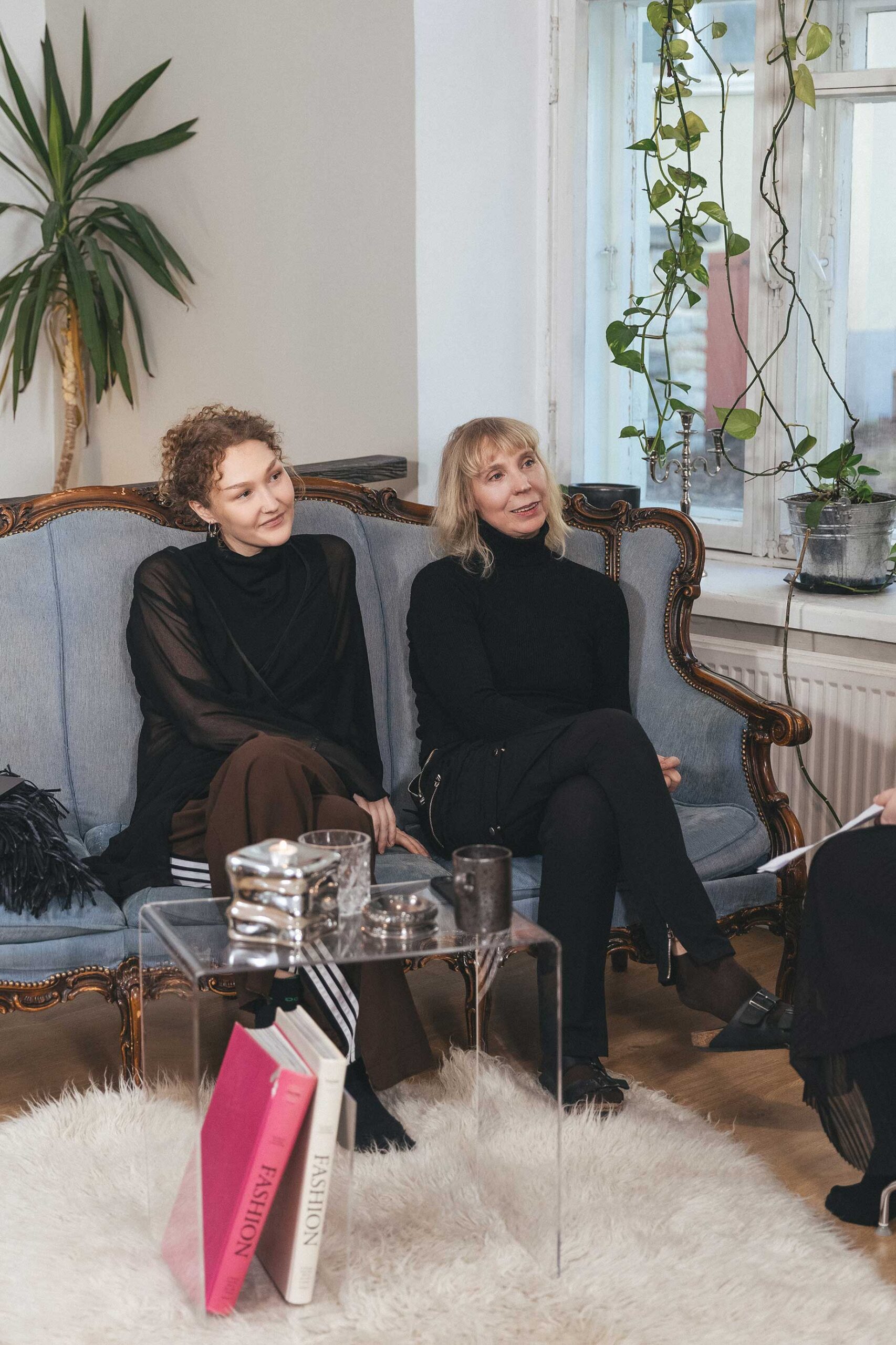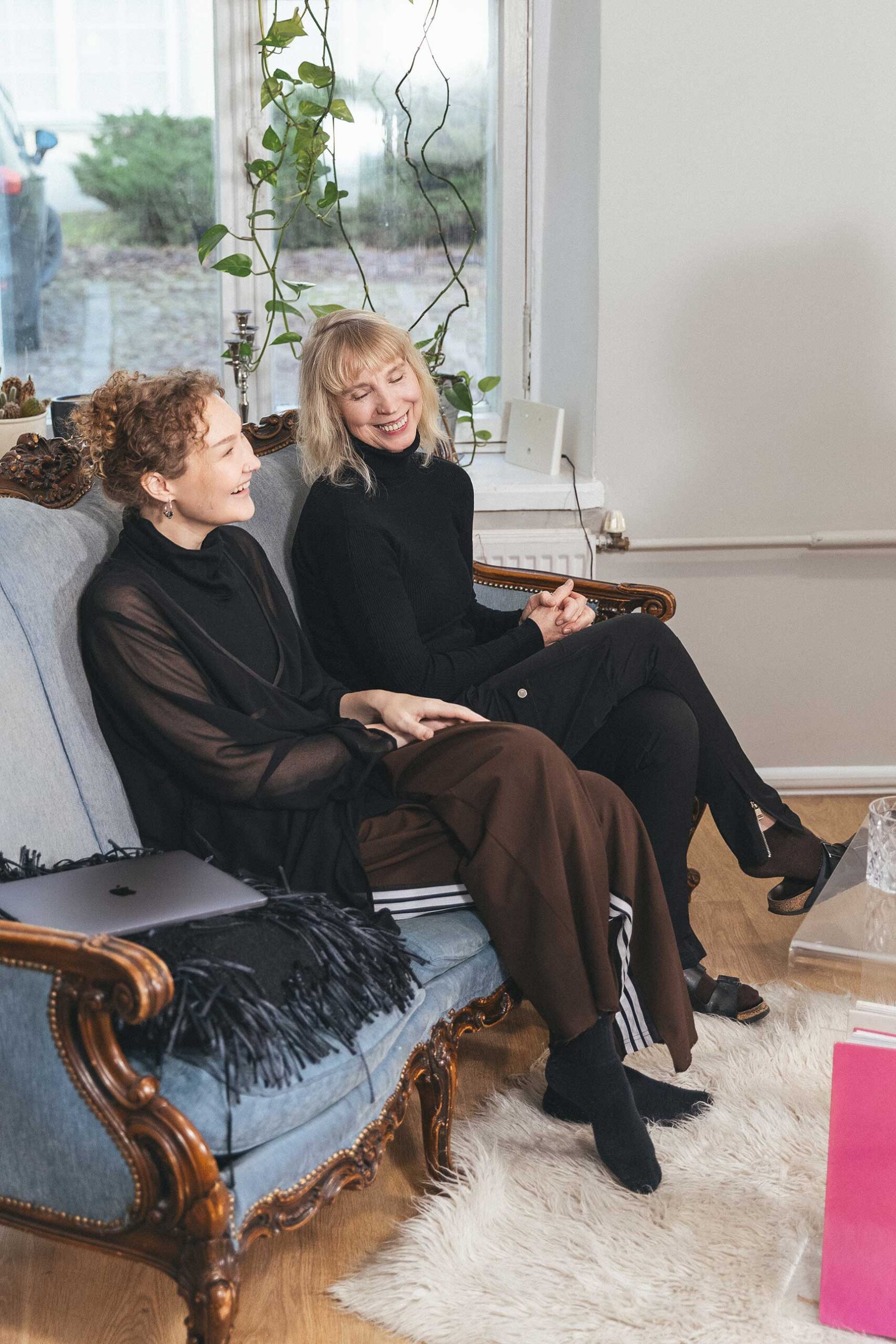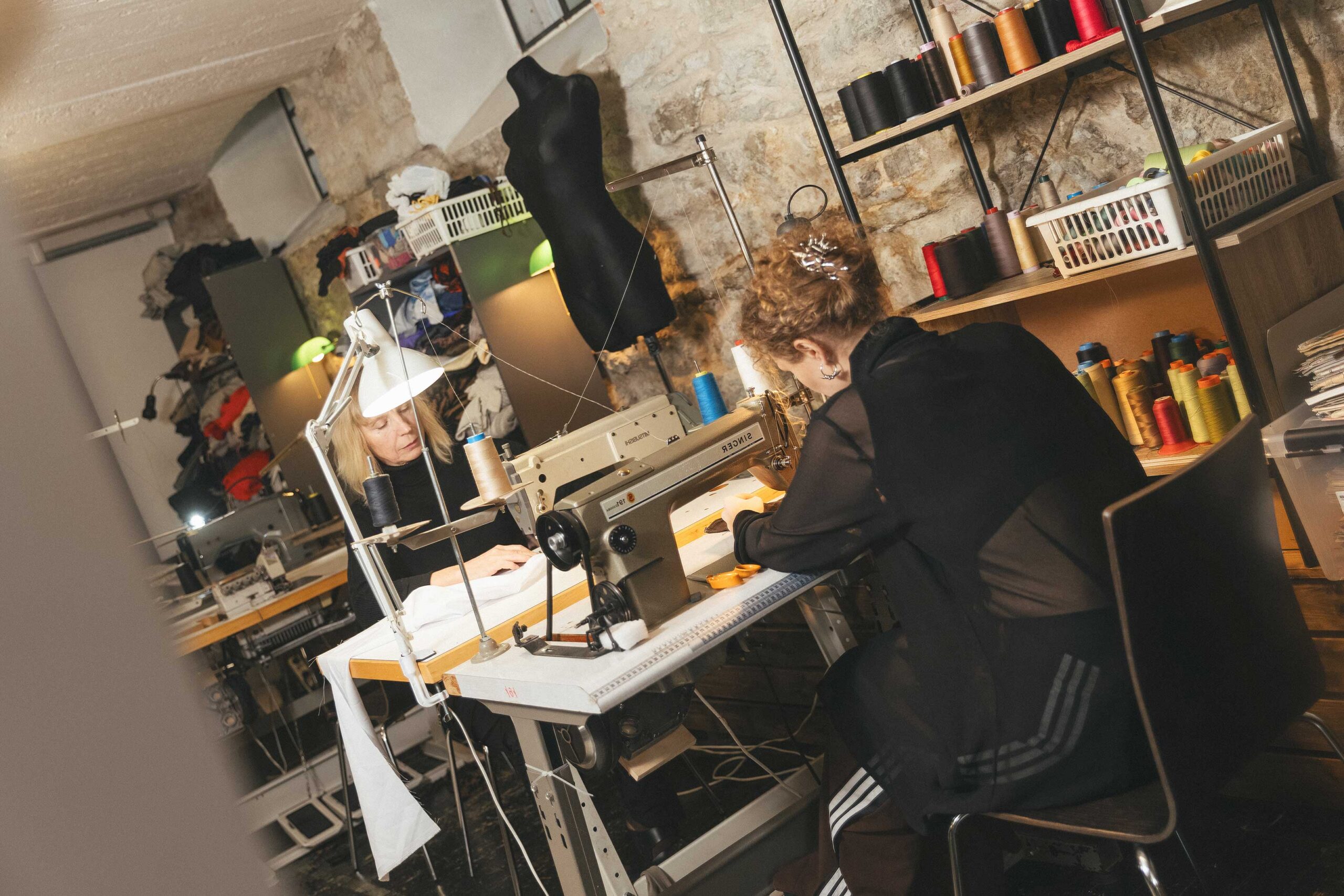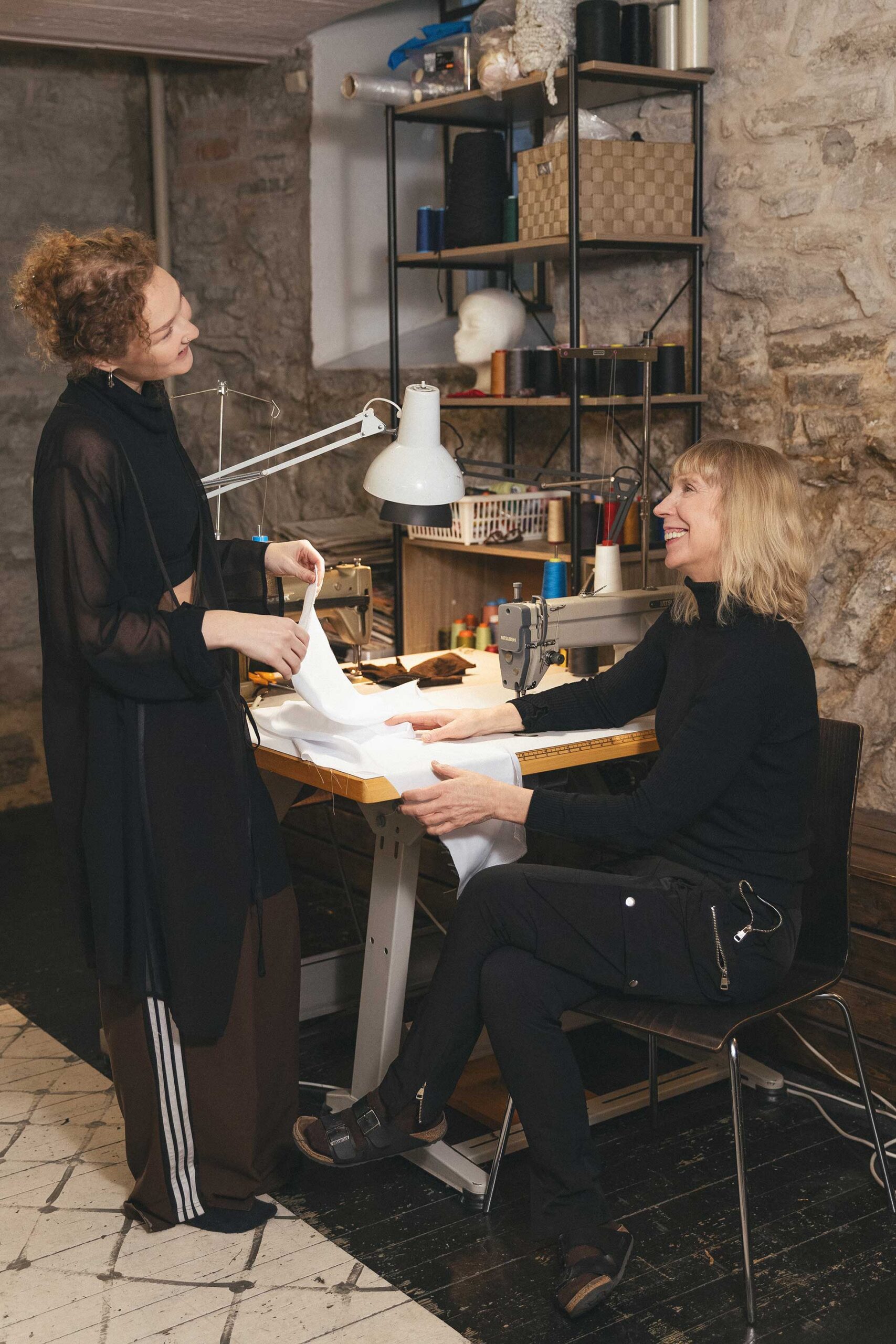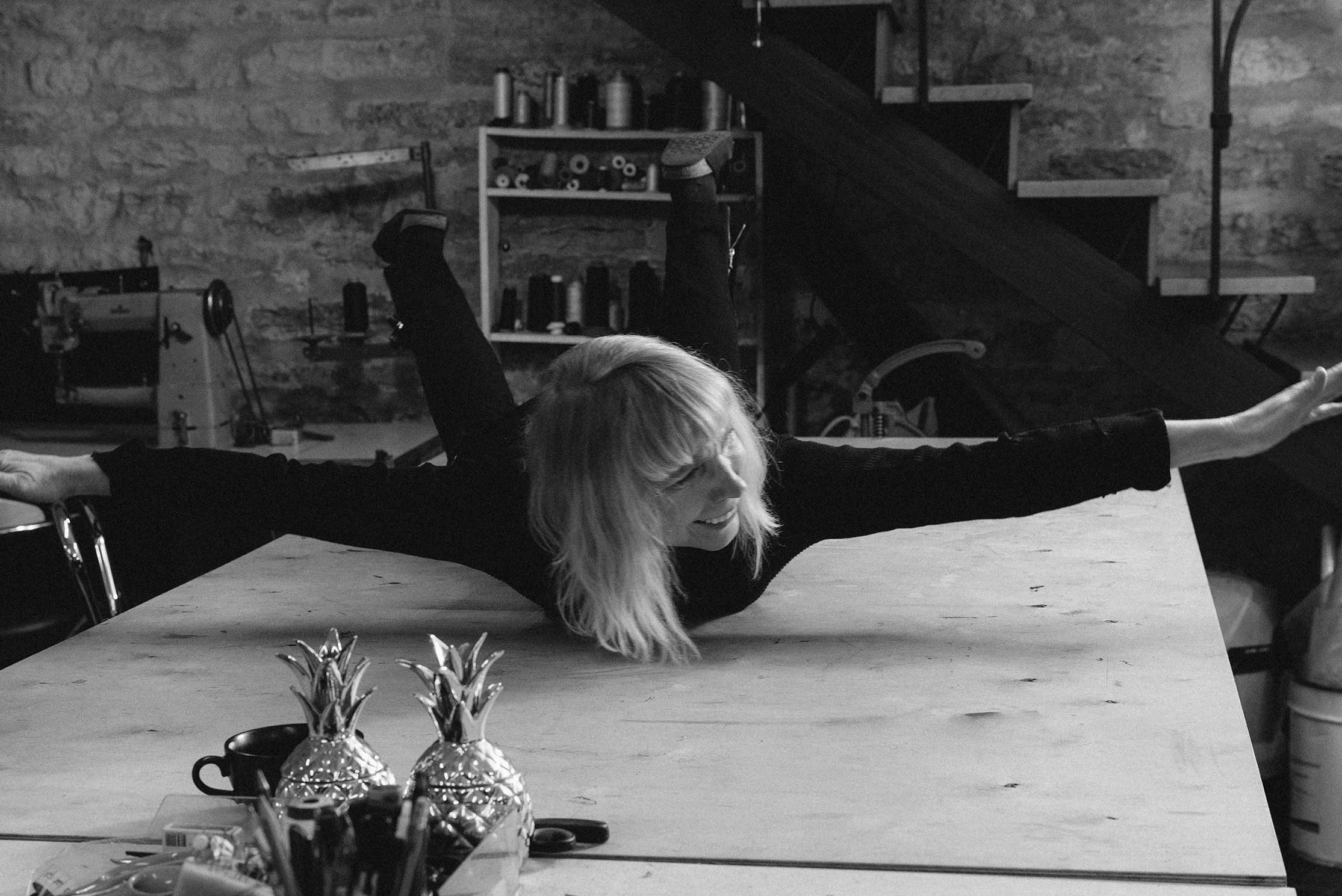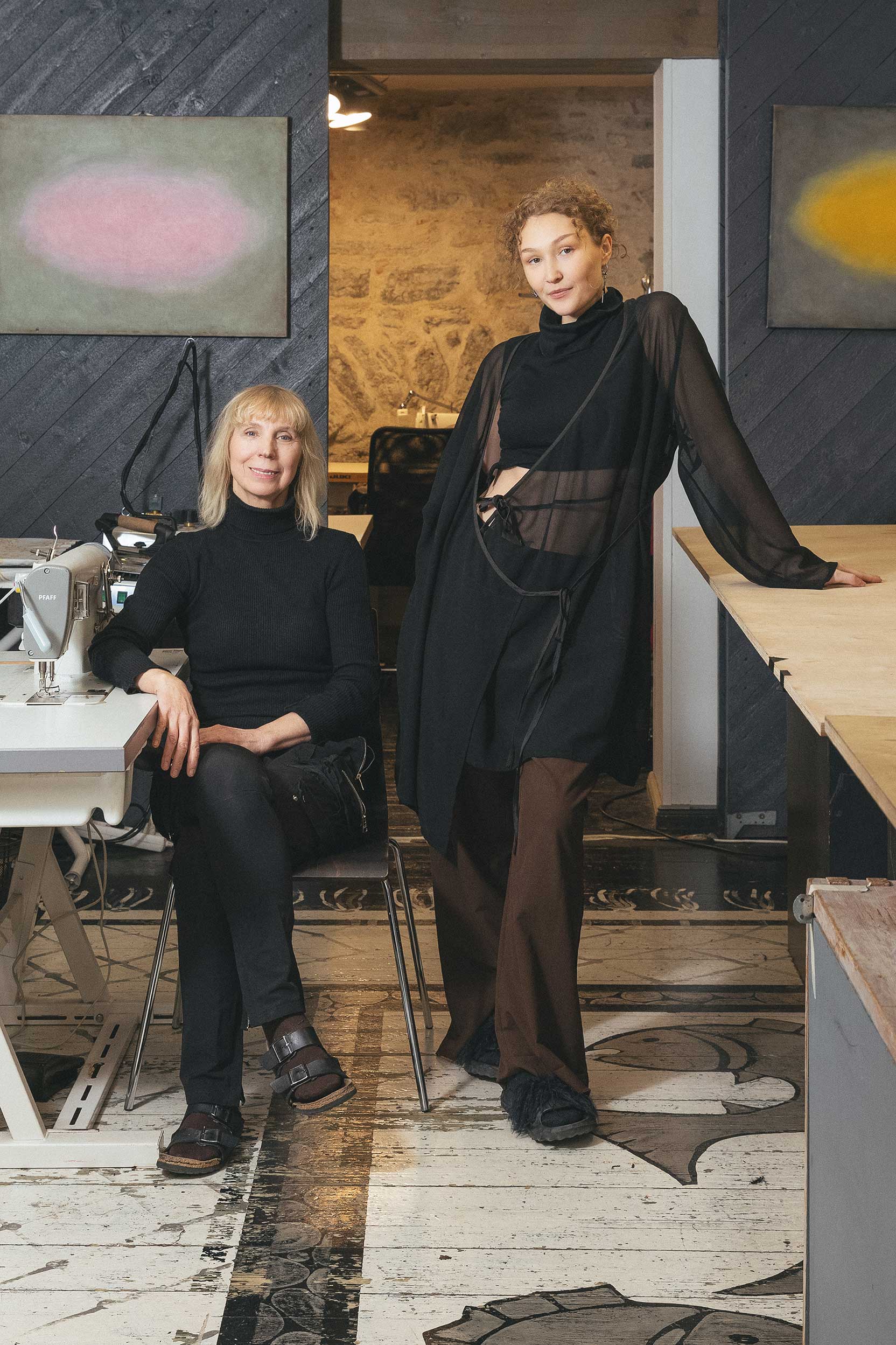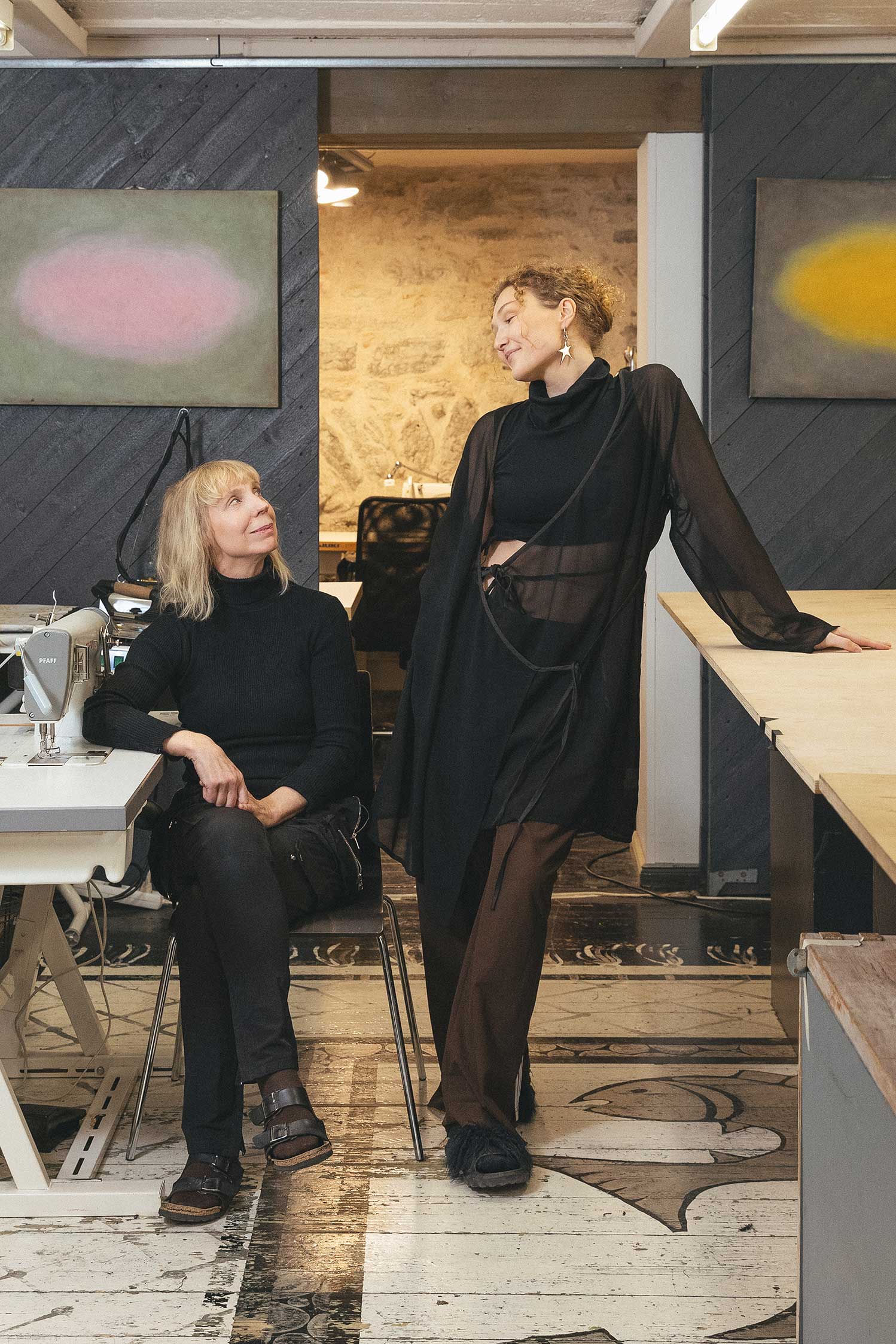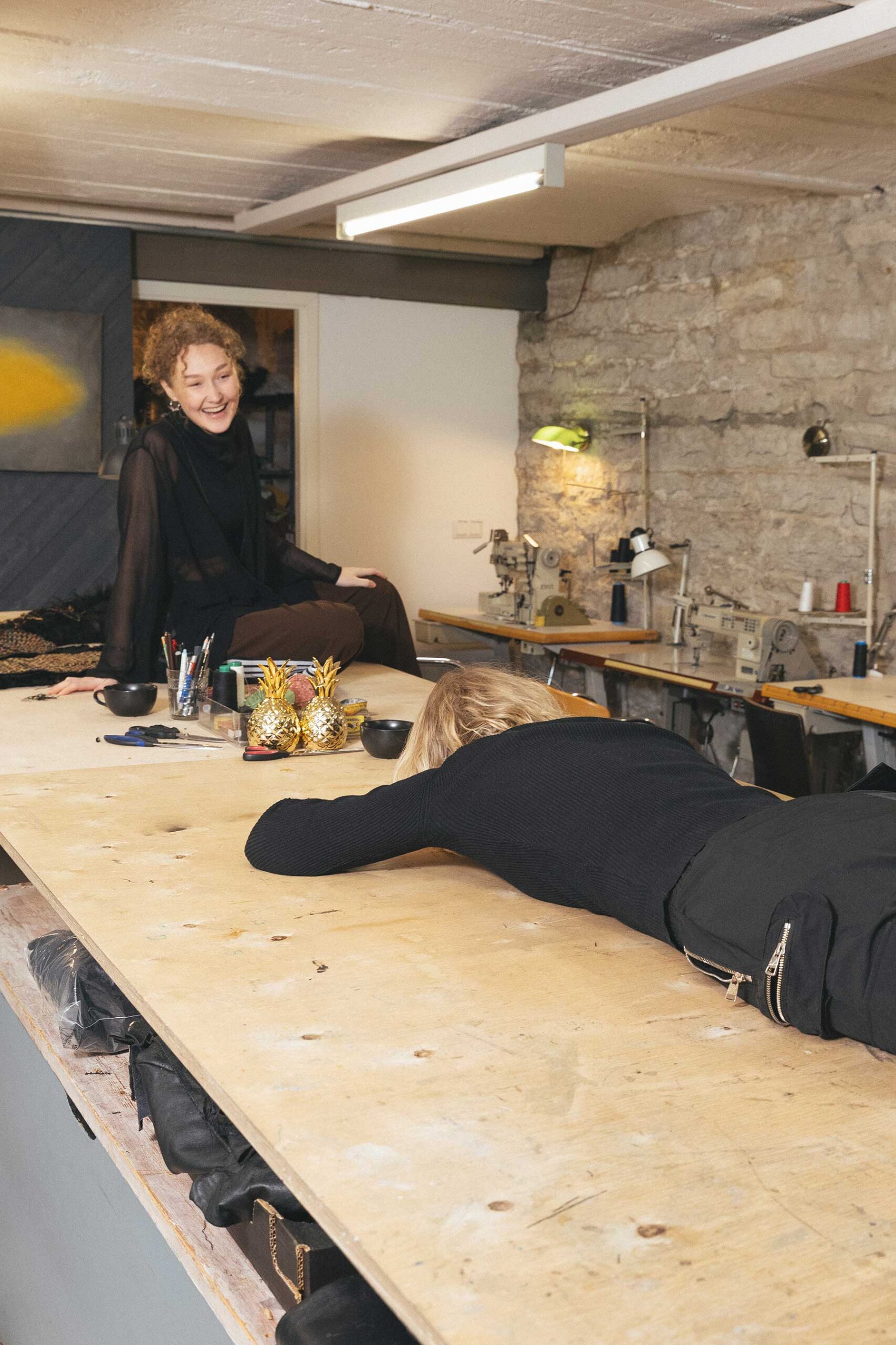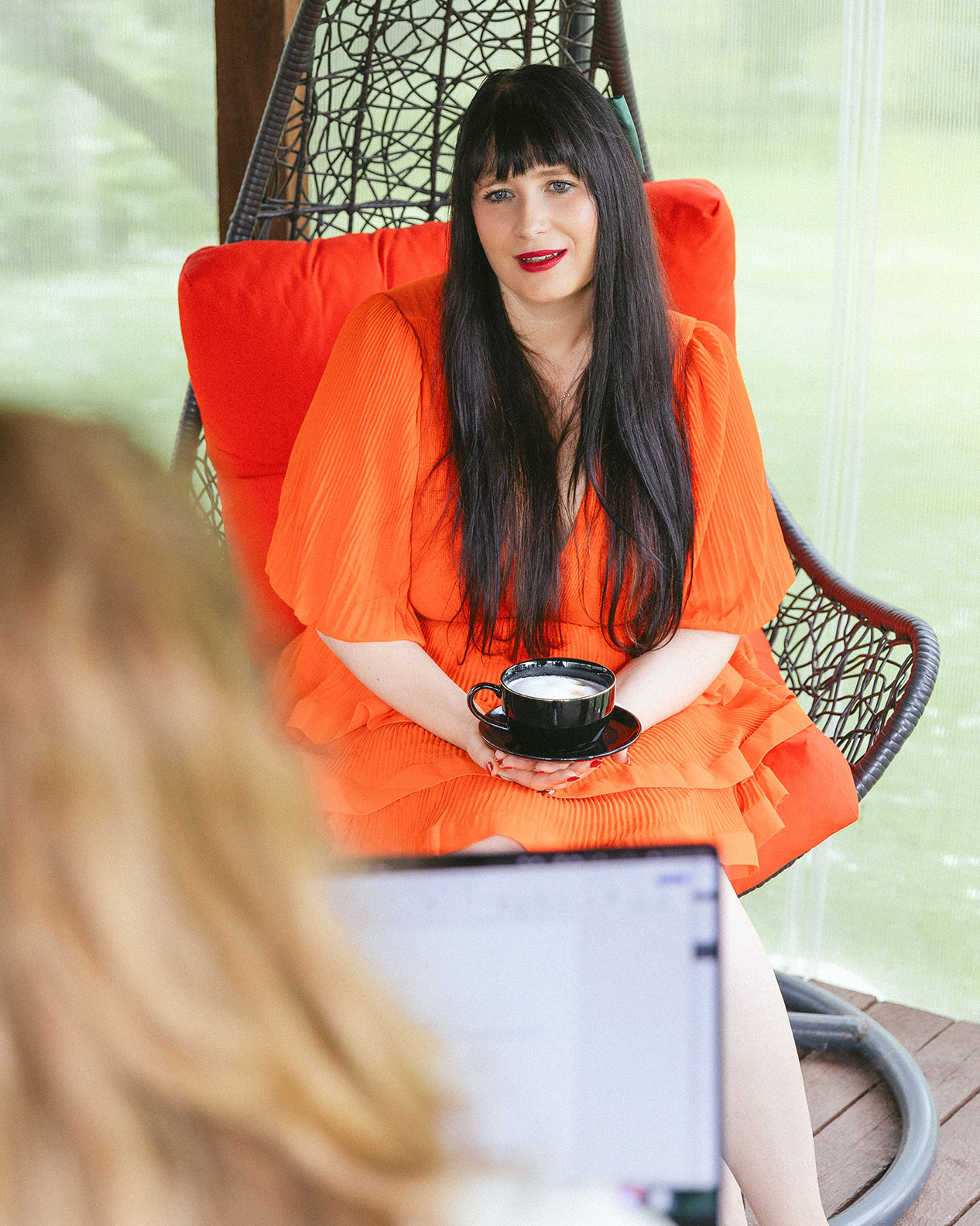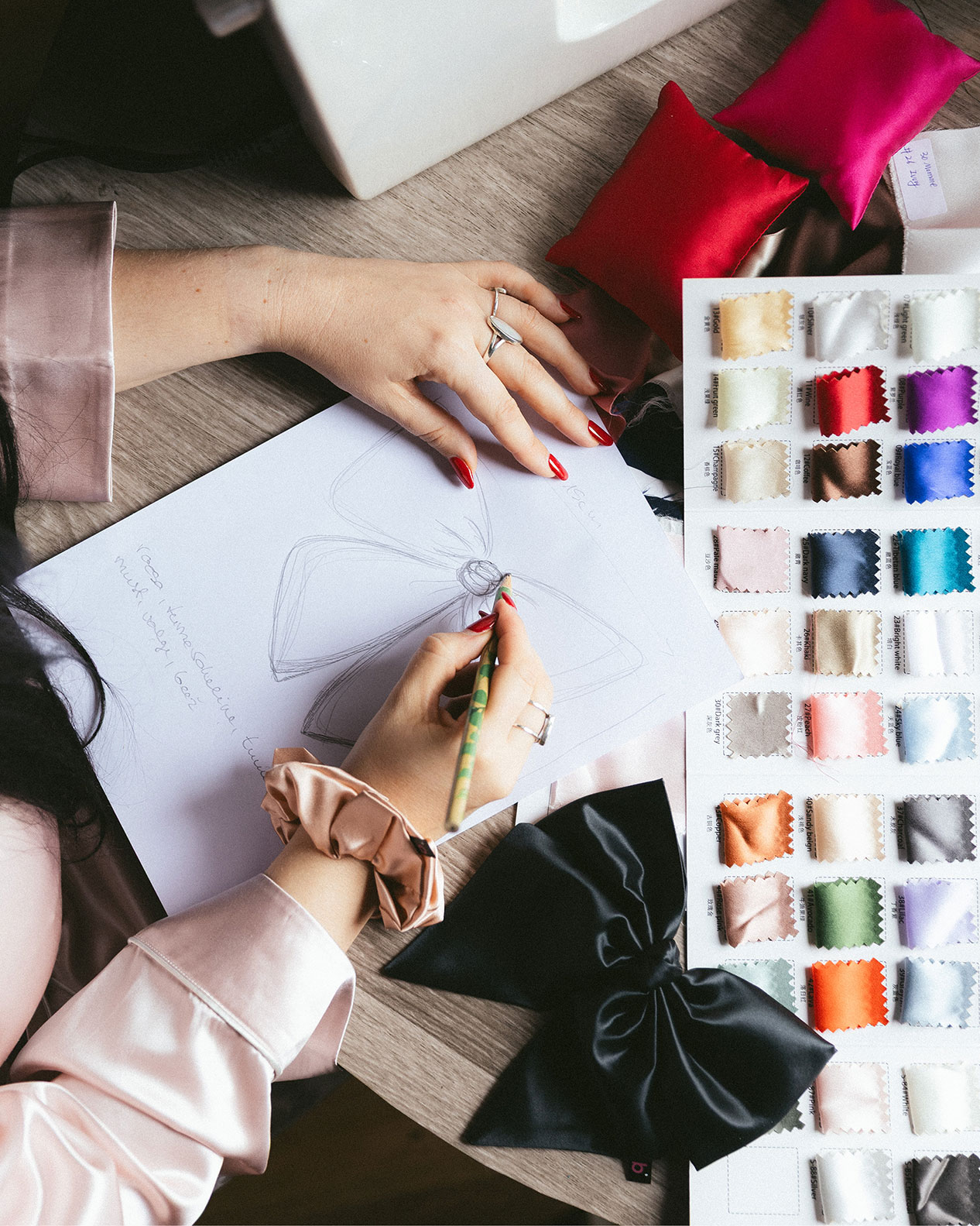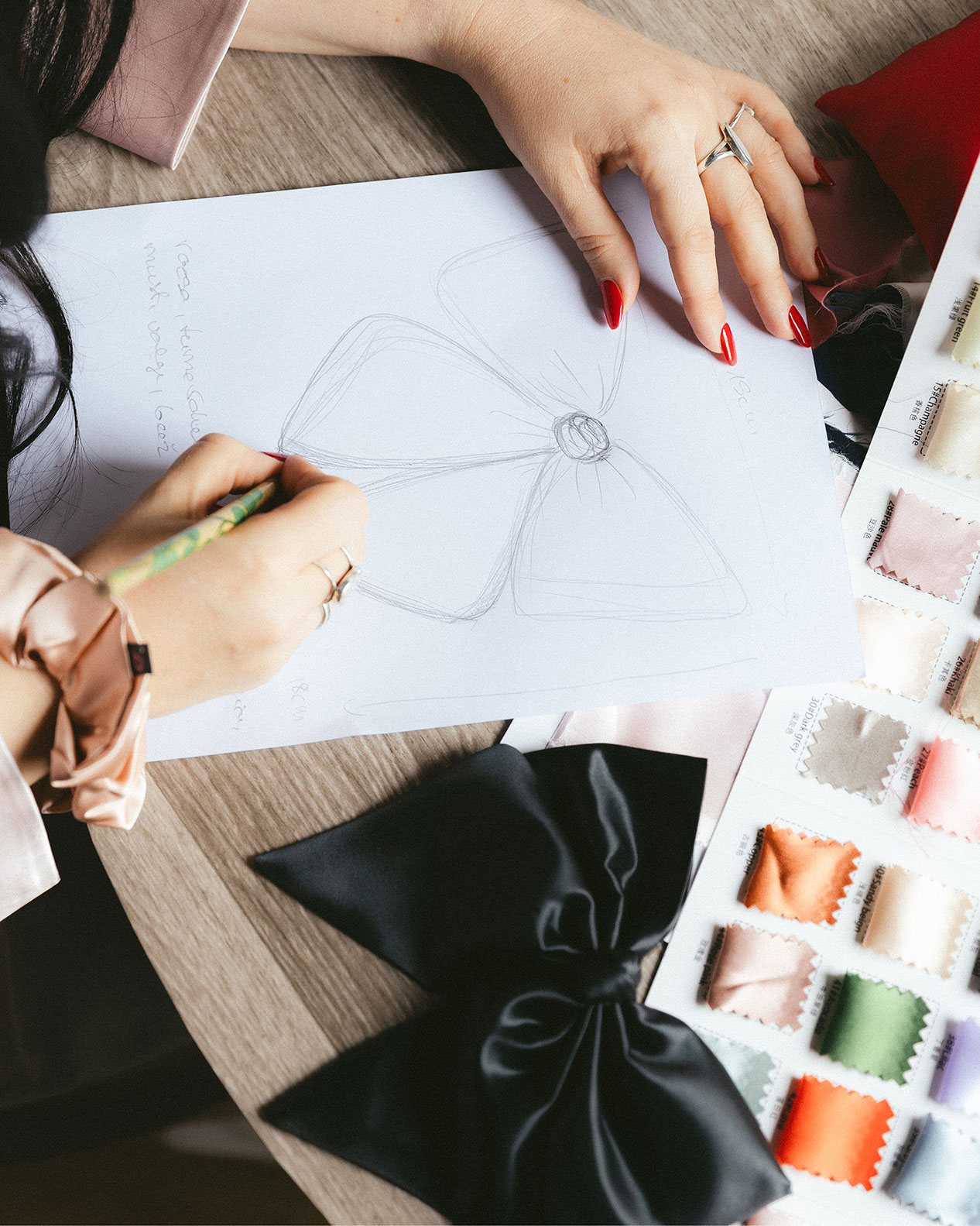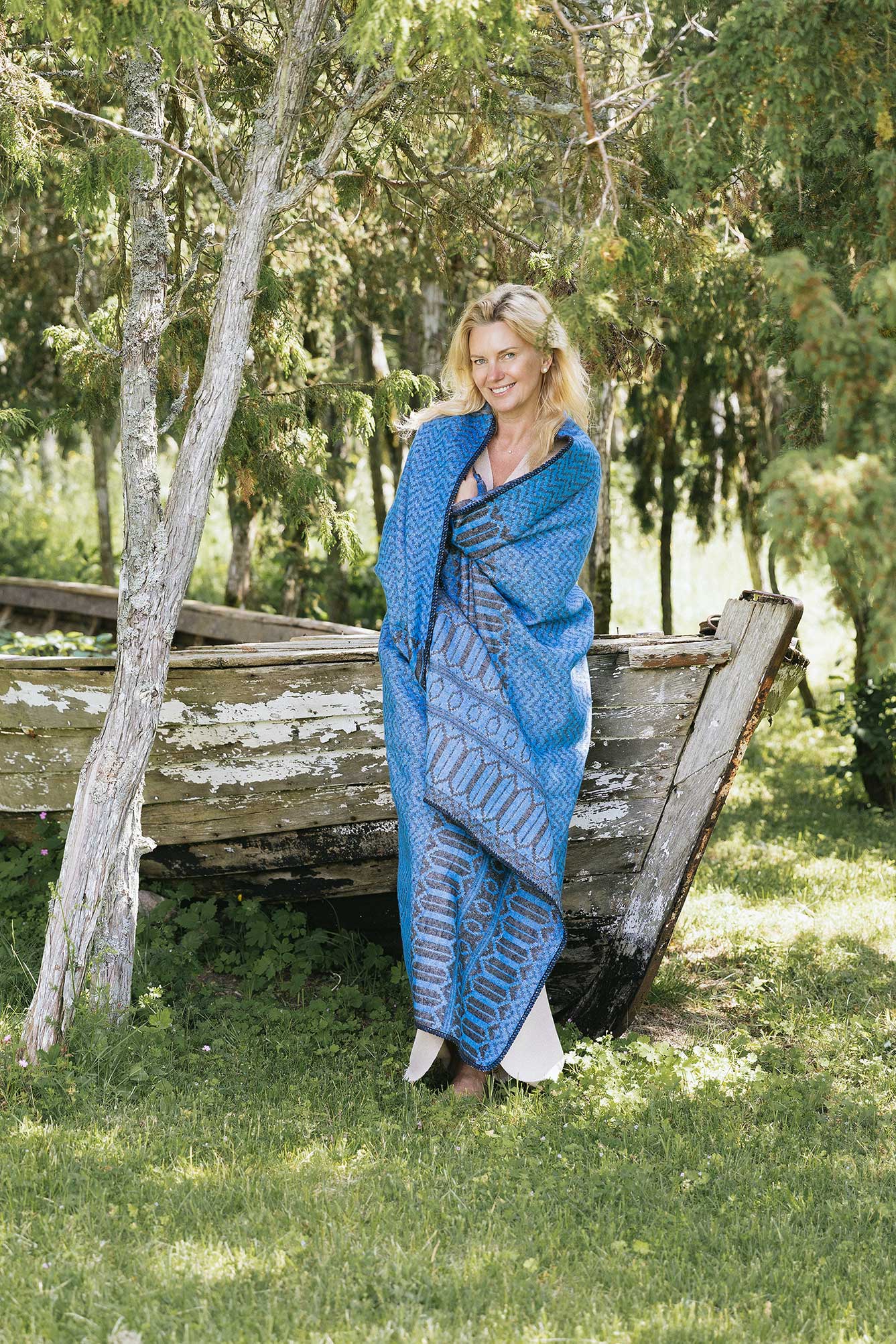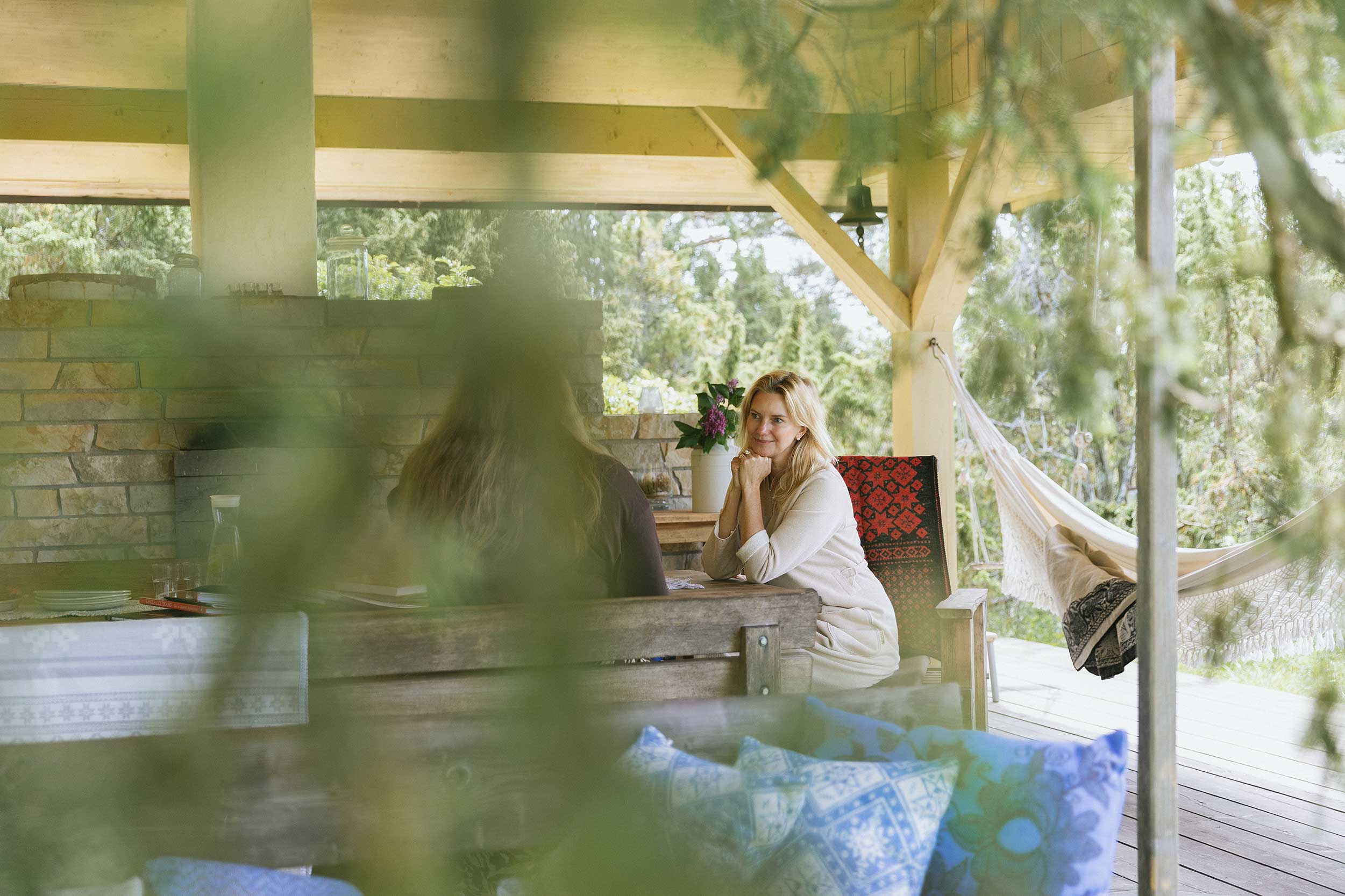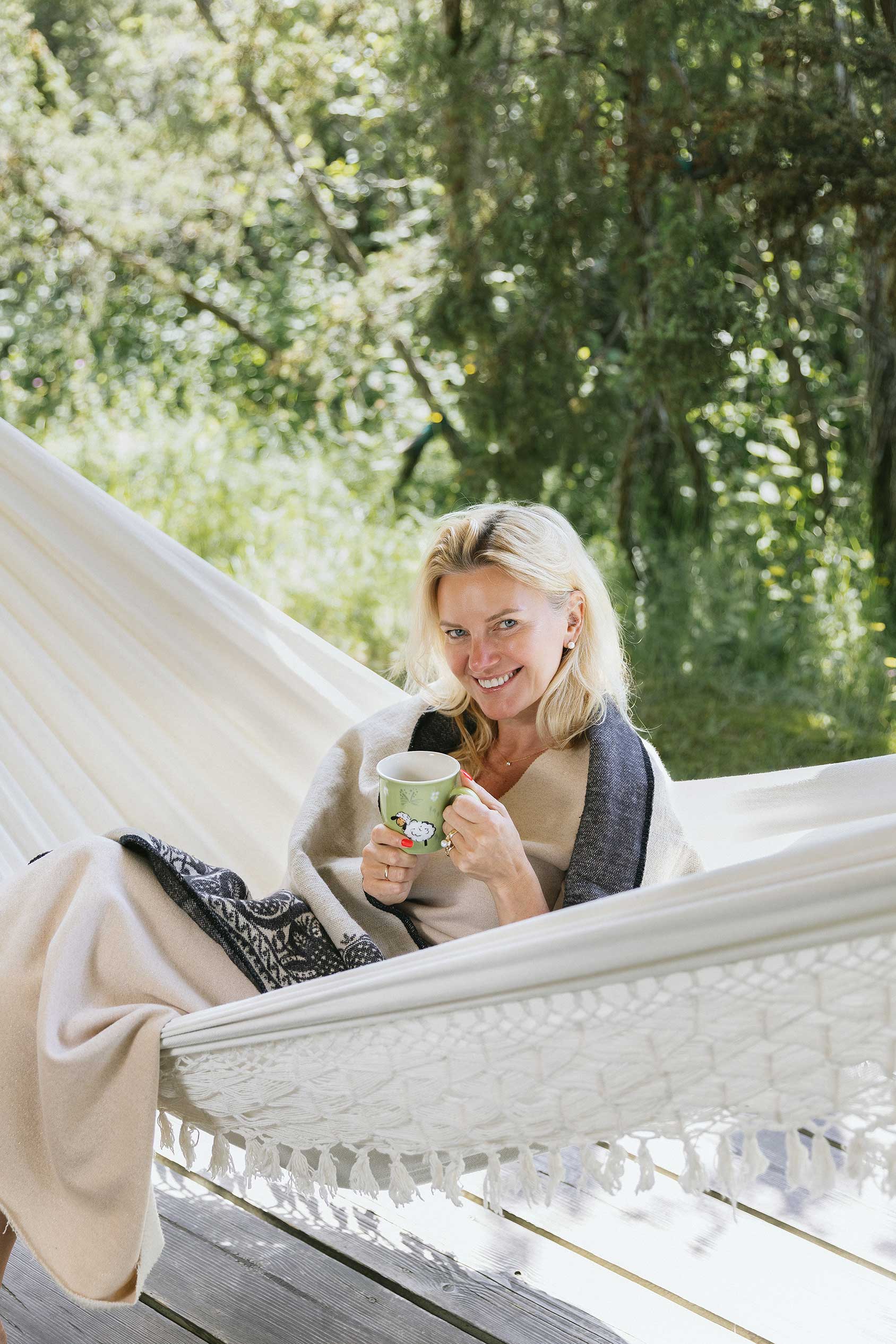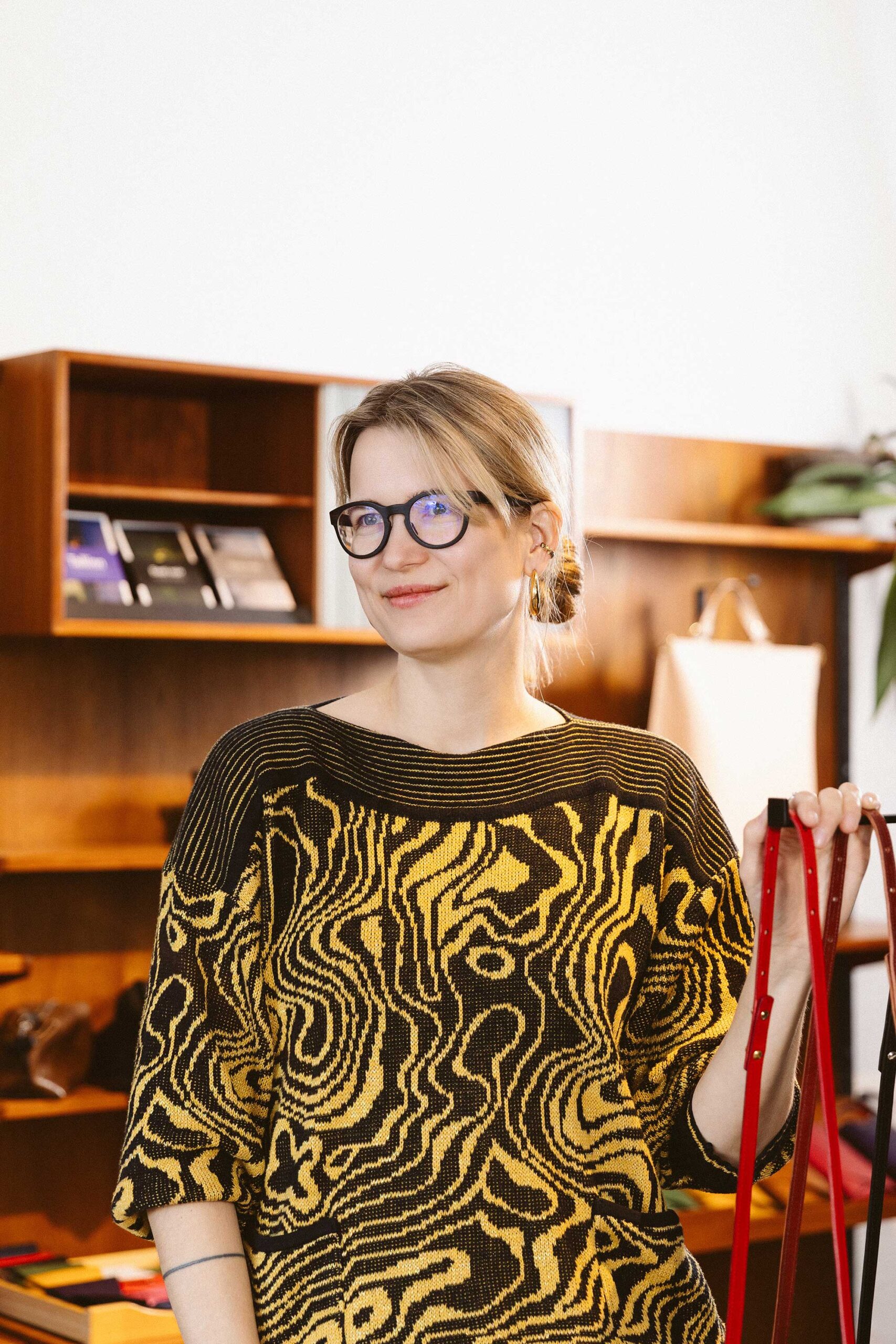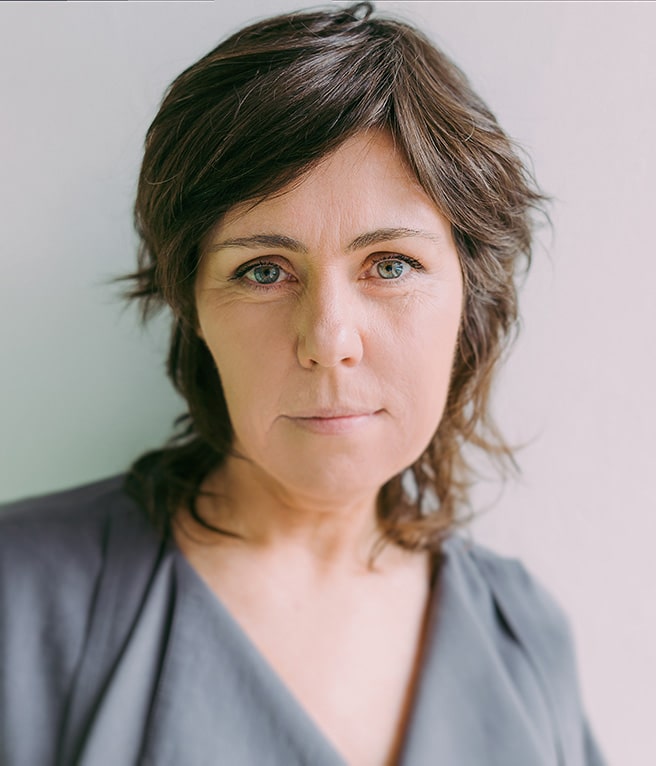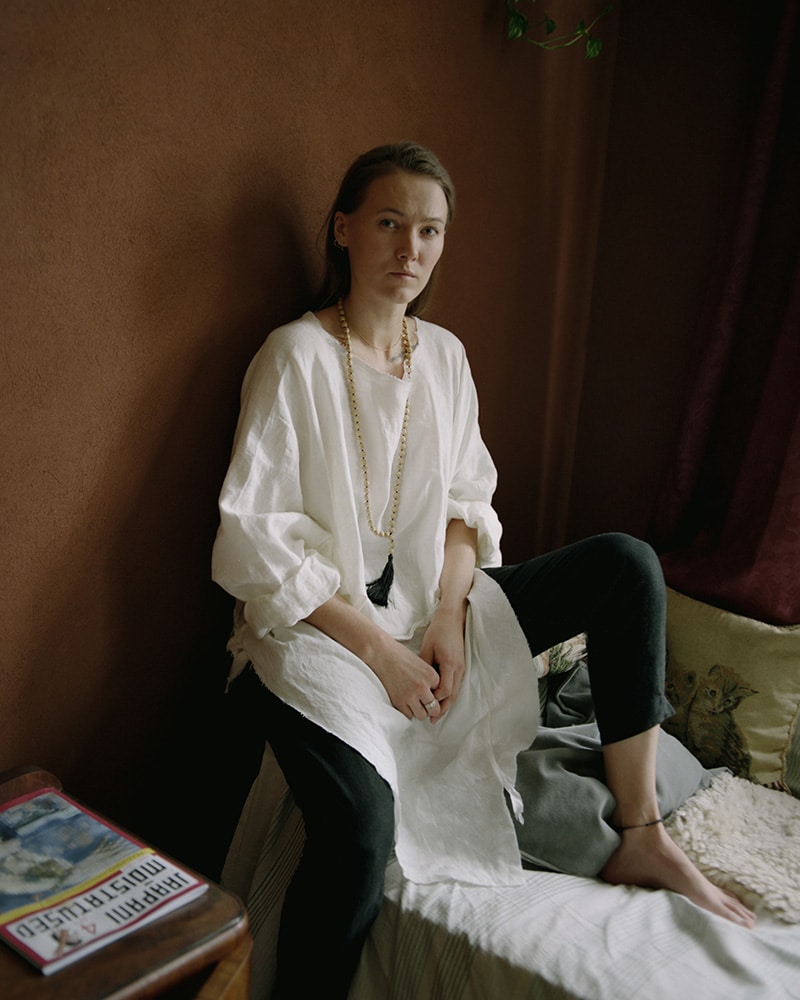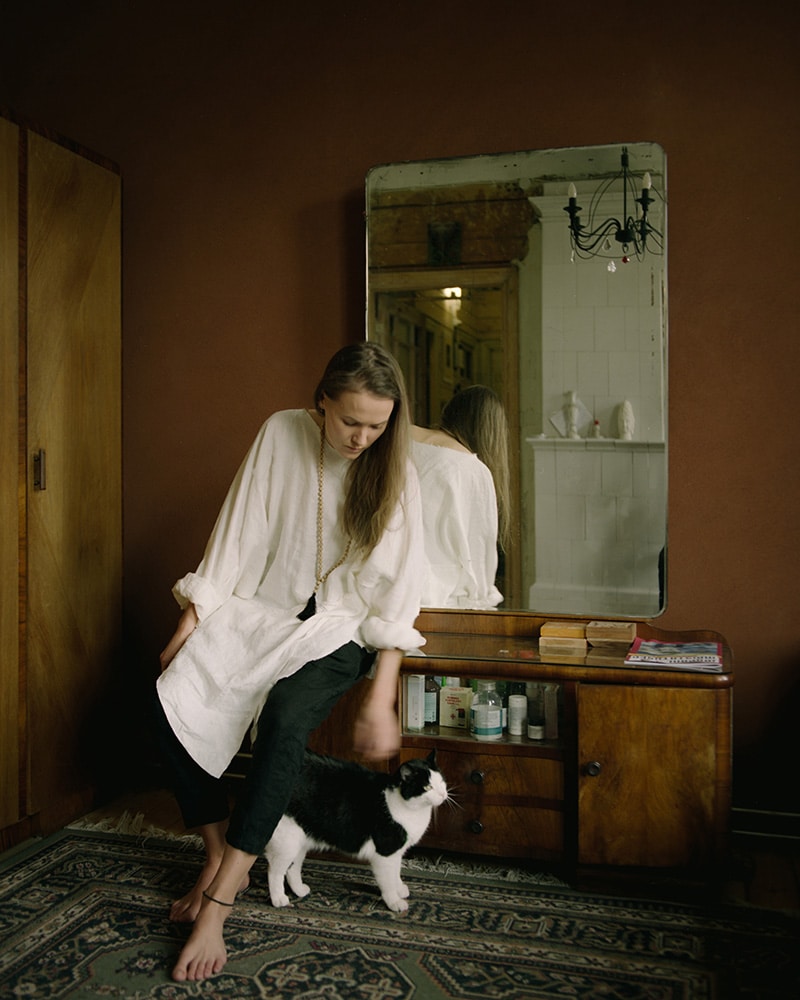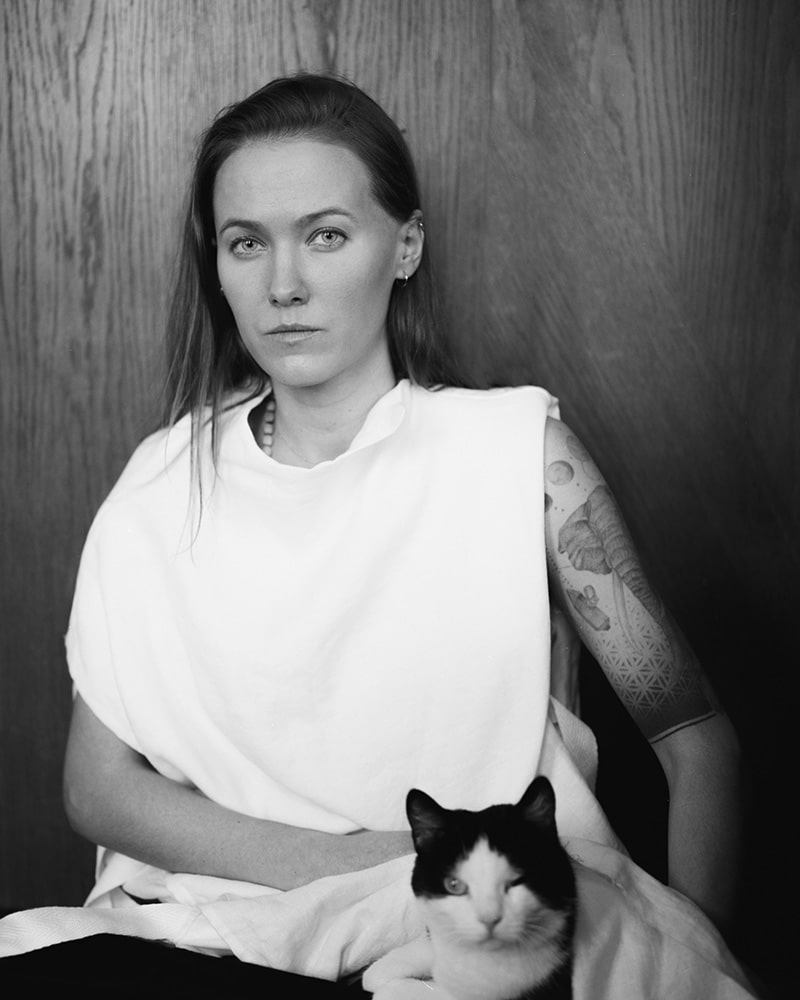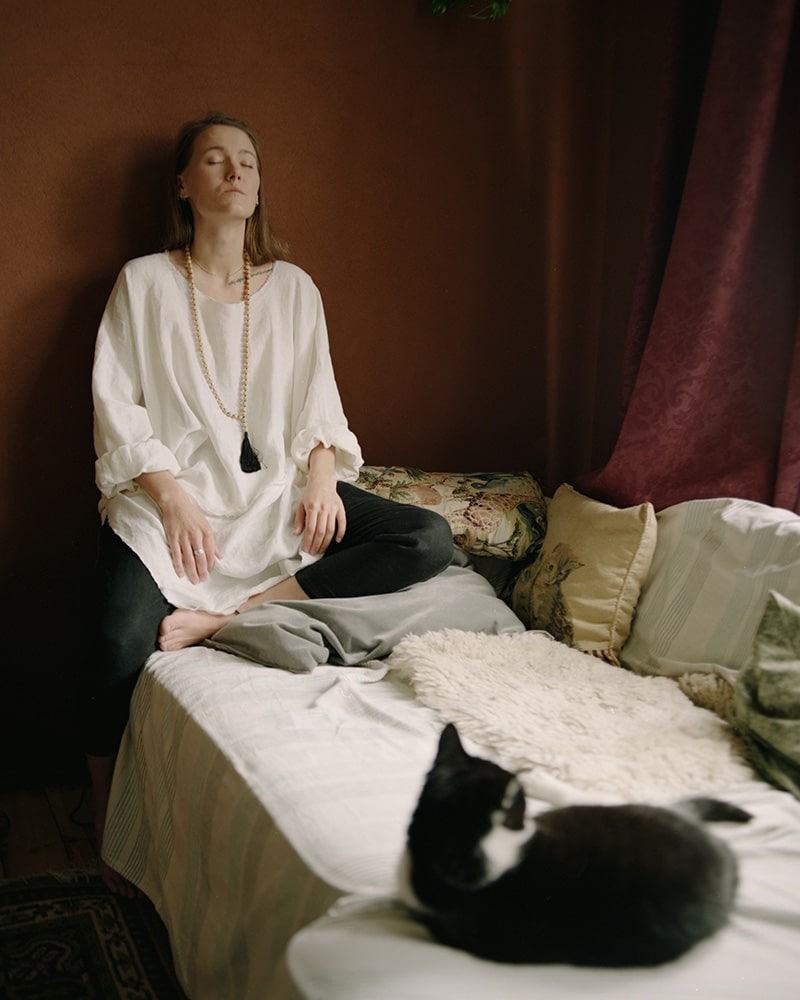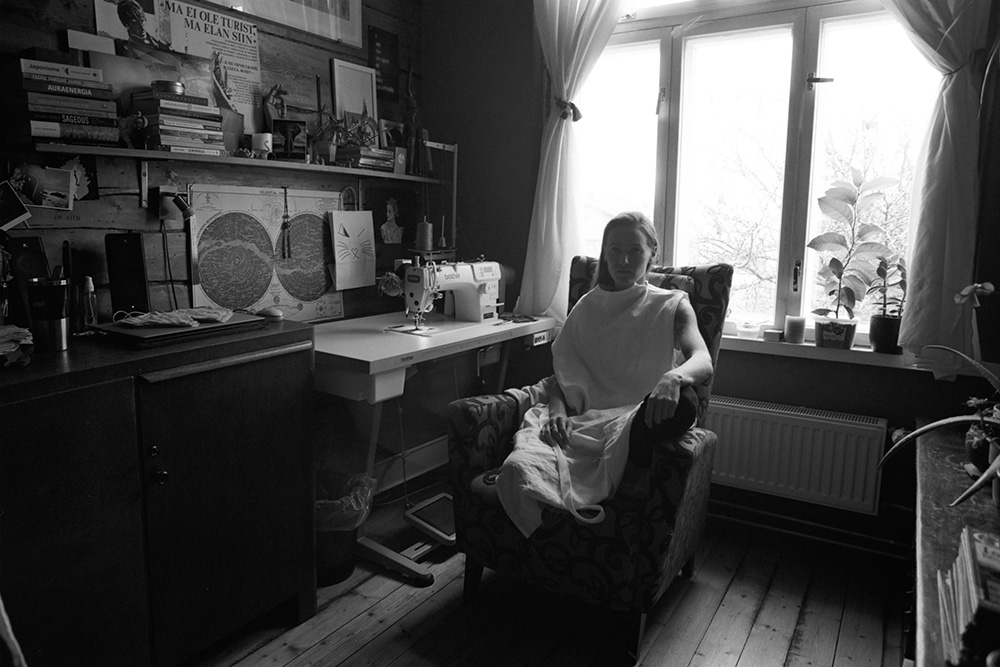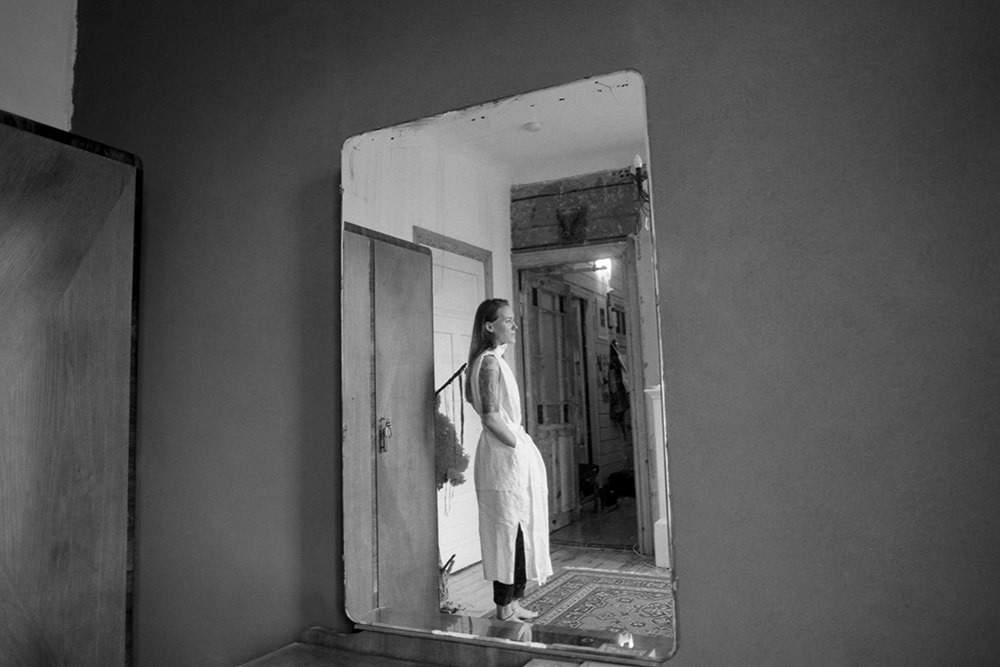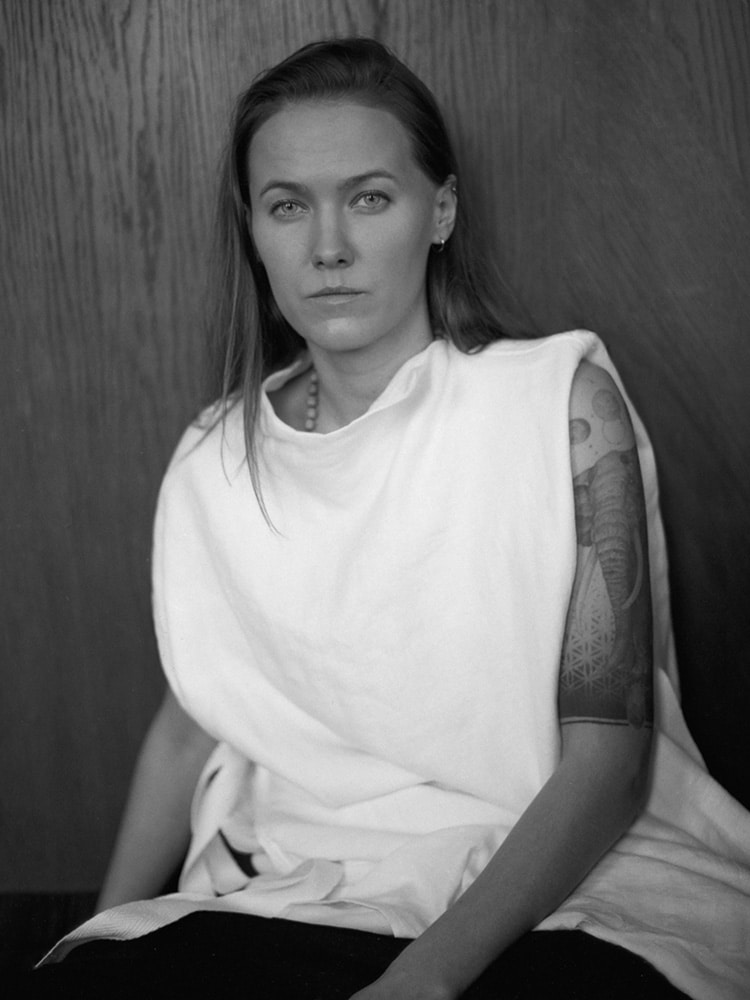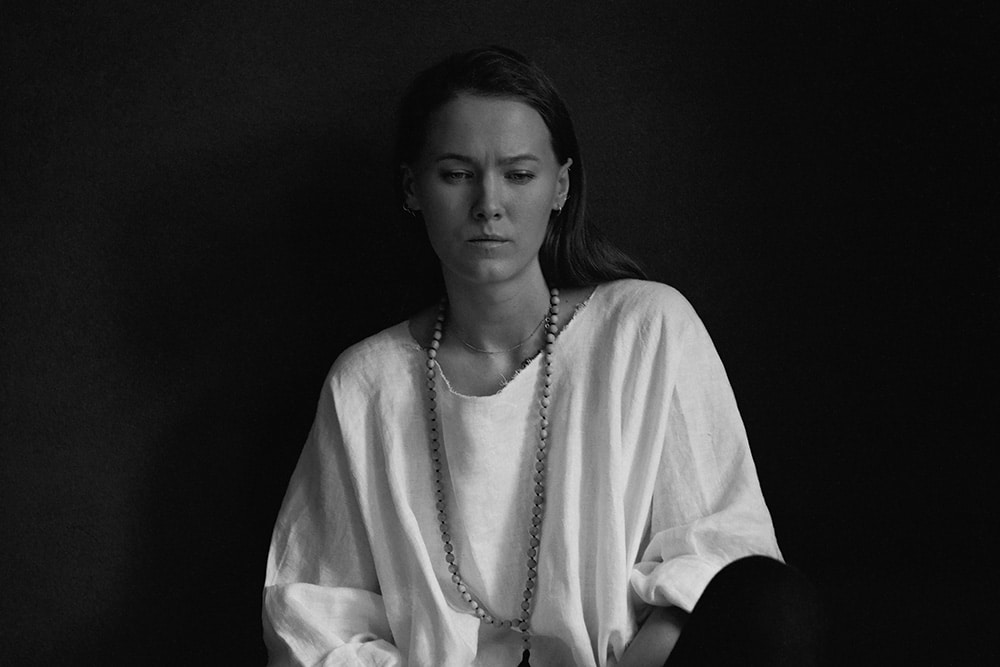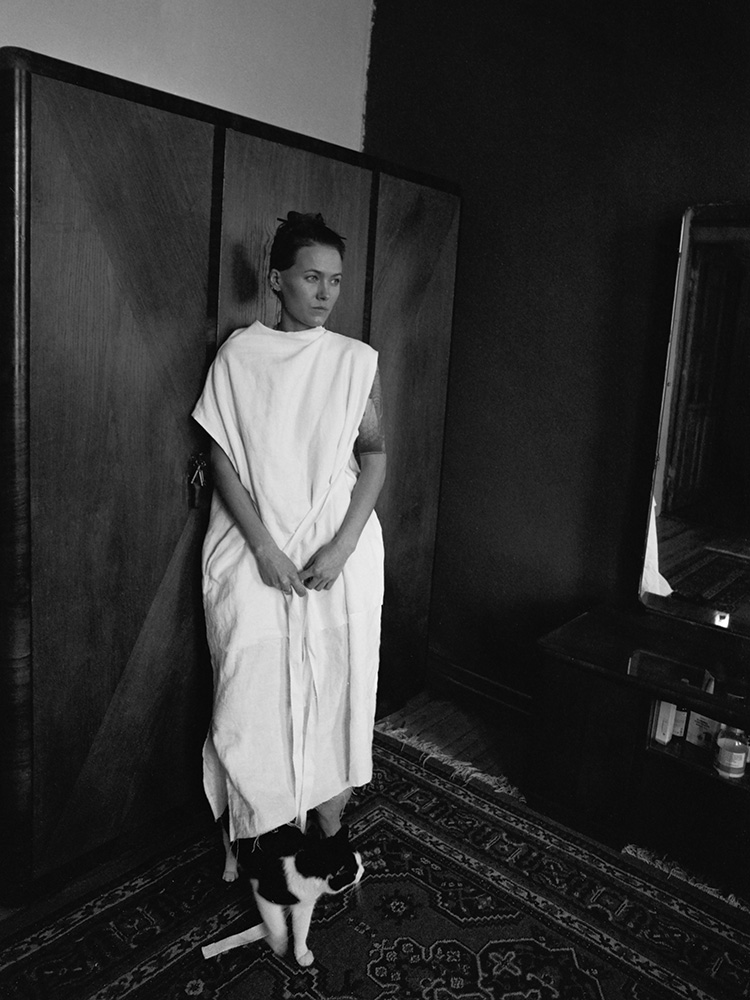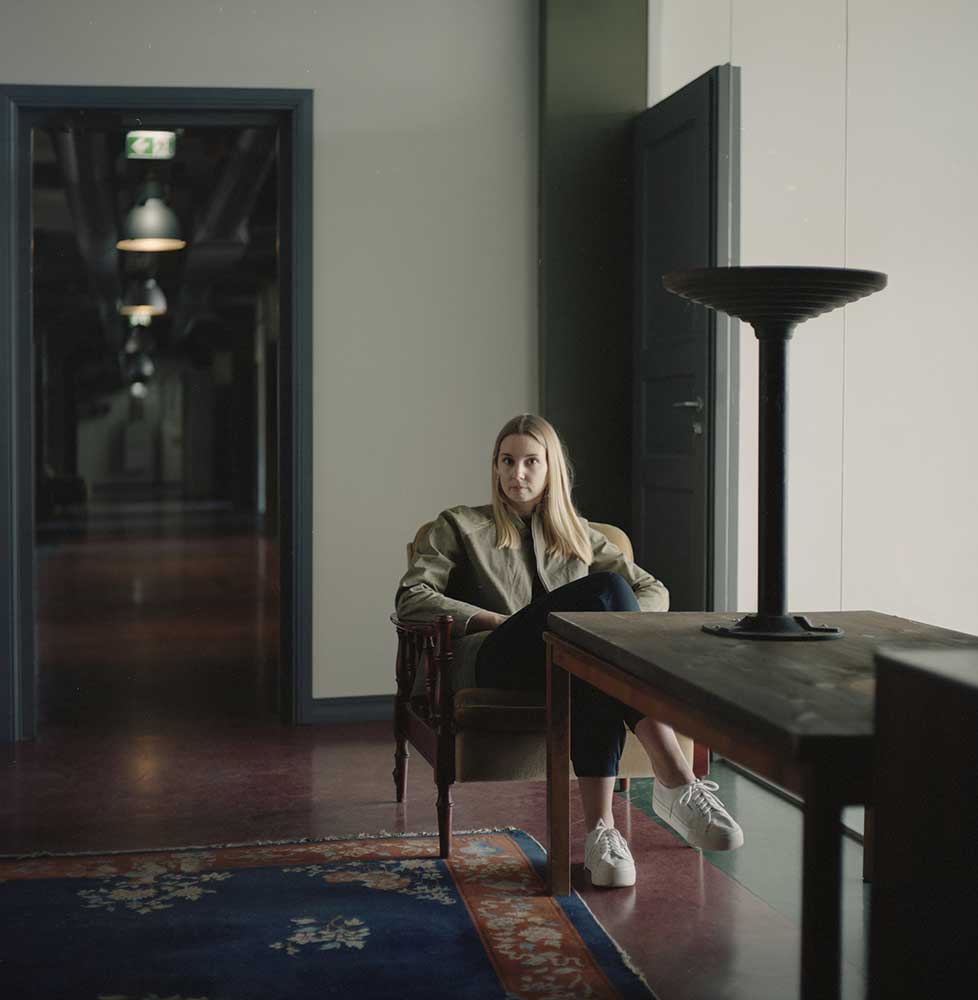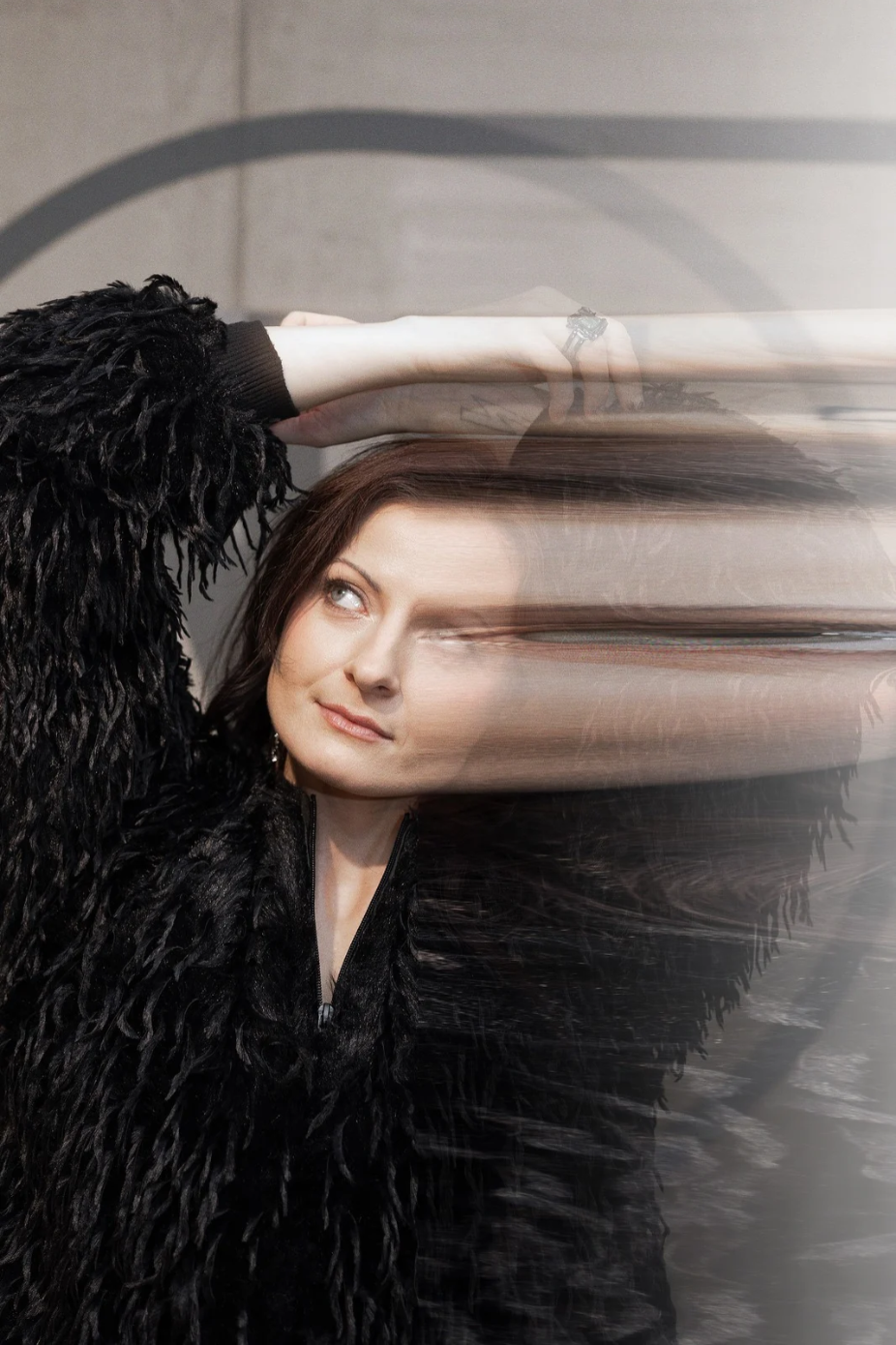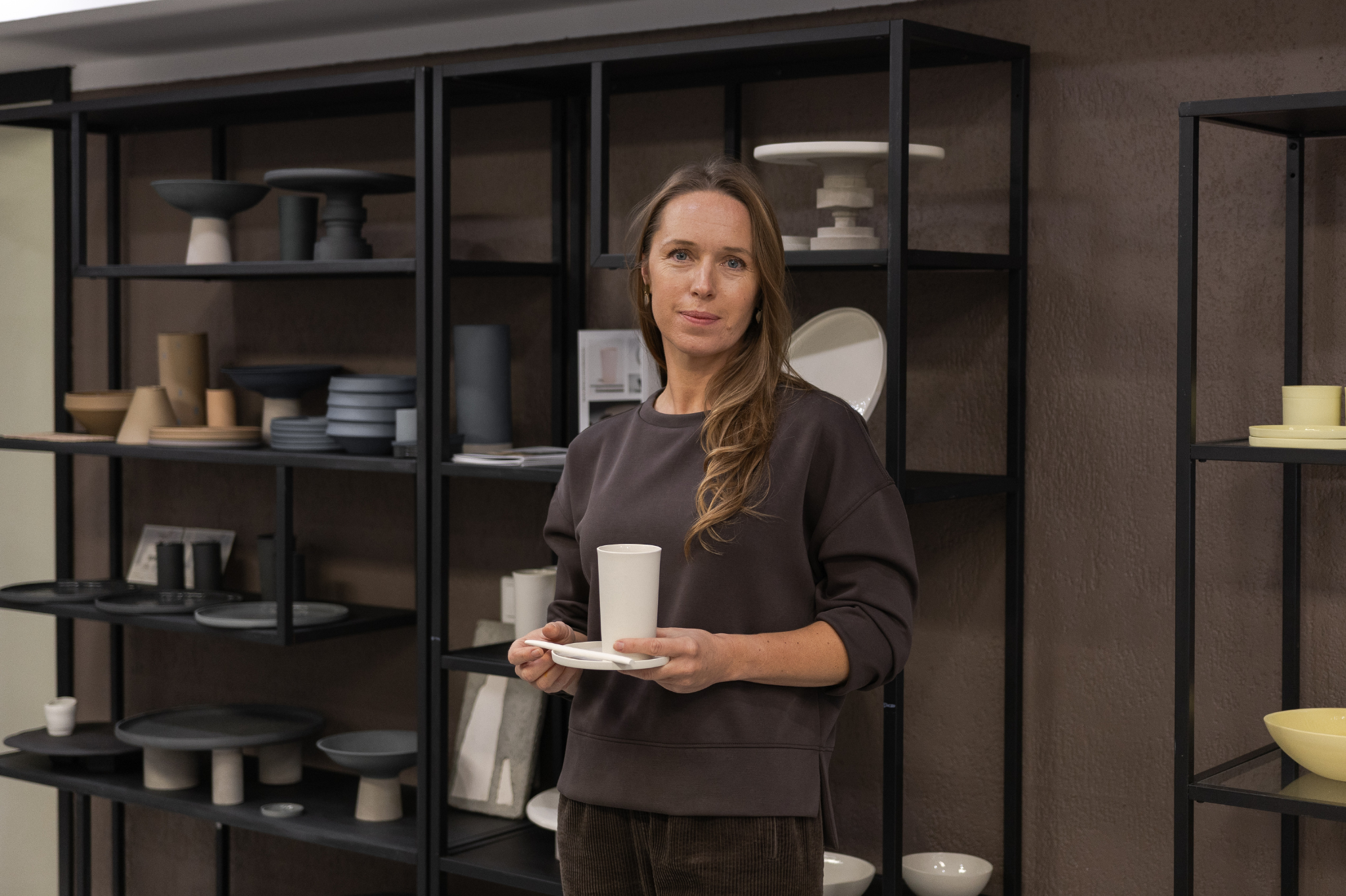
Artist Series puts the spotlight on Mariana Laane, founder and creative mind behind Nüüd Ceramics, and her contemporary world of porcelain, where minimalist design, creativity and the art of patience come together. We meet Mariana in her Tallinn studio to discover the story behind Nüüd Ceramics and learn how a simple desire to create something of her own grew into a distinctive ceramics brand with more than a decade of history.
Nüüd Ceramics was founded in 2014, when Mariana graduated from the Estonian Academy of Arts and decided to establish her own studio. Her desire to bring her ideas to life independently and combine art with design naturally led her towards entrepreneurship. “I was quite impatient and couldn’t wait to start expressing my ideas through materials,” she recalls. The brand’s name was inspired by the concept of contemporary ceramics. Mariana wanted to show that ceramics could be modern, minimalist and perfectly suited to contemporary interiors.
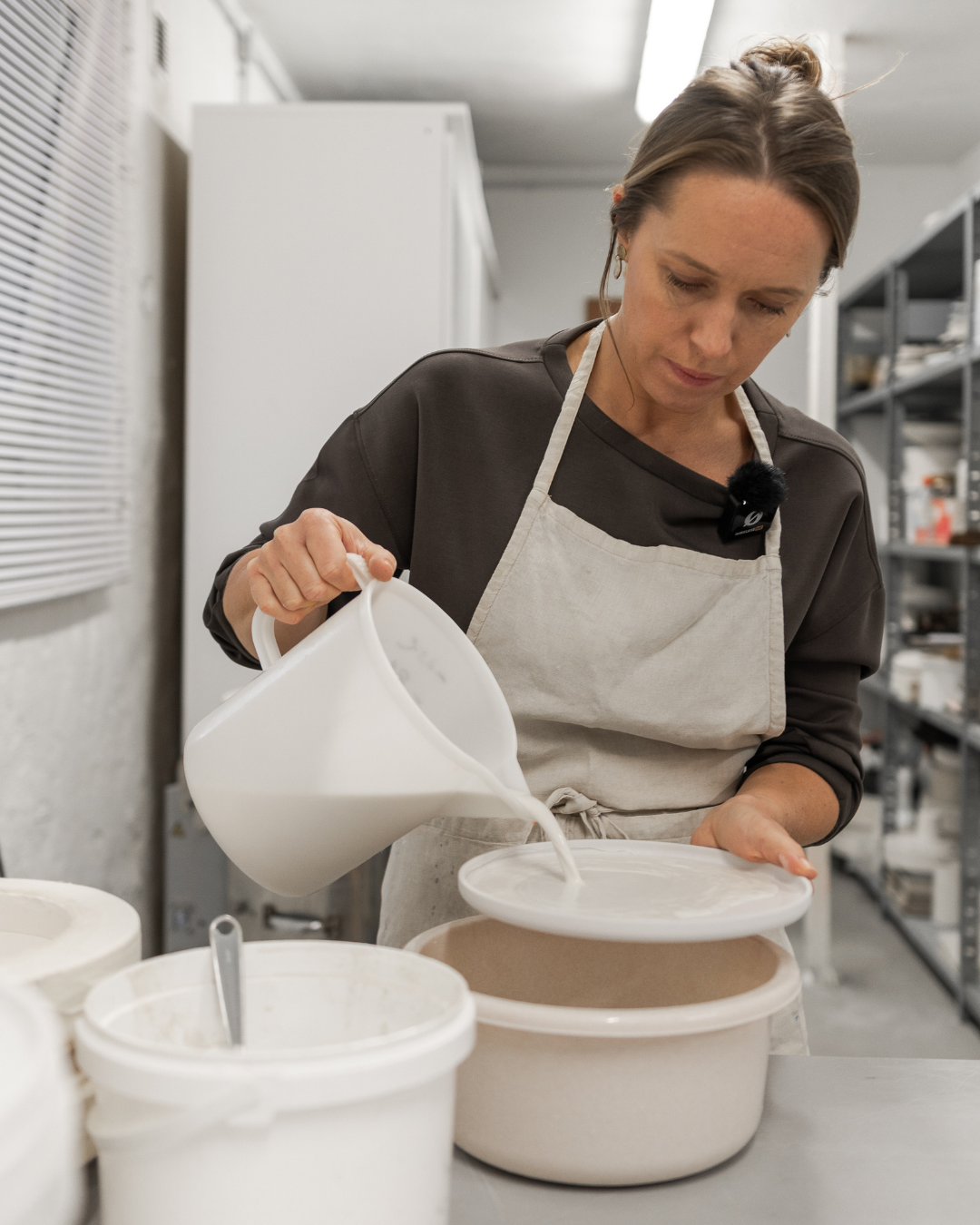
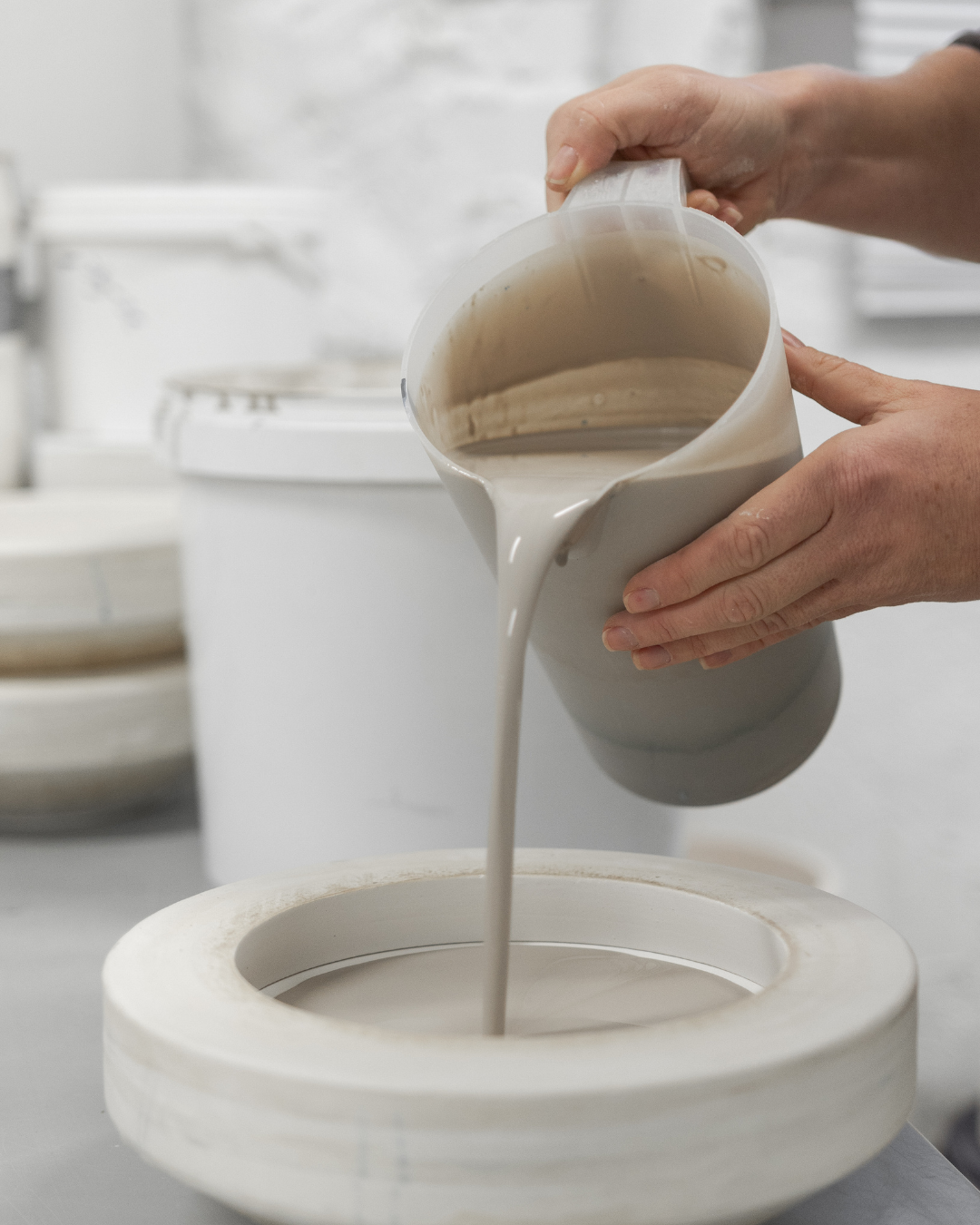
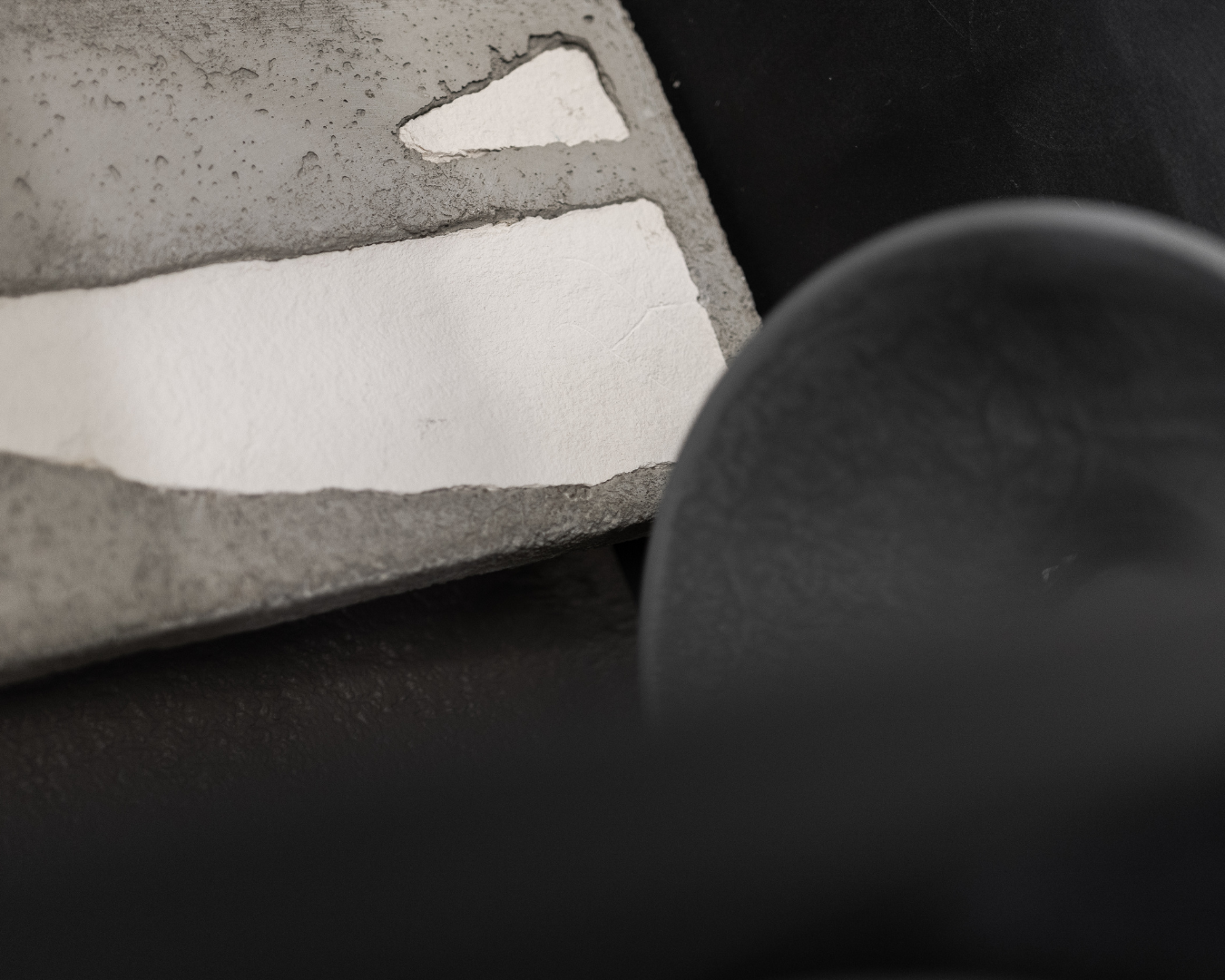
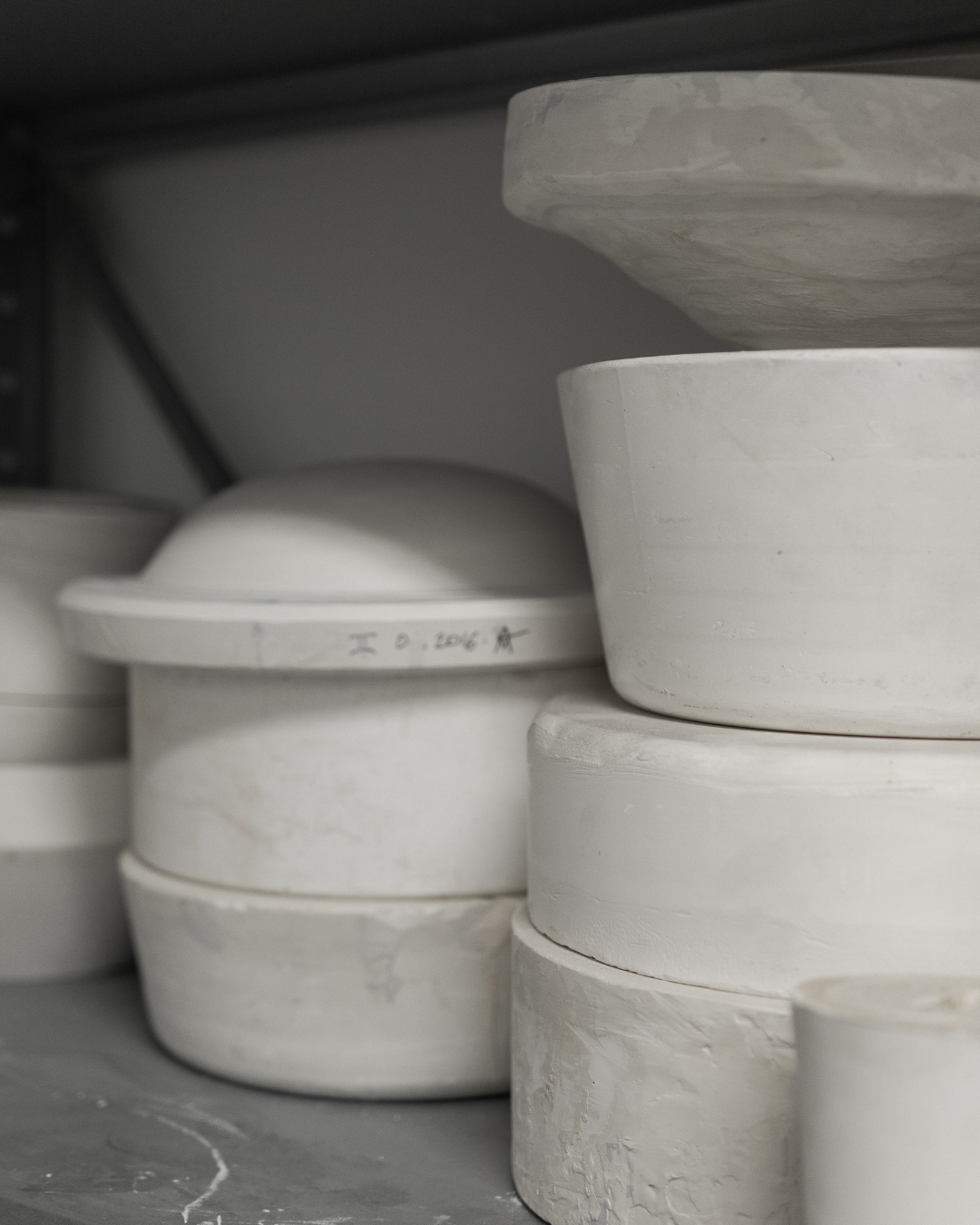
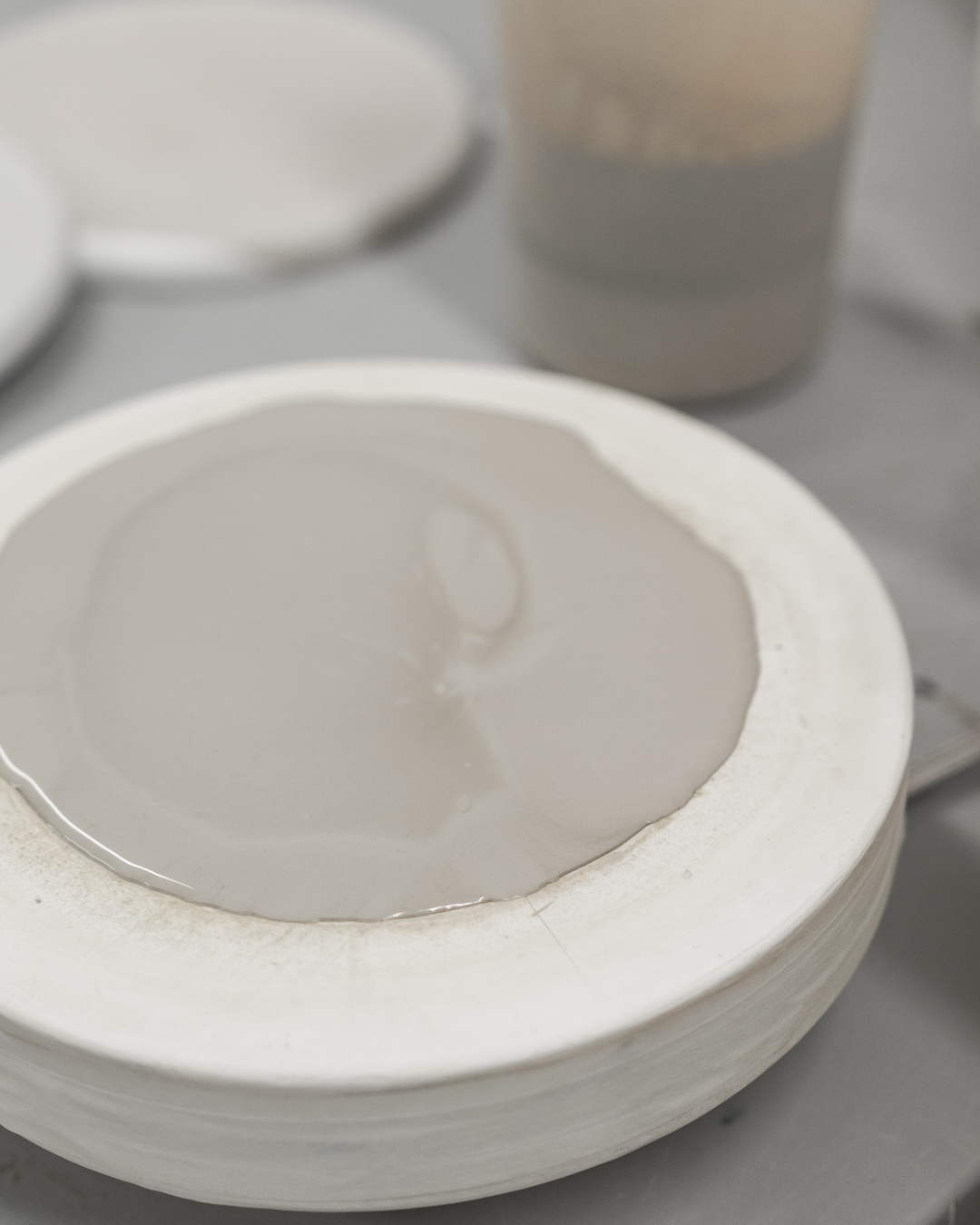
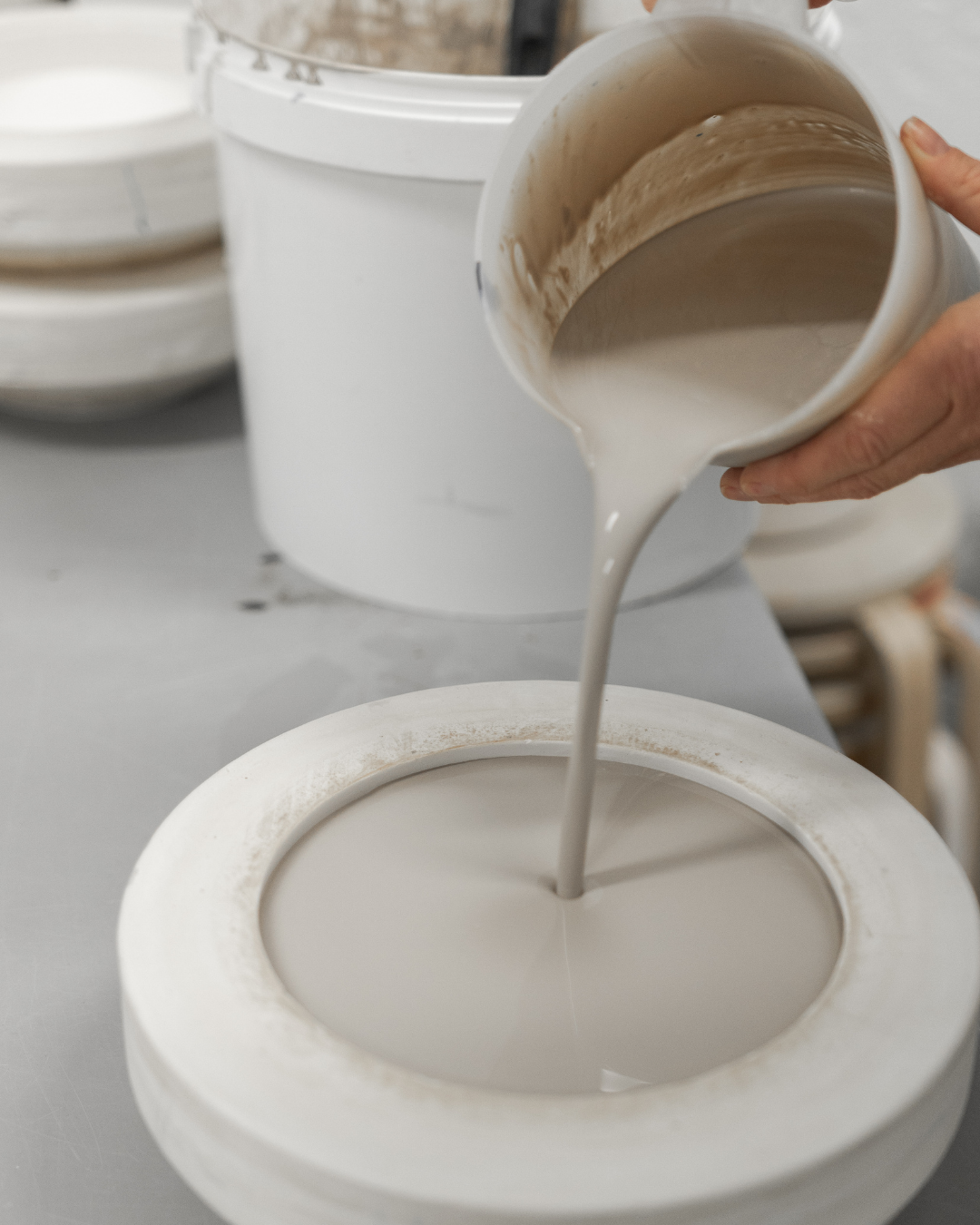
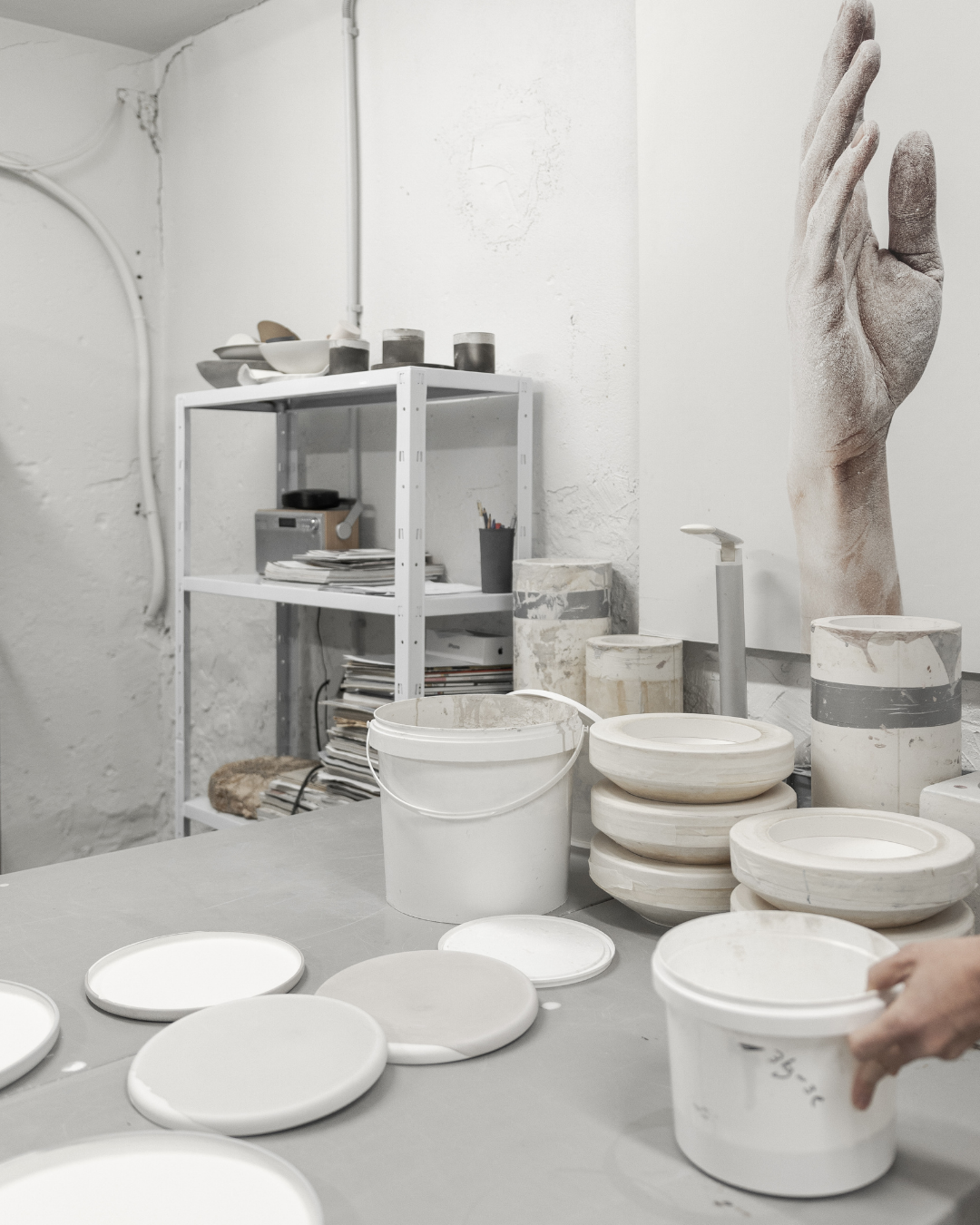
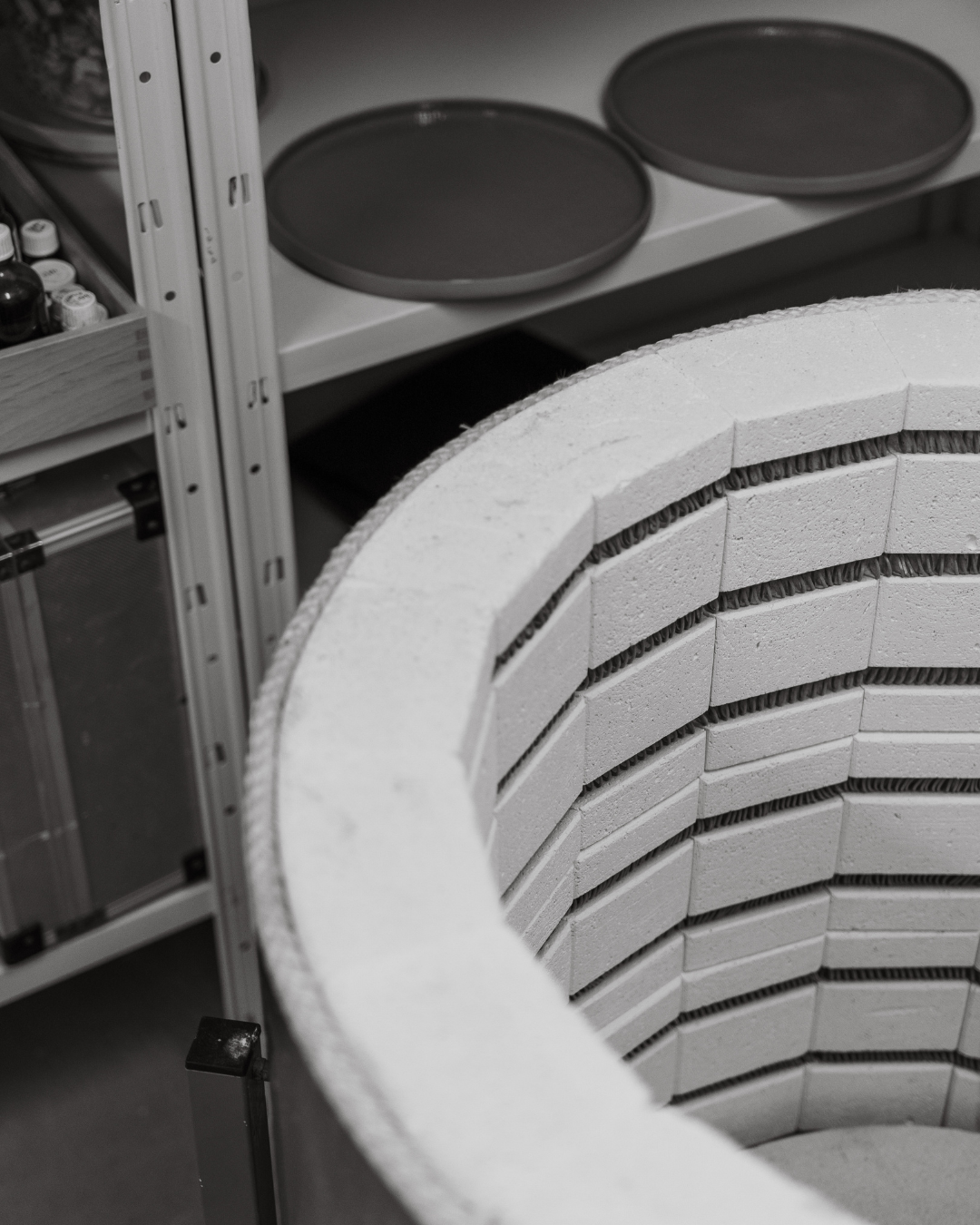
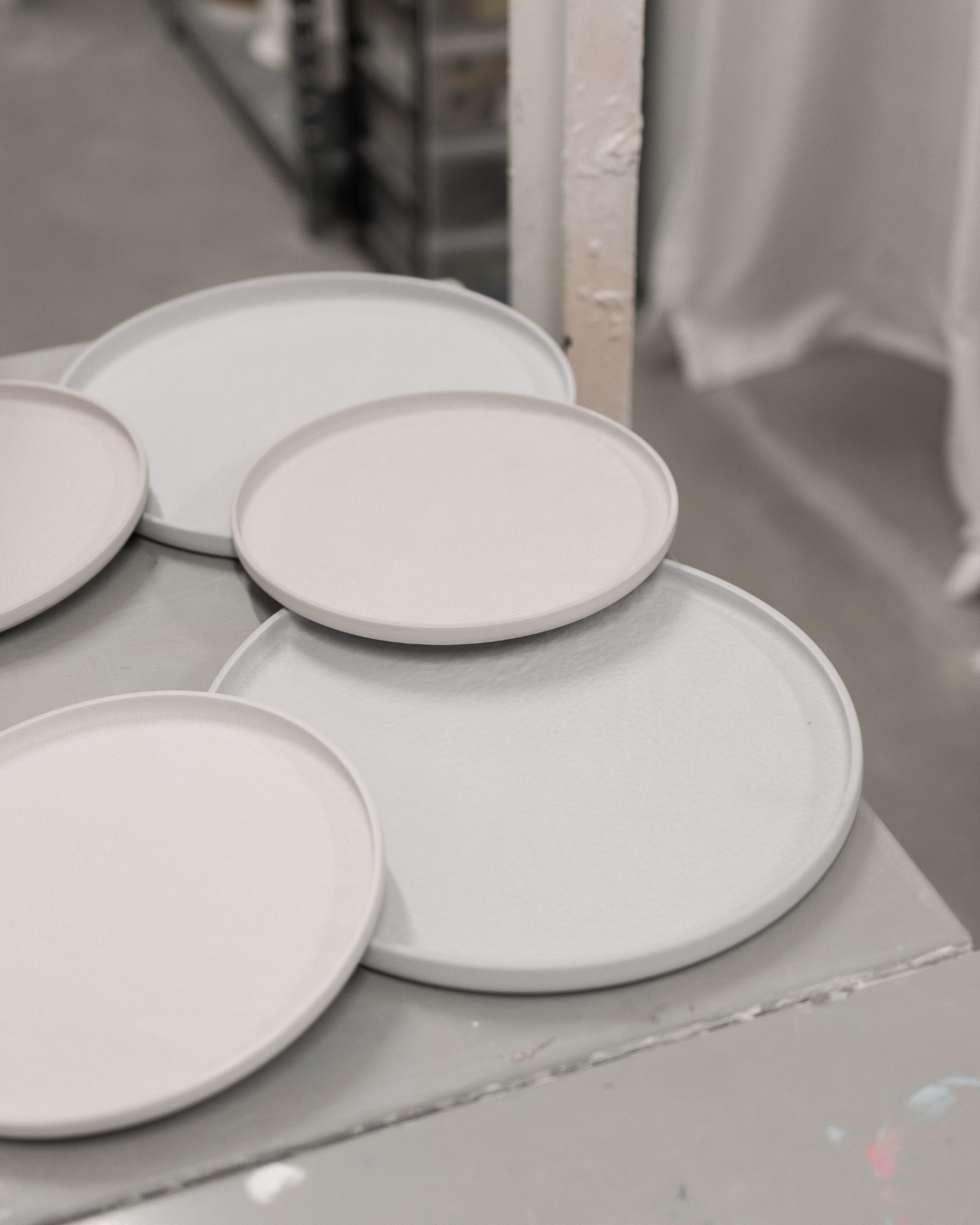
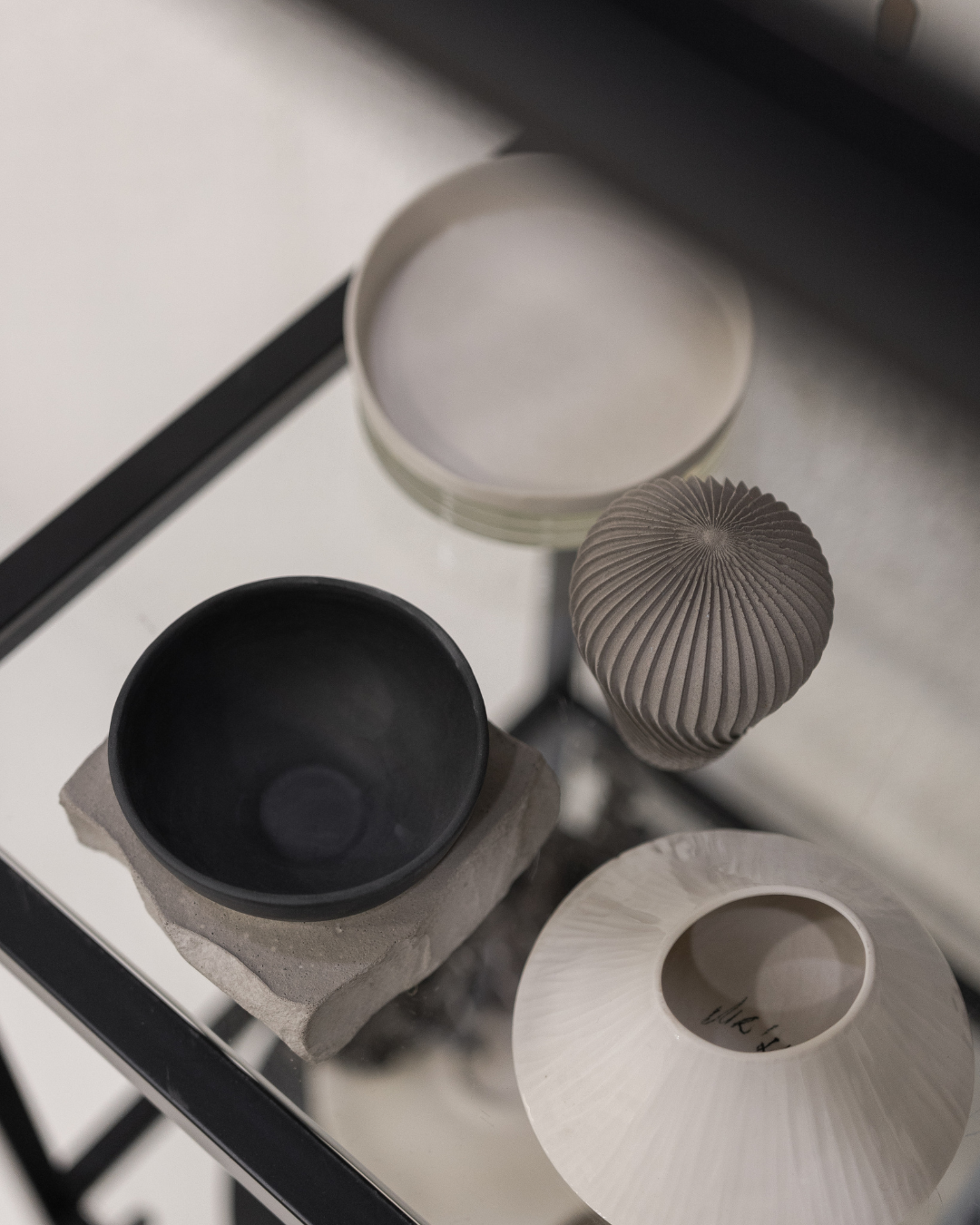
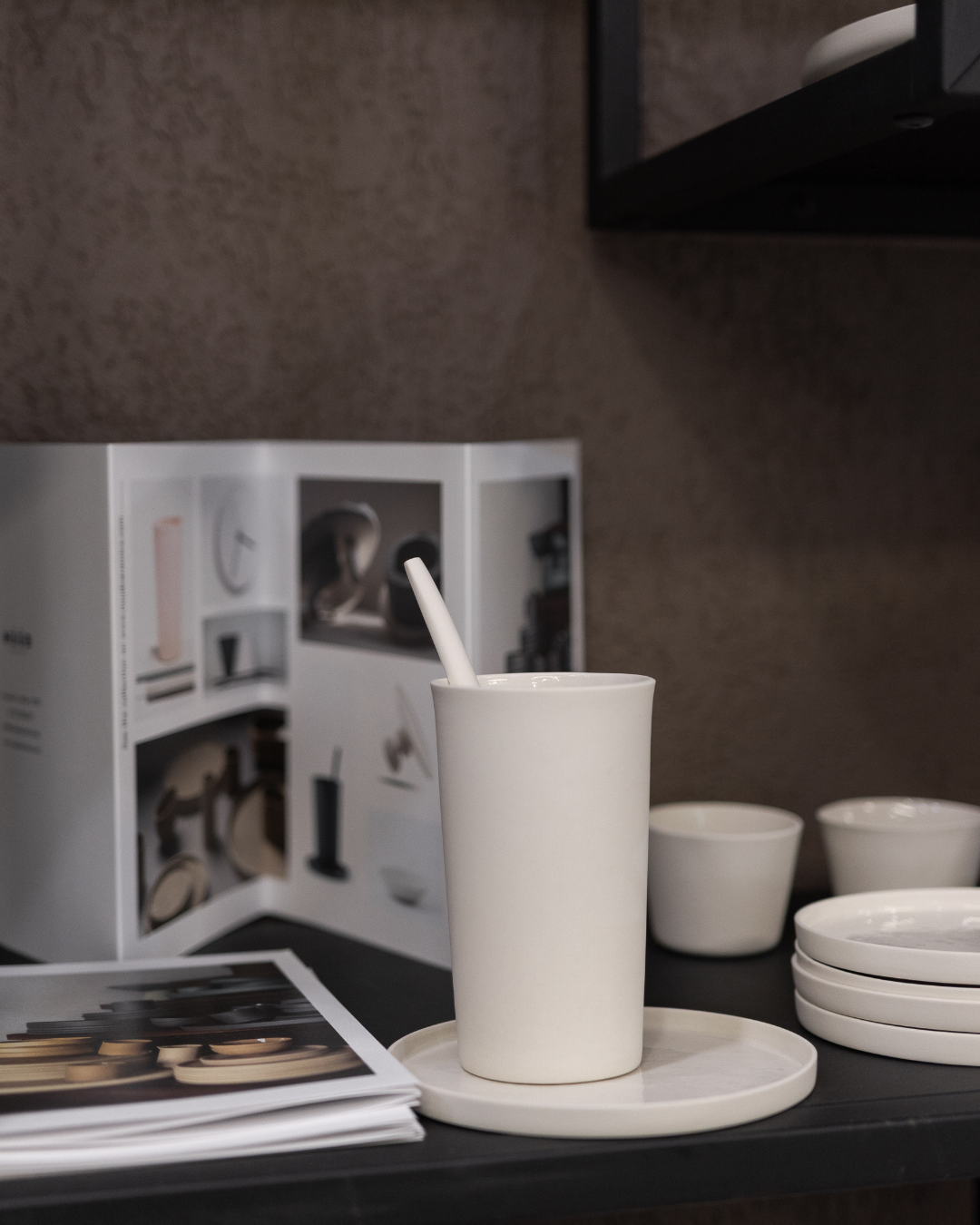
At the heart of Nüüd Ceramics are porcelain, craftsmanship and minimalist design. Each piece is created through a multi-stage process that requires time, precision and an understanding of the material. Porcelain is unpredictable by nature – during firing, a piece can shrink by up to twenty per cent, and every stage of the process influences the final result. For Mariana, it is essential to let the material develop at its own pace. “You make a large piece, but what you take out of the kiln is a miniature version of it,” she says, describing the surprises of firing porcelain. Working with the material has also taught her an important lesson: “Even when you’re in a hurry, you must never rush.”
Over the years, Nüüd Ceramics has grown and built a loyal customer base. The brand’s early success at design markets brought numerous orders and collaboration opportunities. “Ceramics sold like hot cakes,” Mariana recalls, thinking back to the design markets at Kultuurikatel, where the products they brought along could sell out within just a couple of hours. At one point, the workload grew so significantly that she even considered establishing her own ceramics factory. However, Mariana consciously chose to keep the business small in order to preserve her creative freedom and personal connection to her work. Today, she describes her working style with a smile as primarily a “one-man show”.
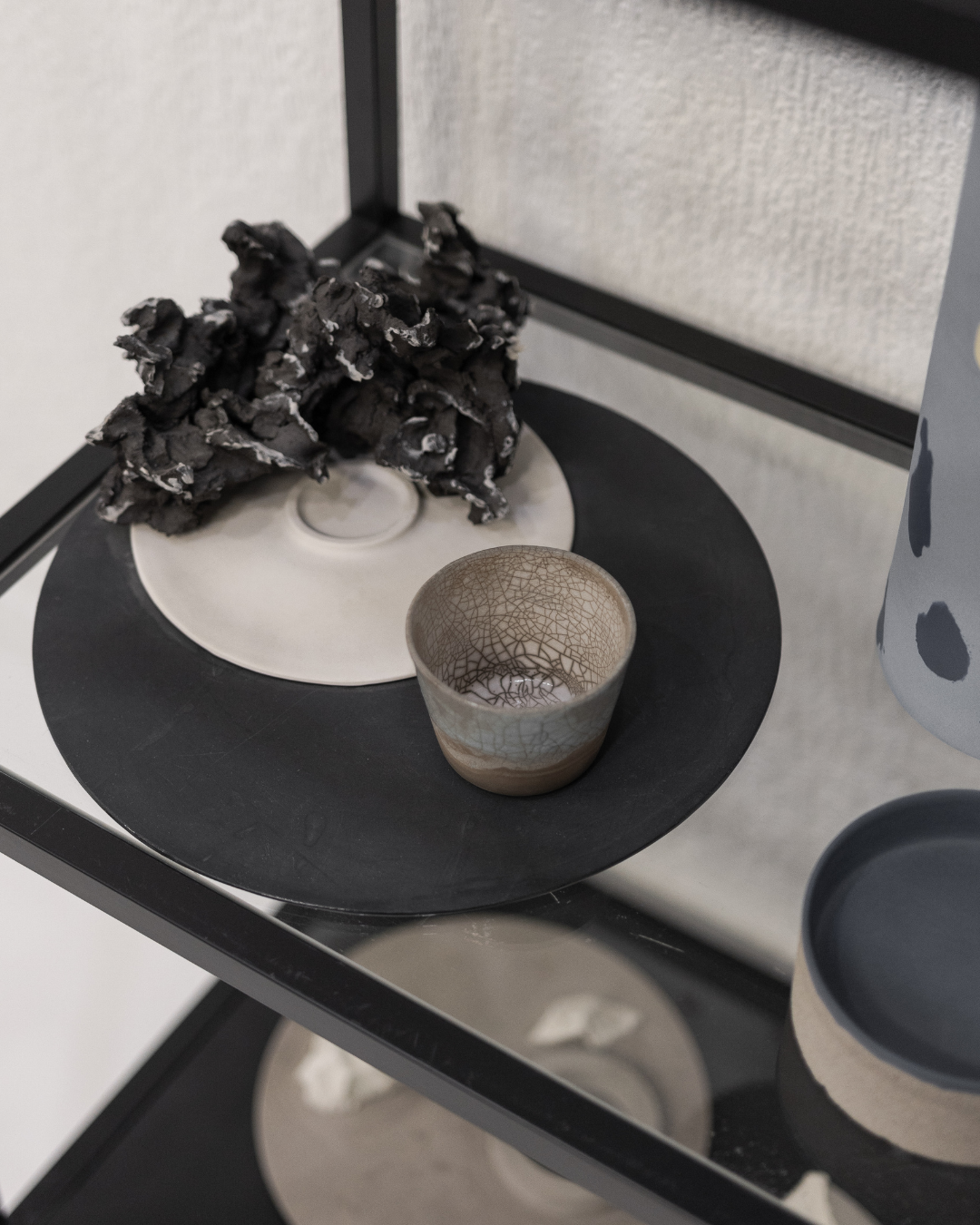
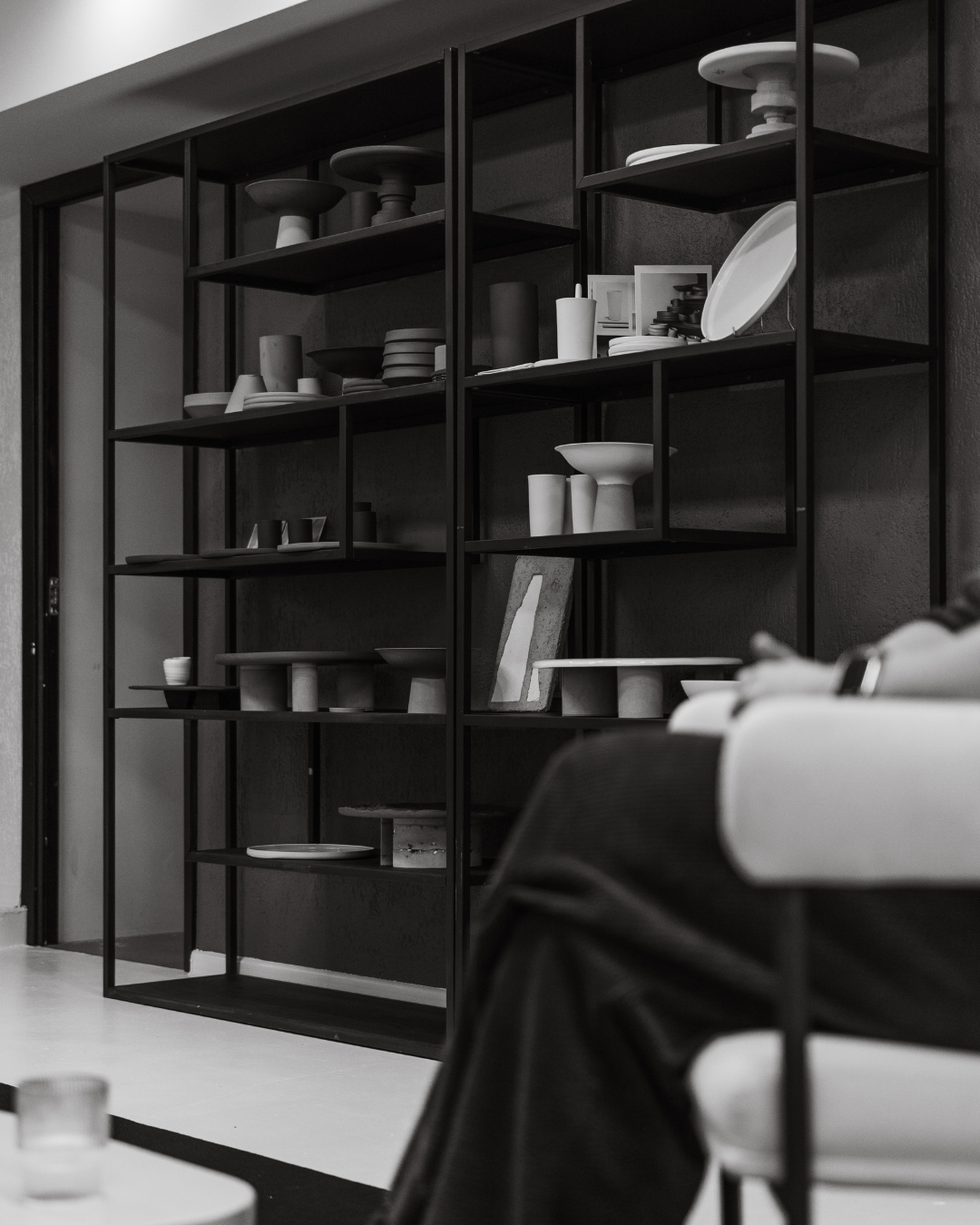
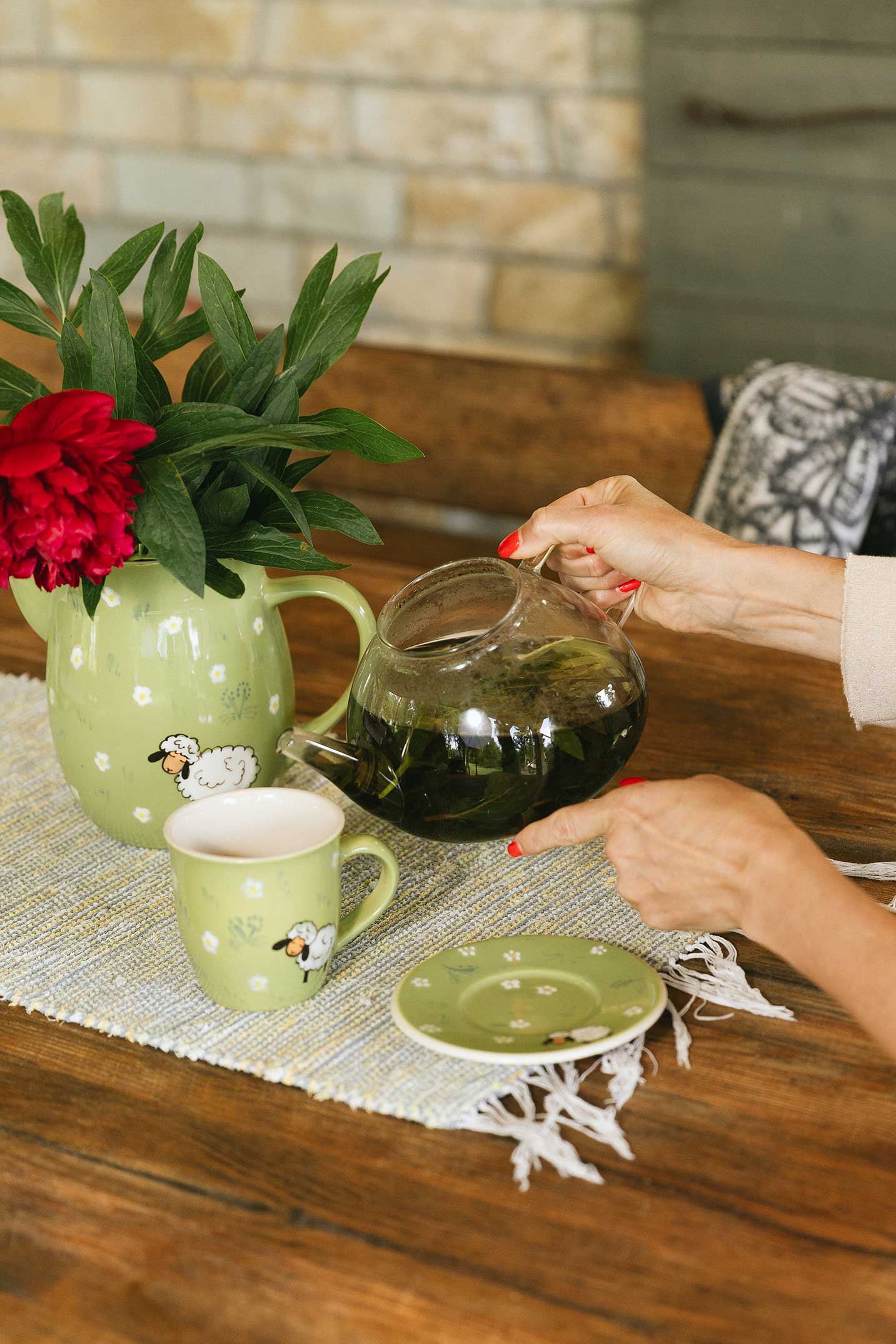
An important part of Nüüd Ceramics’ philosophy is timeless quality and functionality. Mariana creates pieces that are not meant to last just a moment, but could remain in use for another ten or twenty years. Her work can be found in private homes as well as restaurants, and over the years many customers have become loyal collectors, continuously expanding their collections with new shapes and colours. For Mariana, it is important that each piece is both distinctive and durable enough for everyday use. While she is happy to accommodate customer requests, she remains committed to her minimalist aesthetic and artistic identity.
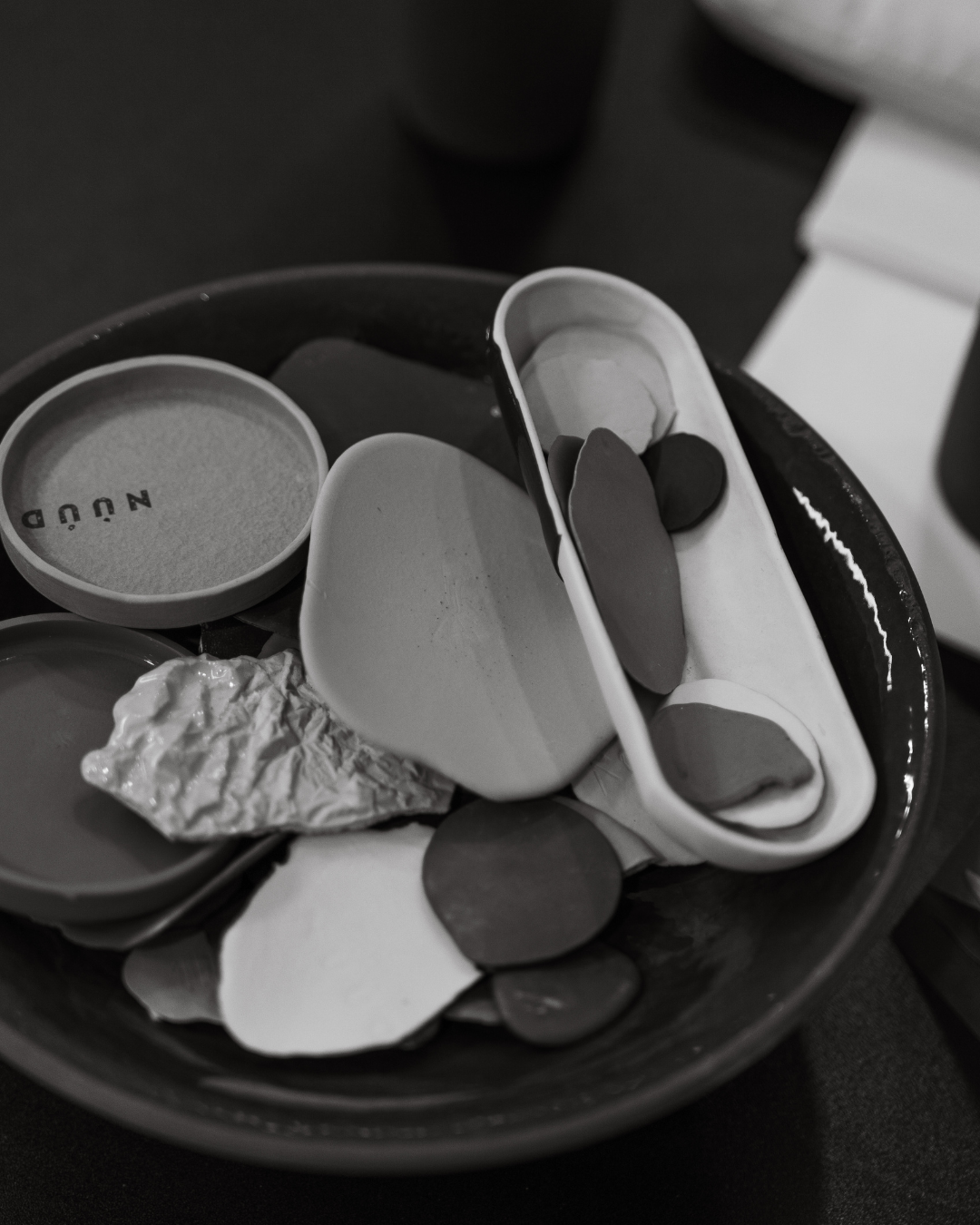
Conscious production and supporting local design are also important values for Nüüd Ceramics. Mariana makes an effort to reuse production leftovers wherever possible, finding new ways to incorporate them into her work. She has also become more mindful of international sales, as transporting fragile porcelain pieces can be expensive and environmentally demanding. She compares ceramics to food, explaining: “Just as we don’t import carrots from America, it doesn’t make sense to order ceramics from the other side of the world either.” In her view, it is more practical to find a designer whose style you appreciate in your own country or neighbouring regions, while supporting local creativity and craftsmanship.
For Mariana, success ultimately means having the freedom to create and make her own choices. After more than ten years in business, she is not necessarily dreaming of a larger studio or factory. Instead, she hopes to continue along the same path – developing new products, participating in exhibitions and exploring exciting collaborations. “I enjoy my work, and I increasingly see it less as a business,” she says. What matters to her is that the studio remains sustainable, but the purpose of creative work should never be simply to make as much money as possible. “There are better fields if your goal is to make money.” Mariana’s journey shows that business growth does not always have to mean becoming bigger. Sometimes, the greatest achievement lies in preserving what inspired you to begin in the first place: the joy of creating, independence and the freedom to do something you truly love.